
Cómo cultivar y cuidar Espárrago de los pobres
Blitum bonus-henricus
Escrito por Emilio Marruso · última revisión
Tóxica para: Personas · Por qué
De un vistazo
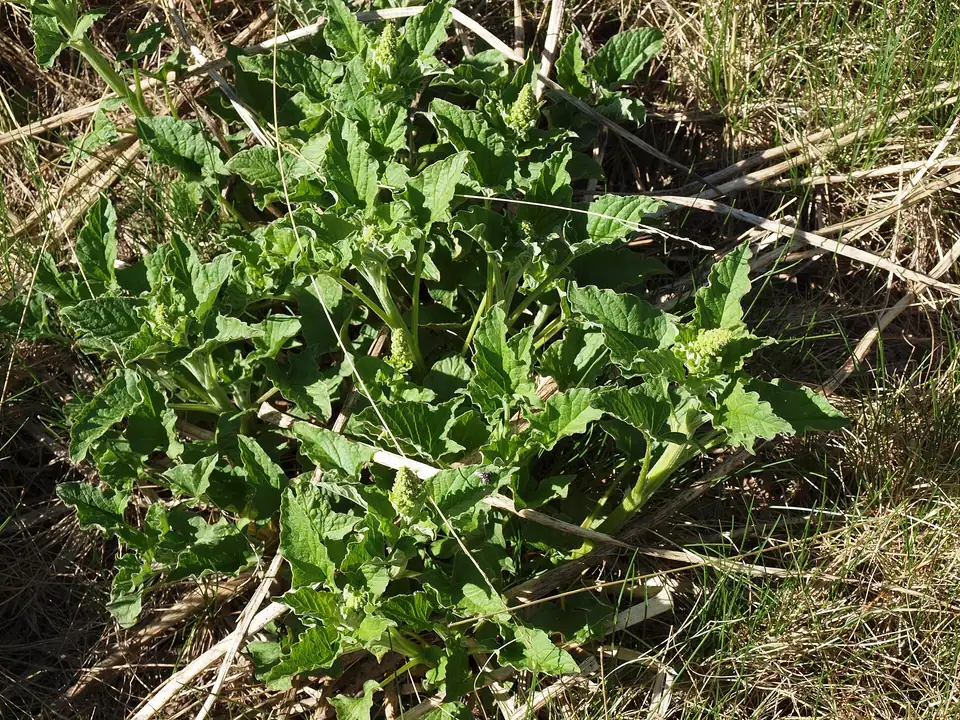
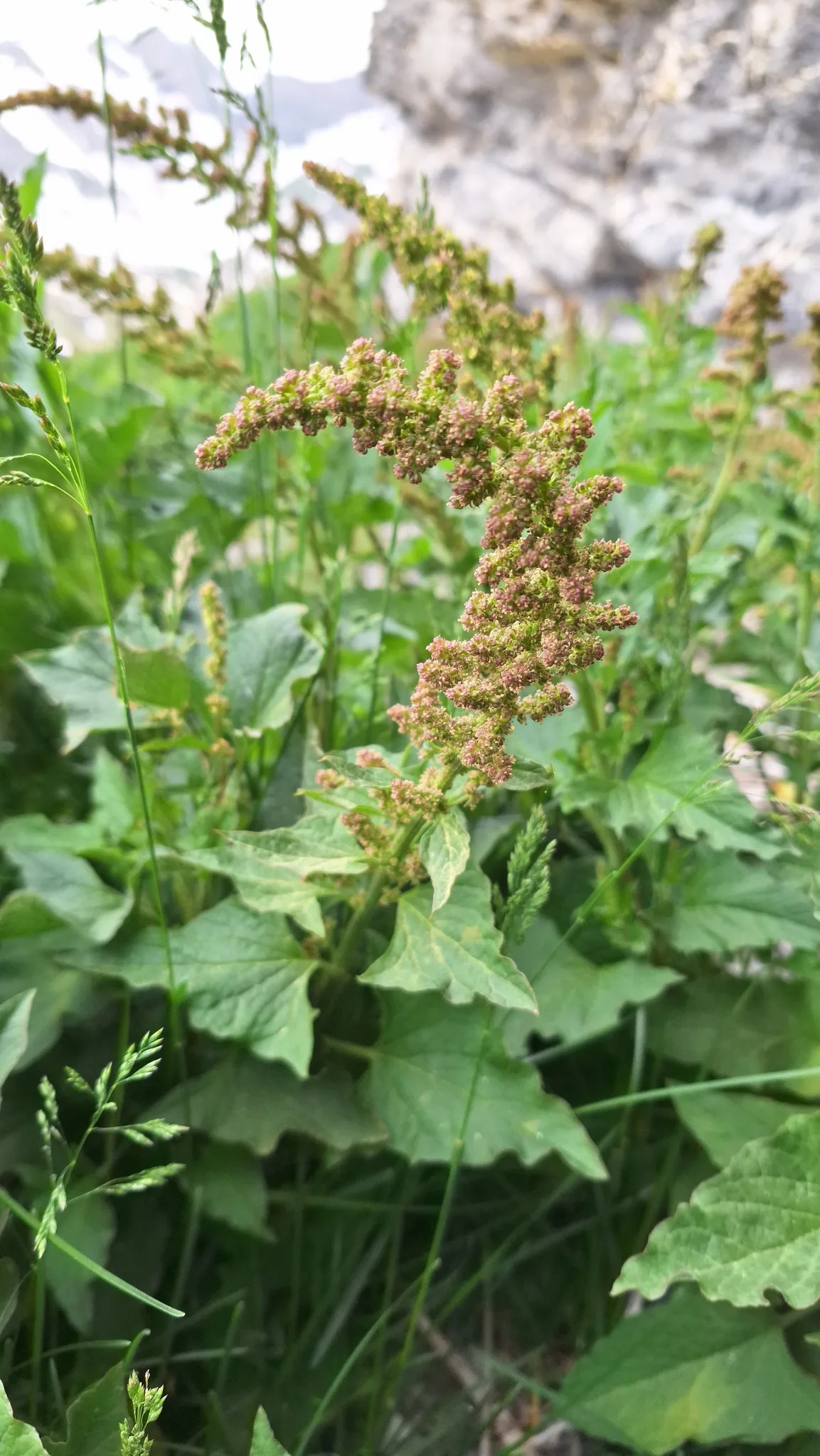
El Buen Enrique es una hortaliza perenne que no deja de dar: sus hojas se comen como las espinacas y sus brotes en flor se cocinan como los espárragos. Crece a pleno sol o en semisombra y en casi cualquier suelo, de ácido a calizo. Mantén la tierra húmeda y podrás recoger hojas desde finales de primavera hasta principios de otoño.
- Sol
Sol pleno o semisombra
Qué dicen las fuentes (3)
Luz: Pleno sol a semisombra
Grow Good King Henry in full sun. Grow Good King Henry in partial shade in warm regions.
— How to Grow, Harvest, and Serve Good King Henry - Harvest to Table [3] The plant produces a better quality harvest in the summer if it is grown in light shade
— Good King Henry (Chenopodium bonus-henricus) — Practical Plants [4] frequently grown in slightly less desirable portions of a garden including in partial shade
— Good King Henry - St. Louis Herb Society [5] - Riego
Mantén la tierra húmeda de forma constante; acolcha con paja y no salpiques barro a las hojas
Qué dicen las fuentes (2)
Riego: Mantén la tierra uniformemente húmeda durante toda la temporada de crecimiento.
Keep the soil evenly moist throughout the growing season to grow Good King Henry steadily and without interruption.
— How to Grow, Harvest, and Serve Good King Henry - Harvest to Table [3] Notas sobre el riego: Evita salpicar agua con barro sobre las hojas; cubre el suelo alrededor de las plantas con paja o con hojas picadas.
Avoid splashing muddy water onto leaves; mulch around plants with straw or chopped leaves to avoid getting soil on leaves.
— How to Grow, Harvest, and Serve Good King Henry - Harvest to Table [3] - Suelo
Crece en suelo ácido o calizo, pH 4,5–8,3
Qué dicen las fuentes (2)
pH del suelo, mínimo: 4.5
Good King Henry prefers a soil pH of 4.5 to 8.3.
— How to Grow, Harvest, and Serve Good King Henry - Harvest to Table [3] pH del suelo, máximo: 8.3
Good King Henry prefers a soil pH of 4.5 to 8.3.
— How to Grow, Harvest, and Serve Good King Henry - Harvest to Table [3] - Distancia
30–45 cm entre plantas
Qué dicen las fuentes (1)
Distancia de plantación: 30-45 cm (12-18 pulgadas)
Sow seed 12 to 18 inches (30-45cm) apart.
— How to Grow, Harvest, and Serve Good King Henry - Harvest to Table [3] - Plantación
Planta en primavera u otoño
Qué dicen las fuentes (1)
Plantación: Primavera u otoño.
Good King Henry grows best when planted outdoors in spring or in autumn.
— How to Grow, Harvest, and Serve Good King Henry - Harvest to Table [3] - Cosecha
Brotes de mediados de primavera a inicios de verano, hojas de finales de primavera a inicios de otoño
Qué dicen las fuentes (2)
Cosecha: Hojas: desde finales de la primavera hasta principios del otoño; brotes nuevos: desde mediados de la primavera hasta principios del verano.
Leaves can be harvested a few at a time from late spring to early autumn.
— How to Grow, Harvest, and Serve Good King Henry - Harvest to Table [3] New shoots can be thinned and harvested usually from mid sprig to early summer when they are most tender and flavorful.
— How to Grow, Harvest, and Serve Good King Henry - Harvest to Table [3] - Atención
Con calor florece y las hojas amargan; protégela con una malla de sombreo
- Tamaño
De 20 a 70 cm de alto
- Multiplicación
Por semilla o dividiendo la mata en primavera
Qué dicen las fuentes (2)
Propagación: Semilla; división en primavera
Seed - sow spring in a cold frame.
— Good King Henry (Chenopodium bonus-henricus) — Practical Plants [4] Division in spring [9] . Very easy, larger clumps can be replanted direct into their permanent positions
— Good King Henry (Chenopodium bonus-henricus) — Practical Plants [4] - Siembra
Siembra en interior 10–12 semanas antes de la última helada, o fuera 6–8 semanas antes
Qué dicen las fuentes (3)
Siembra: Primavera: en interiores de 10 a 12 semanas antes de la última fecha promedio de heladas; siembra directa de 6 a 8 semanas antes de esa fecha.
regiones de invierno suave: In mild-winter regions, plant Good King Henry in late summer or early autumn
— How to Grow, Harvest, and Serve Good King Henry - Harvest to Table [3] Sow Good King Henry indoors 10 to 12 weeks before the last average frost date in spring for transplanting out about the time of the last frost
— How to Grow, Harvest, and Serve Good King Henry - Harvest to Table [3] Direct sow Good King Henry outdoors or set out transplants 6 to 8 weeks before the last average frost date.
— How to Grow, Harvest, and Serve Good King Henry - Harvest to Table [3] - Seguridad
Come las hojas crudas con moderación: en exceso pueden sentar mal al estómago
Resumen
El buen rey Enrique es una hortaliza perenne que se cultiva por sus hojas, que se cocinan como las espinacas, y por sus brotes tiernos, que se comen como los espárragos. [3][1] Crece a pleno sol o en semisombra en suelo uniformemente húmedo, y el clima cálido y los días largos hacen que se espigue. [3] Debido a su contenido de ácido oxálico, las hojas crudas deben consumirse con moderación y no se recomienda su consumo para personas con piedras, artritis o reumatismo. [3][1]
Citado en inglés, como en la fuente.
Cuidados
Riego
Riego
Mantén la tierra uniformemente húmeda durante toda la temporada de crecimiento.
Qué dicen las fuentes (1)
Keep the soil evenly moist throughout the growing season to grow Good King Henry steadily and without interruption.Notas sobre el riego
Evita salpicar agua con barro sobre las hojas; cubre el suelo alrededor de las plantas con paja o con hojas picadas.
Qué dicen las fuentes (1)
Avoid splashing muddy water onto leaves; mulch around plants with straw or chopped leaves to avoid getting soil on leaves.Luz
Pleno sol a semisombra
Qué dicen las fuentes (3)
Grow Good King Henry in full sun. Grow Good King Henry in partial shade in warm regions.The plant produces a better quality harvest in the summer if it is grown in light shadefrequently grown in slightly less desirable portions of a garden including in partial shadeClima y frío
Rusticidad, zona más fría
Las fuentes dan valores distintos según la región, la zona o las condiciones de cultivo.
Lo que dice cada fuente
Según Harvest to Table: 4 [mínima invernal de −34,4 a −28,9 °C (de −30 a −20 °F)]
Según St. Louis Herb Society: 3 [mínima invernal de −40 a −34,4 °C (de −40 a −30 °F)]
Según Practical Plants: 5 [mínima invernal de −28,9 a −23,3 °C (de −20 a −10 °F)]
Qué dicen las fuentes (3)
Según Harvest to Table: It grows best in USDA Zones 4-8 and is hardy to −25 °F (−31.7 °C).Según St. Louis Herb Society: is a perennial herb that is hardy in USDA zones 3-9Según Practical Plants: Water
moderate
Hardiness
Zone 5+Rusticidad, zona más cálida
Las fuentes dan valores distintos según la región, la zona o las condiciones de cultivo.
Lo que dice cada fuente
Según Harvest to Table: 8 [mínima invernal de −12,2 a −6,7 °C (de 10 a 20 °F)]
Según St. Louis Herb Society: 9 [mínima invernal de −6,7 a −1,1 °C (de 20 a 30 °F)]
Qué dicen las fuentes (2)
Según Harvest to Table: It grows best in USDA Zones 4-8 and is hardy to −25 °F (−31.7 °C).Según St. Louis Herb Society: is a perennial herb that is hardy in USDA zones 3-9Suelo
pH del suelo, mínimo
4.5
Qué dicen las fuentes (1)
Good King Henry prefers a soil pH of 4.5 to 8.3.pH del suelo, máximo
8.3
Qué dicen las fuentes (1)
Good King Henry prefers a soil pH of 4.5 to 8.3.Dónde cultivarla
30-45 cm (12-18 pulgadas)
Qué dicen las fuentes (1)
Sow seed 12 to 18 inches (30-45cm) apart.Propagación
Semilla; división en primavera
Qué dicen las fuentes (2)
Seed - sow spring in a cold frame.Division in spring [9] . Very easy, larger clumps can be replanted direct into their permanent positionsCultivo
La planta
Ciclo de vida
perenne
Qué dicen las fuentes (2)
Habit: Perennial herb 20–70 cm tall.Pianta erbacea perenne con fusto cilindrico generalmente ramoso e robusto. Tubero radicale largo fino a 4 cm di diametro, bruno con polpa chiara. Foglie basali, due, pennatosette lungamente picciolate e a contorno triangolare; le foglie cauline più ridotte. Ombrelle composte da 10-20 raggi; fiori ermafroditi. Petali bianchi, brattee e bratteole presenti. Frutto ellittico con costole poco apparenti. Il bulbocastano comune è una specie di distribuzione sudeuropea a baricentro occidentale, presente in tutte le regioni di Italia salvo il Friuli-Venezia Giulia. Cresce in campi di cereali, soprattutto il frumento, su suoli argillosi pesanti e ricchi di calcare, tra i 400 ed i 1900m. Fiorisce tra maggio e luglio. Risulta ancora abbastanza comune nonostante l’uso dei concimi e diserbanti che ne hanno ridotto la diffusione. Il bulbo castano presenta, soprattutto a livello di tubero, un’alta concentrazione di falcarindiolo e falcarinone, principi con attività anticancerogena. Contiene anche nei frutti il beta-farsene, un feromone attrattivo di alcuni insetti che viene utilizzato nella lotta biologica. Popolarmente era usato per le proprietà astringenti. Uso alimentare Di questa pianta si mangia praticamente tutto: foglie, fiori, semi e tubero. Il tubero è ottimo e presenta un sentore di nocciola-castagna, viene utilizzato crudo, gratuggiato o finemente affettato, in insalate e vivande. I semi sono usati come il cumino, per aromatizzare pani, dolci, liquori e conserve. Le foglie usate come il prezzemolo, crude, finemente tritate in insalate o altre vivande. Il tubero di questa pianta viene anche definito “castagna di terra”; viene pelato e sbollentato. Una volta cotto può essere schiacciato fino ad ottenere una purea con la quale si possono preparare delle gallette (biscotti).   BULBO CASTANO SCIROPPATO - 40 g bulbo castano - 90 g di acqua - 90 g di zuccheri - Limone - Cannella - 40 ml di rum Eliminare la pellicina esterna della radice del bulbocastano e sbollentare per pochi minuti le radici pulite. Devono risultare tenere ma non devono sfaldarsi. In una pentola unire lo zucchero all’acqua, la scorza di limone e la stecca di cannella. Portare ad ebollizione fino al completo scioglimento dello zucchero e alla produzione di sciroppo. A questo punto è possibile, facoltativo, unire il rum. Porre le radici di bulbocastano nei vasetti sterilizzati. Filtrare lo sciroppo ancora caldo all’iinterno dei vasetti comprendo completamente le radici. Chiudere i vasetti e “sterilizzarli” per circa 20-30 min in acqua bollente o in forno a 120°C. Altri prodotti possibili: Gallette di bulbo castano Fiori essiccati per tisane CARDAMINE spp. Ordine: Brassicales Famiglia: Brassicaceae Si tratta di un genere di piante con molte specie ampiamente presenti in Italia, anche se diversamente diffuse. In cucina le cardamini sono in genere apprezzate per il fatto di avere un aroma e un sapore più tenue del crescione, anche se in alcune specie è più amaro. Si usano soprattutto le foglie, ma di alcune specie si usano anche i piccoli bulbi che spuntano lungo la parte superiore del fusto. Le foglie vengono utilizzate come verdura, in mesticanze cotte o crude o in altre preparazioni. CARDAMINE BULBIFERA (dentaria minore) lievemente piccante e per questo motivo può essere utilizzata come quella del rafano. Si consumano anche i bulbilli che hanno un gradevole sapore, simile al crescione, e sono molto aromatici. Uso alimentare si utilizzano e consumano come le comuni erbe di campo, crude in insalata o anche cotti. Si mangiano anche i bulbilli; alcuno consuma anche il rizoma cotto. Le foglie ricordano l’aroma del crescione; i bulbilli si consumano come le lenticchie, cotti. CARDAMINE IMPATIENS (billeri comune) Pianta erbacea annuale o bienne, altra 10- 80 cm con radice fittonante. Il fusto è ascendente, striato di rosso, ramoso e glabro. Le foglie sono pennatosette con 13-19 segmenti ovali o lanceolati, incisi, che possono essere interi o dentati. Le foglie basali formano una rosetta, quelle superiori sono appressate al fusto e con 2 orecchiette ciliate e amplessicauli. I fiori sono tetrameri e dialipetali, di colore bianco, molto piccoli e posti su racemo. Semi sono piccoli e disposti all’interno di una siliqua. Pianta ombrofila, preferisce suoli freschi e umidi in prevalenza carbonatici e ricchi di humus. Si trova in tutta Italia escluse le isole. Pianta tipica di faggete e delle carpinete, si trova dai 400 ai 1300 m s.l.m. Uso alimentare è una pianta di scarso interesse alimentare, viene utilizzata principalmente come condimento. Tuttavia, oltre alla funzione aromatica, le foglie ed i germogli si possono utilizzare all’interno di zuppe e minestre, come volendo anche i fiori della pianta. SALSA DI CARDAMINE - 200 g di foglie, volendo qualche fiore - noce di burro - 500 ml di latte - Un cucchiaio di farina - Sale e pepe Sbollentare le foglie di Cardamine spp. per qualche minuto. Scolare, strizzare via l’acqua e poi frullare. Scogliere il burro in un padellino, aggiungere il frullato ed il latte. Fare addensare, aggiungendo un cucchiaio di farina, aggiustare di sale e pepe. Accompagna molto bene le carni. SALE AROMATTIZZATO Miscela 50:50 di sale fino e Cardamine spp. essiccata e sminuzzata. INSAPORITORE Essiccata e miscelata con altre spezie/erbe. Approfondimenti: - Antioxidant and anti-fatigue activities of selenium-enriched peptides isolated from Cardamine violifolia protein hydrolysate https://www.sciencedirect.com/science/article/pii/S175646462100061X  CHENOPODIUM BONUS HENRICUS (spinacio selvaggio, buon enrico) Ordine: Caryophyllales Famiglia: Chenopodiaceae Pianta erbacea perenne di aspetto farinoso e colloso dovuto alla presenza di numerosi peli vescicolosi, dotata di rizoma.Familia
Problemas
Espigado
Síntoma: Florece y produce semillas en clima cálido y con días largos; las hojas cosechadas después de la floración saben amargas.
Qué hacer: Si el clima se calienta, protege las plantas bajo una tela de sombreo colocada sobre un armazón.
Qué dicen las fuentes (2)
Warm weather and long days will cause Good King Henry to bolt—that is it will flower and go to seed.
— How to Grow, Harvest, and Serve Good King Henry - Harvest to Table [3] If the weather warms, try protecting Good King Henry under shade cloth set over a frame.
— How to Grow, Harvest, and Serve Good King Henry - Harvest to Table [3]
Remedios
Cada remedio indica qué dicen las fuentes oficiales; los remedios tradicionales sin fuente oficial aparecen marcados. Los perjudiciales están para que sepas evitarlos.
Cuidar la planta
espigado
malla de sombreo sobre un marco No verificado
Remedio tradicional, no verificado por una fuente oficial.
Cómo: Si el clima se calienta, intenta proteger las plantas bajo una malla de sombreo colocada sobre un marco.
Toxicidad
Según la fuente, citada textualmente. No es un consejo médico ni veterinario: si una persona o un animal pudo haber ingerido esta planta, contacta con un centro de toxicología o con un veterinario.
Raw leaves have a high oxalic acid content and should be eaten in moderation to avoid upset stomach.
[3]Older leaves are less desirable due to increasing concentrations of saponins, which taste like soap, and oxalic acid.
[5]- Principio tóxico
Older leaves are less desirable due to increasing concentrations of saponins, which taste like soap, and oxalic acid.
[5]
Calendario
Siembra
Primavera: en interiores de 10 a 12 semanas antes de la última fecha promedio de heladas; siembra directa de 6 a 8 semanas antes de esa fecha.
Lo que dice cada fuente
regiones de invierno suave: Finales del verano o principios del otoño.
Qué dicen las fuentes (3)
regiones de invierno suave: In mild-winter regions, plant Good King Henry in late summer or early autumnSow Good King Henry indoors 10 to 12 weeks before the last average frost date in spring for transplanting out about the time of the last frostDirect sow Good King Henry outdoors or set out transplants 6 to 8 weeks before the last average frost date.Plantación
Primavera u otoño.
Qué dicen las fuentes (1)
Good King Henry grows best when planted outdoors in spring or in autumn.Cosecha
Hojas: desde finales de la primavera hasta principios del otoño; brotes nuevos: desde mediados de la primavera hasta principios del verano.
Qué dicen las fuentes (2)
Leaves can be harvested a few at a time from late spring to early autumn.New shoots can be thinned and harvested usually from mid sprig to early summer when they are most tender and flavorful.Meses tal como los dan las fuentes, en su mayoría de Estados Unidos (hemisferio norte). En el hemisferio sur se desplazan unos seis meses.
Comestibilidad
Según la fuente, citada textualmente. No comas una planta basándote solo en esta página: los errores de identificación pueden ser peligrosos.
In cooking, the young leaves are eaten raw, while the mature ones are ideal boiled for stuffings and soups; the flowering shoots are cooked like asparagus.
[1]The leaves, shoots/stems, and flowers of Good King Henry are edible.
[3]Seed can be ground and mixed with flour to make bread or other baked goods.
[3]The leaves can be prepared and eaten like spinach.
[6]
Valores orientativos
Valores de una fuente secundaria, no comprobados palabra por palabra como el resto de esta página. Úselos como punto de partida.
- Resiste la sequía
- SíValor orientativo, adáptalo a tu clima · Fuente secundaria
- Nivel de cuidado
- MedioValor orientativo, adáptalo a tu clima · Fuente secundaria
- Crecimiento
- BajoValor orientativo, adáptalo a tu clima · Fuente secundaria
- Poda
- Febrero, marzo, abril, junio, julio, agostoValor orientativo, adáptalo a tu clima · Fuente secundaria
Plantas similares
- Bananero de Etiopía Ensete ventricosum
- Agretti Soda inermis
- Apio caballar Smyrnium olusatrum
- Allium triquetrum Allium triquetrum
- Alpine dock Rumex alpinus
- Bledo Amaranthus hybridus
- Papa de la India Apios americana
- American hogpeanut Amphicarpaea bracteata
Fuentes
Cada valor anterior se cita de estos documentos. Los enlaces llevan al editor original.
- Blitum bonus-henricus (L.) Rchb. – Giardino della Flora Appenninica · giardinocapracotta.unimol.it, consultado
- UNIVERSITÀ DEGLI STUDI DI TORINO · cn.camcom.gov.it, consultado
- How to Grow, Harvest, and Serve Good King Henry - Harvest to Table · harvesttotable.com, consultado
- Good King Henry (Chenopodium bonus-henricus) — Practical Plants · practicalplants.org, consultado
- Good King Henry - St. Louis Herb Society · stlouisherbsociety.org, consultado
- · naturblick.museumfuernaturkunde.berlin, consultado
- Flora of New Zealand | Taxon Profile | Blitum bonus-henricus · nzflora.info, consultado
Escrito por Emilio Marruso · última revisión