
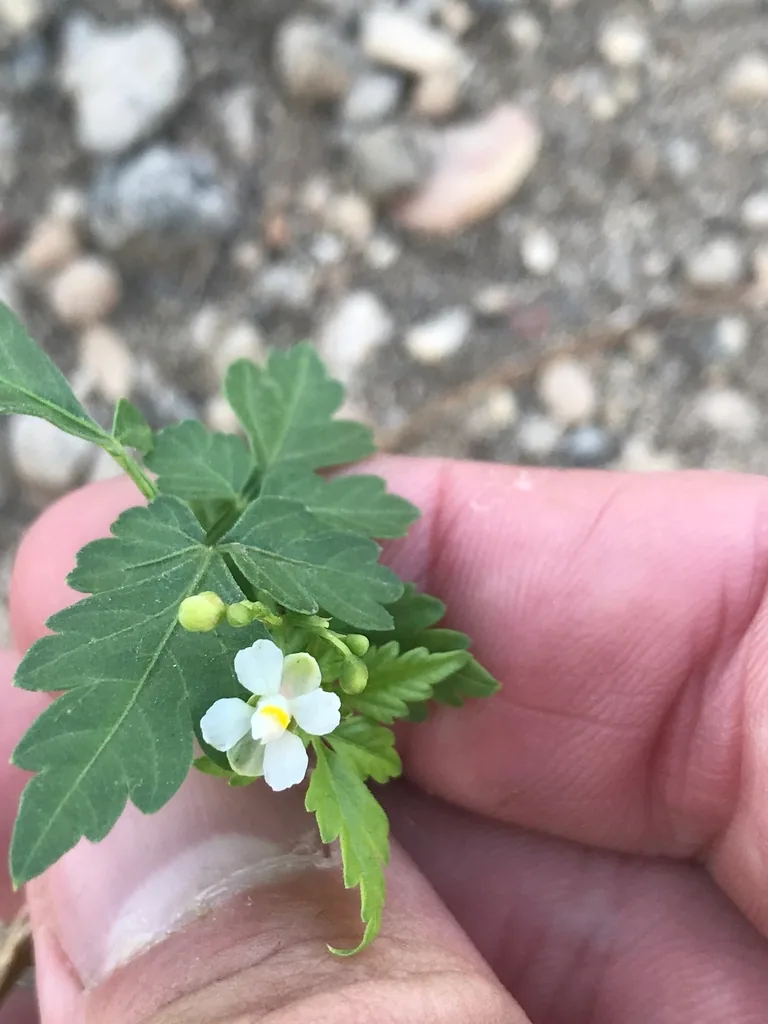

Cómo cultivar y cuidar Balloon Vine
Cardiospermum halicacabum
Escrito por Emilio Marruso · última revisión
De un vistazo
Esta trepadora anual alcanza 3 m de altura y crece bien en maceta, incluso en interior. Siembra en interior 8–10 semanas antes de la última helada, trasplanta cuando hayan pasado las heladas y sus zarcillos harán el resto. Y además, las hojas y los brotes tiernos se pueden cocinar y comer como espinacas.
- Distancia
15–30 cm entre plantas
Qué dicen las fuentes (1)
Distancia de plantación: 15.2-30.5 cm (6-12 pulgadas)
Planting and spacing Cardiospermum - Space Cardiospermu 6 to 12 inches (15-30cm) apart.
— How to Grow Cardiospermum - Love-in-a-Puff [8] - Plantación
Trasplanta después de la última helada, de finales de primavera a principios de verano
Qué dicen las fuentes (3)
Plantación: Después de la última helada de primavera (finales de primavera a principios de verano)
Set container-grown Cardiospermum outdoors after the last frost in spring.
— How to Grow Cardiospermum - Love-in-a-Puff [8] Plant them out into their permanent positions in late spring or early summer, after the last expected frosts.
— Heart Seed (Cardiospermum halicacabum) — Practical Plants [5] Sow seed indoors in late winter to early spring and plant outdoors after hardening off the seedlings when all danger of frost has passed.
— Love In A Puff Plant Info - Managing Love In A Puff Balloon Vine | Gardening Know How [6] - Cosecha
Recoge las semillas cuando los frutos se sequen en la planta; cocina hojas y brotes tiernos como espinacas
Qué dicen las fuentes (2)
Cosecha: Semilla: cuando los frutos se hayan secado por completo en la vid
Según University of Michigan Climbers: Measures 5mm in diameter (3). Seeds ripen from August to October (10).
— Cardiospermum halicacabum | CLIMBERS [4] Allow the fruits to dry completely on the vine before harvesting them for seed.
— Love In A Puff Plant Info - Managing Love In A Puff Balloon Vine | Gardening Know How [6] - Plagas
Pulgones y moscas blancas de vez en cuando; trátalos con jabón insecticida
Qué dicen las fuentes (1)
Plagas: pulgones, mosca blanca
Insects, Diseases, and Other Plant Problems: Aphids and whiteflies are occasional visitors.
— Cardiospermum halicacabum (Balloon Vine, Heart Pea, Heart-seed, Heart Seed Vine, Little Lanterns, Love-in-a-puff, Puffball, Smooth-leaved Heart Seed, Winter Cherry) | North Carolina Extension Gardener Plant Toolbox [1] - Atención
Puede extenderse y ahogar otras plantas: despunta los brotes nuevos o átala a un soporte
- Tamaño
Trepa hasta 3 m de alto
Qué dicen las fuentes (1)
Altura adulta: 300 cm (3 m)
Plant Height: C. halicacabum can grow up to 3m in height (10).
— Cardiospermum halicacabum | CLIMBERS [4] - Multiplicación
Por semilla o por esquejes de tallo en verano
Qué dicen las fuentes (3)
Propagación: Semilla; esquejes de tallo (esquejes de madera blanda en verano)
Propagate by seeds (with viablilty of some 18 months) and stem cuttings.
— NParks | Cardiospermum halicacabum [2] Recommended Propagation Strategy: Seed Stem Cutting
— Cardiospermum halicacabum (Balloon Vine, Heart Pea, Heart-seed, Heart Seed Vine, Little Lanterns, Love-in-a-puff, Puffball, Smooth-leaved Heart Seed, Winter Cherry) | North Carolina Extension Gardener Plant Toolbox [1] Sow Cardiospermum seeds in warm soil in spring. Germination takes 21 to 30 days. - Root softwood cuttings in summer.
— How to Grow Cardiospermum - Love-in-a-Puff [8] - Siembra
Siembra en interior 8–10 semanas antes de la última helada, de finales de invierno a primavera
Qué dicen las fuentes (6)
Siembra: Finales de invierno a primavera, en interiores, 8-10 semanas antes de la última helada
Según Gardening Know How: Sow seed indoors in late winter to early spring and plant outdoors after hardening off the seedlings when all danger of frost has passed.
— Love In A Puff Plant Info - Managing Love In A Puff Balloon Vine | Gardening Know How [6] Según Harvest to Table: Start Cariospermum seeds indoors 8 to 10 weeks before the last frost.
— How to Grow Cardiospermum - Love-in-a-Puff [8] Según Practical Plants: Seed - sow spring in a greenhouse. Germination usually takes place within 3 - 4 weeks at 20°c
— Heart Seed (Cardiospermum halicacabum) — Practical Plants [5] Según Harvest to Table: Sow Cardiospermum seeds in warm soil in spring. Germination takes 21 to 30 days.
— How to Grow Cardiospermum - Love-in-a-Puff [8] Sow seed indoors in late winter to early spring and plant outdoors after hardening off the seedlings when all danger of frost has passed.
— Love In A Puff Plant Info - Managing Love In A Puff Balloon Vine | Gardening Know How [6] Start Cariospermum seeds indoors 8 to 10 weeks before the last frost.
— How to Grow Cardiospermum - Love-in-a-Puff [8] - Maceta
Crece en maceta e incluso en interior
Qué dicen las fuentes (3)
En maceta: Sí
Landscape Uses | Coastal Plant, Suitable for Hanging Baskets, Vertical Greenery / Green Wall, Container Planting
— NParks | Cardiospermum halicacabum [2] Cardiospermum grown as a potted plant should be potted up once a year until it reaches maturity.
— How to Grow Cardiospermum - Love-in-a-Puff [8] En interior: Sí
Soil indoors: Grow in a soil-based potting mix. - Light indoors: Grow in bright filerted light.
— How to Grow Cardiospermum - Love-in-a-Puff [8]
Resumen
La vid de globo es una trepadora tropical de crecimiento rápido con zarcillos, pequeñas flores blancas y cápsulas infladas de papel, a menudo cultivada como anual en un enrejado. [5][7] Ha escapado del cultivo y se considera una maleza nociva en el sur de los Estados Unidos, donde puede sofocar la vegetación nativa. [1] Sus hojas y brotes jóvenes se cocinan y se comen como verdura. [3]
Citado en inglés, como en la fuente.
Esta ficha está incompleta: las fuentes consultadas aún no cubren todos los campos.
Aún no cubierto por nuestras fuentes: Poda
Cuidados
Riego
Riego
Las fuentes dan valores distintos según la región, la zona o las condiciones de cultivo.
Lo que dice cada fuente
Según Gardening Know How: Riega profundamente y luego deja que el suelo se seque entre riegos una vez establecida
Según Harvest to Table: Mantén el suelo uniformemente húmedo pero no mojado
Según NParks: Riego moderado
Según Practical Plants: Moderado
Qué dicen las fuentes (4)
Según Gardening Know How: Water the plant deeply and then allow it to dry between waterings once established.Según Harvest to Table: How to water and feed Cardiospermum
- Keep the soil evenly moist but not wet.Según NParks: Light Preference
| Semi-Shade, Full Sun
| Water Preference
| Moderate WaterSegún Practical Plants: Shade tolerance
no shade
Water
moderate
Hardiness
Zone 9+
Soil textures
sandy, loamy, clayNotas sobre el riego
Las fuentes no coinciden:
Water moderate Hardiness Zone 9+ Soil textures sandy, loamy, clay Soil pH acid, neutral, alkaline Drainage well drained Tolerates Nutritionally Poor Soil No Drought intolerant
[5]
Qué dicen las fuentes (2)
Fast-growing, takes full sun to partial shade. Prefers well-drained soils, tolerates low soil fertility and dry weather.Love in a puff balloon vine needs full sun in well-drained soilLuz
Las fuentes dan valores distintos según la región, la zona o las condiciones de cultivo.
Lo que dice cada fuente
Según NC State Extension: Pleno sol a semisombra
Según NParks: Pleno sol a semisombra
Según Gardening Know How: Pleno sol
Según Harvest to Table: Pleno sol
Qué dicen las fuentes (6)
Según NC State Extension: Light:
Full sun (6 or more hours of direct sunlight a day)
Partial Shade (Direct sunlight only part of the day, 2-6 hours)Según NParks: Fast-growing, takes full sun to partial shade. Prefers well-drained soilsSegún Gardening Know How: Love in a puff balloon vine needs full sun in well-drained soilSegún Harvest to Table: Light outdoors: Plant Cardiospermum in full sun.
- Soil outdoorsLight:
Full sun (6 or more hours of direct sunlight a day)
Partial Shade (Direct sunlight only part of the day, 2-6 hours)Fast-growing, takes full sun to partial shade. Prefers well-drained soilsClima y frío
Rusticidad, zona más fría
Las fuentes dan valores distintos según la región, la zona o las condiciones de cultivo.
Lo que dice cada fuente
Según NC State Extension: 9a [mínima invernal de −6,7 a −3,9 °C (de 20 a 25 °F)]
Zonas USDA 8 a 11: 8 [mínima invernal de −12,2 a −6,7 °C (de 10 a 20 °F)]
Según Practical Plants: 9 [mínima invernal de −6,7 a −1,1 °C (de 20 a 30 °F)]
Qué dicen las fuentes (3)
Según NC State Extension: USDA Plant Hardiness Zone:
9a, 9b, 10a, 10b, 11a, 11bZonas USDA 8 a 11: It is a useful annual in United States Department of Agriculture zones 8 to 11. In the lower zones, it performs as an annual.Según Practical Plants: Water
moderate
Hardiness
Zone 9+
Soil textures
sandy, loamy, clayRusticidad, zona más cálida
Las fuentes dan valores distintos según la región, la zona o las condiciones de cultivo.
Lo que dice cada fuente
Según NC State Extension: 11b [mínima invernal de 7,2 a 10 °C (de 45 a 50 °F)]
Zonas USDA 8 a 11: 11 [mínima invernal de 4,4 a 10 °C (de 40 a 50 °F)]
Qué dicen las fuentes (3)
Según NC State Extension: USDA Plant Hardiness Zone:
9a, 9b, 10a, 10b, 11a, 11bZonas USDA 8 a 11: It is a useful annual in United States Department of Agriculture zones 8 to 11. In the lower zones, it performs as an annual.USDA Plant Hardiness Zone:
9a, 9b, 10a, 10b, 11a, 11bDónde cultivarla
En interior
Sí
Qué dicen las fuentes (1)
Soil indoors: Grow in a soil-based potting mix.
- Light indoors: Grow in bright filerted light.En maceta
Sí
Qué dicen las fuentes (2)
Landscape Uses
| Coastal Plant, Suitable for Hanging Baskets, Vertical Greenery / Green Wall, Container PlantingCardiospermum grown as a potted plant should be potted up once a year until it reaches maturity.Distancia de plantación
15.2-30.5 cm (6-12 pulgadas)
Qué dicen las fuentes (1)
Planting and spacing Cardiospermum
- Space Cardiospermu 6 to 12 inches (15-30cm) apart.Propagación
Semilla; esquejes de tallo (esquejes de madera blanda en verano)
Qué dicen las fuentes (3)
Propagate by seeds (with viablilty of some 18 months) and stem cuttings.Recommended Propagation Strategy:
Seed
Stem CuttingSow Cardiospermum seeds in warm soil in spring. Germination takes 21 to 30 days.
- Root softwood cuttings in summer.Cultivo
La planta
Ciclo de vida
anual
Qué dicen las fuentes (1)
Vegetative Plant Description: Woody (2) annual, many-branched vine with bi-fid (forked) axillary tendrils that are used for climbing (3).Familia
Sapindaceae
Qué dicen las fuentes (2)
riverbanks and other disturbed sites. It is a member of the maple family (Sapindaceae).Name: Cardiospermum halicacabum L.
Family : Sapindaceae, the Soapberry family (1).Altura adulta
300 cm (3 m)
Qué dicen las fuentes (1)
Plant Height: C. halicacabum can grow up to 3m in height (10).Plagas y enfermedades
Plagas
pulgones, mosca blanca
Qué dicen las fuentes (1)
Insects, Diseases, and Other Plant Problems: Aphids and whiteflies are occasional visitors.Problemas
Áfidos y moscas blancas
Síntoma: Infestaciones ocasionales de áfidos y moscas blancas
Qué hacer: Trata con jabón insecticida
Qué dicen las fuentes (2)
May be prone to whiteflies and aphids -- treat with insecticidal soap.
— NParks | Cardiospermum halicacabum [2] Insects, Diseases, and Other Plant Problems: Aphids and whiteflies are occasional visitors.
— Cardiospermum halicacabum (Balloon Vine, Heart Pea, Heart-seed, Heart Seed Vine, Little Lanterns, Love-in-a-puff, Puffball, Smooth-leaved Heart Seed, Winter Cherry) | North Carolina Extension Gardener Plant Toolbox [1] Propagación invasiva
Síntoma: La vid forma densas alfombras que sofocan y matan la vegetación nativa
Qué hacer: Pellizca el crecimiento nuevo o átalo a un soporte para controlar la propagación
Qué dicen las fuentes (2)
Pinch off new growth or tie to support to control spread.
— NParks | Cardiospermum halicacabum [2] It was introduced in the southern and southeastern US where it is considered a noxious weed. Its growth habit can smother and kill native vegetation.
— Cardiospermum halicacabum (Balloon Vine, Heart Pea, Heart-seed, Heart Seed Vine, Little Lanterns, Love-in-a-puff, Puffball, Smooth-leaved Heart Seed, Winter Cherry) | North Carolina Extension Gardener Plant Toolbox [1]
Remedios
Cada remedio indica qué dicen las fuentes oficiales; los remedios tradicionales sin fuente oficial aparecen marcados. Los perjudiciales están para que sepas evitarlos.
Cuidar la planta
pulgones
jabón insecticida Funciona
Cómo: Trata las infestaciones de pulgones con jabón insecticida.
May be prone to whiteflies and aphids -- treat with insecticidal soap.
— NParks | Cardiospermum halicacabum [2] Qué dicen las pruebas For example, insecticidal soap is a safe, effective organic insecticide with minimal environmental impact.
— extension.psu.edu [9]
moscas blancas
jabón insecticida Funciona
Cómo: Trata las infestaciones de mosca blanca con jabón insecticida.
May be prone to whiteflies and aphids -- treat with insecticidal soap.
— NParks | Cardiospermum halicacabum [2] Qué dicen las pruebas For example, insecticidal soap is a safe, effective organic insecticide with minimal environmental impact.
— extension.psu.edu [9]
Cómo eliminarla
propagación invasiva
Pinza el crecimiento nuevo. Fuente oficial, sin prueba independiente
Cómo: Despunta los brotes nuevos para controlar la propagación de la vid.
It was introduced in the southern and southeastern US where it is considered a noxious weed. Its growth habit can smother and kill native vegetation. To control its spread, pinch off the new growth.
— Cardiospermum halicacabum (Balloon Vine, Heart Pea, Heart-seed, Heart Seed Vine, Little Lanterns, Love-in-a-puff, Puffball, Smooth-leaved Heart Seed, Winter Cherry) | North Carolina Extension Gardener Plant Toolbox [1]
Calendario
Siembra
Finales de invierno a primavera, en interiores, 8-10 semanas antes de la última helada
Lo que dice cada fuente
Según Gardening Know How: Finales de invierno a principios de primavera, en interiores
Según Harvest to Table: En interiores, 8-10 semanas antes de la última helada
Según Practical Plants: Primavera, en un invernadero
Según Harvest to Table: Primavera, en suelo cálido
Qué dicen las fuentes (6)
Según Gardening Know How: Sow seed indoors in late winter to early spring and plant outdoors after hardening off the seedlings when all danger of frost has passed.Según Harvest to Table: Start Cariospermum seeds indoors 8 to 10 weeks before the last frost.Según Practical Plants: Seed - sow spring in a greenhouse. Germination usually takes place within 3 - 4 weeks at 20°cSegún Harvest to Table: Sow Cardiospermum seeds in warm soil in spring. Germination takes 21 to 30 days.Sow seed indoors in late winter to early spring and plant outdoors after hardening off the seedlings when all danger of frost has passed.Start Cariospermum seeds indoors 8 to 10 weeks before the last frost.Plantación
Después de la última helada de primavera (finales de primavera a principios de verano)
Qué dicen las fuentes (3)
Set container-grown Cardiospermum outdoors after the last frost in spring.Plant them out into their permanent positions in late spring or early summer, after the last expected frosts.Sow seed indoors in late winter to early spring and plant outdoors after hardening off the seedlings when all danger of frost has passed.Cosecha
Semilla: cuando los frutos se hayan secado por completo en la vid
Lo que dice cada fuente
Según University of Michigan Climbers: Las semillas maduran de agosto a octubre
Qué dicen las fuentes (2)
Según University of Michigan Climbers: Measures 5mm in diameter (3). Seeds ripen from August to October (10).Allow the fruits to dry completely on the vine before harvesting them for seed.Poda
No figura en las fuentes consultadas.
Meses tal como los dan las fuentes, en su mayoría de Estados Unidos (hemisferio norte). En el hemisferio sur se desplazan unos seis meses.
Comestibilidad
Según la fuente, citada textualmente. No comas una planta basándote solo en esta página: los errores de identificación pueden ser peligrosos.
Climbing Method: Tendrils Edibility: The leaves and stems are edible.
[1]Food: Leaves and young shoots cooked and eaten as vegetable. Products: Seed oil reportedly effective as insect repellent.
[2]Leaves and young shoots - cooked [1] [2] [4] [11] . Used as a spinach [6] .
[5]Salted leaves are used as a poultice on swellings. Young leaves can be cooked as vegetables.
[4]
Plantas similares
- Arce de Tartaria Acer tataricum
- Arce de Oregón Acer macrophyllum
- Black Maple Acer nigrum
- Arce negundo Acer negundo
- Falso castaño de California Aesculus californica
- Falso castaño de Ohio Aesculus glabra
- Chalk Maple Acer leucoderme
- Chinese Flame Tree Koelreuteria bipinnata
Fuentes
Cada valor anterior se cita de estos documentos. Los enlaces llevan al editor original.
- Cardiospermum halicacabum (Balloon Vine, Heart Pea, Heart-seed, Heart Seed Vine, Little Lanterns, Love-in-a-puff, Puffball, Smooth-leaved Heart Seed, Winter Cherry) | North Carolina Extension Gardener Plant Toolbox · plants.ces.ncsu.edu, consultado
- NParks | Cardiospermum halicacabum · nparks.gov.sg, consultado
- Cardiospermum halicacabum - Useful Temperate Plants · temperate.theferns.info, consultado
- Cardiospermum halicacabum | CLIMBERS · climbers.lsa.umich.edu, consultado
- Heart Seed (Cardiospermum halicacabum) — Practical Plants · practicalplants.org, consultado
- Love In A Puff Plant Info - Managing Love In A Puff Balloon Vine | Gardening Know How · gardeningknowhow.com, consultado
- Balloon-vine heartseed | Kansas Wildflowers · kswildflower.org, consultado
- How to Grow Cardiospermum - Love-in-a-Puff · harvesttotable.com, consultado
- extension.psu.edu · extension.psu.edu
Escrito por Emilio Marruso · última revisión