
Cómo cultivar y cuidar Pícea de Colorado
Picea pungens
Escrito por Emilio Marruso · última revisión
De un vistazo
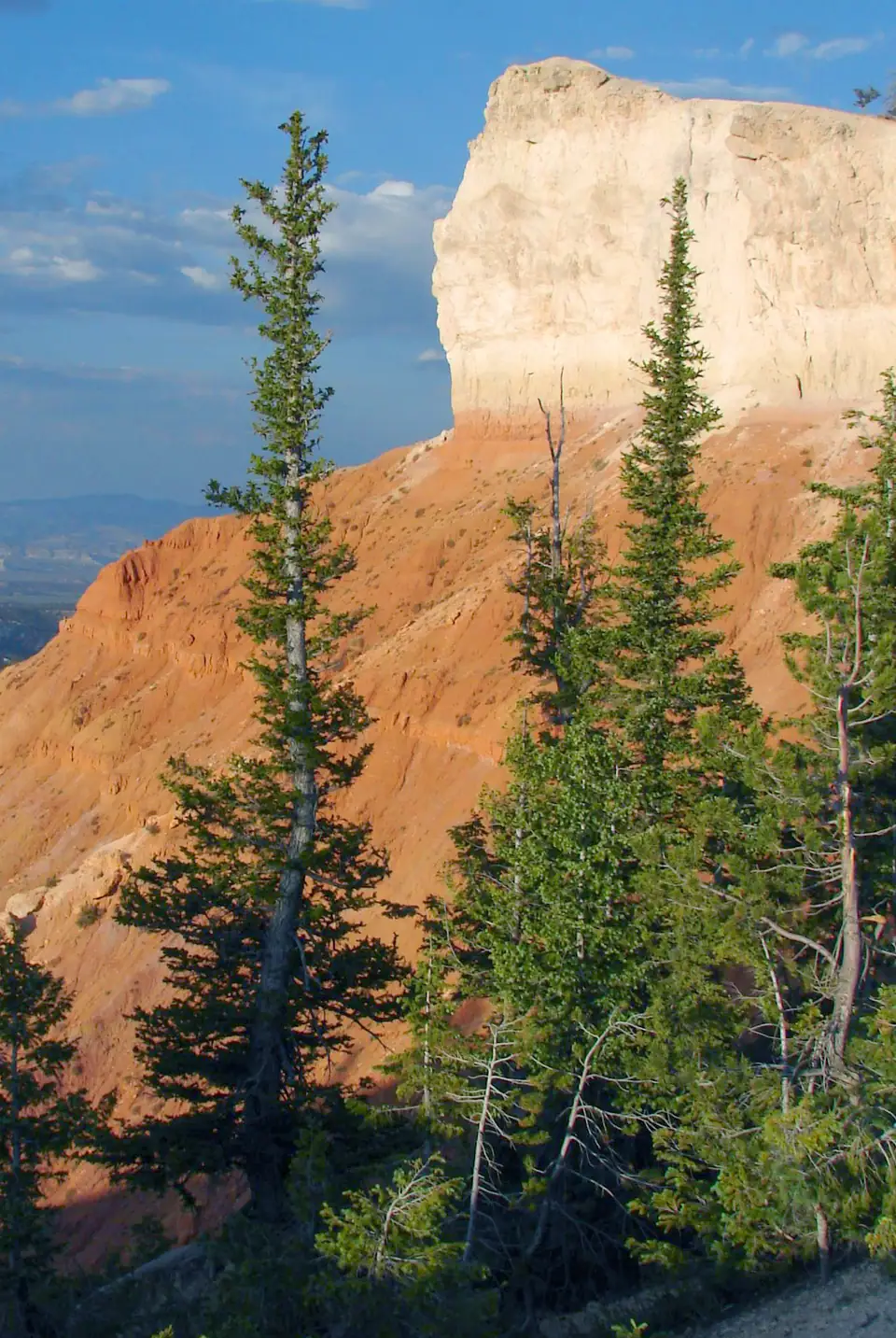
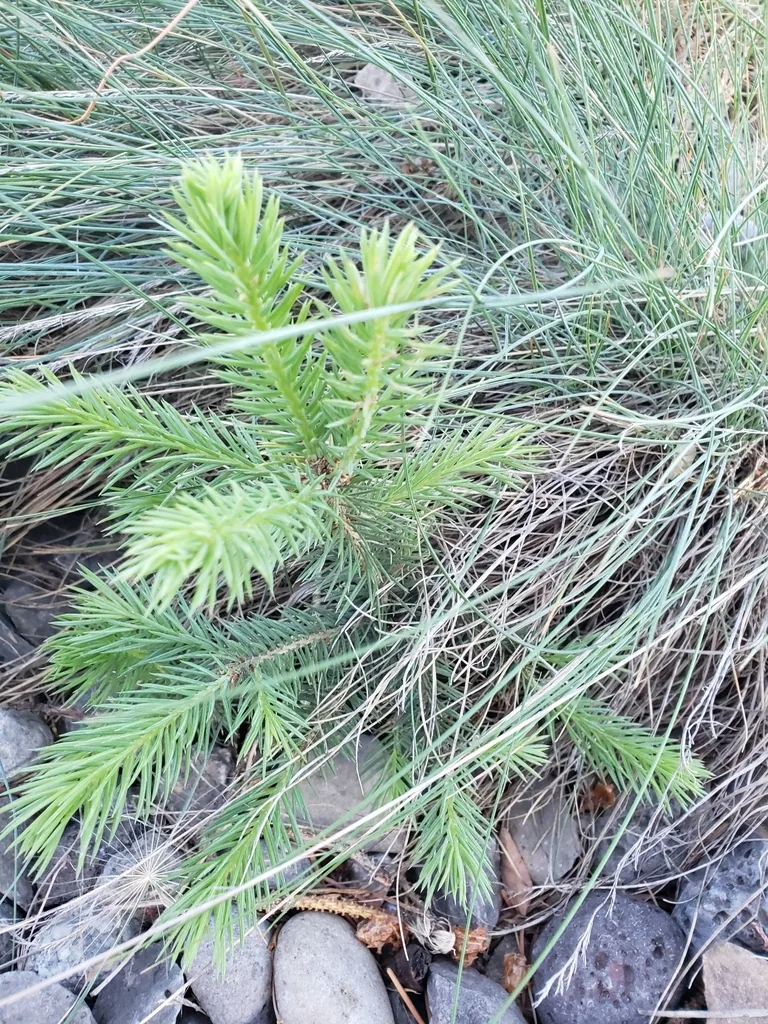
La pícea azul se convierte en un árbol majestuoso de 9 a 18 m de alto y 3 a 6 m de ancho, ideal para un rincón soleado. Mantén húmedos los árboles jóvenes; con los años toleran mejor la sequía y solo necesitan riego en épocas secas. Abónala con moderación, con un abono de liberación lenta, y este precioso árbol premiará tus cuidados.
- Sol
Sol pleno; tolera algo de sombra
Qué dicen las fuentes (2)
Luz: Pleno sol; tolera algo de sombra
This tree can be grown in average, well-drained soils in full sun, although it will tolerate some shade.
— Picea pungens (Blue Spruce, Colorado Spruce) | North Carolina Extension Gardener Plant Toolbox [1] It must be in full sun with a reasonably fertile, well-drained soil.
— Spruce, Blue [5] - Riego
Mantén húmedos los árboles jóvenes; los adultos toleran la sequía, pero riégalos en épocas secas
Qué dicen las fuentes (4)
Riego: Se vuelve más tolerante a la sequía a medida que madura; riega durante los períodos secos.
As this spruce matures, it becomes more drought tolerant and is overall more drought tolerant than other spruces.
— Picea pungens (Blue Spruce, Colorado Spruce) | North Carolina Extension Gardener Plant Toolbox [1] It must be in full sun with a reasonably fertile, well-drained soil. It should be watered during dry spells.
— Spruce, Blue [5] Notas sobre el riego: Mantén los árboles jóvenes constantemente húmedos y no dejes que se sequen; el riego insuficiente crónico empeoró el ataque del escarabajo del abeto (Ips).
Young trees should be kept consistently moist and not allowed to dry out.
— Picea pungens (Blue Spruce, Colorado Spruce) | North Carolina Extension Gardener Plant Toolbox [1] In the recent past many planted trees have died from spruce ips beetle attack, made worse by chronic under-watering.
— Spruce, Blue or Colorado Blue | TreeBrowser | USU [6] - Abonado
Usa abono de liberación lenta o diluido, y no abones después de mediados de junio
Qué dicen las fuentes (10)
Abonos minerales: Fertilizante con un porcentaje de nitrógeno inferior a 10, o diluido (20-20-20 a 2.4 g por litro de agua); como máximo 68.1 g de nitrógeno real para árboles de menos de 15.2 cm [6 in] de diámetro de tronco y 136 g para árboles más grandes, distribuido uniformemente en un círculo de 1.5 veces el ancho de la copa y regado; una pastilla de liberación lenta en el fondo del hoyo de plantación
Picea en general: All fertilizers are salts so a slow release fertilizer would be best
— [8] Picea en general: Use the lowest rate of recommended Nitrogen and never put in the back fill or leaves may burn
— [8] Only use fertilizers with nitrogen designations less than “10” unless diluted with water. For example, 20-20-20 fertilizer diluted to 2 pounds per 100 gallons of water roughly equals “4-4-4.”
— [7] A general fertilizer recommendation for spruces is an application of not more than 0.15 pounds actual nitrogen for trees with diameters less than 6 inches and a maximum of 0.30 pounds for larger diameter trees.
— [7] Apply dry fertilizers with a good watering. Distribute the fertilizer evenly in a circle one and a half times the width of the canopy.
— [7] At the time of planting, a slow release fertilizer pellet (designed for Christmas tree plantations) can be placed into the bottom of the planting hole, slightly deeper than the tree root system.
— [7] Evitar: Abonar después de mediados de junio; fertilizantes sin diluir con un porcentaje de nitrógeno de 10 o más
Picea en general: Never fertilize insect or disease infested or stressed trees
— [8] Picea en general: Use the lowest rate of recommended Nitrogen and never put in the back fill or leaves may burn
— [8] Apply fertilizers in spring after the danger of severe frosts but no later than mid-June.
— [7] Only use fertilizers with nitrogen designations less than “10” unless diluted with water. For example, 20-20-20 fertilizer diluted to 2 pounds per 100 gallons of water roughly equals “4-4-4.”
— [7] - Plagas
Pulgones, cochinillas, orugas y araña roja; los adélgidos dejan agallas marrones en las puntas de las ramas
Qué dicen las fuentes (3)
Plagas: pulgones, cochinillas, gusanos de la yema, gusanos de bolsa, arañitas rojas, adélgido de la agalla de la pícea de Cooley, escarabajo ips del abeto
This plant has no serious pest issues but can be affected by aphids, scale, budworms, and bagworms. New growth and overall health of this tree can be affected by spider mites
— Picea pungens (Blue Spruce, Colorado Spruce) | North Carolina Extension Gardener Plant Toolbox [1] Cooley spruce gall adelgid can cause unsightly brown galls to form on twig tips on blue spruces in the landscape.
— Spruce, Blue or Colorado Blue | TreeBrowser | USU [6] In the recent past many planted trees have died from spruce ips beetle attack, made worse by chronic under-watering.
— Spruce, Blue or Colorado Blue | TreeBrowser | USU [6] - Atención
No tolera el calor ni la humedad ambiental
- Tamaño
De 9 a 18 m de alto y de 3 a 6 m de ancho
Qué dicen las fuentes (4)
Altura adulta: 914.4-1828.8 cm (30 a 60 pies)
It has a slow to medium growth rate, and it grows 30 to 60 feet tall, spreading 10 to 20 feet wide.
— Picea pungens (Blue Spruce, Colorado Spruce) | North Carolina Extension Gardener Plant Toolbox [1] Height: 30 to 60 feet under average landscape conditions
— Colorado Blue Spruce | Natural Resources [2] Anchura adulta: 304.8-609.6 cm (10 a 20 pies)
It has a slow to medium growth rate, and it grows 30 to 60 feet tall, spreading 10 to 20 feet wide.
— Picea pungens (Blue Spruce, Colorado Spruce) | North Carolina Extension Gardener Plant Toolbox [1] Width: 10 to 20 feet under average landscape conditions
— Colorado Blue Spruce | Natural Resources [2] - Multiplicación
Por semilla o por esquejes de raíz
Qué dicen las fuentes (1)
Propagación: Esquejes de raíz, semilla
Life Cycle: Woody Recommended Propagation Strategy: Root Cutting Seed Country Or Region Of Origin:
— Picea pungens (Blue Spruce, Colorado Spruce) | North Carolina Extension Gardener Plant Toolbox [1]
Resumen
El abeto azul es un árbol de hoja perenne con agujas de la familia de los pinos, nativo de las Montañas Rocosas centrales. [1] Crece en suelos promedio, bien drenados, a pleno sol y tolera algo de semisombra. [1] Los árboles jóvenes deben mantenerse constantemente húmedos, y el árbol se vuelve más tolerante a la sequía a medida que madura. [1]
Citado en inglés, como en la fuente.
Esta ficha está incompleta: las fuentes consultadas aún no cubren todos los campos.
Aún no cubierto por nuestras fuentes: Poda
Cuidados
Riego
Riego
Se vuelve más tolerante a la sequía a medida que madura; riega durante los períodos secos.
Qué dicen las fuentes (2)
As this spruce matures, it becomes more drought tolerant and is overall more drought tolerant than other spruces.It must be in full sun with a reasonably fertile,
well-drained soil. It should be watered during dry spells.Notas sobre el riego
Mantén los árboles jóvenes constantemente húmedos y no dejes que se sequen; el riego insuficiente crónico empeoró el ataque del escarabajo del abeto (Ips).
Qué dicen las fuentes (2)
Young trees should be kept consistently moist and not allowed to dry out.In the recent past many planted trees have died from spruce ips beetle attack, made worse by chronic under-watering.Luz
Pleno sol; tolera algo de sombra
Qué dicen las fuentes (2)
This tree can be grown in average, well-drained soils in full sun, although it will tolerate some shade.It must be in full sun with a reasonably fertile,
well-drained soil.Clima y frío
Rusticidad, zona más fría
Las fuentes dan valores distintos según la región, la zona o las condiciones de cultivo.
Lo que dice cada fuente
Según NC State Extension: 2a [mínima invernal de −45,6 a −42,8 °C (de −50 a −45 °F)]
Según Utah State University (forestry): 2 [mínima invernal de −45,6 a −40 °C (de −50 a −40 °F)]
Según Iowa State University: 3 [mínima invernal de −40 a −34,4 °C (de −40 a −30 °F)]
Qué dicen las fuentes (4)
Según NC State Extension: USDA Plant Hardiness Zone:
2a, 2b, 3a, 3b, 4a, 4b, 5a, 5b, 6a, 6b, 7aSegún Utah State University (forestry): This is a very good tree, but it is over-used in many areas. Zones 2-7.Según Iowa State University: Hardiness: Zones 3 through 7
Growth Rate: Slow to Moderate (30-50USDA Plant Hardiness Zone:
2a, 2b, 3a, 3b, 4a, 4b, 5a, 5b, 6a, 6b, 7aRusticidad, zona más cálida
7a [mínima invernal de −17,8 a −15 °C (de 0 a 5 °F)]
Qué dicen las fuentes (1)
USDA Plant Hardiness Zone:
2a, 2b, 3a, 3b, 4a, 4b, 5a, 5b, 6a, 6b, 7aPropagación
Esquejes de raíz, semilla
Qué dicen las fuentes (1)
Life Cycle:
Woody
Recommended Propagation Strategy:
Root Cutting
Seed
Country Or Region Of Origin:Cultivo
La planta
Familia
Pinaceae
Qué dicen las fuentes (1)
Blue spruce is a needled evergreen tree in the pine family (Pinaceae). It is native to the central Rocky Mountains from southern Montana and eastern Idaho south to New Mexico.Altura adulta
914.4-1828.8 cm (30 a 60 pies)
Qué dicen las fuentes (2)
It has a slow to medium growth rate, and it grows 30 to 60 feet tall, spreading 10 to 20 feet wide.Height: 30 to 60 feet under average landscape conditionsAnchura adulta
304.8-609.6 cm (10 a 20 pies)
Qué dicen las fuentes (2)
It has a slow to medium growth rate, and it grows 30 to 60 feet tall, spreading 10 to 20 feet wide.Width: 10 to 20 feet under average landscape conditionsPlagas y enfermedades
Plagas
pulgones, cochinillas, gusanos de la yema, gusanos de bolsa, arañitas rojas, adélgido de la agalla de la pícea de Cooley, escarabajo ips del abeto
Qué dicen las fuentes (3)
This plant has no serious pest issues but can be affected by aphids, scale, budworms, and bagworms. New growth and overall health of this tree can be affected by spider mitesCooley spruce gall adelgid can cause unsightly brown galls to form on twig tips on blue spruces in the landscape.In the recent past many planted trees have died from spruce ips beetle attack, made worse by chronic under-watering.Enfermedades
pérdida estacional de agujas, tizón de la aguja por Rhizosphaera, cancro por Cytospora
Qué dicen las fuentes (1)
Diseases that Can Affect Colorado Blue Spruce - Seasonal Needle Loss - Rhizosphaera Needle Cast - Cytospora CankerAbonado
Cuándo
Las fuentes no coinciden:
Apply fertilizers in spring after the danger of severe frosts but no later than mid-June.
[7]At the time of planting, a slow release fertilizer pellet (designed for Christmas tree plantations) can be placed into the bottom of the planting hole, slightly deeper than the tree root system.
[7]Never fertilize after new leaves have emerged in spring or before hardening in fall
[8]Never fertilize newly planted trees, only established trees
[8]
Frecuencia
Las fuentes dan valores distintos según la región, la zona o las condiciones de cultivo.
Lo que dice cada fuente
Picea en general: Solo cuando un análisis de suelo lo indique; analiza el suelo cada 5 años
Qué dicen las fuentes (1)
Picea en general: Evergreen trees require even less fertilization than deciduous trees- test your soil every 5 years to determine needAbonos minerales
Fertilizante con un porcentaje de nitrógeno inferior a 10, o diluido (20-20-20 a 2.4 g por litro de agua); como máximo 68.1 g de nitrógeno real para árboles de menos de 15.2 cm [6 in] de diámetro de tronco y 136 g para árboles más grandes, distribuido uniformemente en un círculo de 1.5 veces el ancho de la copa y regado; una pastilla de liberación lenta en el fondo del hoyo de plantación
Lo que dice cada fuente
Picea en general: Fertilizante de liberación lenta, ya que todos los fertilizantes son sales
Picea en general: Nitrógeno a la tasa más baja recomendada
Qué dicen las fuentes (6)
Picea en general: All fertilizers are salts so a slow release fertilizer would be bestPicea en general: Use the lowest rate of recommended Nitrogen and never put in the back fill or leaves may burnOnly use fertilizers with nitrogen designations less than “10” unless diluted with water. For example, 20-20-20 fertilizer diluted to 2 pounds per 100 gallons of water roughly equals “4-4-4.”A general fertilizer recommendation for spruces is an application of not more than 0.15 pounds actual nitrogen for trees with diameters less than 6 inches and a maximum of 0.30 pounds for larger diameter trees.Apply dry fertilizers with a good watering. Distribute the fertilizer evenly in a circle one and a half times the width of the canopy.At the time of planting, a slow release fertilizer pellet (designed for Christmas tree plantations) can be placed into the bottom of the planting hole, slightly deeper than the tree root system.Microelementos
Las fuentes dan valores distintos según la región, la zona o las condiciones de cultivo.
Lo que dice cada fuente
Picea en general: Hierro aplicado al suelo o rociado sobre el follaje para la clorosis por hierro en suelos de pH alto, a menudo solo un arreglo temporal
Qué dicen las fuentes (1)
Picea en general: Adding iron to the soil or spraying on the foliage may provide a solution but it may be only temporary.Evitar
Abonar después de mediados de junio; fertilizantes sin diluir con un porcentaje de nitrógeno de 10 o más
Lo que dice cada fuente
Picea en general: Fertilizar árboles estresados o infestados por insectos o enfermedades
Picea en general: Fertilizante en el suelo de relleno, que puede quemar las agujas
Qué dicen las fuentes (4)
Picea en general: Never fertilize insect or disease infested or stressed treesPicea en general: Use the lowest rate of recommended Nitrogen and never put in the back fill or leaves may burnApply fertilizers in spring after the danger of severe frosts but no later than mid-June.Only use fertilizers with nitrogen designations less than “10” unless diluted with water. For example, 20-20-20 fertilizer diluted to 2 pounds per 100 gallons of water roughly equals “4-4-4.”Signos de carencia
Agujas inusualmente cortas, follaje verde claro, ramitas muertas en las puntas de las ramas y crecimiento deficiente; otras causas pueden imitar estos síntomas, así que confirma con un análisis del suelo
Lo que dice cada fuente
Picea en general: Agujas cloróticas por deficiencia de hierro en suelos de pH alto
Qué dicen las fuentes (2)
Picea en general: Sometimes with a high pH such as yours, iron gets tied up in the soil and cant be taken up by plants. This makes the leaves (needles in this case) chlorotic.Unusually stunted needles, light green foliage, dead twigs on the ends of branches, and poor growth may indicate the need for fertilizer. However, other causes can mimic these same symptoms. A soil test can help detect nutrient problems.Signos de exceso
Las fuentes dan valores distintos según la región, la zona o las condiciones de cultivo.
Lo que dice cada fuente
Picea en general: Crecimiento superior a expensas del crecimiento de las raíces
Qué dicen las fuentes (1)
Picea en general: Fertilizing results in top growth at the expense of root growthProblemas
Pulgones, cochinillas, orugas de las yemas y orugas de bolsa
Qué dicen las fuentes (1)
This plant has no serious pest issues but can be affected by aphids, scale, budworms, and bagworms.
— Picea pungens (Blue Spruce, Colorado Spruce) | North Carolina Extension Gardener Plant Toolbox [1] Arañitas rojas
Síntoma: El crecimiento nuevo y la salud general del árbol pueden verse afectados
Qué dicen las fuentes (1)
New growth and overall health of this tree can be affected by spider mites
— Picea pungens (Blue Spruce, Colorado Spruce) | North Carolina Extension Gardener Plant Toolbox [1] Adelgido de agallas del abeto de Cooley
Síntoma: Agallas marrones antiestéticas en las puntas de las ramas
Qué dicen las fuentes (1)
Cooley spruce gall adelgid can cause unsightly brown galls to form on twig tips on blue spruces in the landscape.
— Blue Spruce | Forestry | Extension | USU [3] Calor y humedad
Síntoma: No tolera el calor y la humedad
Qué dicen las fuentes (1)
This spruce does best in cooler climates and cannot tolerate heat and humidity.
— Picea pungens (Blue Spruce, Colorado Spruce) | North Carolina Extension Gardener Plant Toolbox [1]
Remedios
Cada remedio indica qué dicen las fuentes oficiales; los remedios tradicionales sin fuente oficial aparecen marcados. Los perjudiciales están para que sepas evitarlos.
Cuidar la planta
pulgones
spray de aceite de neem Funciona en parte
If you see any of these common pests on your blue spruce, try spraying first with Neem oil, but never spray actively growing trees, as this causes new growth to burn.
— homeguides.sfgate.com [9] Cómo: Prueba primero rociando con aceite de neem sobre pulgones, adélgidos de las agallas o arañitas rojas del abeto, pero nunca rocíes árboles en crecimiento activo.
If you see any of these common pests on your blue spruce, try spraying first with Neem oil, but never spray actively growing trees, as this causes new growth to burn.
— homeguides.sfgate.com [9] Qué dicen las pruebas However, neem oil is not effective against every insect and disease, and often must be frequently reapplied to reach the desired outcome.
— extension.unh.edu [10]
tizno de agujas por Rhizosphaera
Rastrilla y desecha las agujas infectadas. Funciona
Cómo: Rastrilla y desecha las agujas infectadas que portan el patógeno de la enfermedad.
Control recommendations for Rhizosphaera include raking and disposing of infected needles that carry the disease pathogen.
— extension.illinois.edu [11] Qué dicen las pruebas Control recommendations for Rhizosphaera include raking and disposing of infected needles that carry the disease pathogen.
— extension.illinois.edu [11]
cancro por cytospora
Poda y destruye las ramas muertas en clima seco. Fuente oficial, sin prueba independiente
Cómo: Poda y destruye las ramas muertas y moribundas durante el clima seco.
Control recommendations for Cytospora canker include pruning and destroying dead and dying limbs during dry weather.
— extension.illinois.edu [11]
Calendario
Poda
No figura en las fuentes consultadas.
Meses tal como los dan las fuentes, en su mayoría de Estados Unidos (hemisferio norte). En el hemisferio sur se desplazan unos seis meses.
Valores orientativos
Valores de una fuente secundaria, no comprobados palabra por palabra como el resto de esta página. Úselos como punto de partida.
- Ciclo de vida
- PerenneValor orientativo, adáptalo a tu clima · Fuente secundaria
- Resiste la sequía
- SíValor orientativo, adáptalo a tu clima · Fuente secundaria
- pH del suelo
- 5.5-7Valor orientativo, adáptalo a tu clima · Fuente secundaria
- Nivel de cuidado
- MedioValor orientativo, adáptalo a tu clima · Fuente secundaria
- Crecimiento
- AltaValor orientativo, adáptalo a tu clima · Fuente secundaria
- Poda
- FebreroValor orientativo, adáptalo a tu clima · Fuente secundaria
Plantas similares
- Abeto negro Picea mariana
- Pícea de dragón Picea asperata
- Pícea de Afganistán Picea smithiana
- Pícea común Picea abies
- Pícea de Asia Menor Picea orientalis
- Serbian Spruce Picea omorika
- Pícea de Sitka Picea sitchensis
- White Spruce Picea laxa
Fuentes
Cada valor anterior se cita de estos documentos. Los enlaces llevan al editor original.
- Picea pungens (Blue Spruce, Colorado Spruce) | North Carolina Extension Gardener Plant Toolbox · plants.ces.ncsu.edu, consultado
- Colorado Blue Spruce | Natural Resources · naturalresources.extension.iastate.edu, consultado
- Blue Spruce | Forestry | Extension | USU · extension.usu.edu, consultado
- Ask Extension - Mature Height of Blue Spruce (Tree Planting) · web.extension.illinois.edu, consultado
- Spruce, Blue · uaex.uada.edu, consultado
- Spruce, Blue or Colorado Blue | TreeBrowser | USU · extension.usu.edu, consultado
- montana.edu · montana.edu
- ask.extension.org · ask.extension.org
- homeguides.sfgate.com · homeguides.sfgate.com
- extension.unh.edu · extension.unh.edu
- extension.illinois.edu · extension.illinois.edu
Escrito por Emilio Marruso · última revisión