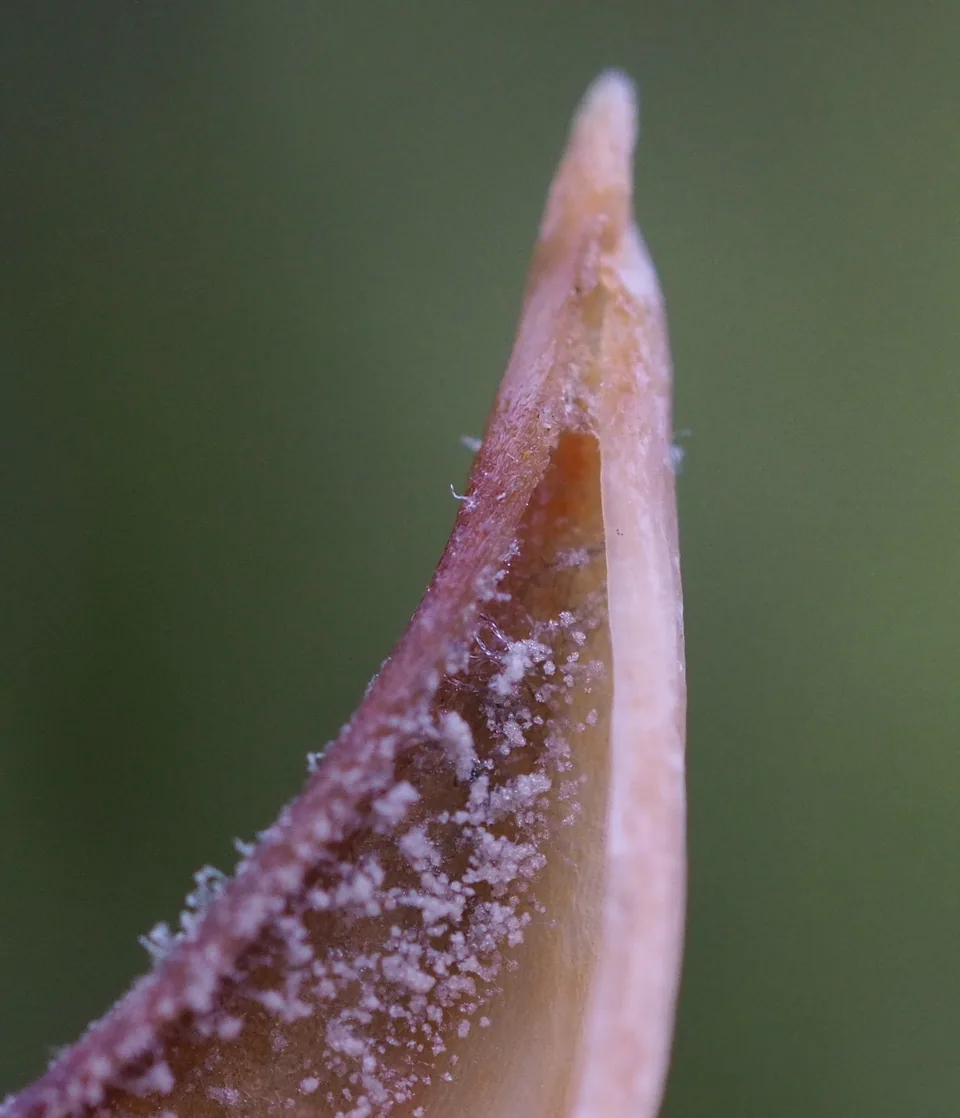
Fungus
Tulip fire
Botrytis tulipae
Written by Emilio Marruso
Classification: Ascomycota › Pezizomycotina › Leotiomycetes › Helotiales › Sclerotiniaceae › Botrytis
Plants it attacks
Plants in our guide where this problem is reported. Open a plant to see the sources.
Plants it attacks: Fosteriana Tulips, Kaufmanniana Tulips, Lady Tulip, Tulipa greigii
Remedies
What our plant sheets report, with the outcome checked against official sources. Traditional remedies without an official source are flagged.
Treat
discarding diseased bulbs at planting Works
How: At fall planting time, examine all bulbs and discard diseased ones.
Reported for 1 plant: Lady Tulip
diseased plant parts removed Works
How: Remove diseased plant parts as soon as symptoms are noticed, working in dry conditions.
Reported for 1 plant: Kaufmanniana Tulips
not replanting tulips in affected site for three years Works
How: Do not plant tulips for at least three years in a site where the disease has occurred; do not save bulbs from an infected crop.
Reported for 1 plant: Lady Tulip
remove infected leaves and flowers Works
How: In small plantings remove infected leaves and flowers as they show up and any bulbs that become infected; plant only bulbs with no sign of decay.
Reported for 1 plant: Tulipa greigii
removing diseased fireheads and plants Works
How: Remove diseased fireheads as they emerge from the soil; continue to remove diseased plants and adjacent soil as soon as the disease is noticed.
Reported for 1 plant: Lady Tulip
removing blighted plant parts Official source, not independently tested
How: Remove blighted plant parts from the garden and space plants so they dry quickly after rain or irrigation.
Reported for 1 plant: Fosteriana Tulips
Where it is found
Regulated as a quarantine pest in: Brazil.