
How to Grow and Care for Madonna lily
Lilium candidum
Written by Emilio Marruso · last checked
Toxic to: Cats · Why
At a glance
Madonna lily brings tall stems, 2 to 5 feet high, to any sunny spot with six or more hours of direct sun a day. Plant it in August or early September, water well afterward to help the roots grow, and feed it through the growing season. Before planting, work aged compost or manure into the soil for a strong start.
- Sun
Full sun: six or more hours of direct sun a day
What the sources say (1)
Light: Sunny location with six or more hours of direct sun each day
Choose a sunny location that receives six or more hours of direct sun each day.
— Madonna Lily: Beauty through the Ages // Missouri Environment and Garden News Article // Integrated Pest Management, University of Missouri [2] - Water
Water well after planting to help the roots grow
What the sources say (1)
Watering notes: Water well after planting to encourage root development
Water well after planting to encourage root development and subsequent rosette formation.
— Madonna Lily: Beauty through the Ages // Missouri Environment and Garden News Article // Integrated Pest Management, University of Missouri [2] - Cold
Survives winters down to −20 °F (−28.9 °C)
Very hardy · USDA 5 · RHS H7 · Z5
What the sources say (1)
Hardiness, coldest zone: 5 [winter low −28.9 to −23.3 °C (−20 to −10 °F)]
this lily is rated hardy to Zone 5.
— Can i grow Lilium candidum in minnesota - Ask Extension [3] - Planting
Plant in August or early September
What the sources say (1)
Planting: August or early September
Madonna lily should be planted in August or early September.
— Madonna Lily: Beauty through the Ages // Missouri Environment and Garden News Article // Integrated Pest Management, University of Missouri [2] - Feeding
Liquid feed every 2–3 weeks while growing; stop 6 weeks after blooming ends
What the sources say (5)
How often: One slow-release application, or water-soluble fertilizer every 2 to 3 weeks through the growing season
in containers: A potassium-rich liquid feed to encourage flowering and fruiting in various plants, not just tomatoes. Take care to follow the instructions on the packet. ) every two weeks during the growing season
— How to grow lilies | RHS Growing Guide [1] One application of a slow-release fertilizer is typically sufficient. Water-soluble fertilizers can also be applied regularly through the growing season (every 2 to 3 weeks).
— [4] Natural fertilizers: Aged compost or manure, 10.2 cm [4 in] worked in several weeks before planting; well-rotted garden compost or leafmould as a 7.5–10 cm [3–3.9 in] mulch in spring
Incorporating about four inches of aged compost or manure several weeks before plant helps tight soils to drain better.
— Madonna Lily: Beauty through the Ages // Missouri Environment and Garden News Article // Integrated Pest Management, University of Missouri [2] borders and woodland areas with a 7.5–10cm layer of well-rotted garden compost or leafmould in spring. This will improve the soil and help retain moisture.
— How to grow lilies | RHS Growing Guide [1] Avoid: Fertilizing later than six weeks after blooming ends, so the plant can move into dormancy
Stop fertilizing about six weeks after blooming ends to allow plants to transition toward dormancy.
— [4] - Pests
Watch for mosaic viruses, gray mold and root rot; virus diseases are very hard to cure
What the sources say (1)
Diseases: lily mosaic, cucumber mosaic, botrytis, root rots
Lilies of all types, and Madonna lily in particular, are susceptible to root rots.
— Madonna Lily: Beauty through the Ages // Missouri Environment and Garden News Article // Integrated Pest Management, University of Missouri [2] - Size
2 to 5 ft tall
What the sources say (1)
Mature height: 60.96-152.4 cm (24-60 in)
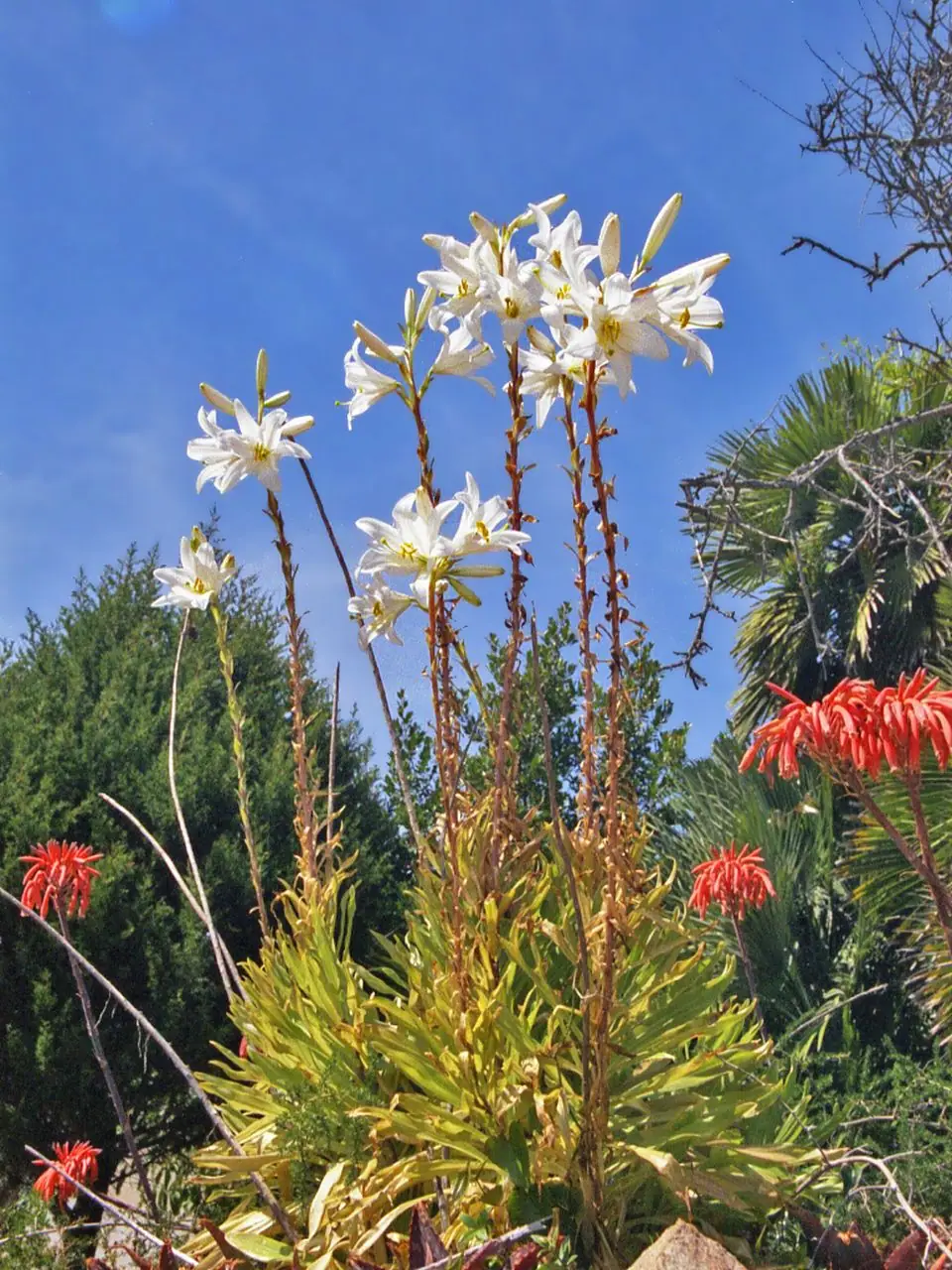
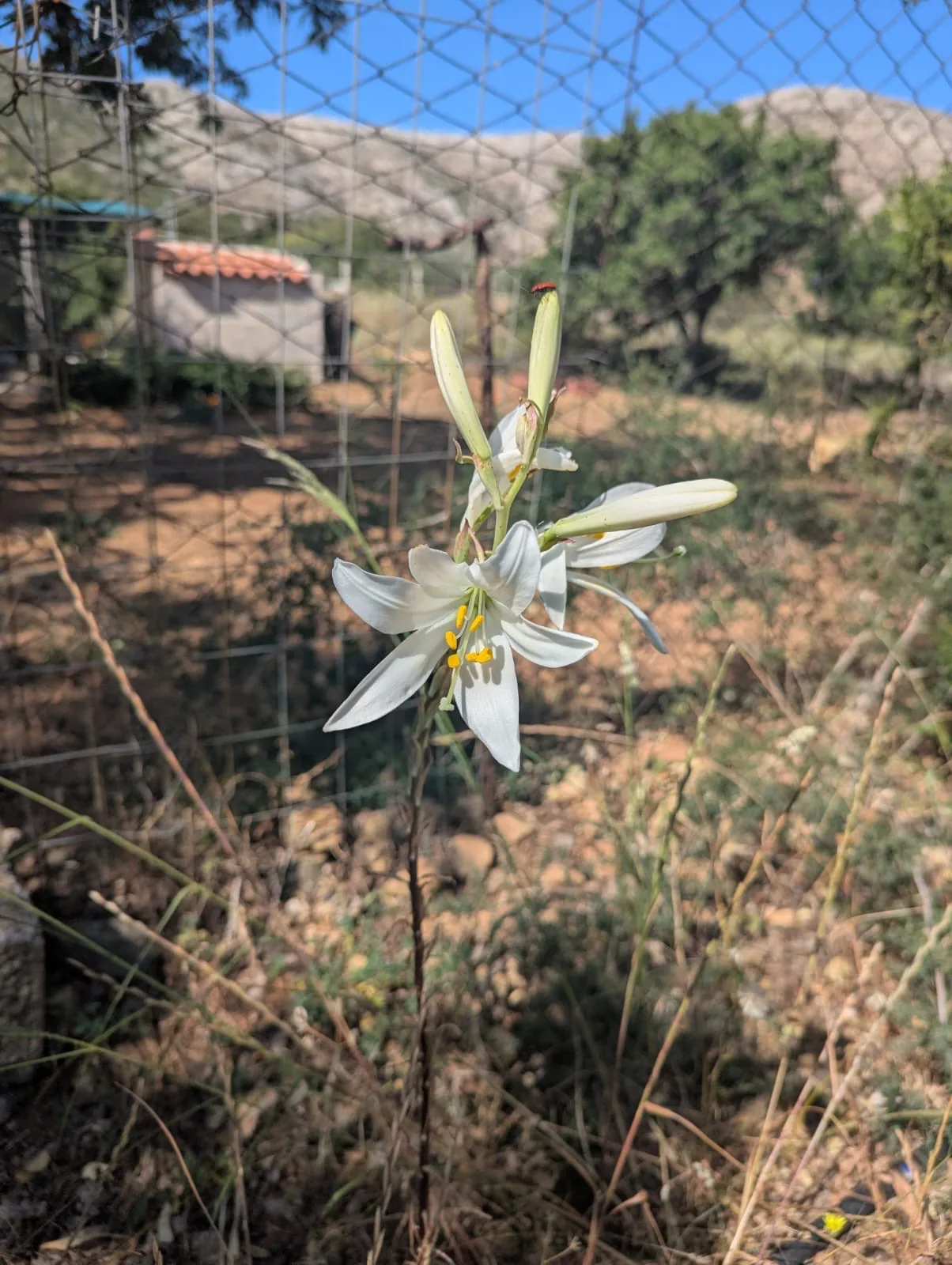
Late in the following spring, a single flower stalk (spike) 24 to 60 inches in height emerges from this rosette of leaves. Spikes may hold from three to twelve elegant, pure-white flowers
— Madonna Lily: Beauty through the Ages // Missouri Environment and Garden News Article // Integrated Pest Management, University of Missouri [2] - Propagation
Grows from seed, which normally doesn't carry viruses
What the sources say (1)
Propagation: Seed
some gardeners (with appropriate patience) opt to start this plant from seeds
— Madonna Lily: Beauty through the Ages // Missouri Environment and Garden News Article // Integrated Pest Management, University of Missouri [2] - Safety
Very toxic to cats: keep it away from them
Overview
Madonna lily needs a sunny site and must be planted with no more than one inch [2.5 cm] of soil over the bulb. [2] It is very toxic to cats. [2]
This record is incomplete: the sources we read do not cover every field yet.
Not yet covered by our sources: Watering, Hardiness, warmest zone, Pruning
Madonna lily care
Measurements in square brackets are our conversion into the other unit system; the quoted text is unchanged.
How to water Madonna lily
Watering
Not stated in the sources we read.
Watering notes
Water well after planting to encourage root development
What the sources say (1)
Water well after planting to encourage root development and subsequent rosette formation.How much light Madonna lily needs
Sunny location with six or more hours of direct sun each day
What the sources say (1)
Choose a sunny location that receives six or more hours of direct sun each day.How much cold Madonna lily can take
Hardiness, coldest zone
5 [winter low −28.9 to −23.3 °C (−20 to −10 °F)]
What the sources say (1)
this lily is rated hardy to Zone 5.Hardiness, warmest zone
Not stated in the sources we read.
How to propagate Madonna lily
Seed
What the sources say (1)
some gardeners (with appropriate patience) opt to start this plant from seedsHow to grow Madonna lily
The plant
Family
Liliaceae
What the sources say (1)
As its scientific name suggests, Madonna lily is a member of the Liliaceae plant family and thought to be native to the Balkins and Middle East.Mature height
60.96-152.4 cm (24-60 in)
What the sources say (1)
Late in the following spring, a single flower stalk (spike) 24 to 60 inches in height emerges from this rosette of leaves. Spikes may hold from three to twelve elegant, pure-white flowersPests and diseases
Diseases
lily mosaic, cucumber mosaic, botrytis, root rots
What the sources say (1)
Lilies of all types, and Madonna lily in particular, are susceptible to root rots.Fertilizing
When
The sources give different values depending on region, zone or growing conditions.
What each source says
in containers: Through the growing season until the stems die down naturally
lilies in general: In spring as the foliage emerges; stop six weeks after blooming ends
What the sources say (2)
in containers: Continue to water and feed lilies in pots until the stems die down naturally; this will help to ensure good flowering next year.lilies in general: Fertilize lilies with an all-purpose fertilizer or one with high phosphorus levels (the second number in the fertilizer analysis) in spring as the foliage emerges.How often
One slow-release application, or water-soluble fertilizer every 2 to 3 weeks through the growing season
What each source says
in containers: Every two weeks during the growing season
What the sources say (2)
in containers: A potassium-rich liquid feed to encourage flowering and fruiting in various plants, not just tomatoes. Take care to follow the instructions on the packet.
) every two weeks during the growing seasonOne application of a slow-release fertilizer is typically sufficient. Water-soluble fertilizers can also be applied regularly through the growing season (every 2 to 3 weeks).Natural fertilizers
Aged compost or manure, 10.2 cm [4 in] worked in several weeks before planting; well-rotted garden compost or leafmould as a 7.5–10 cm [3–3.9 in] mulch in spring
What the sources say (2)
Incorporating about four inches of aged compost or manure several weeks before plant helps tight soils to drain better.borders and woodland areas with a 7.5–10cm layer of well-rotted garden compost or leafmould in spring. This will improve the soil and help retain moisture.Mineral fertilizers
All-purpose or high-phosphorus fertilizer, slow-release or water-soluble
What each source says
in containers: Liquid high-potassium fertilizer
What the sources say (3)
in containers: For good flowering in future years, feed plants in containers with liquid, high-potassium fertiliser (such as tomato feedFertilize lilies with an all-purpose fertilizer or one with high phosphorus levels (the second number in the fertilizer analysis) in spring as the foliage emerges.One application of a slow-release fertilizer is typically sufficient. Water-soluble fertilizers can also be applied regularly through the growing season (every 2 to 3 weeks).Avoid
Fertilizing later than six weeks after blooming ends, so the plant can move into dormancy
What the sources say (1)
Stop fertilizing about six weeks after blooming ends to allow plants to transition toward dormancy.Madonna lily pests and problems
Virus diseases
Symptom: Chlorotic mottling of the leaves, weak growth and eventual death
What to do: Control is very difficult; starting from seed is an option since seed normally does not carry viruses
What the sources say (1)
Virus symptoms are not always clearly visible, but most often appear as chlorotic mottling of the leaves along with weak growth and eventual death of the plant.
— Madonna Lily: Beauty through the Ages // Missouri Environment and Garden News Article // Integrated Pest Management, University of Missouri [2] Botrytis
Symptom: Fungal disease favoured by moderate temperatures and high humidity
What to do: Fungicides labeled for botrytis control on ornamentals; sulfur dust on bulbs before planting
What the sources say (1)
Madonna lily also is quite susceptible to botrytis, a fungal disease that favors moderate temperatures along with high relative humidity.
— Madonna Lily: Beauty through the Ages // Missouri Environment and Garden News Article // Integrated Pest Management, University of Missouri [2]
Remedies
Each remedy shows what official sources say about it; traditional remedies without an official source are marked as such. Harmful ones are listed so you know to avoid them.
Treating the plant
botrytis
sulfur dust on bulbs before planting Partly works
How: Dust the bulbs with sulfur before planting.
Additionally, a sulfur dust on bulbs before planting may help to prevent infection from any surface wounds that might have occurred during handling.
— Madonna Lily: Beauty through the Ages // Missouri Environment and Garden News Article // Integrated Pest Management, University of Missouri [2] What the evidence says Additionally, a sulfur dust on bulbs before planting may help to prevent infection from any surface wounds that might have occurred during handling.
— Madonna Lily: Beauty through the Ages // Missouri Environment and Garden News Article // Integrated Pest Management, University of Missouri [2]
root rot
aged compost and raised beds for drainage Official source, not independently tested
How: Incorporate aged compost or manure several weeks before planting; consider raised beds where drainage is a problem.
Incorporating about four inches of aged compost or manure several weeks before plant helps tight soils to drain better. Raised beds can be considered in areas where drainage is a problem even after incorporating organic matter.
— Madonna Lily: Beauty through the Ages // Missouri Environment and Garden News Article // Integrated Pest Management, University of Missouri [2]
virus diseases
starting plants from seed Official source, not independently tested
How: Start the plant from seed, since seed normally does not contain viruses.
although some gardeners (with appropriate patience) opt to start this plant from seeds, since the latter normally do not contain viruses.
— Madonna Lily: Beauty through the Ages // Missouri Environment and Garden News Article // Integrated Pest Management, University of Missouri [2]
Is Madonna lily toxic to pets?
Reported by the source, quoted verbatim. This is not medical or veterinary advice: if a person or an animal may have eaten this plant, contact a poison control centre or a veterinarian.
Calendar
August or early September
What the sources say (1)
Madonna lily should be planted in August or early September.Not stated in the sources we read.
Months as given by the sources, which are mostly from the United States (northern hemisphere). In the southern hemisphere they shift by about six months.
Similar plants
- Carolina Lily Lilium michauxii
- Easter Lily Lilium longiflorum
- Formosan Lily Lilium formosanum
- Gray's Lily Lilium grayi
- Pine Lily Lilium catesbaei
- Regal Lily Lilium regale
- Tiger Lily Lilium lancifolium
- Turk's-cap Lily Lilium superbum
Sources
Every value above is quoted from these documents. Links lead to the original publisher.
- How to grow lilies | RHS Growing Guide · rhs.org.uk, consulted
- Madonna Lily: Beauty through the Ages // Missouri Environment and Garden News Article // Integrated Pest Management, University of Missouri · ipm.missouri.edu, consulted
- Can i grow Lilium candidum in minnesota - Ask Extension · ask.extension.org, consulted
- yardandgarden.extension.iastate.edu · yardandgarden.extension.iastate.edu
Written by Emilio Marruso · last checked