
How to Grow and Care for Post Oak
Quercus garryana
Written by Emilio Marruso · last checked
Toxic to: Cattle · Why
At a glance
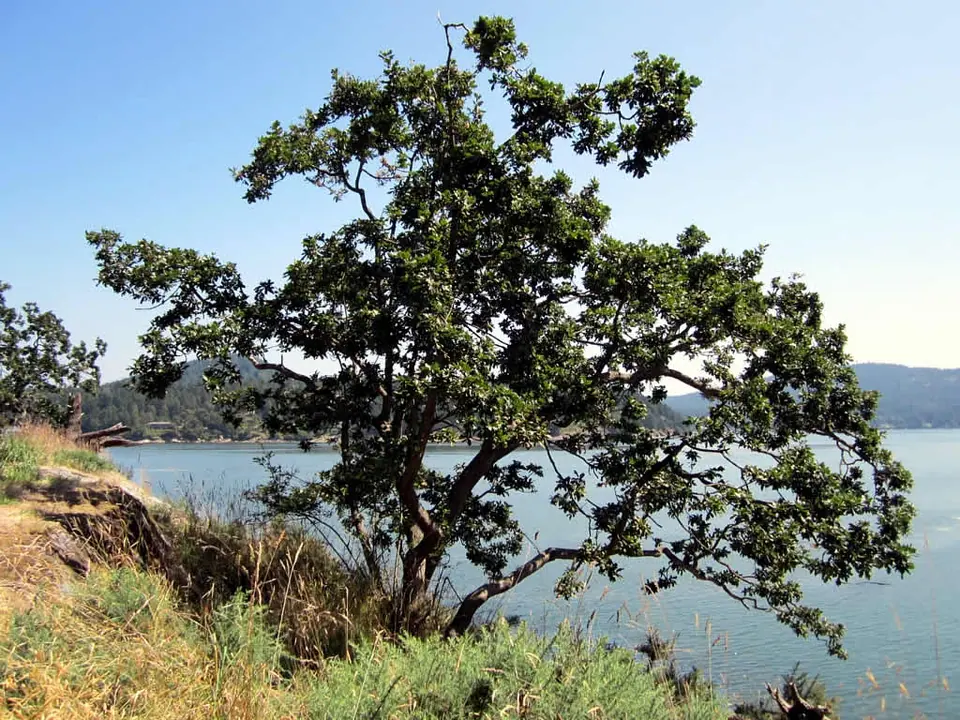
This oak is a tough, generous tree: give it full sun and it shrugs off drought and even long seasonal flooding. Water it every 2–3 weeks during its first growing season, and it can grow 30 to 100 feet tall. From August to November it drops acorns, which can be eaten when they are prepared correctly.
- Sun
Full sun
- Water
Handles drought and flooding; water every 2–3 weeks in its first growing season
What the sources say (2)
Watering: Drought tolerant; also tolerates prolonged seasonal flooding
is a drought tolerant tree that can also tolerate prolonged seasonal flooding.
— Oregon White Oak • East Multnomah Soil and Water Conservation District [4] Watering notes: Water every 2-3 weeks during the first growing season
weeks during the first growing season and weeding young plants until they are
— Plant Data Sheet [5] - Planting
Plant in early November, mid-January or early March; potted seedlings in spring
What the sources say (3)
Planting: Early November, mid-January or early March (seedlings planted in September mostly died)
According to USDA Forest Service FEIS: seedlings transplanted in September died, but most planted in early November, mid-January, and early March
— Quercus garryana [2] According to University of Washington plant data sheet: the beginning of winter or container grown seedlings planted in spring (after
— Plant Data Sheet [5] seedlings transplanted in September died, but most planted in early November, mid-January, and early March
— Quercus garryana [2] - Harvest
Acorns from August to November; edible only when prepared correctly
What the sources say (1)
Harvest: Acorns: August-November
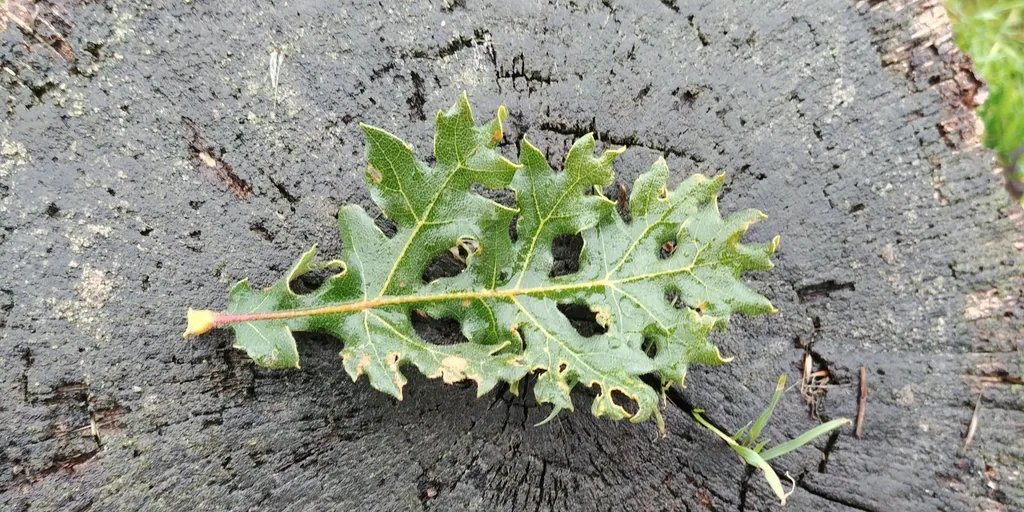
Leaves out March-June, acorns August-November
— Oregon White Oak | Quercus garryana - Benton Soil And Water Conservation District [3] - Size
30 to 100 ft tall as a tree; up to 20 ft as a shrub
What the sources say (1)
Mature height: 800-3000 cm (30 to 100 feet) as a single-trunk tree; up to 500 cm (20 feet) as a multi-stemmed shrub form
Oregon white oak may be 30 to 100 feet (8-30 m) tall with a solitary trunk or up to 20 feet (5 m) tall with many trunks
— Quercus garryana [2] - Propagation
From seed, sown in the ground or in pots
What the sources say (1)
Propagation: Seed (direct seeding or container production)
beginning of winter or container production by seed are
— Plant Data Sheet [5] - Sowing
Sow directly in the ground at the start of winter
What the sources say (1)
Sowing: Beginning of winter (direct seeding)
beginning of winter or container production by seed are
— Plant Data Sheet [5] - Safety
It has made cattle sick: keep grazing animals away
Overview
Oregon white oak is a slow-growing, drought-tolerant native oak that is also used as a landscape plant in the Pacific Northwest. [4][2] It is listed as a full-sun tree, grown from acorns sown at the start of winter or from container seedlings. [3][5]
This record is incomplete: the sources we read do not cover every field yet.
Not yet covered by our sources: Hardiness, coldest zone, Hardiness, warmest zone, Pruning
Post Oak care
How to water Post Oak
Watering
Drought tolerant; also tolerates prolonged seasonal flooding
What the sources say (1)
is a drought tolerant tree that can also tolerate prolonged seasonal flooding.Watering notes
Water every 2-3 weeks during the first growing season
What the sources say (1)
weeks during the first growing season and weeding young plants until they areHow much light Post Oak needs
How much cold Post Oak can take
Hardiness, coldest zone
Not stated in the sources we read.
Hardiness, warmest zone
Not stated in the sources we read.
How to propagate Post Oak
Seed (direct seeding or container production)
What the sources say (1)
beginning of winter or container production by seed areHow to grow Post Oak
The plant
Family
Fagaceae
What the sources say (1)
The scientific name of Oregon white oak is Quercus garryana Dougl. (Fagaceae)Mature height
800-3000 cm (30 to 100 feet) as a single-trunk tree; up to 500 cm (20 feet) as a multi-stemmed shrub form
What the sources say (1)
Oregon white oak may be 30 to 100 feet (8-30 m) tall with a solitary trunk or up to 20 feet (5 m) tall with many trunksRemedies
Each remedy shows what official sources say about it; traditional remedies without an official source are marked as such. Harmful ones are listed so you know to avoid them.
Treating the plant
oak twig gall wasp branch flagging
removing dead branches Official source, not independently tested
How: Branch flagging from oak twig gall wasp galls is cosmetic; dead branches can be removed by an arborist if desired.
branch flagging is an eye sore (not a sign of mortality) that can be dealt with by calling an arborist to remove dead branches if desired.
— blogs.oregonstate.edu [8]
Is Post Oak toxic to pets?
Reported by the source, quoted verbatim. This is not medical or veterinary advice: if a person or an animal may have eaten this plant, contact a poison control centre or a veterinarian.
Calendar
Beginning of winter (direct seeding)
What the sources say (1)
beginning of winter or container production by seed areEarly November, mid-January or early March (seedlings planted in September mostly died)
What each source says
According to USDA Forest Service FEIS: Early November, mid-January or early March
According to University of Washington plant data sheet: Spring (container-grown seedlings, after the first leaves open and become firm)
What the sources say (3)
According to USDA Forest Service FEIS: seedlings transplanted in September died, but most planted in early November, mid-January, and early MarchAccording to University of Washington plant data sheet: the beginning of winter or container grown seedlings planted in spring (afterseedlings transplanted in September died, but most planted in early November, mid-January, and early MarchAcorns: August-November
What the sources say (1)
Leaves out March-June, acorns August-NovemberNot stated in the sources we read.
Months as given by the sources, which are mostly from the United States (northern hemisphere). In the southern hemisphere they shift by about six months.
Edibility
Reported by the source, quoted verbatim. Do not eat a plant on the basis of this page alone: identification mistakes can be dangerous.
Indicative values
Values from a secondary source, not checked word for word like the rest of this page. Use them as a starting point.
- Life cycle
- PerennialIndicative value, adapt it to your climate · Secondary source
- Hours of sun
- 6-8 hoursIndicative value, adapt it to your climate · Secondary source
- Drought tolerant
- yesIndicative value, adapt it to your climate · Secondary source
- Soil
- Rocky, gravelly, dryIndicative value, adapt it to your climate · Secondary source
- Soil pH
- 6-7.5Indicative value, adapt it to your climate · Secondary source
- Care level
- HighIndicative value, adapt it to your climate · Secondary source
- Growth rate
- LowIndicative value, adapt it to your climate · Secondary source
- Pruning
- February, March, April, February, March, AprilIndicative value, adapt it to your climate · Secondary source
- Pests
- Anthracnose, Galls, Heart rot, Leaf miner insect, Mold, Root rot, Rust, Scale insects, Stem borer insects, Wilt, Drought resistantIndicative value, adapt it to your climate · Secondary source
Similar plants
- Black Oak Quercus velutina
- Blackjack Oak Quercus marilandica
- Bluejack Oak Quercus incana
- Bluff Oak Quercus austrina
- Bur Oak Quercus macrocarpa
- Canyon Live Oak Quercus chrysolepis
- Cherrybark Oak Quercus pagoda
- Chestnut Oak Quercus montana
Sources
Every value above is quoted from these documents. Links lead to the original publisher.
- Oregon white oak, Quercus garryana | OSU Extension Service · extension.oregonstate.edu, consulted
- Quercus garryana · fs.usda.gov, consulted
- Oregon White Oak | Quercus garryana - Benton Soil And Water Conservation District · bentonswcd.specialdistrict.org, consulted
- Oregon White Oak • East Multnomah Soil and Water Conservation District · emswcd.org, consulted
- Plant Data Sheet · depts.washington.edu, consulted
- Virginia Tech Dendrology Fact Sheet · dendro.cnre.vt.edu, consulted
- Quercus garryana - Trees and Shrubs Online · treesandshrubsonline.org, consulted
- blogs.oregonstate.edu · blogs.oregonstate.edu
Written by Emilio Marruso · last checked