How to Grow and Care for Rhodora
Rhododendron canadense
Written by Emilio Marruso · last checked
Toxic to: People · Why
At a glance
This rhododendron is a perennial that loves wet feet: give it a moist spot, even a boggy or poorly drained corner of the garden. It is happy in sun or part shade and thrives in acidic soil, pH 4.5–6. Grow it from seed and enjoy a plant made for the damp places in your garden.
- Sun
Sun to part shade
- Water
Needs lots of water; loves moist spots, even boggy, poorly drained ones
What the sources say (4)
Watering: High water use; prefers a moist position
Water Use: High
— Lady Bird Johnson Wildflower Center - The University of Texas at Austin [2] Often growing in swamps in the wild, it loves a moist position under cultivation.
— Rhododendron canadense - Trees and Shrubs Online [5] Easy to grow; prefers damp conditions but likes some sun.
— Rhododendrons Plant Directory [3] Watering notes: Prefers bogs and poorly drained soils
Prefers bogs and poorly drained soils.
— Rhodora - Cooperative Extension: Maine Wild Blueberries - University of Maine Cooperative Extension [1] - Soil
Acidic soil, pH 4.5–6
- Propagation
Grows from seed
What the sources say (1)
Propagation: Seed
Increased by seed.
— Rhododendron canadense - Trees and Shrubs Online [5] - Safety
Poisonous: never eat it, and keep pets and other animals away from it
Overview
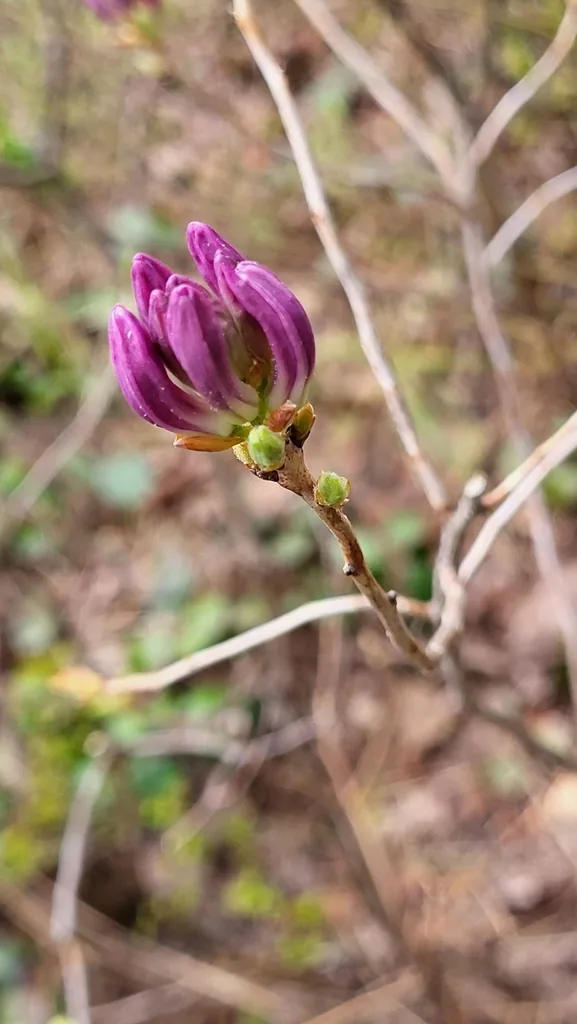
Rhodora is a small deciduous shrub of eastern North America with rose-purple flowers that open before or with the leaves. [2] It grows in cold, wet, acid or peaty soil and prefers damp conditions with some sun. [2][3]
This record is incomplete: the sources we read do not cover every field yet.
Not yet covered by our sources: Hardiness, coldest zone, Hardiness, warmest zone, Pruning
Rhodora care
How to water Rhodora
Watering
High water use; prefers a moist position
What the sources say (3)
Water Use: HighOften growing in swamps in the wild, it loves a moist position under cultivation.Easy to grow; prefers damp conditions but likes some sun.Watering notes
Prefers bogs and poorly drained soils
What the sources say (1)
Prefers bogs and poorly drained soils.How much light Rhodora needs
How much cold Rhodora can take
Hardiness, coldest zone
Not stated in the sources we read.
Hardiness, warmest zone
Not stated in the sources we read.
Best soil for Rhodora
Soil pH, minimum
4.5
What the sources say (1)
Cool bogs, pine swamps, and occasionally dry banks in soils of pH 4.5-6.Soil pH, maximum
6
What the sources say (1)
Cool bogs, pine swamps, and occasionally dry banks in soils of pH 4.5-6.How to propagate Rhodora
Seed
What the sources say (1)
Increased by seed.How to grow Rhodora
The plant
Life cycle
perennial
What the sources say (1)
perennial, woody shrub
– flowers before and/or with leafoutFamily
Ericaceae
What the sources say (1)
rhodora Ericaceae Rhododendron
canadense (L.) Torr.
symbol: RHCA6Remedies
Each remedy shows what official sources say about it; traditional remedies without an official source are marked as such. Harmful ones are listed so you know to avoid them.
First aid
First aid: not a substitute for a doctor
skin contact
wash with soap and water Official source, not independently tested
If you suspect someone has been exposed to a rhodendron or azalea and is having a problem, use the web POISON CONTROL online tool to get help, or call your poison center at 1-800-222-1222
— poison.org [9] How: wash the skin with soap and water and rinse thoroughly
What to do: Skin: Wash skin with soap and water, and rinse thoroughly
— dpic.org [8]
ingestion
rinse mouth and drink water or milk Official source, not independently tested
If you suspect someone has been exposed to a rhodendron or azalea and is having a problem, use the web POISON CONTROL online tool to get help, or call your poison center at 1-800-222-1222
— poison.org [9] How: do not induce vomiting; rinse out the mouth and drink a glass of water or milk; contact the poison control centre
Ingestion: Do not induce vomiting. Rinse out mouth and drink a glass of water or milk. Popsicles work well also.
— dpic.org [8]
Is Rhodora poisonous?
Reported by the source, quoted verbatim. This is not medical or veterinary advice: if a person or an animal may have eaten this plant, contact a poison control centre or a veterinarian.
Rhododendrons contain poisonous substances and should not be ingested by humans or animals.
[2]- Poisonous parts
POISONOUS PARTS: All parts.
[2]- Toxic principle
Toxic Principle: Andromedotoxin.
[2]- Symptoms
Symptoms include salivation, watering of eyes and nose, abdominal pain, loss of energy, depression, nausea and vomiting, diarrhea, weakness, difficult breathing
[2]- Severity
Highly Toxic, May be Fatal if eaten.
[2]
Calendar
Pruning
Not stated in the sources we read.
Months as given by the sources, which are mostly from the United States (northern hemisphere). In the southern hemisphere they shift by about six months.
Indicative values
Values from a secondary source, not checked word for word like the rest of this page. Use them as a starting point.
- Hours of sun
- 6-10 hoursIndicative value, adapt it to your climate · Secondary source
- Drought tolerant
- yesIndicative value, adapt it to your climate · Secondary source
- Soil
- Loamy, HumusIndicative value, adapt it to your climate · Secondary source
- Care level
- MediumIndicative value, adapt it to your climate · Secondary source
- Growth rate
- LowIndicative value, adapt it to your climate · Secondary source
- Pruning
- February, March, AprilIndicative value, adapt it to your climate · Secondary source
Similar plants
- Coastal Azalea Rhododendron atlanticum
- Cumberland Azalea Rhododendron cumberlandense
- Dwarf Purple Rhododendron Rhododendron impeditum
- Early Azalea Rhododendron prinophyllum
- Honeysuckle Azalea Rhododendron luteum
- Piedmont Azalea Rhododendron flammeum
- Piedmont Rhododendron Rhododendron minus
- Pinkshell Azalea Rhododendron vaseyi
Sources
Every value above is quoted from these documents. Links lead to the original publisher.
- Rhodora - Cooperative Extension: Maine Wild Blueberries - University of Maine Cooperative Extension · extension.umaine.edu, consulted
- Lady Bird Johnson Wildflower Center - The University of Texas at Austin · wildflower.org, consulted
- Rhododendrons Plant Directory · rhodogroup-rhs.org, consulted
- Virginia Tech Dendrology Fact Sheet · dendro.cnre.vt.edu, consulted
- Rhododendron canadense - Trees and Shrubs Online · treesandshrubsonline.org, consulted
- New York Metropolitan Flora · nymf.bbg.org, consulted
- Plant Descriptions for Rhododendron Species · rhododendron.org, consulted
- dpic.org · dpic.org
- poison.org · poison.org
Written by Emilio Marruso · last checked