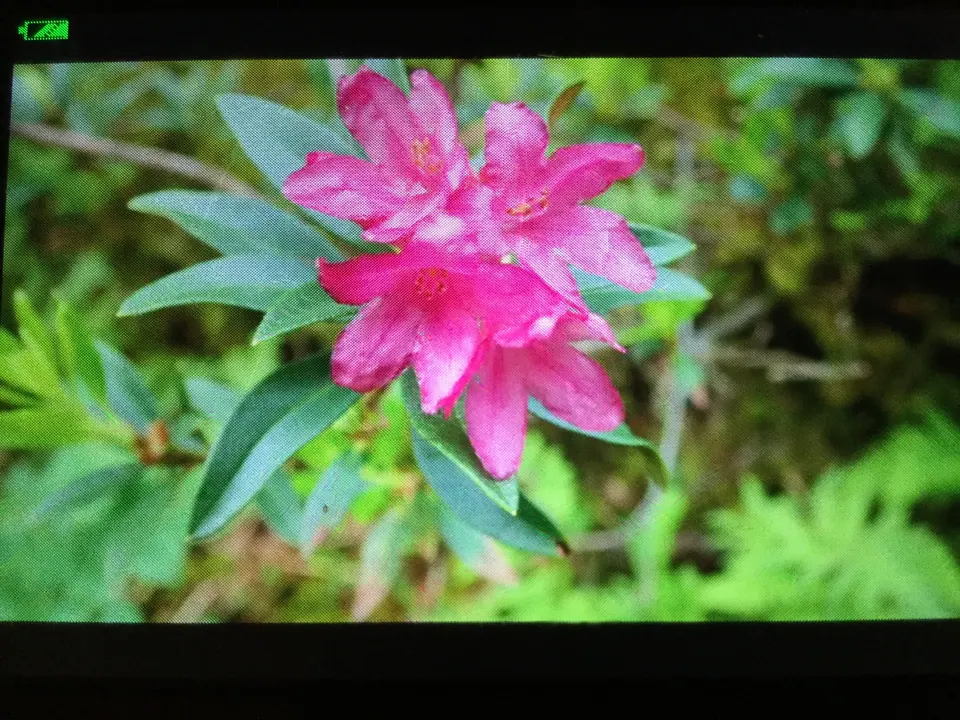
How to Grow and Care for Alpenrose
Rhododendron ferrugineum
Written by Emilio Marruso · last checked
At a glance
This rhododendron loves cold winters and summers that aren't hot and dry. It grows in sun or shade, just give it more shade the warmer your climate, in very acidic soil with a pH of 4.5–5.5. Planted 3 ft apart each way, it makes a lovely ground cover, and you can grow new plants from seed or by layering.
- Sun
Sun or shade; the warmer your climate, the more shade it needs
What the sources say (1)
Light: Sun or shade; the warmer the climate the more shade is needed
Succeeds in sun or shade, the warmer the climate the more shade a plant requires
— Rhododendron ferrugineum - Useful Temperate Plants [2] - Cold
Loves cold winters, but late spring frosts can hurt its flowers and new growth
What the sources say (1)
Watering notes: Grows best where winters are cold and summers are not hot and dry
It grows best in areas with cold winters and summers that are not hot and dry
— Rhododendron ferrugineum - Useful Temperate Plants [2] - Soil
Very acidic soil, pH 4.5–5.5
- Spacing
3 ft apart each way as a ground cover
What the sources say (1)
Spacing: 100 cm (about 1 metre [3.3 ft] apart each way, as ground cover)
Plants can be grown as ground cover when spaced about 1 metre apart each way
— Rhododendron ferrugineum - Useful Temperate Plants [2] - Pests
Easily attacked by honey fungus
- Propagation
Layer branches in late July; cuttings in August are hard to root
What the sources say (4)
Propagation: Seed; layering in late July; half-ripe cuttings in August (difficult)
Seed - best sown in a greenhouse as soon as it is ripe in the autumn and given artificial light
— Rhododendron ferrugineum - Useful Temperate Plants [2] Alternatively sow the seed in a lightly shaded part of the warm greenhouse in late winter or in a cold greenhouse in mid spring
— Rhododendron ferrugineum - Useful Temperate Plants [2] Layering in late July. Takes 15 - 24 months
— Rhododendron ferrugineum - Useful Temperate Plants [2] Cuttings of half-ripe wood, August in a frame. Difficult
— Rhododendron ferrugineum - Useful Temperate Plants [2] - Sowing
Sow in a greenhouse: in fall as soon as seed is ripe, in late winter, or in mid-spring
What the sources say (2)
Sowing: Autumn as soon as ripe (greenhouse); or late winter (warm greenhouse); or mid spring (cold greenhouse)
Seed - best sown in a greenhouse as soon as it is ripe in the autumn and given artificial light
— Rhododendron ferrugineum - Useful Temperate Plants [2] Alternatively sow the seed in a lightly shaded part of the warm greenhouse in late winter or in a cold greenhouse in mid spring
— Rhododendron ferrugineum - Useful Temperate Plants [2]
Overview
Alpenrose is a dwarf evergreen shrub of the Alps and Pyrenees, reaching up to 1.5 m [5 ft] tall and wide. [2] It grows on acid soil and avoids limestone. [4][3] It is cold tolerant when dormant but its flowers and young growth are damaged by late frosts. [2]
This record is incomplete: the sources we read do not cover every field yet.
Not yet covered by our sources: Watering, Hardiness, coldest zone, Hardiness, warmest zone, Pruning
Alpenrose care
Measurements in square brackets are our conversion into the other unit system; the quoted text is unchanged.
How to water Alpenrose
Watering
Not stated in the sources we read.
Watering notes
Grows best where winters are cold and summers are not hot and dry
What the sources say (1)
It grows best in areas with cold winters and summers that are not hot and dryHow much light Alpenrose needs
Sun or shade; the warmer the climate the more shade is needed
What the sources say (1)
Succeeds in sun or shade, the warmer the climate the more shade a plant requiresHow much cold Alpenrose can take
Hardiness, coldest zone
Not stated in the sources we read.
Hardiness, warmest zone
Not stated in the sources we read.
Best soil for Alpenrose
Soil pH, minimum
4.5
What the sources say (1)
A pH between 4.5 and 5.5 is idealSoil pH, maximum
5.5
What the sources say (1)
A pH between 4.5 and 5.5 is idealWhere to grow Alpenrose
100 cm (about 1 metre [3.3 ft] apart each way, as ground cover)
What the sources say (1)
Plants can be grown as ground cover when spaced about 1 metre apart each wayHow to propagate Alpenrose
Seed; layering in late July; half-ripe cuttings in August (difficult)
What the sources say (4)
Seed - best sown in a greenhouse as soon as it is ripe in the autumn and given artificial lightAlternatively sow the seed in a lightly shaded part of the warm greenhouse in late winter or in a cold greenhouse in mid springLayering in late July. Takes 15 - 24 monthsCuttings of half-ripe wood, August in a frame. DifficultHow to grow Alpenrose
The plant
Family
Ericaceae
What the sources say (1)
Order
Ericales (
1ERIO )
Family
Ericaceae (
1ERIF )
Genus
RhododendronFertilizing
When
The sources give different values depending on region, zone or growing conditions.
What each source says
Rhododendron in general: Soon after flowering
Rhododendron in general: Late spring or early summer, after flowering
Rhododendron in general: In May, never after July 1
What the sources say (3)
Rhododendron in general: Fertilize soon after flowering, using products formulated for acid-loving plants such as rhododendrons, camellias and azaleas.Rhododendron in general: Apply fertilizer according to the manufacturer's instructions, typically in late spring or early summer after flowering.Rhododendron in general: Fertilizing our outdoor plants should be done in May, but not after July 1. Late summer fertilization may force out tender fall growth that will be killed by the winter.Natural fertilizers
The sources give different values depending on region, zone or growing conditions.
What each source says
Rhododendron in general: Cottonseed meal
Rhododendron in general: Slow-release organic fertilizers
Rhododendron in general: Organic mulch as the main source of nutrients
What the sources say (3)
Rhododendron in general: A fertilizer analysis similar to 6-2-1 applied at 2 pounds per 100 square feet to the soil surface is usually adequate. Cottonseed meal is also a good fertilizer.Rhododendron in general: Organic fertilizers, though costlier, release nutrients slowly and reduce the risk of root burn.Rhododendron in general: Nutrients are slowly released by any organic mulch that you use, so rely on this as the primary source of nutrients.Mineral fertilizers
The sources disagree:
Look for formulations with a balanced ratio or one slightly higher in phosphorus (the middle number), which supports root and flower bud development.
[8]Phosphate and potash do not disappear from the soil, but build up little by little with successive fertilizing. Therefore, the high phosphate formulas do not provide extra help to the plant.
[9]
What each source says
Rhododendron in general: Fertilizer formulated for acid-loving plants, preferably supplying ammonium nitrogen
Rhododendron in general: 28.3 g of granular fertilizer per 30.5 cm [12 in] of plant height or spread
What the sources say (2)
Rhododendron in general: If you do fertilize, avoid using general garden fertilizers. Use those specially formulated for acid-loving plants and follow directions. Fertilizers supplying the ammonium form of nitrogen are best.Rhododendron in general: Avoid over-fertilizing, which can damage the roots. A general guideline is about one ounce of granular fertilizer per foot of plant height or spread.Avoid
The sources give different values depending on region, zone or growing conditions.
What each source says
Rhododendron in general: Lime and alkaline fertilizers; feeding after mid-July
Rhododendron in general: Fertilizing at planting
Rhododendron in general: Granules left on the foliage
Rhododendron in general: Excess fertilizer, which injures the shallow roots
What the sources say (4)
Rhododendron in general: Avoid lime and alkaline fertilizers, and do not fertilize after mid-July, as late feeding can stimulate new growth that may not harden off before winter.Rhododendron in general: Do not fertilize at the time of planting, as this might injure the roots, but water deeply.Rhododendron in general: Be careful when broadcasting fertilizer over the top of plants, because the fertilizer granules may collect in the leaf whorls and cause foliar damage as it dissolves.Rhododendron in general: Unlike other shrubs in the landscape, azaleas are shallow rooted and can be easily injured by excess fertilizer.Signs of deficiency
The sources give different values depending on region, zone or growing conditions.
What each source says
Rhododendron in general: Pale green or dwarfed leaves (nitrogen)
Rhododendron in general: Small dark green leaves with dead tips (phosphorus)
Rhododendron in general: Pale green leaves or interveinal chlorosis
What the sources say (3)
Rhododendron in general: Pale green or dwarfed leaves may signal a nitrogen deficiency.Rhododendron in general: Small, dark green leaves with dead tips can suggest low phosphorus.Rhododendron in general: Pale green leaves or inter-veinal chlorosis are good indicators of a need for fertilizer.Signs of excess
The sources give different values depending on region, zone or growing conditions.
What each source says
Rhododendron in general: Yellow mottling along leaf margins (excess potassium)
Rhododendron in general: More lace bugs and whiteflies
What the sources say (2)
Rhododendron in general: Yellow mottling along leaf margins may indicate excess potassium.Rhododendron in general: Excess nutrients may promote larger than normal populations of azalea pests like lace bugs and azalea whiteflies.Alpenrose pests and problems
Late frost damage
Symptom: Flowers and young growth damaged by late spring frosts
What the sources say (1)
the flowers and young growth of Rhododendrons are very susceptible to damage by late frosts
— Rhododendron ferrugineum - Useful Temperate Plants [2] Honey fungus
Symptom: Genus notably susceptible to honey fungus
What the sources say (1)
Plants in this genus are notably susceptible to honey fungus
— Rhododendron ferrugineum - Useful Temperate Plants [2]
Remedies
Each remedy shows what official sources say about it; traditional remedies without an official source are marked as such. Harmful ones are listed so you know to avoid them.
First aid
First aid: not a substitute for a doctor
skin contact
ingestion
rinsing the mouth and drinking water or milk Official source, not independently tested
Ingestion: Do not induce vomiting. Rinse out mouth and drink a glass of water or milk. Popsicles work well also. Contact the Poison Control Centre.
— dpic.org [10] How: Do not induce vomiting. Rinse out mouth and drink a glass of water or milk.
Ingestion: Do not induce vomiting. Rinse out mouth and drink a glass of water or milk. Popsicles work well also. Contact the Poison Control Centre.
— dpic.org [10]
Calendar
Sowing
Autumn as soon as ripe (greenhouse); or late winter (warm greenhouse); or mid spring (cold greenhouse)
What the sources say (2)
Seed - best sown in a greenhouse as soon as it is ripe in the autumn and given artificial lightAlternatively sow the seed in a lightly shaded part of the warm greenhouse in late winter or in a cold greenhouse in mid springPruning
Not stated in the sources we read.
Months as given by the sources, which are mostly from the United States (northern hemisphere). In the southern hemisphere they shift by about six months.
Similar plants
- Catawba Rhododendron Rhododendron catawbiense
- Coastal Azalea Rhododendron atlanticum
- Cumberland Azalea Rhododendron cumberlandense
- Dwarf Purple Rhododendron Rhododendron impeditum
- Early Azalea Rhododendron prinophyllum
- Flame Azalea Rhododendron calendulaceum
- Florida Azalea Rhododendron austrinum
- Hairy Alpenrose Rhododendron hirsutum
Sources
Every value above is quoted from these documents. Links lead to the original publisher.
- Rhododendron ferrugineum (RHOFE)[Overview]| EPPO Global Database · gd.eppo.int, consulted
- Rhododendron ferrugineum - Useful Temperate Plants · temperate.theferns.info, consulted
- Rhododendron ferrugineum - Trees and Shrubs Online · treesandshrubsonline.org, consulted
- Rhododendrons Plant Directory · rhodogroup-rhs.org, consulted
- Rhododendron Plant Description for ferrugineum · rhododendron.org, consulted
- Code INPN : 117679 · spot.creamontblanc.org, consulted
- extension.oregonstate.edu · extension.oregonstate.edu
- hoke.ces.ncsu.edu · hoke.ces.ncsu.edu
- s3.wp.wsu.edu · s3.wp.wsu.edu
- dpic.org · dpic.org
Written by Emilio Marruso · last checked