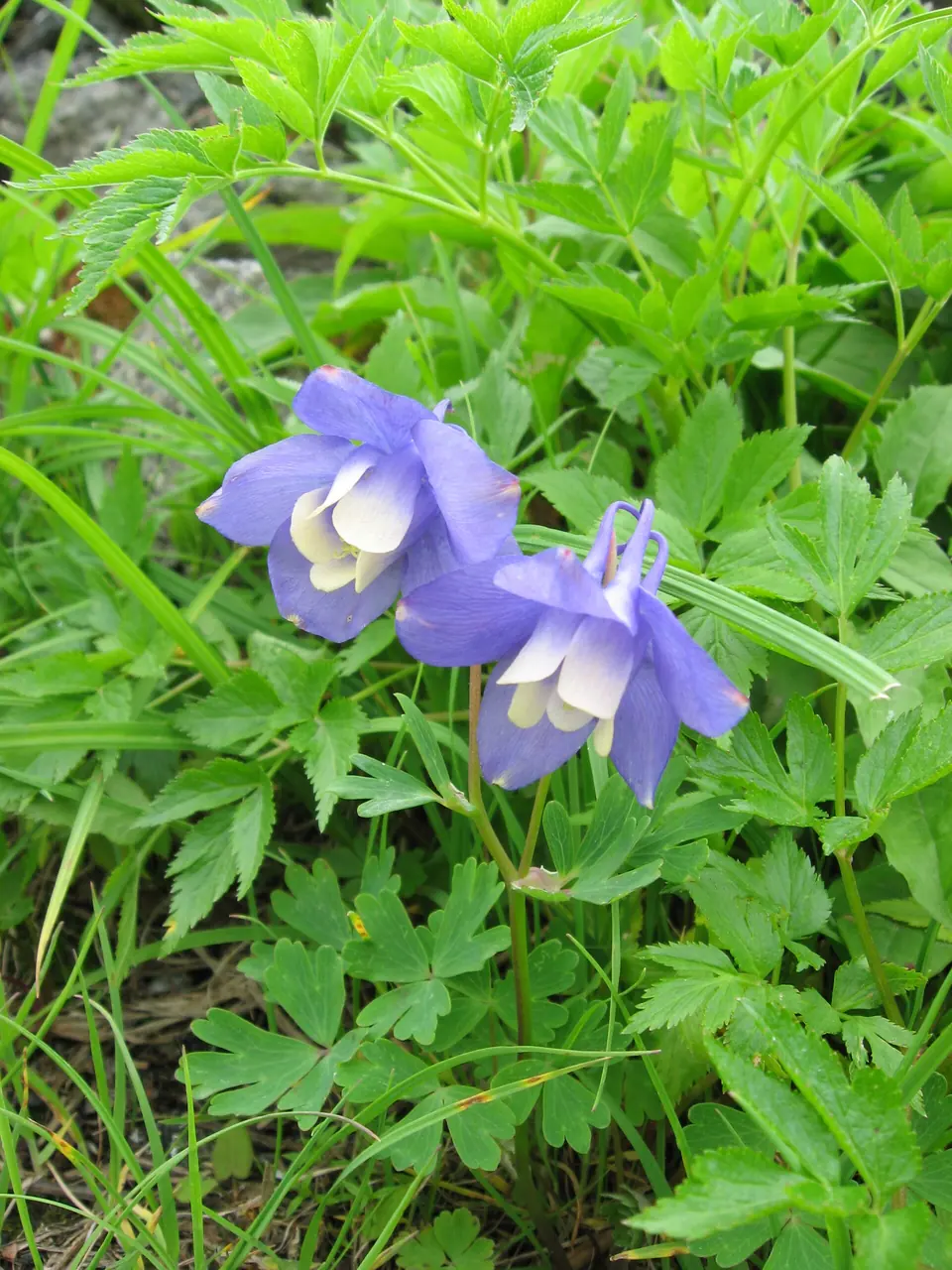
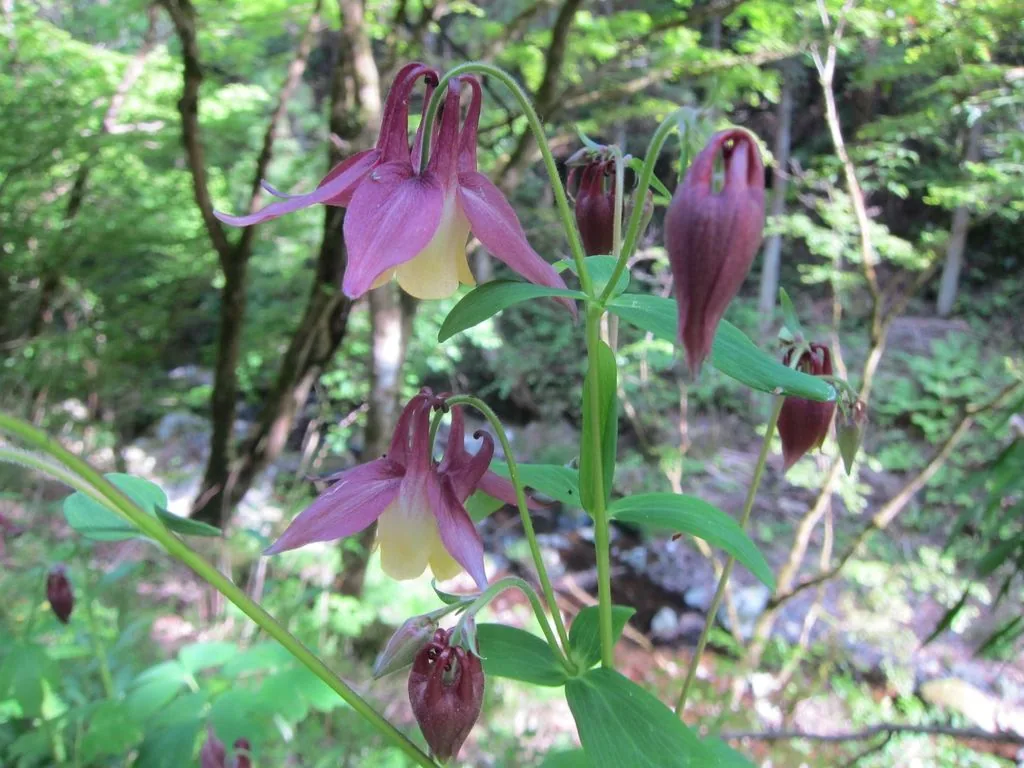

Cómo cultivar y cuidar Fan columbine
Aquilegia flabellata
Escrito por Emilio Marruso · última revisión
Tóxica para: Gatos, Perros, Caballos · Por qué
De un vistazo
Esta aguileña perenne vuelve año tras año y encaja casi en cualquier rincón, incluso en maceta. Sus flores son un bonito añadido a las ensaladas variadas y también sirven para preparar infusiones. Mantén la tierra húmeda pero nunca encharcada, plántala en mayo o junio y disfruta de una planta sin efectos tóxicos conocidos para gatos, perros ni caballos.
- Riego
Mantén la tierra húmeda pero no mojada; el encharcamiento pudre las raíces
Qué dicen las fuentes (1)
Notas sobre el riego: Evita el suelo encharcado, que causa la pudrición de las raíces; suelo húmedo pero no empapado
Droughty conditions will cause the foliage to perish early in the season. On the other hand, water-logged soil will lead to root rot.
— Plant Of The Month For February 2023: Aquilegia flabellata | North American Rock Garden Society [1] - Frío
Aguanta inviernos de hasta −34,4 °C (−30 °F)
Muy rústica · USDA 4 · RHS H7 · Z4
Qué dicen las fuentes (5)
Rusticidad, zona más fría: 4 [mínima invernal de −34,4 a −28,9 °C (de −30 a −20 °F)]
It prefers full sun but will tolerate part shade. It is not particular in regards to soil pH. It is suitable for zones 4-7.
— Plant Of The Month For February 2023: Aquilegia flabellata | North American Rock Garden Society [1] Plant Height : 1 to 3 feet - Zones : 4, 5, 6, 7, 8 - Plant Width :
— Fan columbine - Fine Gardening [5] Rusticidad, zona más cálida:
Según Fine Gardening: Plant Height : 1 to 3 feet - Zones : 4, 5, 6, 7, 8 - Plant Width :
— Fan columbine - Fine Gardening [5] Según NARGS: It prefers full sun but will tolerate part shade. It is not particular in regards to soil pH. It is suitable for zones 4-7.
— Plant Of The Month For February 2023: Aquilegia flabellata | North American Rock Garden Society [1] Plant Height : 1 to 3 feet - Zones : 4, 5, 6, 7, 8 - Plant Width :
— Fan columbine - Fine Gardening [5] - Plantación
Planta de finales de primavera a principios de verano, en mayo o junio
Qué dicen las fuentes (2)
Plantación: Finales de primavera hasta principios de verano (mayo-junio)
prick the seedlings out into individual pots and grow them on in a cold frame for their first winter. Plant out in late spring or early summer.
— Aquilegia flabellata - Useful Temperate Plants [3] | Sow | | | yes | yes | | | | yes | yes | | | | Plant | | | | | yes | yes | | | | | |
— Aquilegia flabellata | BBC Gardeners World Magazine [2] - Cosecha
Las flores van en ensaladas o en infusión; las hojas, solo bien hervidas
- Plagas
Oídio, roya, manchas en las hojas, pulgón, minadores y orugas
- Siembra
Siembra en cuanto la semilla esté madura, o en marzo–abril y agosto–septiembre
Qué dicen las fuentes (4)
Siembra: Tan pronto como la semilla esté madura, o desde finales de invierno hasta primavera (marzo-abril) y finales de verano (agosto-septiembre)
Según Gardeners' World: | Sow | | | yes | yes | | | | yes | yes | | |
— Aquilegia flabellata | BBC Gardeners World Magazine [2] Según Useful Temperate Plants: Stored seed can be sown in late winter in a cold frame. When large enough to handle, prick the seedlings out into individual pots
— Aquilegia flabellata - Useful Temperate Plants [3] Según Fine Gardening: Propagation Sow seed in a cold frame in spring. Can divide cultivars in spring but plants respond slowly to root disturbance.
— Fan columbine - Fine Gardening [5] | Sow | | | yes | yes | | | | yes | yes | | |
— Aquilegia flabellata | BBC Gardeners World Magazine [2] - Maceta
Crece también en maceta
Qué dicen las fuentes (1)
En maceta: Sí
Aquilegia flabellata is a dwarf columbine, bearing blue nodding flowers over a compact mound of waxy grey-green foliage. It's perfect for growing in the rock garden, as path edging or in containers.
— Aquilegia flabellata | BBC Gardeners World Magazine [2] - Seguridad
Sin efectos tóxicos conocidos para gatos, perros ni caballos
Resumen
Aquilegia flabellata, la columbina de abanico, es una columbina enana originaria de las regiones alpinas de Japón y Corea, de 20-50 cm [8–20 in] de altura con follaje ceroso de color gris azulado. [1] Crece en suelo bien drenado pero húmedo; la sequía hace que el follaje se marchite temprano y el suelo encharcado causa pudrición de las raíces. [1] Las plantas son relativamente de vida corta y generalmente se renuevan a partir de semillas, que producen con facilidad. [2][1]
Citado en inglés, como en la fuente.
Esta ficha está incompleta: las fuentes consultadas aún no cubren todos los campos.
Aún no cubierto por nuestras fuentes: Poda
Cuidados
Las medidas entre corchetes son nuestra conversión al otro sistema de unidades; el texto citado no cambia.
Riego
Riego
Las fuentes dan valores distintos según la región, la zona o las condiciones de cultivo.
Lo que dice cada fuente
Según NARGS: Mantén el suelo húmedo; la sequía hace que el follaje perezca antes de tiempo
Según Fine Gardening: De seco a humedad media
Según Gardeners' World: Suelo húmedo
Qué dicen las fuentes (3)
Según NARGS: This columbine is easy to accommodate in any well-drained but moist soil. Droughty conditions will cause the foliage to perish early in the season.Según Fine Gardening: Plant Width :
6 to 12 inches
-
Moisture :
Dry to Medium
-
Bloom Time :Según Gardeners' World: Grow Aquilegia flabellata in moist soil in partial shade. Plants are relatively short-lived so allow them to self-seed.Notas sobre el riego
Evita el suelo encharcado, que causa la pudrición de las raíces; suelo húmedo pero no empapado
Qué dicen las fuentes (1)
Droughty conditions will cause the foliage to perish early in the season. On the other hand, water-logged soil will lead to root rot.Luz
Las fuentes no coinciden:
Grow Aquilegia flabellata in moist soil in partial shade. Plants are relatively short-lived so allow them to self-seed.
[2]
Qué dicen las fuentes (2)
It prefers full sun but will tolerate part shade. It is not particular in regards to soil pH. It is suitable for zones 4-7.Bloom Time :
Early Summer, Summer
-
Light :
Full Sun to Partial Shade
-
Maintenance :Clima y frío
Rusticidad, zona más fría
4 [mínima invernal de −34,4 a −28,9 °C (de −30 a −20 °F)]
Qué dicen las fuentes (2)
It prefers full sun but will tolerate part shade. It is not particular in regards to soil pH. It is suitable for zones 4-7.Plant Height :
1 to 3 feet
-
Zones :
4, 5, 6, 7, 8
-
Plant Width :Rusticidad, zona más cálida
Las fuentes dan valores distintos según la región, la zona o las condiciones de cultivo.
Lo que dice cada fuente
Según Fine Gardening: 4-8 [mínima invernal de −34,4 a −6,7 °C (de −30 a 20 °F)]
Según NARGS: 4-7 [mínima invernal de −34,4 a −12,2 °C (de −30 a 10 °F)]
Qué dicen las fuentes (3)
Según Fine Gardening: Plant Height :
1 to 3 feet
-
Zones :
4, 5, 6, 7, 8
-
Plant Width :Según NARGS: It prefers full sun but will tolerate part shade. It is not particular in regards to soil pH. It is suitable for zones 4-7.Plant Height :
1 to 3 feet
-
Zones :
4, 5, 6, 7, 8
-
Plant Width :Dónde cultivarla
Sí
Qué dicen las fuentes (1)
Aquilegia flabellata is a dwarf columbine, bearing blue nodding flowers over a compact mound of waxy grey-green foliage. It's perfect for growing in the rock garden, as path edging or in containers.Propagación
Las fuentes no coinciden:
Qué dicen las fuentes (2)
Like all columbine, this species has a tap-root thus division is not suggested. However, propagation by seed is easy.Seed - best sown as soon as it is ripe in a cold frame. The seed can be slow to germinateCultivo
La planta
Ciclo de vida
perenne
Qué dicen las fuentes (1)
It is a perennial and grows primarily in the temperate biome.Familia
Ranunculaceae
Qué dicen las fuentes (1)
Order Ranunculales View Order Tree opens in a new tab - Family Ranunculaceae View Family TreeProblemas
Podredumbre de la raíz
Qué hacer: Evita el suelo encharcado
Qué dicen las fuentes (1)
Droughty conditions will cause the foliage to perish early in the season. On the other hand, water-logged soil will lead to root rot.
— Plant Of The Month For February 2023: Aquilegia flabellata | North American Rock Garden Society [1] Enfermedades fúngicas y plagas
Síntoma: Mildiu polvoriento, roya, manchas foliares por hongos; pulgones, minadores de hojas, orugas
Qué dicen las fuentes (1)
Problems Powdery mildew, rust, fungal leaf spots. Aphids, leaf miners, and caterpillars.
— Fan columbine - Fine Gardening [5]
Remedios
Las fuentes consultadas no dan remedios para esta planta.
Venenosa para los animales
Según la fuente, citada textualmente. No es un consejo médico ni veterinario: si una persona o un animal pudo haber ingerido esta planta, contacta con un centro de toxicología o con un veterinario.
Aquilegia ‘Flabellata’ has no toxic effects reported. No reported toxicity to: Is not known to attract Birds Birds Is not known to attract Cats Cats
[2]La fuente señala el riesgo para este animal pero no explica por qué.
Aquilegia ‘Flabellata’ has no toxic effects reported. No reported toxicity to: Is not known to attract Birds Birds Is not known to attract Cats Cats Is not known to attract Dogs Dogs
[2]La fuente señala el riesgo para este animal pero no explica por qué.
No reported toxicity to: Is not known to attract Birds Birds Is not known to attract Cats Cats Is not known to attract Dogs Dogs Is not known to attract Horses Horses
[2]La fuente señala el riesgo para este animal pero no explica por qué.
Calendario
Tan pronto como la semilla esté madura, o desde finales de invierno hasta primavera (marzo-abril) y finales de verano (agosto-septiembre)
Lo que dice cada fuente
Según Gardeners' World: Marzo-abril; agosto-septiembre
Según Useful Temperate Plants: Tan pronto como madure en un marco frío; semilla almacenada a finales de invierno
Según Fine Gardening: Primavera, en un marco frío
Qué dicen las fuentes (4)
Según Gardeners' World: | Sow | | | yes | yes | | | | yes | yes | | |Según Useful Temperate Plants: Stored seed can be sown in late winter in a cold frame. When large enough to handle, prick the seedlings out into individual potsSegún Fine Gardening: Propagation Sow seed in a cold frame in spring. Can divide cultivars in spring but plants respond slowly to root disturbance.| Sow | | | yes | yes | | | | yes | yes | | |Finales de primavera hasta principios de verano (mayo-junio)
Qué dicen las fuentes (2)
prick the seedlings out into individual pots and grow them on in a cold frame for their first winter. Plant out in late spring or early summer.| Sow | | | yes | yes | | | | yes | yes | | |
| Plant | | | | | yes | yes | | | | | |No figura en las fuentes consultadas.
Meses tal como los dan las fuentes, en su mayoría de Estados Unidos (hemisferio norte). En el hemisferio sur se desplazan unos seis meses.
Comestibilidad
Según la fuente, citada textualmente. No comas una planta basándote solo en esta página: los errores de identificación pueden ser peligrosos.
Valores orientativos
Valores de una fuente secundaria, no comprobados palabra por palabra como el resto de esta página. Úselos como punto de partida.
- Altura adulta
- 15.2-45.7 cm (0.5-1.5 pies)Valor orientativo, adáptalo a tu clima · Fuente secundaria
- Horas de sol
- 4-5 horasValor orientativo, adáptalo a tu clima · Fuente secundaria
- pH del suelo
- 6-7Valor orientativo, adáptalo a tu clima · Fuente secundaria
- Nivel de cuidado
- MedioValor orientativo, adáptalo a tu clima · Fuente secundaria
- Crecimiento
- BajoValor orientativo, adáptalo a tu clima · Fuente secundaria
- Poda
- Febrero, febrero, marzo, diciembre, enero, febrero, agosto, agosto, septiembre, marzo, abril, mayoValor orientativo, adáptalo a tu clima · Fuente secundaria
Plantas similares
- Columbine Aquilegia caerulea
- Columbine Aquilegia canadensis
- Columbine Aquilegia viridiflora
- Golden Columbine Aquilegia chrysantha
- Utah Columbine Aquilegia scopulorum
- Alpine Columbine Aquilegia alpina
- Common columbine Aquilegia vulgaris
- Nuragica columbine Aquilegia nuragica
Fuentes
Cada valor anterior se cita de estos documentos. Los enlaces llevan al editor original.
- Plant Of The Month For February 2023: Aquilegia flabellata | North American Rock Garden Society · nargs.org, consultado
- Aquilegia flabellata | BBC Gardeners World Magazine · gardenersworld.com, consultado
- Aquilegia flabellata - Useful Temperate Plants · temperate.theferns.info, consultado
- Aquilegia flabellata Siebold & Zucc. | Plants of the World Online | Kew Science · powo.science.kew.org, consultado
- Fan columbine - Fine Gardening · finegardening.com, consultado
Escrito por Emilio Marruso · última revisión