
How to Grow and Care for Fan columbine
Aquilegia flabellata
Written by Emilio Marruso · last checked
Toxic to: Cats, Dogs, Horses · Why
At a glance
This perennial columbine comes back year after year and fits almost anywhere, even in a container. Its flowers make a lovely addition to mixed salads and can be brewed in place of tea. Keep the soil moist but never soggy, plant it out in May or June, and enjoy a plant with no reported toxic effects for cats, dogs or horses.
- Water
Keep the soil moist but not wet; soggy soil rots the roots
What the sources say (1)
Watering notes: Avoid waterlogged soil, which causes root rot; moist but not wet soil
Droughty conditions will cause the foliage to perish early in the season. On the other hand, water-logged soil will lead to root rot.
— Plant Of The Month For February 2023: Aquilegia flabellata | North American Rock Garden Society [1] - Cold
Survives winters down to −30 °F (−34.4 °C)
Very hardy · USDA 4 · RHS H7 · Z4
What the sources say (5)
Hardiness, coldest zone: 4 [winter low −34.4 to −28.9 °C (−30 to −20 °F)]
It prefers full sun but will tolerate part shade. It is not particular in regards to soil pH. It is suitable for zones 4-7.
— Plant Of The Month For February 2023: Aquilegia flabellata | North American Rock Garden Society [1] Plant Height : 1 to 3 feet - Zones : 4, 5, 6, 7, 8 - Plant Width :
— Fan columbine - Fine Gardening [5] Hardiness, warmest zone:
According to Fine Gardening: Plant Height : 1 to 3 feet - Zones : 4, 5, 6, 7, 8 - Plant Width :
— Fan columbine - Fine Gardening [5] According to NARGS: It prefers full sun but will tolerate part shade. It is not particular in regards to soil pH. It is suitable for zones 4-7.
— Plant Of The Month For February 2023: Aquilegia flabellata | North American Rock Garden Society [1] Plant Height : 1 to 3 feet - Zones : 4, 5, 6, 7, 8 - Plant Width :
— Fan columbine - Fine Gardening [5] - Planting
Plant from late spring to early summer, in May or June
What the sources say (2)
Planting: Late spring to early summer (May-June)
prick the seedlings out into individual pots and grow them on in a cold frame for their first winter. Plant out in late spring or early summer.
— Aquilegia flabellata - Useful Temperate Plants [3] | Sow | | | yes | yes | | | | yes | yes | | | | Plant | | | | | yes | yes | | | | | |
— Aquilegia flabellata | BBC Gardeners World Magazine [2] - Harvest
Flowers go in salads or make a tea; eat the leaves only well boiled
- Pests
Powdery mildew, rust, leaf spots, aphids, leaf miners and caterpillars
- Sowing
Sow as soon as the seed is ripe, or in March–April and August–September
What the sources say (4)
Sowing: As soon as seed is ripe, or late winter to spring (March-April) and late summer (August-September)
According to Gardeners' World: | Sow | | | yes | yes | | | | yes | yes | | |
— Aquilegia flabellata | BBC Gardeners World Magazine [2] According to Useful Temperate Plants: Stored seed can be sown in late winter in a cold frame. When large enough to handle, prick the seedlings out into individual pots
— Aquilegia flabellata - Useful Temperate Plants [3] According to Fine Gardening: Propagation Sow seed in a cold frame in spring. Can divide cultivars in spring but plants respond slowly to root disturbance.
— Fan columbine - Fine Gardening [5] | Sow | | | yes | yes | | | | yes | yes | | |
— Aquilegia flabellata | BBC Gardeners World Magazine [2] - Containers
Grows in containers too
What the sources say (1)
In containers: Yes
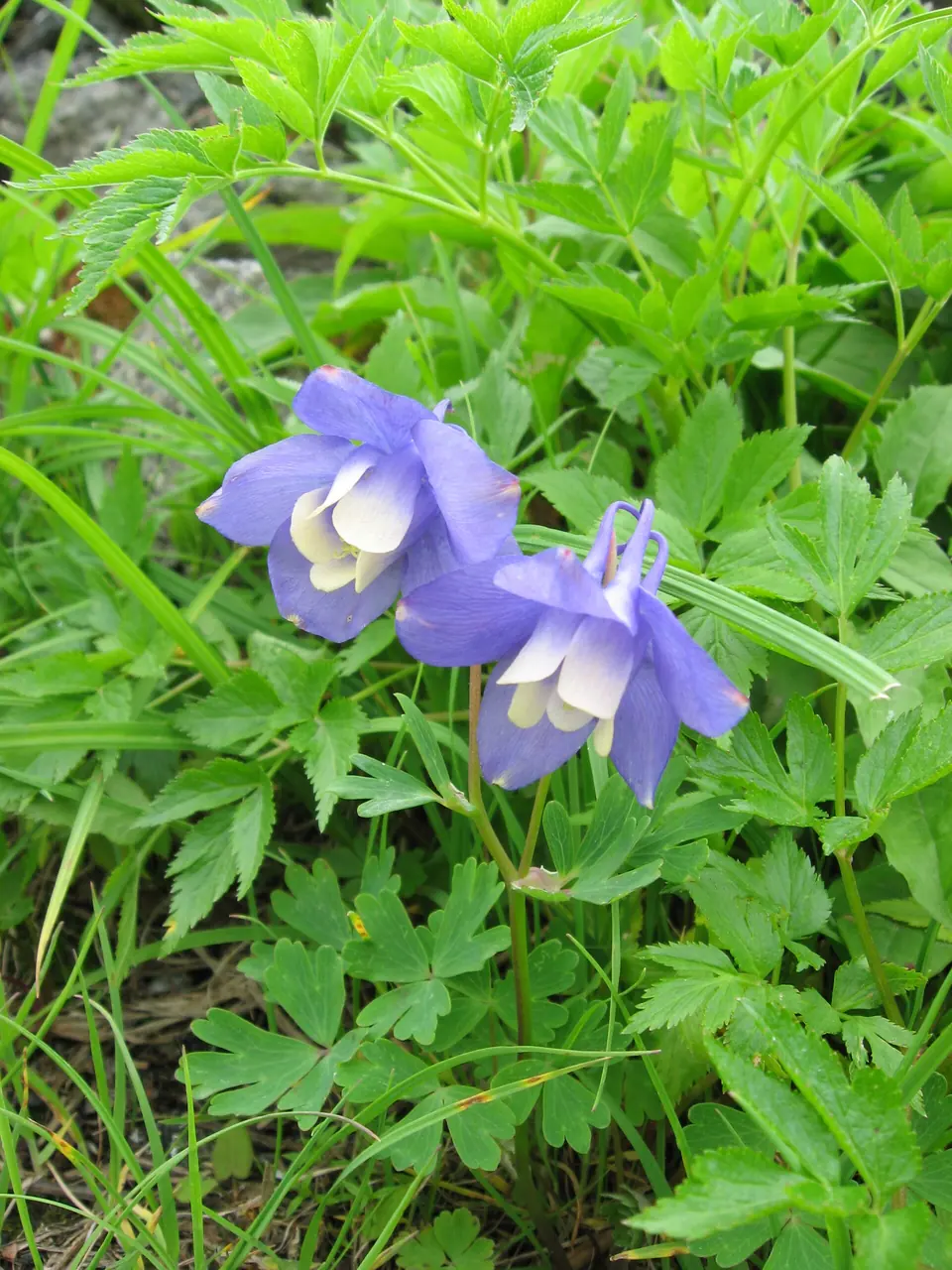
Aquilegia flabellata is a dwarf columbine, bearing blue nodding flowers over a compact mound of waxy grey-green foliage. It's perfect for growing in the rock garden, as path edging or in containers.
— Aquilegia flabellata | BBC Gardeners World Magazine [2] - Safety
No toxic effects reported for cats, dogs or horses
Overview
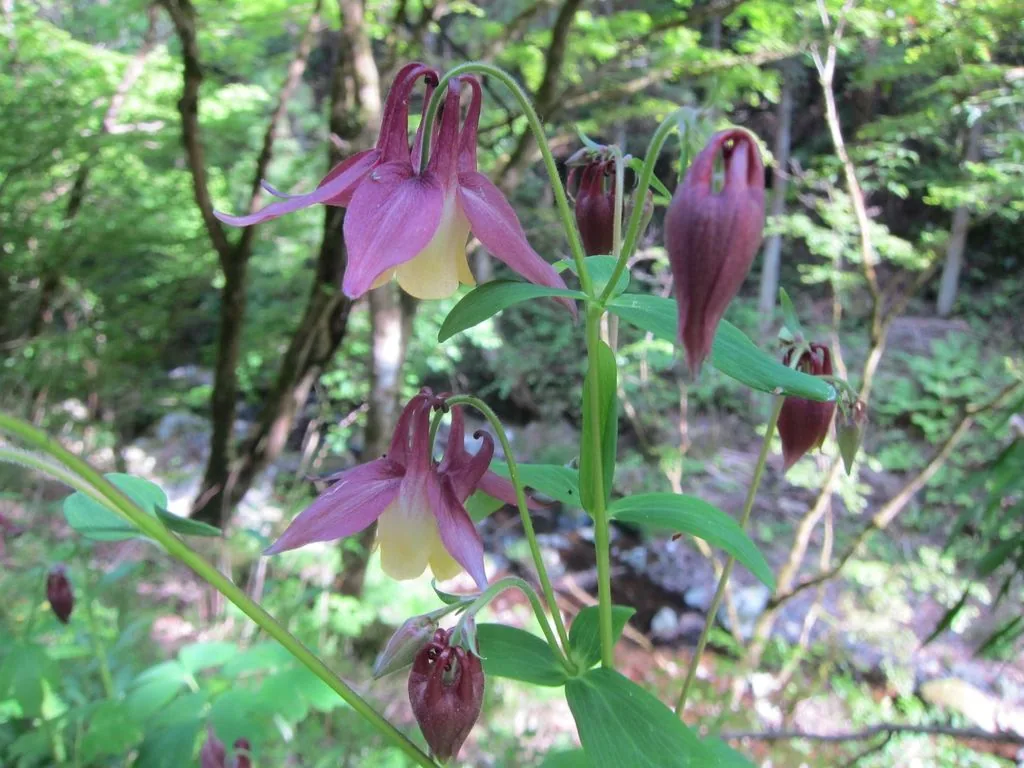
Aquilegia flabellata, the fan columbine, is a dwarf columbine native to alpine regions of Japan and Korea, 20-50 cm [8–20 in] tall with blue-grey waxy foliage. [1] It grows in well-drained but moist soil; drought makes the foliage die back early and waterlogged soil causes root rot. [1] Plants are relatively short-lived and are usually renewed from seed, which they set readily. [2][1]
This record is incomplete: the sources we read do not cover every field yet.
Not yet covered by our sources: Pruning
Fan columbine care
Measurements in square brackets are our conversion into the other unit system; the quoted text is unchanged.
How to water Fan columbine
Watering
The sources give different values depending on region, zone or growing conditions.
What each source says
According to NARGS: Keep soil moist; drought makes foliage perish early
According to Fine Gardening: Dry to medium moisture
According to Gardeners' World: Moist soil
What the sources say (3)
According to NARGS: This columbine is easy to accommodate in any well-drained but moist soil. Droughty conditions will cause the foliage to perish early in the season.According to Fine Gardening: Plant Width :
6 to 12 inches
-
Moisture :
Dry to Medium
-
Bloom Time :According to Gardeners' World: Grow Aquilegia flabellata in moist soil in partial shade. Plants are relatively short-lived so allow them to self-seed.Watering notes
Avoid waterlogged soil, which causes root rot; moist but not wet soil
What the sources say (1)
Droughty conditions will cause the foliage to perish early in the season. On the other hand, water-logged soil will lead to root rot.How much light Fan columbine needs
The sources disagree:
Grow Aquilegia flabellata in moist soil in partial shade. Plants are relatively short-lived so allow them to self-seed.
[2]
What the sources say (2)
It prefers full sun but will tolerate part shade. It is not particular in regards to soil pH. It is suitable for zones 4-7.Bloom Time :
Early Summer, Summer
-
Light :
Full Sun to Partial Shade
-
Maintenance :How much cold Fan columbine can take
Hardiness, coldest zone
4 [winter low −34.4 to −28.9 °C (−30 to −20 °F)]
What the sources say (2)
It prefers full sun but will tolerate part shade. It is not particular in regards to soil pH. It is suitable for zones 4-7.Plant Height :
1 to 3 feet
-
Zones :
4, 5, 6, 7, 8
-
Plant Width :Hardiness, warmest zone
The sources give different values depending on region, zone or growing conditions.
What each source says
According to Fine Gardening: 4-8 [winter low −34.4 to −6.7 °C (−30 to 20 °F)]
According to NARGS: 4-7 [winter low −34.4 to −12.2 °C (−30 to 10 °F)]
What the sources say (3)
According to Fine Gardening: Plant Height :
1 to 3 feet
-
Zones :
4, 5, 6, 7, 8
-
Plant Width :According to NARGS: It prefers full sun but will tolerate part shade. It is not particular in regards to soil pH. It is suitable for zones 4-7.Plant Height :
1 to 3 feet
-
Zones :
4, 5, 6, 7, 8
-
Plant Width :Where to grow Fan columbine
Yes
What the sources say (1)
Aquilegia flabellata is a dwarf columbine, bearing blue nodding flowers over a compact mound of waxy grey-green foliage. It's perfect for growing in the rock garden, as path edging or in containers.How to propagate Fan columbine
The sources disagree:
What the sources say (2)
Like all columbine, this species has a tap-root thus division is not suggested. However, propagation by seed is easy.Seed - best sown as soon as it is ripe in a cold frame. The seed can be slow to germinateHow to grow Fan columbine
The plant
Life cycle
perennial
What the sources say (1)
It is a perennial and grows primarily in the temperate biome.Family
Ranunculaceae
What the sources say (1)
Order Ranunculales View Order Tree opens in a new tab - Family Ranunculaceae View Family TreeFan columbine pests and problems
Root rot
What to do: Avoid waterlogged soil
What the sources say (1)
Droughty conditions will cause the foliage to perish early in the season. On the other hand, water-logged soil will lead to root rot.
— Plant Of The Month For February 2023: Aquilegia flabellata | North American Rock Garden Society [1] Fungal diseases and pests
Symptom: Powdery mildew, rust, fungal leaf spots; aphids, leaf miners, caterpillars
What the sources say (1)
Problems Powdery mildew, rust, fungal leaf spots. Aphids, leaf miners, and caterpillars.
— Fan columbine - Fine Gardening [5]
Remedies
The sources we checked give no remedies for this plant.
Is Fan columbine toxic to pets?
Reported by the source, quoted verbatim. This is not medical or veterinary advice: if a person or an animal may have eaten this plant, contact a poison control centre or a veterinarian.
Aquilegia ‘Flabellata’ has no toxic effects reported. No reported toxicity to: Is not known to attract Birds Birds Is not known to attract Cats Cats
[2]The source flags the risk for this animal but does not explain why.
Aquilegia ‘Flabellata’ has no toxic effects reported. No reported toxicity to: Is not known to attract Birds Birds Is not known to attract Cats Cats Is not known to attract Dogs Dogs
[2]The source flags the risk for this animal but does not explain why.
No reported toxicity to: Is not known to attract Birds Birds Is not known to attract Cats Cats Is not known to attract Dogs Dogs Is not known to attract Horses Horses
[2]The source flags the risk for this animal but does not explain why.
Calendar
As soon as seed is ripe, or late winter to spring (March-April) and late summer (August-September)
What each source says
According to Gardeners' World: March-April; August-September
According to Useful Temperate Plants: As soon as ripe in a cold frame; stored seed in late winter
According to Fine Gardening: Spring, in a cold frame
What the sources say (4)
According to Gardeners' World: | Sow | | | yes | yes | | | | yes | yes | | |According to Useful Temperate Plants: Stored seed can be sown in late winter in a cold frame. When large enough to handle, prick the seedlings out into individual potsAccording to Fine Gardening: Propagation Sow seed in a cold frame in spring. Can divide cultivars in spring but plants respond slowly to root disturbance.| Sow | | | yes | yes | | | | yes | yes | | |Late spring to early summer (May-June)
What the sources say (2)
prick the seedlings out into individual pots and grow them on in a cold frame for their first winter. Plant out in late spring or early summer.| Sow | | | yes | yes | | | | yes | yes | | |
| Plant | | | | | yes | yes | | | | | |Not stated in the sources we read.
Months as given by the sources, which are mostly from the United States (northern hemisphere). In the southern hemisphere they shift by about six months.
Edibility
Reported by the source, quoted verbatim. Do not eat a plant on the basis of this page alone: identification mistakes can be dangerous.
Indicative values
Values from a secondary source, not checked word for word like the rest of this page. Use them as a starting point.
- Mature height
- 15.2-45.7 cm (0.5-1.5 ft)Indicative value, adapt it to your climate · Secondary source
- Hours of sun
- 4-5 hoursIndicative value, adapt it to your climate · Secondary source
- Soil pH
- 6-7Indicative value, adapt it to your climate · Secondary source
- Care level
- MediumIndicative value, adapt it to your climate · Secondary source
- Growth rate
- LowIndicative value, adapt it to your climate · Secondary source
- Pruning
- February, February, March, December, January, February, August, August, September, March, April, MayIndicative value, adapt it to your climate · Secondary source
Similar plants
- Columbine Aquilegia caerulea
- Columbine Aquilegia canadensis
- Columbine Aquilegia viridiflora
- Golden Columbine Aquilegia chrysantha
- Utah Columbine Aquilegia scopulorum
- Alpine Columbine Aquilegia alpina
- Common columbine Aquilegia vulgaris
- Nuragica columbine Aquilegia nuragica
Sources
Every value above is quoted from these documents. Links lead to the original publisher.
- Plant Of The Month For February 2023: Aquilegia flabellata | North American Rock Garden Society · nargs.org, consulted
- Aquilegia flabellata | BBC Gardeners World Magazine · gardenersworld.com, consulted
- Aquilegia flabellata - Useful Temperate Plants · temperate.theferns.info, consulted
- Aquilegia flabellata Siebold & Zucc. | Plants of the World Online | Kew Science · powo.science.kew.org, consulted
- Fan columbine - Fine Gardening · finegardening.com, consulted
Written by Emilio Marruso · last checked