
How to Grow and Care for Alpine Columbine
Aquilegia alpina
Written by Emilio Marruso · last checked
At a glance
Alpine columbine is a perennial that comes back year after year, happy in full sun or partial shade. It needs little water, dry to medium moisture, as long as the soil drains well, and grows 1 to 3 feet tall. Sow the seeds in spring in a cold frame, then feed it as the leaves emerge and again when the flower buds form.
- Sun
Full sun to partial shade
- Water
Dry to medium moisture; the soil must drain well
- Cold
Survives winters down to −30 °F (−34.4 °C)
Very hardy · USDA 4 · RHS H7 · Z4
- Feeding
Compost or all-purpose fertilizer in spring; once more when flower buds form, if you like
What the sources say (4)
When: In spring as the leaves begin to emerge; a second application when the flower buds are forming
will respond well to a fertilizer application in spring as the leaves begin to emerge. Utilize an all-purpose, complete fertilizer of your choice. A second application can be made when the flower buds are forming.
— All About Columbine | Yard and Garden [2] How often: Once in spring, with an optional second application at bud formation
will respond well to a fertilizer application in spring as the leaves begin to emerge. Utilize an all-purpose, complete fertilizer of your choice. A second application can be made when the flower buds are forming.
— All About Columbine | Yard and Garden [2] Natural fertilizers: Compost worked into the soil
Amend soils with compost to help provide the moisture-rich but well-drained soils columbine thrives in.
— All About Columbine | Yard and Garden [2] Mineral fertilizers: All-purpose, complete fertilizer
Columbine loves a bit of fertilizer and will respond well to a fertilizer application in spring as the leaves begin to emerge. Utilize an all-purpose, complete fertilizer of your choice.
— All About Columbine | Yard and Garden [2] - Pests
Aphids, spider mites, borers and leafminers; crown rot can strike
What the sources say (2)
Pests: aphids, spider mites, columbine borers, columbine leafminer
Occasionally, plants may see aphids, spider mites, or columbine borers, but these issues rarely cause notable problems.
— All About Columbine | Yard and Garden [2] Diseases: crown rot
Crown rot is possible in poorly drained soils, so plant in better-draining soils should this issue develop.
— All About Columbine | Yard and Garden [2] - Size
1 to 3 ft tall
What the sources say (1)
Mature height: 30.48-91.44 cm (1-3 ft)
A. alpina | Alpine Columbine | blue/blue (white) | 1-3 | Switzerland
— All About Columbine | Yard and Garden [2] - Propagation
By seed, or divide in spring; it recovers slowly when roots are disturbed
What the sources say (2)
- Sowing
Sow in spring in a cold frame
What the sources say (1)
Sowing: Spring, in a cold frame
Sow seed in a cold frame in spring.
— Alpine columbine - Fine Gardening [1]
Overview
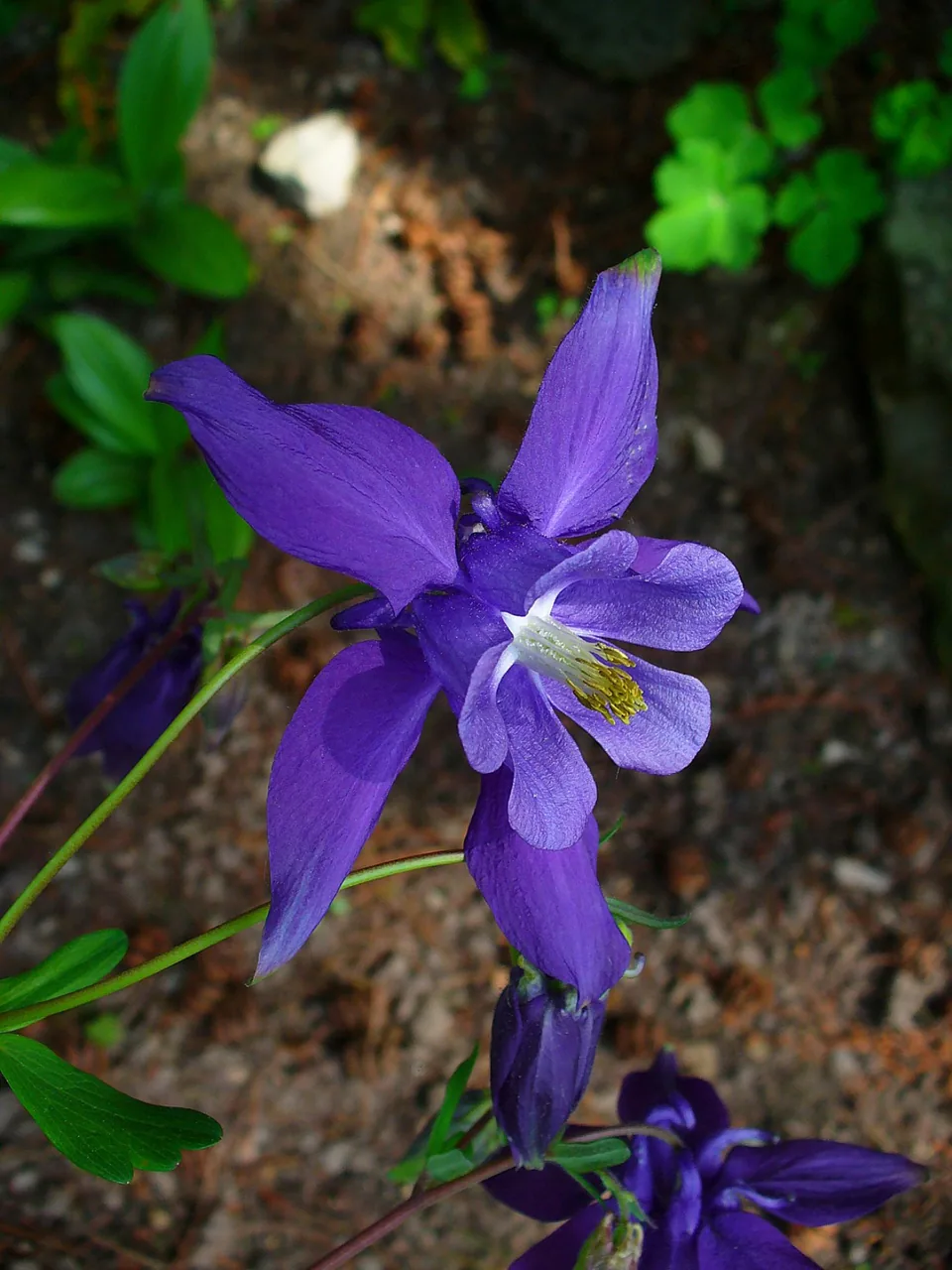
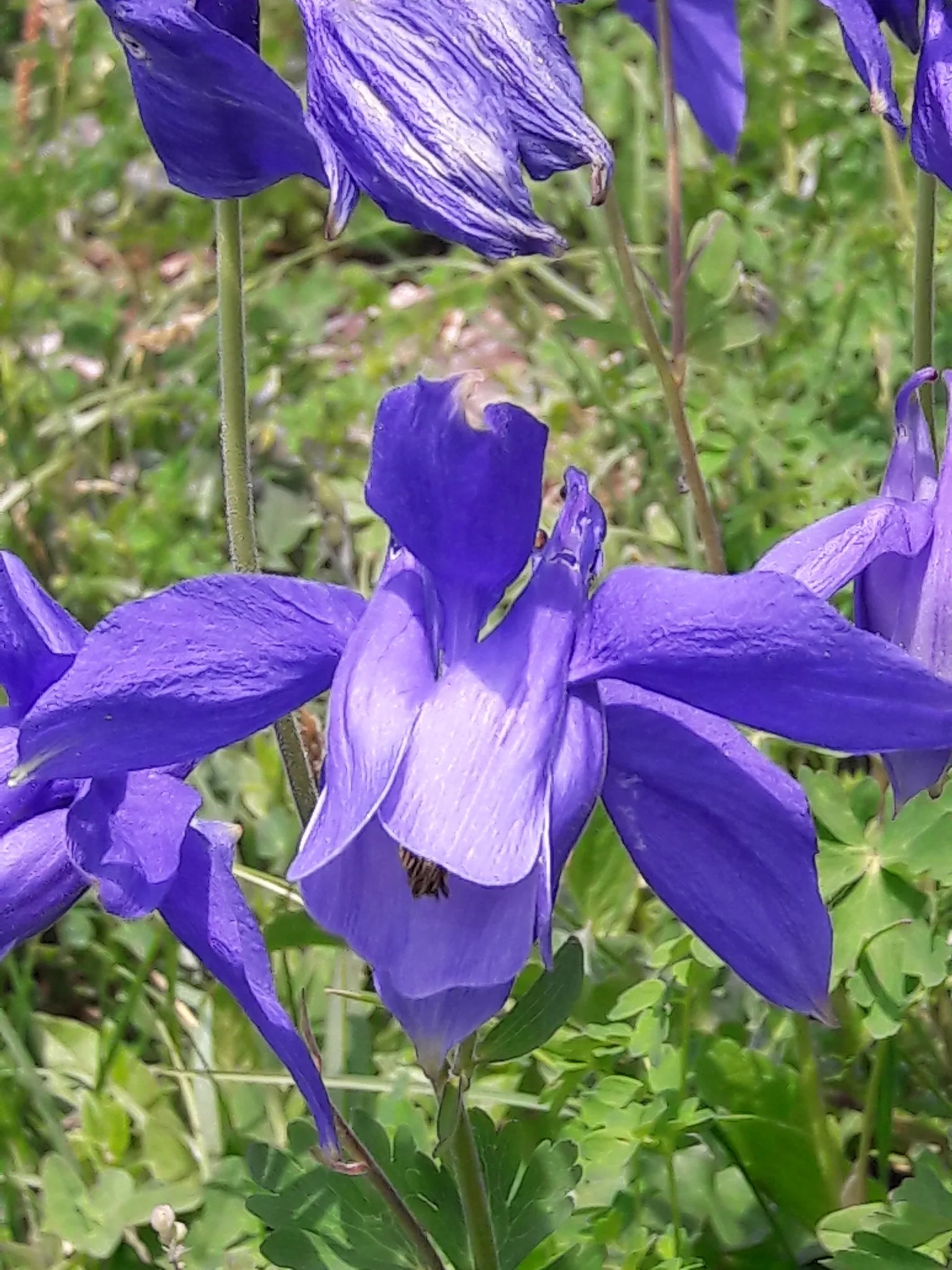
Aquilegia alpina bears nodding blue flowers and grows in full sun to partial shade. [1] It wants good drainage and dry to medium moisture. [1] It is raised from seed sown in a cold frame in spring. [1]
This record is incomplete: the sources we read do not cover every field yet.
Not yet covered by our sources: Pruning
Alpine Columbine care
How to water Alpine Columbine
Watering
Dry to medium moisture
What the sources say (1)
Moisture :
Dry to MediumWatering notes
Provide good drainage
What the sources say (1)
Provide part shade and good drainage.How much light Alpine Columbine needs
How much cold Alpine Columbine can take
Hardiness, coldest zone
4 [winter low −34.4 to −28.9 °C (−30 to −20 °F)]
What the sources say (1)
Zones :
4, 5, 6, 7, 8Hardiness, warmest zone
8 [winter low −12.2 to −6.7 °C (10 to 20 °F)]
What the sources say (1)
Zones :
4, 5, 6, 7, 8How to propagate Alpine Columbine
Seed; division of cultivars in spring (plants respond slowly to root disturbance)
How to grow Alpine Columbine
The plant
Life cycle
perennial
What the sources say (1)
While columbine is perennial, it tends to only last a handful of years in the garden.Mature height
30.48-91.44 cm (1-3 ft)
What the sources say (1)
A. alpina | Alpine Columbine | blue/blue (white) | 1-3 | SwitzerlandPests and diseases
Pests
aphids, spider mites, columbine borers, columbine leafminer
What the sources say (1)
Occasionally, plants may see aphids, spider mites, or columbine borers, but these issues rarely cause notable problems.Diseases
crown rot
What the sources say (1)
Crown rot is possible in poorly drained soils, so plant in better-draining soils should this issue develop.Fertilizing
When
In spring as the leaves begin to emerge; a second application when the flower buds are forming
What the sources say (1)
will respond well to a fertilizer application in spring as the leaves begin to emerge. Utilize an all-purpose, complete fertilizer of your choice. A second application can be made when the flower buds are forming.How often
Once in spring, with an optional second application at bud formation
What the sources say (1)
will respond well to a fertilizer application in spring as the leaves begin to emerge. Utilize an all-purpose, complete fertilizer of your choice. A second application can be made when the flower buds are forming.Natural fertilizers
Compost worked into the soil
What the sources say (1)
Amend soils with compost to help provide the moisture-rich but well-drained soils columbine thrives in.Mineral fertilizers
All-purpose, complete fertilizer
What the sources say (1)
Columbine loves a bit of fertilizer and will respond well to a fertilizer application in spring as the leaves begin to emerge. Utilize an all-purpose, complete fertilizer of your choice.Alpine Columbine pests and problems
Remedies
Each remedy shows what official sources say about it; traditional remedies without an official source are marked as such. Harmful ones are listed so you know to avoid them.
Treating the plant
columbine leafminer
trimming foliage back after flowering Partly works
How: Trim the foliage back to the base after flowering; a new fresh mound of leaves will appear.
if you must do something, the foliage can be trimmed back to the base after flowering, and a new, fresh mound of leaves will appear.
— All About Columbine | Yard and Garden [2] What the evidence says if you must do something, the foliage can be trimmed back to the base after flowering, and a new, fresh mound of leaves will appear.
— All About Columbine | Yard and Garden [2]
Calendar
Sowing
Spring, in a cold frame
What the sources say (1)
Sow seed in a cold frame in spring.Pruning
Not stated in the sources we read.
Months as given by the sources, which are mostly from the United States (northern hemisphere). In the southern hemisphere they shift by about six months.
Similar plants
- Columbine Aquilegia canadensis
- Columbine Aquilegia viridiflora
- Common columbine Aquilegia vulgaris
- Golden Columbine Aquilegia chrysantha
- Utah Columbine Aquilegia scopulorum
- Western columbine Aquilegia formosa
- Columbine Aquilegia caerulea
- Fan columbine Aquilegia flabellata
Sources
Every value above is quoted from these documents. Links lead to the original publisher.
- Alpine columbine - Fine Gardening · finegardening.com, consulted
- All About Columbine | Yard and Garden · yardandgarden.extension.iastate.edu, consulted
- How To Grow Aquilegias | BBC Gardeners World Magazine · gardenersworld.com, consulted
- SCHEDA · sigecweb.beniculturali.it, consulted
Written by Emilio Marruso · last checked