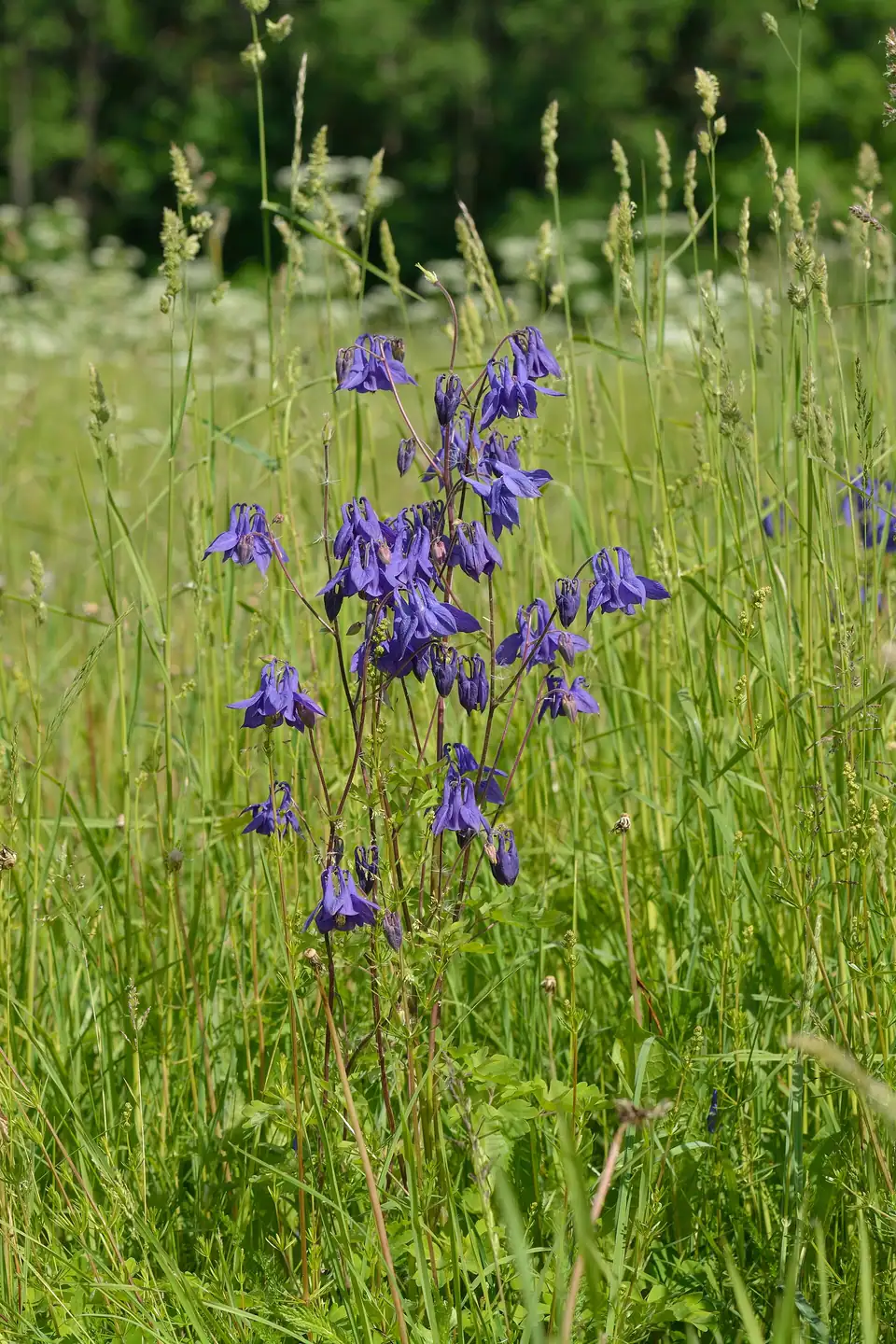

How to Grow and Care for Common columbine
Aquilegia vulgaris
Written by Emilio Marruso · last checked
Toxic to: People · Why
At a glance
Columbine is an easygoing perennial that grows happily in full sun or partial shade. Once established it tolerates drought, though regular watering keeps it at its best. It self-seeds freely, so new plants pop up on their own, and it even draws birds to the garden. After flowering, cut back the faded blooms and leaves to keep it tidy.
- Sun
Full sun to partial shade
What the sources say (2)
- Water
Handles drought once established, but likes regular watering
What the sources say (1)
Watering: Drought-tolerant once established, but benefits from regular watering
Prefers partial shade to full sun and well-drained soil. While drought-tolerant once established, it benefits from regular watering. Deadheading can encourage a second bloom.
— Common Columbine (Aquilegia vulgaris) Growing & Care Guide for Gardeners [4] - Feeding
Work compost into the soil, or use an all-purpose fertilizer
What the sources say (3)
Natural fertilizers: Compost worked into the soil
Amend soils with compost to help provide the moisture-rich but well-drained soils columbine thrives in.
— All About Columbine | Yard and Garden [6] Mineral fertilizers: All-purpose, complete (general) fertilizer
Columbine loves a bit of fertilizer and will respond well to a fertilizer application in spring as the leaves begin to emerge. Utilize an all-purpose, complete fertilizer of your choice.
— All About Columbine | Yard and Garden [6] Plants grown in the garden won't need feeding but you might use a general fertiliser if soil is poor.
— How to grow aquilegias / RHS Growing Guide [2] - Pruning
After flowering, cut back faded blooms and leaves
What the sources say (2)
Pruning: After flowering / summer (cut back faded blooms and foliage)
Once established, Aquilegia vulgaris needs virtually no care apart from cutting back the faded blooms and all the foliage in summer, which encourages a fresh neat clump of foliage to form. If the winter is
— Aquilegia vulgaris (Granny's Bonnet) | BBC Gardeners World Magazine [3] - How to Prune: Cut back after flowering.
— Common Columbine (Aquilegia vulgaris) Growing & Care Guide for Gardeners [4] - Pests
Aphids, spider mites, borers and sawflies; powdery mildew, downy mildew and crown rot
What the sources say (4)
Pests: aphids, spider mites, columbine borers, gall midge, sawfly
Occasionally, plants may see aphids, spider mites, or columbine borers, but these issues rarely cause notable problems.
— All About Columbine | Yard and Garden [6] Aquilegia are generally easy to grow, but they can be effected by a few pests and diseases: ## Aquilegia downy mildew ## Aquilegia gall midge ## Aquilegia sawfly ## Powdery mildews
— How to grow aquilegias / RHS Growing Guide [2] Diseases: downy mildew, powdery mildews, crown rot
Crown rot is possible in poorly drained soils, so plant in better-draining soils should this issue develop.
— All About Columbine | Yard and Garden [6] Aquilegia are generally easy to grow, but they can be effected by a few pests and diseases: ## Aquilegia downy mildew ## Aquilegia gall midge ## Aquilegia sawfly ## Powdery mildews
— How to grow aquilegias / RHS Growing Guide [2] - Watch out
Self-seeds freely, so new seedlings pop up around the garden
What the sources say (1)
Propagation: Seed (self-seeds freely); division is resented
Propagation is easily accomplished by scattering seeds directly into the garden in the spring, when danger of frost has passed.
— Common Columbine (Aquilegia vulgaris) Growing & Care Guide for Gardeners [4] - Propagation
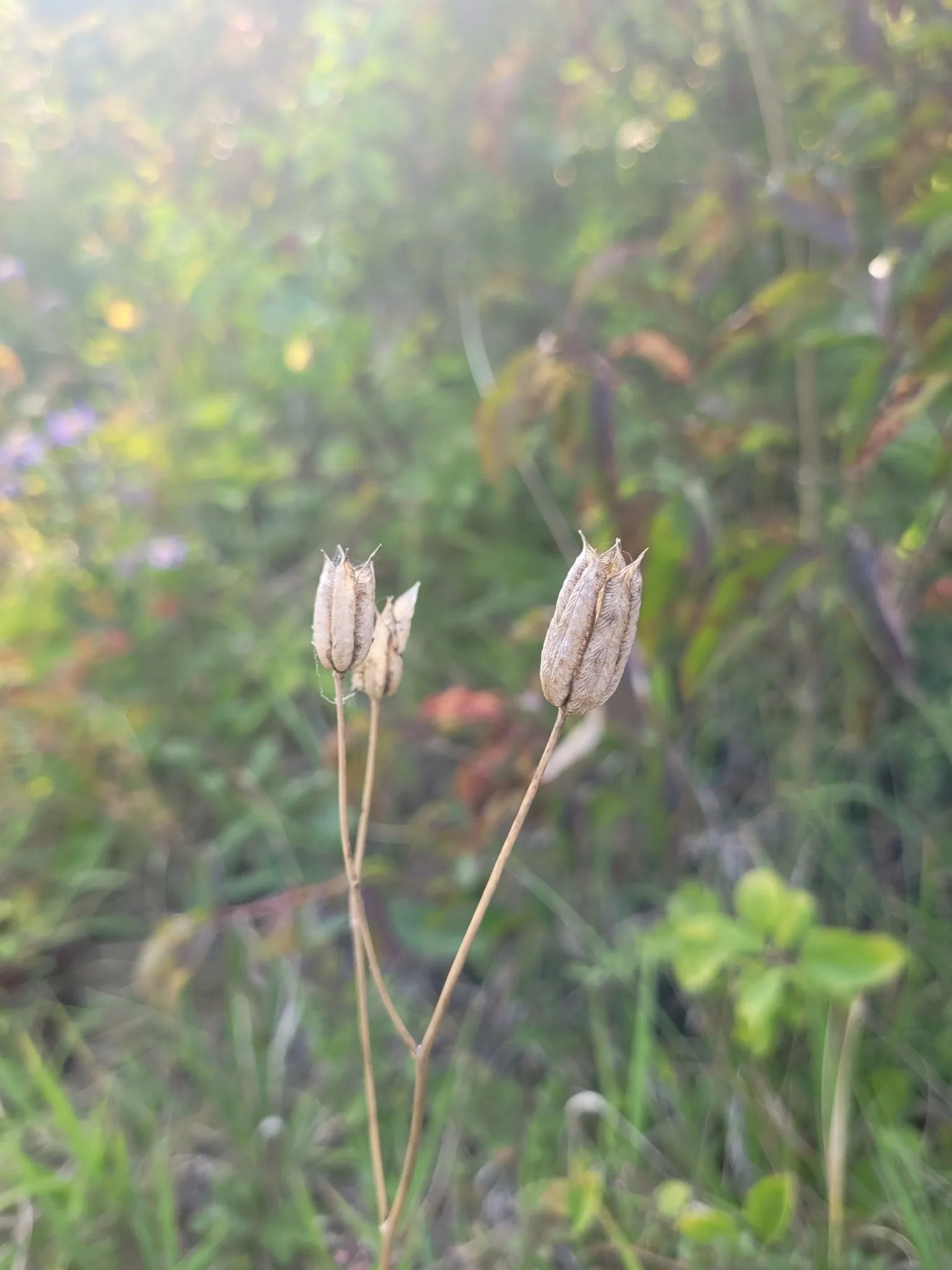
Grow from seed, collected when the pods turn brown; it dislikes being divided
What the sources say (2)
Propagation: Seed (self-seeds freely); division is resented
Propagation is easily accomplished by scattering seeds directly into the garden in the spring, when danger of frost has passed.
— Common Columbine (Aquilegia vulgaris) Growing & Care Guide for Gardeners [4] Saving seeds: collect the seed once the pods turn brown and the seed is ripe
You can also collect your sown seed. Wait until pods turn brown so the seed is ripe.
— How to grow aquilegias / RHS Growing Guide [2] - Safety
Some parts are poisonous, and it can irritate the skin
Overview
Aquilegia vulgaris is an easy hardy perennial that thrives in sun or partial shade in any reasonable garden soil, excepting extremes of wet or dry. [3] It self-seeds freely, is propagated by seed, and resents division. [3] Winter waterlogging is the main killer, and the plant is a skin irritant. [3]
This record is incomplete: the sources we read do not cover every field yet.
Not yet covered by our sources: Hardiness, coldest zone, Hardiness, warmest zone
Common columbine care
How to water Common columbine
Drought-tolerant once established, but benefits from regular watering
What the sources say (1)
Prefers partial shade to full sun and well-drained soil. While drought-tolerant once established, it benefits from regular watering. Deadheading can encourage a second bloom.How much light Common columbine needs
Full sun to partial shade
How much cold Common columbine can take
Hardiness, coldest zone
Not stated in the sources we read.
Hardiness, warmest zone
Not stated in the sources we read.
How to propagate Common columbine
Seed (self-seeds freely); division is resented
What the sources say (1)
Propagation is easily accomplished by scattering seeds directly into the garden in the spring, when danger of frost has passed.How to grow Common columbine
The plant
Life cycle
perennial
What the sources say (1)
While columbine is perennial, it tends to only last a handful of years in the garden.Harvest and storage
Saving seeds
collect the seed once the pods turn brown and the seed is ripe
What the sources say (1)
You can also collect your sown seed. Wait until pods turn brown so the seed is ripe.Pests and diseases
Pests
aphids, spider mites, columbine borers, gall midge, sawfly
What the sources say (2)
Occasionally, plants may see aphids, spider mites, or columbine borers, but these issues rarely cause notable problems.Aquilegia are generally easy to grow, but they can be effected by a few pests and diseases:
## Aquilegia downy mildew
## Aquilegia gall midge
## Aquilegia sawfly
## Powdery mildewsDiseases
downy mildew, powdery mildews, crown rot
What the sources say (2)
Crown rot is possible in poorly drained soils, so plant in better-draining soils should this issue develop.Aquilegia are generally easy to grow, but they can be effected by a few pests and diseases:
## Aquilegia downy mildew
## Aquilegia gall midge
## Aquilegia sawfly
## Powdery mildewsFertilizing
When
The sources disagree:
will respond well to a fertilizer application in spring as the leaves begin to emerge. Utilize an all-purpose, complete fertilizer of your choice. A second application can be made when the flower buds are forming.
[6]Plants grown in the garden won't need feeding but you might use a general fertiliser if soil is poor.
[2]
How often
The sources disagree:
will respond well to a fertilizer application in spring as the leaves begin to emerge. Utilize an all-purpose, complete fertilizer of your choice. A second application can be made when the flower buds are forming.
[6]Plants grown in the garden won't need feeding but you might use a general fertiliser if soil is poor.
[2]
Natural fertilizers
Compost worked into the soil
What the sources say (1)
Amend soils with compost to help provide the moisture-rich but well-drained soils columbine thrives in.Mineral fertilizers
All-purpose, complete (general) fertilizer
What the sources say (2)
Columbine loves a bit of fertilizer and will respond well to a fertilizer application in spring as the leaves begin to emerge. Utilize an all-purpose, complete fertilizer of your choice.Plants grown in the garden won't need feeding but you might use a general fertiliser if soil is poor.Remedies
The sources we checked give no remedies for this plant.
Is Common columbine poisonous?
Reported by the source, quoted verbatim. This is not medical or veterinary advice: if a person or an animal may have eaten this plant, contact a poison control centre or a veterinarian.
Calendar
Sowing
The sources give different values depending on region, zone or growing conditions.
What each source says
According to GardenersHQ: Spring, late summer or early autumn
What the sources say (1)
According to GardenersHQ: - Propagation: Seeds sown in spring, late summer or earlyPruning
After flowering / summer (cut back faded blooms and foliage)
What the sources say (2)
Once established, Aquilegia vulgaris needs virtually no care apart from cutting back the faded blooms and all the foliage in summer, which encourages a fresh neat clump of foliage to form. If the winter is- How to Prune: Cut back after flowering.Months as given by the sources, which are mostly from the United States (northern hemisphere). In the southern hemisphere they shift by about six months.
Indicative values
Values from a secondary source, not checked word for word like the rest of this page. Use them as a starting point.
- Mature height
- 45.7-91.4 cm (1.5-3 ft)Indicative value, adapt it to your climate · Secondary source
- Hours of sun
- 5-6 hoursIndicative value, adapt it to your climate · Secondary source
- Soil pH
- 6-7Indicative value, adapt it to your climate · Secondary source
- USDA hardiness zones
- 3-8 [winter low −40 to −6.7 °C (−40 to 20 °F)]Indicative value, adapt it to your climate · Secondary source
- Care level
- MediumIndicative value, adapt it to your climate · Secondary source
- Growth rate
- LowIndicative value, adapt it to your climate · Secondary source
Similar plants
- Alpine Columbine Aquilegia alpina
- Columbine Aquilegia canadensis
- Columbine Aquilegia viridiflora
- Golden Columbine Aquilegia chrysantha
- Utah Columbine Aquilegia scopulorum
- Western columbine Aquilegia formosa
- Columbine Aquilegia caerulea
- Fan columbine Aquilegia flabellata
Sources
Every value above is quoted from these documents. Links lead to the original publisher.
- Aquilegia vulgaris | Euro+Med-Plantbase · europlusmed.org, consulted
- How to grow aquilegias / RHS Growing Guide · rhs.org.uk, consulted
- Aquilegia vulgaris (Granny's Bonnet) | BBC Gardeners World Magazine · gardenersworld.com, consulted
- Common Columbine (Aquilegia vulgaris) Growing & Care Guide for Gardeners · gardenershq.com, consulted
- Production Tips For Top Performers: Aquilegia vulgaris - Greenhouse Grower · greenhousegrower.com, consulted
- All About Columbine | Yard and Garden · yardandgarden.extension.iastate.edu, consulted
- How to Grow and Care for Columbine Flowers | Gardener's Path · gardenerspath.com, consulted
Written by Emilio Marruso · last checked