
Cómo cultivar y cuidar British Columbia wildginger
Asarum caudatum
Escrito por Emilio Marruso · última revisión
De un vistazo
¿Buscas algo verde para ese rincón con sombra? Esta perenne crece feliz en semisombra o sombra total y en suelo húmedo, y con un acolchado sobre los rizomas apenas necesita riego extra. Según se cuenta, los primeros colonos usaban sus tallos y raíces aromáticos como sustituto del jengibre, y sus hojas para preparar una infusión.
- Sol
Semisombra o sombra total
Qué dicen las fuentes (3)
Luz: Semisombra a sombra completa
Light Requirements: Part Shade, Full Shade
— Wild Ginger • East Multnomah Soil and Water Conservation District [4] prefers part to full shade in the understory of moist coniferous forests
— Plant Data Sheet http://depts.washington.edu/propplnt/Plants/asarumcaudatum.htm [1] Light Requirement: Shade
— Lady Bird Johnson Wildflower Center - The University of Texas at Austin [5] - Riego
Mantén la tierra húmeda; con acolchado sobre las raíces casi no necesita riego extra
Qué dicen las fuentes (4)
Riego: Suelo húmedo, uso medio de agua; no es necesario riego adicional si los rizomas plantados están cubiertos con mantillo.
Soil Moisture: Moist
— Lady Bird Johnson Wildflower Center - The University of Texas at Austin [5] Water Use: Medium
— Lady Bird Johnson Wildflower Center - The University of Texas at Austin [5] as they prefer naturally wet environments, additional watering should not be necessary
— Plant Data Sheet http://depts.washington.edu/propplnt/Plants/asarumcaudatum.htm [1] Notas sobre el riego: Cubre los rizomas plantados con mantillo para asegurar una humedad adecuada.
Mulch planted rhizomes to ensure adequate moisture
— Plant Data Sheet http://depts.washington.edu/propplnt/Plants/asarumcaudatum.htm [1] - Distancia
30 cm entre plantas
Qué dicen las fuentes (1)
Distancia de plantación: 30 cm (1 pie)
Space about 30cm (1ft.) apart.
— Plant Data Sheet http://depts.washington.edu/propplnt/Plants/asarumcaudatum.htm [1] - Plantación
Planta las plántulas a finales de primavera y los esquejes de raíz en otoño
Qué dicen las fuentes (4)
Plantación: Finales de primavera (plántulas); otoño (esquejes de raíz).
plántulas: Plant them out when large enough in late spring.
— Wild Ginger (Asarum caudatum) — Practical Plants [3] Esquejes de raíz.: For root cuttings, these should be started in a sand medium and planted out in the fall.
— Plant Data Sheet http://depts.washington.edu/propplnt/Plants/asarumcaudatum.htm [1] Plant them out when large enough in late spring.
— Wild Ginger (Asarum caudatum) — Practical Plants [3] For root cuttings, these should be started in a sand medium and planted out in the fall.
— Plant Data Sheet http://depts.washington.edu/propplnt/Plants/asarumcaudatum.htm [1] - Abonado
Echa abono sobre la tierra en primavera
Qué dicen las fuentes (1)
Cuándo: En primavera, como abono superficial
They are easy growers, only needing water in dry weather and a top dressing of fertilizer in the spring, much the same care one would give rhododendrons.
— [7] - Cosecha
Arranca raíces todo el año, mejor en otoño; se dice que los colonos las usaban como jengibre
Qué dicen las fuentes (1)
Cosecha: Raíz: todo el año, mejor en otoño.
It can be harvested all year round, but is best in the autumn
— Wild Ginger (Asarum caudatum) — Practical Plants [3] - Plagas
Vigila las babosas
Qué dicen las fuentes (1)
Plagas: babosas
In parts of its range, wild ginger may comprise an important food source for rodents (particularly pocket gophers). The species is also palatable to slugs.
— Wild Ginger (Asarum caudatum) | US Forest Service [6] - Multiplicación
Divide los rizomas, siembra semillas o haz esquejes de raíz
Qué dicen las fuentes (2)
Propagación: División de rizomas; semilla; esquejes de raíz.
Propagates easily from rhizome divisions or seed.
— Lady Bird Johnson Wildflower Center - The University of Texas at Austin [5] also easily propagated from rhizome divisions, root cuttings
— Plant Data Sheet http://depts.washington.edu/propplnt/Plants/asarumcaudatum.htm [1]
Resumen
El jengibre silvestre occidental es una cubierta vegetal perenne y compacta que crece en el sotobosque húmedo del Pacífico Noroeste. [5][6] Crece en semisombra o sombra total en suelo húmedo y orgánico, y se propaga fácilmente por división de rizomas. [1][5]
Citado en inglés, como en la fuente.
Esta ficha está incompleta: las fuentes consultadas aún no cubren todos los campos.
Aún no cubierto por nuestras fuentes: Rusticidad, zona más fría, Rusticidad, zona más cálida, Poda
Cuidados
Riego
Riego
Suelo húmedo, uso medio de agua; no es necesario riego adicional si los rizomas plantados están cubiertos con mantillo.
Qué dicen las fuentes (3)
Soil Moisture: MoistWater Use: Mediumas they prefer naturally wet environments, additional watering should not be necessaryNotas sobre el riego
Cubre los rizomas plantados con mantillo para asegurar una humedad adecuada.
Qué dicen las fuentes (1)
Mulch planted rhizomes to ensure adequate moistureLuz
Semisombra a sombra completa
Qué dicen las fuentes (3)
Light Requirements: Part Shade, Full Shadeprefers part to full shade in the understory of moist coniferous forestsLight Requirement: ShadeClima y frío
Rusticidad, zona más fría
No figura en las fuentes consultadas.
Rusticidad, zona más cálida
No figura en las fuentes consultadas.
Dónde cultivarla
30 cm (1 pie)
Qué dicen las fuentes (1)
Space about 30cm (1ft.) apart.Propagación
División de rizomas; semilla; esquejes de raíz.
Cultivo
La planta
Ciclo de vida
perenne
Qué dicen las fuentes (1)
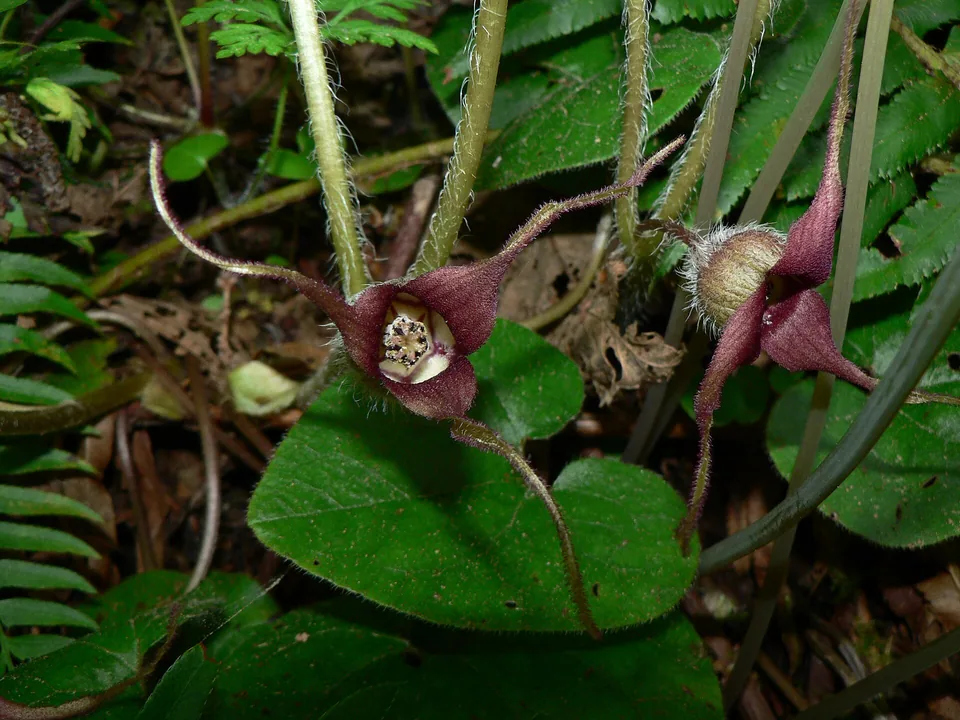
Asarum caudatum , wild ginger [British Columbia wild ginger], is a native perennial forb that is evergreen throughout most of its range.Familia
Aristolochiaceae
Qué dicen las fuentes (1)
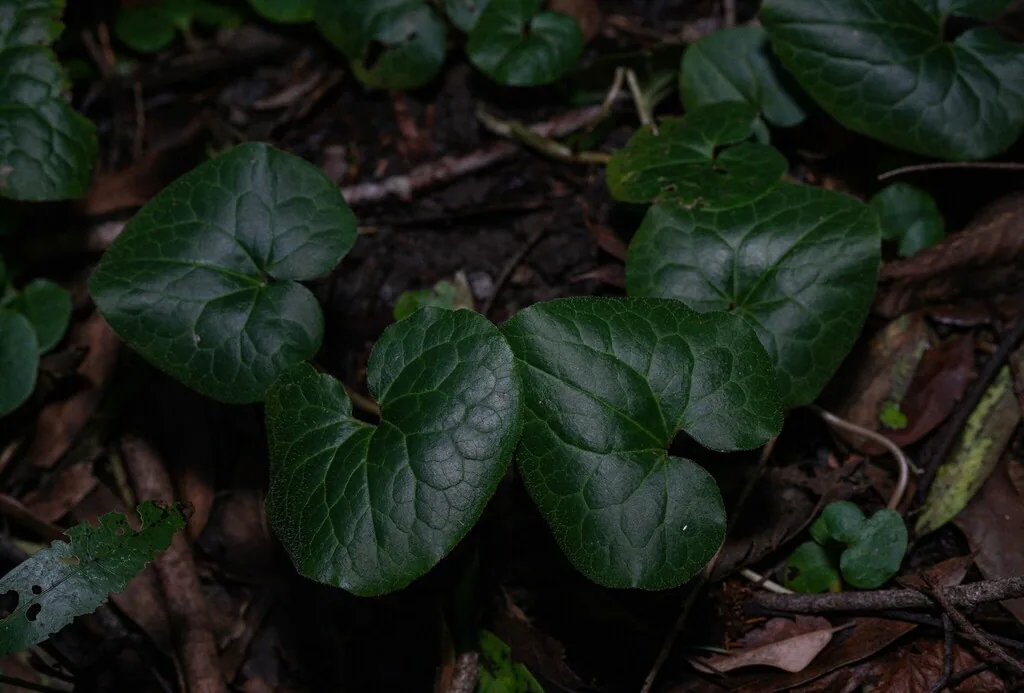
Wild ginger is a member of the birthwort family (Aristolochiaceae). Deep green, hirsute, heart shaped leaves with distinctive, prominent venationPlagas y enfermedades
Plagas
babosas
Qué dicen las fuentes (1)
In parts of its range, wild ginger may comprise an important food source for rodents (particularly pocket gophers). The species is also palatable to slugs.Abonado
Cuándo
En primavera, como abono superficial
Qué dicen las fuentes (1)
They are easy growers, only needing water in dry weather and a top dressing of fertilizer in the spring, much the same care one would give rhododendrons.Remedios
Cada remedio indica qué dicen las fuentes oficiales; los remedios tradicionales sin fuente oficial aparecen marcados. Los perjudiciales están para que sepas evitarlos.
Cuidar la planta
babosas y caracoles
recolección manual Fuente oficial, sin prueba independiente
Cómo: Las babosas y los caracoles se pueden eliminar recogiéndolos a mano, buscándolos unas horas después del anochecer con una linterna.
Slugs and snails can be removed by handpicking. The best time to look for them is a few hours after dark using a flashlight.
— hgic.clemson.edu [8] trampas de cerveza Fuente oficial, sin prueba independiente
Cómo: Llena recipientes poco profundos con cerveza y colócalos en un hoyo en el suelo de modo que los bordes queden a nivel del suelo; riega la zona primero para fomentar la actividad de las babosas esa noche.
Slug and snail traps can be made by filling shallow containers with beer and placing in a hole in the soil so that the rims are level with the soil.
— hgic.clemson.edu [8] Retira el mantillo y la hojarasca cerca de las plantas. Fuente oficial, sin prueba independiente
Cómo: Retira el mantillo y la hojarasca cerca de las plantas para reducir las condiciones húmedas que babosas y caracoles necesitan para sobrevivir.
The first step in discouraging slugs and snails is to remove mulch and leaf litter near plants to reduce the moist conditions necessary for their survival.
— hgic.clemson.edu [8] tierra de diatomeas Fuente oficial, sin prueba independiente
Cómo: Espolvorea tierra de diatomeas alrededor de las plantas; debe reaplicarse después de una lluvia o riego.
Protect plants by sprinkling diatomaceous earth around the plants. Diatomaceous earth is very sharp and scratches the skin of these soft-bodied critters, resulting in dehydration and death.
— hgic.clemson.edu [8]
Calendario
Siembra
Las fuentes dan valores distintos según la región, la zona o las condiciones de cultivo.
Lo que dice cada fuente
Semilla fresca, marco frío (Practical Plants).: En cuanto maduran en verano.
Semilla almacenada, al aire libre (Universidad de Washington).: abril
Semilla almacenada (Practical Plants).: Finales del invierno
Qué dicen las fuentes (4)
Semilla fresca, marco frío (Practical Plants).: Seed - best sown in a cold frame as soon as it is ripe in the summerSemilla almacenada, al aire libre (Universidad de Washington).: sow outdoors in April for plants the following springSemilla almacenada (Practical Plants).: Stored seed will require 3 weeks cold stratification and should be sown in late winterSeed - best sown in a cold frame as soon as it is ripe in the summerPlantación
Finales de primavera (plántulas); otoño (esquejes de raíz).
Lo que dice cada fuente
plántulas: Fines de la primavera
Esquejes de raíz.: Otoño
Qué dicen las fuentes (4)
plántulas: Plant them out when large enough in late spring.Esquejes de raíz.: For root cuttings, these should be started in a sand medium and planted out in the fall.Plant them out when large enough in late spring.For root cuttings, these should be started in a sand medium and planted out in the fall.Cosecha
Raíz: todo el año, mejor en otoño.
Qué dicen las fuentes (1)
It can be harvested all year round, but is best in the autumnPoda
No figura en las fuentes consultadas.
Meses tal como los dan las fuentes, en su mayoría de Estados Unidos (hemisferio norte). En el hemisferio sur se desplazan unos seis meses.
Comestibilidad
Según la fuente, citada textualmente. No comas una planta basándote solo en esta página: los errores de identificación pueden ser peligrosos.
Valores orientativos
Valores de una fuente secundaria, no comprobados palabra por palabra como el resto de esta página. Úselos como punto de partida.
- Altura adulta
- 7.6-15.2 cm (0.25-0.5 pies)Valor orientativo, adáptalo a tu clima · Fuente secundaria
- Horas de sol
- 4-6 horasValor orientativo, adáptalo a tu clima · Fuente secundaria
- Resiste la sequía
- SíValor orientativo, adáptalo a tu clima · Fuente secundaria
- Suelo
- Ácido, Pantanoso, Rico en humusValor orientativo, adáptalo a tu clima · Fuente secundaria
- pH del suelo
- 5.5-6.5Valor orientativo, adáptalo a tu clima · Fuente secundaria
- Zonas de rusticidad USDA
- 7-10 [mínima invernal de −17,8 a 4,4 °C (de 0 a 40 °F)]Valor orientativo, adáptalo a tu clima · Fuente secundaria
- Nivel de cuidado
- MedioValor orientativo, adáptalo a tu clima · Fuente secundaria
- Crecimiento
- BajoValor orientativo, adáptalo a tu clima · Fuente secundaria
- Poda
- Marzo, abrilValor orientativo, adáptalo a tu clima · Fuente secundaria
Plantas similares
- Chinese Wild Ginger Asarum splendens
- Little Brown Jugs Asarum arifolium
- Little Heartleaf Asarum minus
- Virginia Heartleaf Asarum virginicum
- Jengibre de Canadá Asarum canadense
- Ásaro Asarum europaeum
- Dutchman's Pipe Aristolochia macrophylla
- Aristoloquia gigante Aristolochia gigantea
Fuentes
Cada valor anterior se cita de estos documentos. Los enlaces llevan al editor original.
- Plant Data Sheet http://depts.washington.edu/propplnt/Plants/asarumcaudatum.htm · courses.washington.edu, consultado
- Asarum caudatum - Useful Temperate Plants · temperate.theferns.info, consultado
- Wild Ginger (Asarum caudatum) — Practical Plants · practicalplants.org, consultado
- Wild Ginger • East Multnomah Soil and Water Conservation District · emswcd.org, consultado
- Lady Bird Johnson Wildflower Center - The University of Texas at Austin · wildflower.org, consultado
- Wild Ginger (Asarum caudatum) | US Forest Service · fs.usda.gov, consultado
- scholar.lib.vt.edu · scholar.lib.vt.edu
- hgic.clemson.edu · hgic.clemson.edu
Escrito por Emilio Marruso · última revisión