
Cómo cultivar y cuidar Abedul pubescente
Betula pubescens
Escrito por Emilio Marruso · última revisión
De un vistazo
El abedul pubescente es un árbol lleno de sorpresas: en primavera su savia sirve para preparar bebidas refrescantes, y los ejemplares más altos llegan a 20 m. Dale mucha luz y no dejes nunca que se seque, sobre todo cuando es una plántula. Empieza desde semilla en abril, tras cuatro semanas en frío y humedad, y disfruta viéndolo crecer.
- Sol
Necesita mucha luz
Qué dicen las fuentes (2)
Luz: Demandante de luz
A light demanding pioneer species with moderate early height growth which is frost resistant and windfirm.
— Downy birch (DBI) - Forest Research [5] Downy birch can grow on poor soils but is light-demanding and cannot tolerate drought. It thrives
— Betula pubescens - EUFORGEN European forest genetic resources programme [1] - Riego
No soporta la sequía; no dejes nunca que las plántulas se sequen
Qué dicen las fuentes (2)
Notas sobre el riego: No tolera la sequía; las plántulas nunca deben secarse.
Downy birch can grow on poor soils but is light-demanding and cannot tolerate drought. It thrives in a range of habitats from
— Betula pubescens - EUFORGEN European forest genetic resources programme [1] Never let your seeds or young seedlings dry out! Because these seeds
— Downy birch - how to grow Downy Birch from seed | a guide from TCV [2] - Cosecha
La savia de primavera da bebidas refrescantes; la corteza interior se come cocida o seca y molida
- Plagas
Vigila la roya del abedul, la podredumbre de raíz por armilaria y la seca de ramas
Qué dicen las fuentes (3)
Enfermedades: roya del abedul (Melampsoridium betulinum), pudrición radical por Armillaria (hongo de la miel), muerte regresiva
Rust pathogen Melampsoridium betulinum is considered important on birch in several European countries, associated with retarded height growth and increased mortality.
— Downy birch (DBI) - Forest Research [5] Betula is also rated as very susceptible to Armillaria root rot (honey fungus).
— Downy birch (DBI) - Forest Research [5] Widespread and gradual dieback of birch occurs in some areas, especially in young trees 5-10 years after planting.
— Downy birch (DBI) - Forest Research [5] - Tamaño
Los ejemplares más altos llegan a 20 m
Qué dicen las fuentes (1)
Altura adulta: 2000 cm (20 m, los árboles más altos)
Yield classes of 4-6 are usual, and the tallest trees are around 20 m
— Downy birch (DBI) - Forest Research [5] - Multiplicación
Se multiplica por semilla, guardada 4 semanas en frío y humedad antes de sembrar
Qué dicen las fuentes (2)
Propagación: Semilla (pretratamiento en frío y humedad durante cuatro semanas antes de la siembra)
Four weeks prior to sowing, place your seeds in a cotton bag and soak them in clean, cold water for
— Downy birch - how to grow Downy Birch from seed | a guide from TCV [2] Mix the seeds with a little moist horticultural sand and place in loosely-tied plastic bags in the bottom of a fridge (not
— Downy birch - how to grow Downy Birch from seed | a guide from TCV [2] - Siembra
Siembra en abril
Qué dicen las fuentes (1)
Siembra: abril
Aim to sow during April on seedbeds or in a pot (5-10 seeds per pot and remove all
— Downy birch - how to grow Downy Birch from seed | a guide from TCV [2]
Resumen
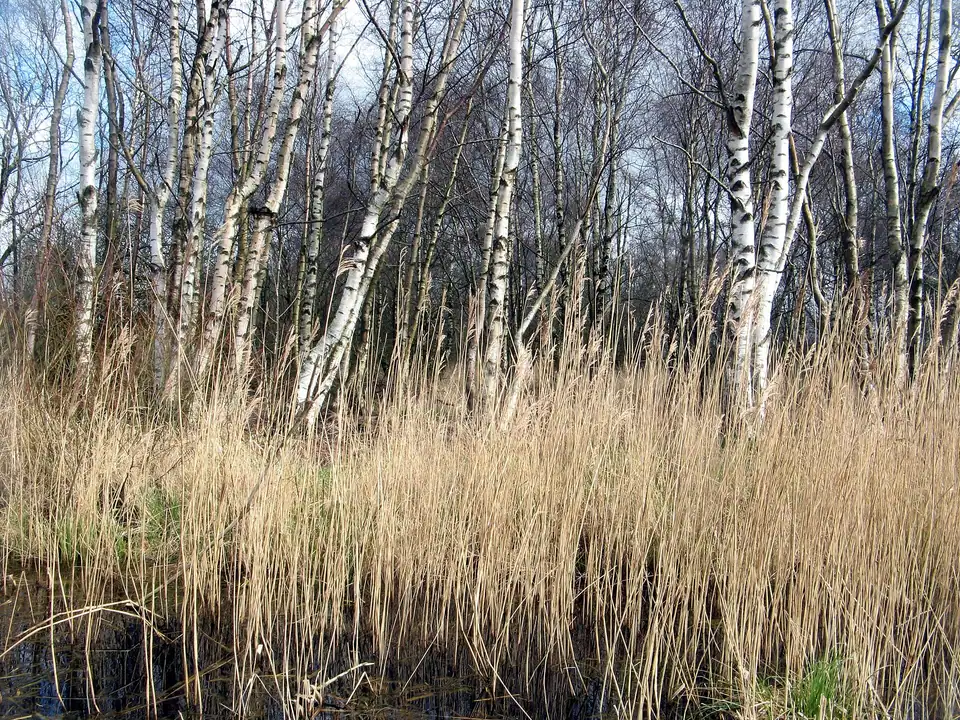
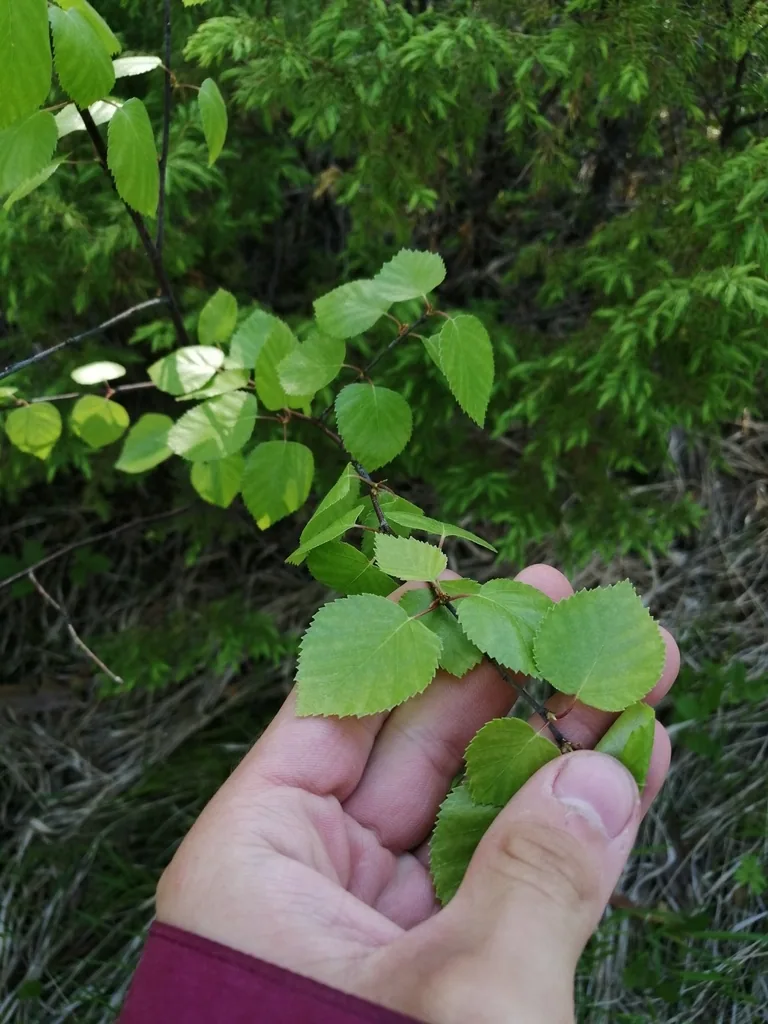
El abedul velloso es un árbol caducifolio de crecimiento rápido originario del norte de Europa y Asia, resistente al frío y demandante de luz. [1] Se da en suelos más húmedos que el abedul plateado y puede crecer en suelos turbosos. [3][5] Los abedules se consideran malezas por la mayoría de los forestales y a menudo invasoras por los ecologistas en los brezales de tierras bajas. [5]
Citado en inglés, como en la fuente.
Esta ficha está incompleta: las fuentes consultadas aún no cubren todos los campos.
Aún no cubierto por nuestras fuentes: Rusticidad, zona más fría, Rusticidad, zona más cálida
Cuidados
Riego
No tolera la sequía; las plántulas nunca deben secarse.
Qué dicen las fuentes (2)
Downy birch can grow on poor soils but is light-demanding and cannot tolerate drought. It thrives in a range of habitats fromNever let your seeds or young seedlings dry out! Because these seedsLuz
Demandante de luz
Qué dicen las fuentes (2)
A light demanding pioneer species with moderate early height growth which is frost resistant and windfirm.Downy birch can grow on poor soils but is light-demanding and cannot tolerate drought. It thrivesClima y frío
Rusticidad, zona más fría
No figura en las fuentes consultadas.
Rusticidad, zona más cálida
No figura en las fuentes consultadas.
Propagación
Semilla (pretratamiento en frío y humedad durante cuatro semanas antes de la siembra)
Qué dicen las fuentes (2)
Four weeks prior to sowing, place your seeds in a cotton bag and soak them in clean, cold water forMix the seeds with a little moist horticultural sand and place in loosely-tied plastic bags in the bottom of a fridge (notCultivo
La planta
Altura adulta
2000 cm (20 m, los árboles más altos)
Qué dicen las fuentes (1)
Yield classes of 4-6 are usual, and the tallest trees are around 20 mPlagas y enfermedades
Enfermedades
roya del abedul (Melampsoridium betulinum), pudrición radical por Armillaria (hongo de la miel), muerte regresiva
Qué dicen las fuentes (3)
Rust pathogen Melampsoridium betulinum is considered important on birch in several European countries, associated with retarded height growth and increased mortality.Betula is also rated as very susceptible to Armillaria root rot (honey fungus).Widespread and gradual dieback of birch occurs in some areas, especially in young trees 5-10 years after planting.Remedios
Cada remedio indica qué dicen las fuentes oficiales; los remedios tradicionales sin fuente oficial aparecen marcados. Los perjudiciales están para que sepas evitarlos.
Cuidar la planta
pulgones
chorro de agua fuerte Fuente oficial, sin prueba independiente
Cómo: Lava los pulgones del follaje con un chorro de agua fuerte.
Wash aphids from foliage with a strong stream of water.
— hortsense.cahnrs.wsu.edu [8] eliminación manual o poda Fuente oficial, sin prueba independiente
Cómo: Limpia a mano o poda para controlar infestaciones pequeñas y aisladas cuando sea práctico.
Hand-wipe or prune to control small, isolated infestations when practical.
— hortsense.cahnrs.wsu.edu [8]
cancro
eliminación de ramas con cancros Fuente oficial, sin prueba independiente
Cómo: Elimina y destruye ramas o árboles muertos o con cancros severos.
Remove and destroy dead or severely cankered branches or trees.
— pnwhandbooks.org [9]
Cómo eliminarla
invasión de abedul velloso
Corta en invierno a la altura del pecho. No verificado
Remedio tradicional, no verificado por una fuente oficial.
Cómo: Corta en invierno a la altura del pecho; un solo corte no es suficiente, así que repite el tratamiento en los años siguientes.
Calendario
abril
Qué dicen las fuentes (1)
Aim to sow during April on seedbeds or in a pot (5-10 seeds per pot and remove allMeses tal como los dan las fuentes, en su mayoría de Estados Unidos (hemisferio norte). En el hemisferio sur se desplazan unos seis meses.
Comestibilidad
Según la fuente, citada textualmente. No comas una planta basándote solo en esta página: los errores de identificación pueden ser peligrosos.
Valores orientativos
Valores de una fuente secundaria, no comprobados palabra por palabra como el resto de esta página. Úselos como punto de partida.
- Horas de sol
- 4-6 horasValor orientativo, adáptalo a tu clima · Fuente secundaria
- Riego
- FrecuenteValor orientativo, adáptalo a tu clima · Fuente secundaria
- pH del suelo
- 5-6.5Valor orientativo, adáptalo a tu clima · Fuente secundaria
- Nivel de cuidado
- MedioValor orientativo, adáptalo a tu clima · Fuente secundaria
- Crecimiento
- BajoValor orientativo, adáptalo a tu clima · Fuente secundaria
- Poda
- Febrero, marzo, abrilValor orientativo, adáptalo a tu clima · Fuente secundaria
Plantas similares
- Asian White Birch Betula platyphylla
- Abedul rojo Betula occidentalis
- Abedul común Betula pendula
- Jacquemontii Birch Tree Betula jacquemontii
- Japanese Cherry Birch Betula grossa
- Abedul de Maximowicz Betula maximowicziana
- Abedul papirífero Betula papyrifera
- River Birch Betula nigra
Fuentes
Cada valor anterior se cita de estos documentos. Los enlaces llevan al editor original.
- Betula pubescens - EUFORGEN European forest genetic resources programme · euforgen.org, consultado
- Downy birch - how to grow Downy Birch from seed | a guide from TCV · treegrowing.tcv.org.uk, consultado
- Downy Birch (Betula pubescens) - Woodland Trust · woodlandtrust.org.uk, consultado
- Bean's Trees and Shrubs · beanstreesandshrubs.org, consultado
- Downy birch (DBI) - Forest Research · forestresearch.gov.uk, consultado
- Birch | Betula species · pfaf.org, consultado
- Bouleau pubescent · spot.creamontblanc.org, consultado
- hortsense.cahnrs.wsu.edu · hortsense.cahnrs.wsu.edu
- pnwhandbooks.org · pnwhandbooks.org
Escrito por Emilio Marruso · última revisión