
Cómo cultivar y cuidar Snowbrush ceanothus
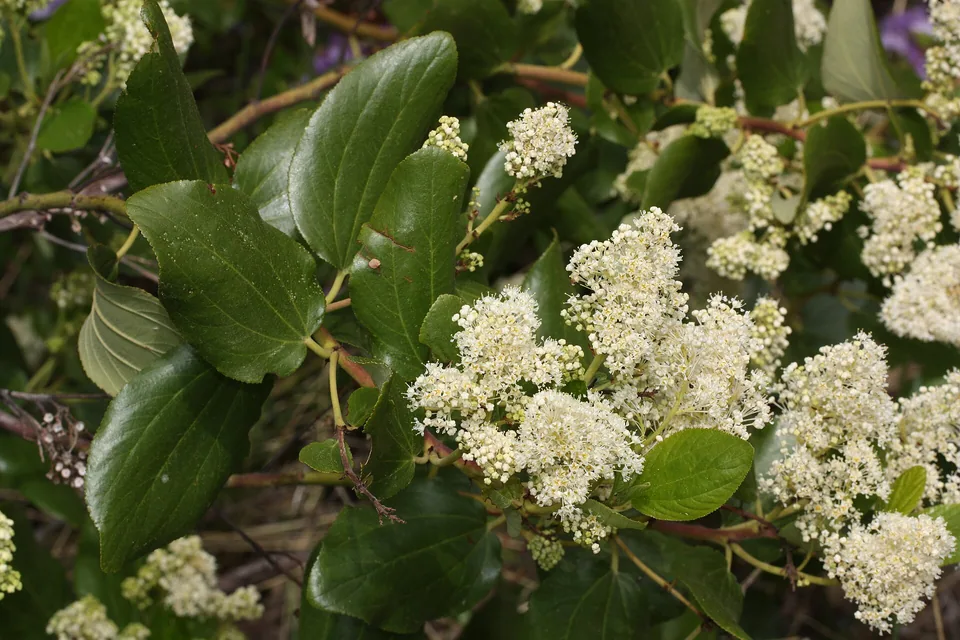
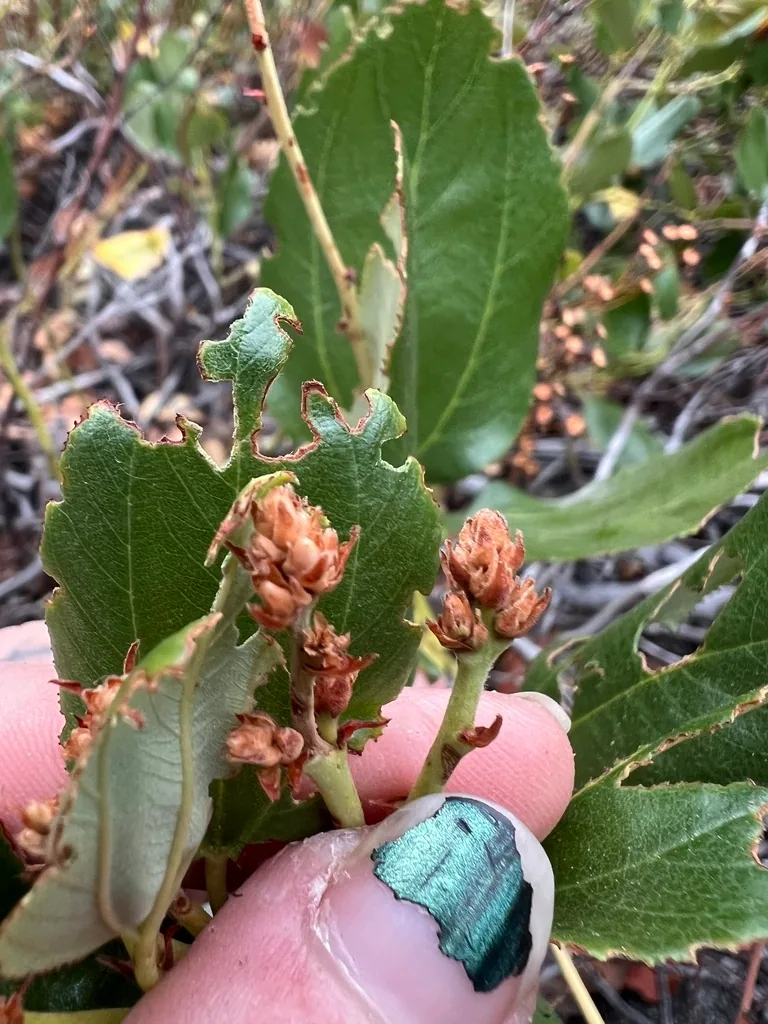
Ceanothus velutinus
Escrito por Emilio Marruso · última revisión
De un vistazo
Esta planta vivaz amante del sol alcanza hasta 3 m de alto y se adapta a suelos con pH de 5,5 a 7,0. Planta los esquejes enraizados en primavera, riégalos a menudo durante su primer año y no dejes que las raíces se encharquen. Puedes multiplicarla por semilla, esquejes o acodo, así que una sola planta pronto puede convertirse en muchas.
- Sol
Sol pleno
Qué dicen las fuentes (2)
Luz: Pleno sol
Growing in full sun, C. velutinus prefers open-wooded slopes; dense patches of growth are found in disturbed areas such as roadsides, logged areas, and previously burned forest.
— Rhamnaceae (Ceanothus) — Reforestation, Nurseries and Genetics Resources [2] Snowbrush grows to about 9 feet (3m) tall. It sometimes sprawls as it competes for sunlight, growing best in full sun.
— Snowbrush, Ceanothus velutinus | Native Plants PNW [7] - Riego
Riega a menudo los esquejes nuevos el primer año, pero sin encharcar las raíces
Qué dicen las fuentes (2)
Notas sobre el riego: Los esquejes enraizados necesitan riego frecuente durante el primer año; las raíces son susceptibles al exceso de humedad.
Cuttings require frequent watering for first year.
— Plant Data Sheet http://depts.washington.edu/propplnt/Plants/snowbrush.htm [6] Roots susceptible to excess moisture and should be uppotted to well-drained media.
— Plant Data Sheet http://depts.washington.edu/propplnt/Plants/snowbrush.htm [6] - Suelo
Suelo de ácido a neutro, pH 5,5–7,0
Qué dicen las fuentes (2)
pH del suelo, mínimo: 5.5
Usually found in soils with PH 5.5-7.0.
— Plant Data Sheet http://depts.washington.edu/propplnt/Plants/snowbrush.htm [6] pH del suelo, máximo: 7.0
Usually found in soils with PH 5.5-7.0.
— Plant Data Sheet http://depts.washington.edu/propplnt/Plants/snowbrush.htm [6] - Plantación
Planta los esquejes enraizados en primavera, en su primer o segundo año
Qué dicen las fuentes (1)
Plantación: Primavera (esquejes enraizados, en el primer o segundo año)
Transplant cuttings in spring, first or second year.
— Plant Data Sheet http://depts.washington.edu/propplnt/Plants/snowbrush.htm [6] - Tamaño
Hasta 3 m de alto
Qué dicen las fuentes (2)
- Multiplicación
Por semilla, esquejes o acodo; las semillas necesitan calor o lijado y luego un periodo de frío
Qué dicen las fuentes (3)
Propagación: Semilla (escarificada por calor o abrasión, luego estratificación en frío), esquejes, acodo
Seed must be scarified. Heat or abrasion. Heat works best. 176-203 F (80-95 C) is optimal to break seed coat. Germinates better if scarification is followed by cold stratification.
— Plant Data Sheet http://depts.washington.edu/propplnt/Plants/snowbrush.htm [6] Seed, layered, cuttings.
— Plant Data Sheet http://depts.washington.edu/propplnt/Plants/snowbrush.htm [6] Can also spread by layering.
— Plant Data Sheet http://depts.washington.edu/propplnt/Plants/snowbrush.htm [6]
Resumen
El ceanoto es un arbusto de hoja perenne que crece hasta unos 9 pies (3 m) de altura, a veces extendido. [7] Prefiere laderas con bosques abiertos y se encuentra en áreas perturbadas como bordes de caminos, zonas taladas y bosques previamente quemados. [2] Es un fijador de nitrógeno adaptado al fuego, y sus semillas necesitan escarificación por calor para germinar. [6][3]
Citado en inglés, como en la fuente.
Esta ficha está incompleta: las fuentes consultadas aún no cubren todos los campos.
Aún no cubierto por nuestras fuentes: Riego, Rusticidad, zona más fría, Rusticidad, zona más cálida, Poda
Cuidados
Riego
Riego
No figura en las fuentes consultadas.
Notas sobre el riego
Los esquejes enraizados necesitan riego frecuente durante el primer año; las raíces son susceptibles al exceso de humedad.
Qué dicen las fuentes (2)
Cuttings require frequent watering for first year.Roots susceptible to excess moisture and should be uppotted to well-drained media.Luz
Pleno sol
Qué dicen las fuentes (2)
Growing in full sun, C. velutinus prefers open-wooded slopes; dense patches of growth are found in disturbed areas such as roadsides, logged areas, and previously burned forest.Snowbrush grows to about 9 feet (3m) tall. It sometimes sprawls as it competes for sunlight, growing best in full sun.Clima y frío
Rusticidad, zona más fría
No figura en las fuentes consultadas.
Rusticidad, zona más cálida
No figura en las fuentes consultadas.
Suelo
pH del suelo, mínimo
5.5
Qué dicen las fuentes (1)
Usually found in soils with PH 5.5-7.0.pH del suelo, máximo
7.0
Qué dicen las fuentes (1)
Usually found in soils with PH 5.5-7.0.Propagación
Semilla (escarificada por calor o abrasión, luego estratificación en frío), esquejes, acodo
Qué dicen las fuentes (3)
Seed must be scarified. Heat or abrasion. Heat works best. 176-203 F (80-95 C) is optimal to break seed coat. Germinates better if scarification is followed by cold stratification.Seed, layered, cuttings.Can also spread by layering.Cultivo
La planta
Ciclo de vida
perenne
Qué dicen las fuentes (1)
Snowbrush Ceanothus Ceanothus Velutinus Plant type: Shrub, Tree Growing Season: No information found Life Cycle: PerennialFamilia
Rhamnaceae
Qué dicen las fuentes (1)
snowbrush Rhamnaceae Ceanothus velutinus Douglas ex Hook. symbol: CEVEAltura adulta
hasta 304.8 cm (10 pies)
Remedios
Cada remedio indica qué dicen las fuentes oficiales; los remedios tradicionales sin fuente oficial aparecen marcados. Los perjudiciales están para que sepas evitarlos.
Cuidar la planta
pulgones
chorro fuerte de agua No verificado
Remedio tradicional, no verificado por una fuente oficial.
Cómo: Rocía con un chorro de agua fuerte y atrae depredadores naturales como mariquitas y crisopas.
aceite de neem Funciona en parte
Cómo: Rocía con un chorro de agua fuerte o con aceite de neem.
Spray with strong water stream or neem oil. Attract natural predators like ladybugs and lacewings.
— lizplants.com [8] Qué dicen las pruebas Some benefits of neem include low mammalian toxicity and limited persistence in the environment. However, neem oil is not effective against every insect and disease
— extension.unh.edu [9]
ácaros araña
rociado con agua No verificado
Remedio tradicional, no verificado por una fuente oficial.
Cómo: Rocía con agua para desalojarlos; usa aceite de neem si es grave.
pudrición de la raíz
evitando el riego excesivo y mejorando el drenaje Fuente oficial, sin prueba independiente
Cómo: Mejora el drenaje donde se cultivan las plantas; no riegues en exceso; elimina y destruye las plantas infectadas.
Do not overwater. Ceanothus are best grown in sites where no summer irrigation is received after the plants are established.
— pnwhandbooks.org [10]
Calendario
Plantación
Primavera (esquejes enraizados, en el primer o segundo año)
Qué dicen las fuentes (1)
Transplant cuttings in spring, first or second year.Poda
No figura en las fuentes consultadas.
Meses tal como los dan las fuentes, en su mayoría de Estados Unidos (hemisferio norte). En el hemisferio sur se desplazan unos seis meses.
Valores orientativos
Valores de una fuente secundaria, no comprobados palabra por palabra como el resto de esta página. Úselos como punto de partida.
- Horas de sol
- 6-8 horasValor orientativo, adáptalo a tu clima · Fuente secundaria
- Riego
- PromedioValor orientativo, adáptalo a tu clima · Fuente secundaria
- Resiste la sequía
- SíValor orientativo, adáptalo a tu clima · Fuente secundaria
- Suelo
- Arena, margaValor orientativo, adáptalo a tu clima · Fuente secundaria
- Nivel de cuidado
- MedioValor orientativo, adáptalo a tu clima · Fuente secundaria
- Crecimiento
- BajoValor orientativo, adáptalo a tu clima · Fuente secundaria
- Poda
- febrero, marzo, abril, mayo, mayo, agosto, diciembre, enero, febreroValor orientativo, adáptalo a tu clima · Fuente secundaria
Plantas similares
- Blue Blossom Ceanothus thyrsiflorus
- New Jersey Tea Ceanothus americanus
- Carolina Buckthorn Frangula caroliniana
- Espino cerval Rhamnus cathartica
- Palo dulce Hovenia dulcis
- Espina santa Paliurus spina-christi
- Jujube Ziziphus jujuba
- Arraclán Frangula alnus
Fuentes
Cada valor anterior se cita de estos documentos. Los enlaces llevan al editor original.
- danielle_test | USU · extension.usu.edu, consultado
- Rhamnaceae (Ceanothus) — Reforestation, Nurseries and Genetics Resources · npn.rngr.net, consultado
- Virginia Tech Dendrology Fact Sheet · dendro.cnre.vt.edu, consultado
- Ceanothus velutinus - Trees and Shrubs Online · treesandshrubsonline.org, consultado
- Plant Data Sheet · depts.washington.edu, consultado
- Plant Data Sheet http://depts.washington.edu/propplnt/Plants/snowbrush.htm · courses.washington.edu, consultado
- Snowbrush, Ceanothus velutinus | Native Plants PNW · nativeplantspnw.com, consultado
- lizplants.com · lizplants.com
- extension.unh.edu · extension.unh.edu
- pnwhandbooks.org · pnwhandbooks.org
Escrito por Emilio Marruso · última revisión