Cómo cultivar y cuidar Alcanforero
Cinnamomum camphora
Escrito por Emilio Marruso · última revisión
Tóxica para: Animales · Por qué
De un vistazo
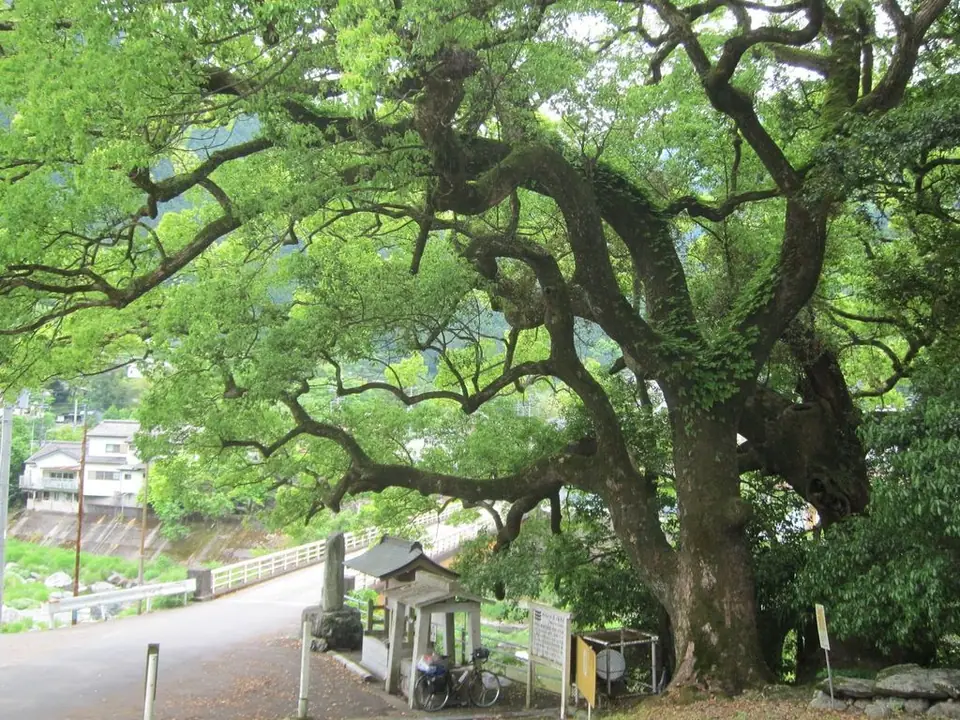
El alcanforero es un gigante generoso y sin complicaciones: alcanza 12–15 m de alto y se extiende aún más, 15–21 m de ancho. Prospera a pleno sol o en semisombra, tolera el suelo seco y resiste la mayoría de plagas y enfermedades. Sus frutos negros, del tamaño de un guisante, alimentan a muchas aves: dale mucho espacio y vigila las plántulas nuevas.
- Sol
Sol pleno o semisombra
Qué dicen las fuentes (1)
Luz: Pleno sol a semisombra
Light: Full sun (6 or more hours of direct sunlight a day) Partial Shade (Direct sunlight only part of the day, 2-6 hours)
— Cinnamomum camphora (Camphortree, Camphor Tree) | North Carolina Extension Gardener Plant Toolbox [1] - Riego
Resiste la sequía y el suelo seco; no dejes que la tierra siga mojada
Qué dicen las fuentes (1)
Riego: Tolerante a la sequía; tolera suelos secos
#salt intolerant #dry soils tolerant #drought tolerant #insect resistant #messy #disease resistant
— Cinnamomum camphora (Camphortree, Camphor Tree) | North Carolina Extension Gardener Plant Toolbox [1] - Frío
Aguanta inviernos de hasta −3,9 °C (25 °F)
Semirrústica: inviernos suaves o invernadero sin calefacción · USDA 9b · RHS H3 · Z9
Qué dicen las fuentes (2)
Rusticidad, zona más fría: 9b [mínima invernal de −3,9 a −1,1 °C (de 25 a 30 °F)]
USDA Plant Hardiness Zone: 9b, 10a, 10b, 11a, 11b
— Cinnamomum camphora (Camphortree, Camphor Tree) | North Carolina Extension Gardener Plant Toolbox [1] Rusticidad, zona más cálida: 11b [mínima invernal de 7,2 a 10 °C (de 45 a 50 °F)]
USDA Plant Hardiness Zone: 9b, 10a, 10b, 11a, 11b
— Cinnamomum camphora (Camphortree, Camphor Tree) | North Carolina Extension Gardener Plant Toolbox [1] - Plagas
Cochinillas y ácaros; puede sufrir marchitez del laurel y podredumbre de raíz en suelo encharcado
Qué dicen las fuentes (3)
Plagas: cochinillas, ácaros
Insects, Diseases, and Other Plant Problems: Resistant to most pests and diseases. This plant is susceptible to laurel wilt, as well as scales and mites.
— Cinnamomum camphora (Camphortree, Camphor Tree) | North Carolina Extension Gardener Plant Toolbox [1] Enfermedades: marchitez del laurel, pudrición de raíces
Insects, Diseases, and Other Plant Problems: Resistant to most pests and diseases. This plant is susceptible to laurel wilt, as well as scales and mites.
— Cinnamomum camphora (Camphortree, Camphor Tree) | North Carolina Extension Gardener Plant Toolbox [1] Ensure that the soil does not remain wet, as it is susceptible to root rot.
— Cinnamomum camphora (Camphortree, Camphor Tree) | North Carolina Extension Gardener Plant Toolbox [1] - Atención
Invasora: las aves esparcen sus semillas y los tocones rebrotan; arranca las plántulas nuevas
- Tamaño
12–15 m de alto y 15–21 m de ancho
Qué dicen las fuentes (4)
Altura adulta: 1219-1524 cm (40-50 pies)
Dimensions: Height: 40 ft. 0 in. - 50 ft. 0 in. Width: 50 ft. 0 in. - 70 ft. 0 in.
— Cinnamomum camphora (Camphortree, Camphor Tree) | North Carolina Extension Gardener Plant Toolbox [1] Life expectancy: Up to 150 years Height: 40 to 50 feet Crown: 50 to 70 feet Diameter: Up to 6 feet +
— Camphor Tree - School of Forest, Fisheries, & Geomatics Sciences - Institute of Food and Agricultural Sciences - University of Florida, Institute of Food and Agricultural Sciences - UF/IFAS [4] Anchura adulta: 1524-2134 cm (50-70 pies)
Dimensions: Height: 40 ft. 0 in. - 50 ft. 0 in. Width: 50 ft. 0 in. - 70 ft. 0 in.
— Cinnamomum camphora (Camphortree, Camphor Tree) | North Carolina Extension Gardener Plant Toolbox [1] Life expectancy: Up to 150 years Height: 40 to 50 feet Crown: 50 to 70 feet Diameter: Up to 6 feet +
— Camphor Tree - School of Forest, Fisheries, & Geomatics Sciences - Institute of Food and Agricultural Sciences - University of Florida, Institute of Food and Agricultural Sciences - UF/IFAS [4] - Multiplicación
Se multiplica por semilla
Qué dicen las fuentes (1)
Propagación: Semilla
Uses (Ethnobotany): It is used for oils and timber in Asia. Life Cycle: Woody Recommended Propagation Strategy: Seed
— Cinnamomum camphora (Camphortree, Camphor Tree) | North Carolina Extension Gardener Plant Toolbox [1]
Resumen
El árbol de alcanfor es un árbol de hoja ancha perenne, grande y de crecimiento rápido, nativo de Japón y Taiwán. [1] Tolera condiciones urbanas y sequía, pero es maleza e invasivo en el sureste de los Estados Unidos, por lo que no se recomienda plantarlo allí. [1][4] Sus frutos negros son comidos por los pájaros, que dispersan la semilla. [4]
Citado en inglés, como en la fuente.
Cuidados
Riego
Riego
Tolerante a la sequía; tolera suelos secos
Qué dicen las fuentes (1)
#salt intolerant #dry soils tolerant #drought tolerant #insect resistant #messy #disease resistantNotas sobre el riego
Las fuentes dan valores distintos según la región, la zona o las condiciones de cultivo.
Lo que dice cada fuente
Según NC State Extension: El suelo no debe permanecer húmedo; susceptible a la pudrición de la raíz
Según Auburn/ACES (Alabama): Prospera en todos los sitios excepto los más saturados
Según UF School of Forest, Fisheries, and Geomatics Sciences: Crece agresivamente en una variedad de condiciones, de húmedas a secas
Qué dicen las fuentes (4)
Según NC State Extension: Ensure that the soil does not remain wet, as it is susceptible to root rot.Según Auburn/ACES (Alabama): thriving on all but the most saturated sites.Según UF School of Forest, Fisheries, and Geomatics Sciences: The camphor tree grows aggressively in a range of wet to dry conditionsEnsure that the soil does not remain wet, as it is susceptible to root rot.Luz
Pleno sol a semisombra
Qué dicen las fuentes (1)
Light:
Full sun (6 or more hours of direct sunlight a day)
Partial Shade (Direct sunlight only part of the day, 2-6 hours)Clima y frío
Rusticidad, zona más fría
9b [mínima invernal de −3,9 a −1,1 °C (de 25 a 30 °F)]
Qué dicen las fuentes (1)
USDA Plant Hardiness Zone:
9b, 10a, 10b, 11a, 11bRusticidad, zona más cálida
11b [mínima invernal de 7,2 a 10 °C (de 45 a 50 °F)]
Qué dicen las fuentes (1)
USDA Plant Hardiness Zone:
9b, 10a, 10b, 11a, 11bPropagación
Semilla
Qué dicen las fuentes (1)
Uses (Ethnobotany):
It is used for oils and timber in Asia.
Life Cycle:
Woody
Recommended Propagation Strategy:
SeedCultivo
La planta
Familia
Lauraceae
Qué dicen las fuentes (2)
Genus: Cinnamomum Species: camphora Family: Lauraceae Uses (Ethnobotany): It is used for oils and timber in Asia.Family : Lauraceae (Laurel Family) Introduction History : Native of temperate Asia, introduced to Florida 1870-1875Altura adulta
1219-1524 cm (40-50 pies)
Qué dicen las fuentes (2)
Dimensions: Height: 40 ft. 0 in. - 50 ft. 0 in. Width: 50 ft. 0 in. - 70 ft. 0 in.Life expectancy: Up to 150 years Height: 40 to 50 feet Crown: 50 to 70 feet Diameter: Up to 6 feet +Anchura adulta
1524-2134 cm (50-70 pies)
Qué dicen las fuentes (2)
Dimensions: Height: 40 ft. 0 in. - 50 ft. 0 in. Width: 50 ft. 0 in. - 70 ft. 0 in.Life expectancy: Up to 150 years Height: 40 to 50 feet Crown: 50 to 70 feet Diameter: Up to 6 feet +Plagas y enfermedades
Plagas
cochinillas, ácaros
Qué dicen las fuentes (1)
Insects, Diseases, and Other Plant Problems: Resistant to most pests and diseases. This plant is susceptible to laurel wilt, as well as scales and mites.Enfermedades
marchitez del laurel, pudrición de raíces
Qué dicen las fuentes (2)
Insects, Diseases, and Other Plant Problems: Resistant to most pests and diseases. This plant is susceptible to laurel wilt, as well as scales and mites.Ensure that the soil does not remain wet, as it is susceptible to root rot.Problemas
Marchitez del laurel, cochinillas y ácaros
Síntoma: Resistente a la mayoría de plagas y enfermedades, pero susceptible a la marchitez del laurel, cochinillas y ácaros.
Qué hacer: La fuente sugiere considerar plantas nativas en su lugar.
Qué dicen las fuentes (1)
Resistant to most pests and diseases. This plant is susceptible to laurel wilt, as well as scales and mites.
— Cinnamomum camphora (Camphortree, Camphor Tree) | North Carolina Extension Gardener Plant Toolbox [1] Podredumbre de la raíz
Síntoma: Susceptible a la pudrición de la raíz donde el suelo permanece húmedo.
Qué hacer: Asegúrate de que el suelo no permanezca mojado.
Qué dicen las fuentes (1)
Ensure that the soil does not remain wet, as it is susceptible to root rot.
— Cinnamomum camphora (Camphortree, Camphor Tree) | North Carolina Extension Gardener Plant Toolbox [1] Invasividad y rebrote
Síntoma: Se propaga rápidamente en áreas perturbadas mediante semillas dispersadas por aves; los árboles jóvenes y los árboles más grandes rebrotan de troncos cortados o quemados.
Qué hacer: Aplica herbicida a los tocones inmediatamente después de cortar, o usa spray de corteza basal o inyecciones en el tallo; monitorea la aparición de nuevas plántulas.
Qué dicen las fuentes (1)
saplings and larger trees will resprout from cut or burnt stumps. To prevent this, it is recommended to apply herbicide to stumps immediately after cutting
— Camphor Tree: History, Identification, and Control - Alabama Cooperative Extension System [5]
Remedios
Cada remedio indica qué dicen las fuentes oficiales; los remedios tradicionales sin fuente oficial aparecen marcados. Los perjudiciales están para que sepas evitarlos.
Cómo eliminarla
alcanforero (planta no deseada)
siega de plántulas y árboles pequeños Funciona en parte
Cómo: Las plántulas y los árboles pequeños pueden morir con la siega; los árboles jóvenes y los más grandes rebrotarán desde los tocones cortados.
Seedlings and small trees may be killed through mowing or prescribed fire, but saplings and larger trees will resprout from cut or burnt stumps.
— Camphor Tree: History, Identification, and Control - Alabama Cooperative Extension System [5] Qué dicen las pruebas Seedlings and small trees may be killed through mowing or prescribed fire, but saplings and larger trees will resprout from cut or burnt stumps.
— Camphor Tree: History, Identification, and Control - Alabama Cooperative Extension System [5]
Venenosa para los animales
Según la fuente, citada textualmente. No es un consejo médico ni veterinario: si una persona o un animal pudo haber ingerido esta planta, contacta con un centro de toxicología o con un veterinario.
The chemical toxicity of leaf litter from camphor tree may negatively impact growth and survival of riparian invertebrates and aquatic organisms
[3]
Comestibilidad
Según la fuente, citada textualmente. No comas una planta basándote solo en esta página: los errores de identificación pueden ser peligrosos.
It produces black, pea-sized fruit that serves as a food source for various birds.
[4]
Plantas similares
- Canelo Cinnamomum verum
- Canela verdadera Cinnamomum cassia
- California bay Umbellularia californica
- Japanese Spicebush Lindera obtusiloba
- Pondberry Lindera melissifolia
- Sasafrás Sassafras albidum
- Silk Bay Tamala humilis
- Swamp Bay Tamala palustris
Fuentes
Cada valor anterior se cita de estos documentos. Los enlaces llevan al editor original.
- Cinnamomum camphora (Camphortree, Camphor Tree) | North Carolina Extension Gardener Plant Toolbox · plants.ces.ncsu.edu, consultado
- Camphor Tree - Cinnamomum camphora | North Carolina Extension Gardener Plant Toolbox · plants.ces.ncsu.edu, consultado
- | Center for Aquatic and Invasive Plants | University of Florida, IFAS · plant-directory.ifas.ufl.edu, consultado
- Camphor Tree - School of Forest, Fisheries, & Geomatics Sciences - Institute of Food and Agricultural Sciences - University of Florida, Institute of Food and Agricultural Sciences - UF/IFAS · ffgs.ifas.ufl.edu, consultado
- Camphor Tree: History, Identification, and Control - Alabama Cooperative Extension System · aces.edu, consultado
Escrito por Emilio Marruso · última revisión