
Cómo cultivar y cuidar Alpine clematis
Clematis alpina
Escrito por Emilio Marruso · última revisión
De un vistazo
La clemátide alpina regala flores en primavera y pide muy poco a cambio. Abónala en primavera cuando ya esté establecida, pódala justo al terminar la floración y extiende al pie un acolchado de 5–8 cm de compost. Crece también en maceta, y puedes sacar nuevas plantas de esquejes, acodo, división o semilla.
- Abonado
Abona en primavera cuando esté establecida; con demasiado nitrógeno da muchas hojas y pocas flores
Qué dicen las fuentes (10)
Cuándo: En primavera, una vez establecido
en contenedores: In containers, clematis can benefit from being fed throughout spring and summer. Use an organic based, general-purpose liquid fertiliser, following the dose rate and frequency recommended on the packaging.
— [7] Fertilize established plants in spring with an all-purpose garden fertilizer with relatively low numbers. A 10-10-10 or a 5-10-5 are good options. Avoid fertilizers high in urea and ammonia.
— [8] Once established, clematis responds well to rose or tomato fertilizer (5-10-5 or 5-10-10), compost or chicken manure. Feed three times a year in spring, summer and fall.
— [9] Abonos naturales: Compost o estiércol de gallina una vez establecido; cada primavera un mantillo de 5–7,5 cm [2–3 in] de mantillo de hojas, compost de jardín o estiércol bien descompuesto en la base, sin tocar los tallos
Once established, clematis responds well to rose or tomato fertilizer (5-10-5 or 5-10-10), compost or chicken manure. Feed three times a year in spring, summer and fall.
— [9] Annual mulching is very beneficial, helping to improve the soil, retain moisture and smother weed growth. Spread a 5-7.5cm (2-3in) layer of organic matter, like leaf mould, garden compost
— [7] or well-rotted manure, around the base of your plant each spring, being careful not to bank it up against stems to prevent rotting.
— [7] Evitar: Exceso de fertilizante en plantas nuevas; fertilizantes con alto contenido de urea y amoníaco; demasiado nitrógeno
Water new plants well but avoid overfertilizing. Once established, clematis responds well to rose or tomato fertilizer (5-10-5 or 5-10-10), compost or chicken manure.
— [9] Fertilize established plants in spring with an all-purpose garden fertilizer with relatively low numbers. A 10-10-10 or a 5-10-5 are good options. Avoid fertilizers high in urea and ammonia.
— [8] Poor fertilization. When not fertilized regularly, plants can reduce or stop blooming. Alternatively, applying too much fertilizer, especially nitrogen, results in abundant growth but few blooms.
— [8] Signos de exceso: Crecimiento abundante pero pocas flores
Poor fertilization. When not fertilized regularly, plants can reduce or stop blooming. Alternatively, applying too much fertilizer, especially nitrogen, results in abundant growth but few blooms.
— [8] - Poda
Poda justo después de que terminen las flores de primavera
- Plagas
Marchitez de la clemátide, oídio y pulgón; corta los tallos marchitos hasta la parte sana y limpia las herramientas
- Multiplicación
Esquejes en primavera o a principios de verano, acodo a finales de invierno, división en primavera o semilla
Qué dicen las fuentes (2)
Propagación: Enraiza esquejes de madera blanda en primavera; esquejes semimaduros a principios del verano; acodo a finales del invierno; división en primavera; semillas; esquejes basales de madera blanda en primavera
Layer branches in late winter. Basal and softwood cuttings in spring. Division in spring.
— Clematis alpina - ALPINE CLEMATIS [4] Root softwood cuttings in spring or semi-ripe cuttings in early summer.
— World Plants [2] - Maceta
Crece también en maceta; abónala con fertilizante líquido en primavera y verano
Qué dicen las fuentes (8)
En maceta: Sí
This clematis does best in full sun and also grows well in a container.
— Clematis alpina - ALPINE CLEMATIS [4] it is well suited to limited space or even a container.
— Clematis alpina [5] Cuándo: En primavera, una vez establecido
en contenedores: In containers, clematis can benefit from being fed throughout spring and summer. Use an organic based, general-purpose liquid fertiliser, following the dose rate and frequency recommended on the packaging.
— [7] Fertilize established plants in spring with an all-purpose garden fertilizer with relatively low numbers. A 10-10-10 or a 5-10-5 are good options. Avoid fertilizers high in urea and ammonia.
— [8] Once established, clematis responds well to rose or tomato fertilizer (5-10-5 or 5-10-10), compost or chicken manure. Feed three times a year in spring, summer and fall.
— [9] Abonos minerales: Fertilizante para uso general con números bajos, como 10-10-10 o 5-10-5, o 5-10-10
en contenedores: In containers, clematis can benefit from being fed throughout spring and summer. Use an organic based, general-purpose liquid fertiliser, following the dose rate and frequency recommended on the packaging.
— [7] Fertilize established plants in spring with an all-purpose garden fertilizer with relatively low numbers. A 10-10-10 or a 5-10-5 are good options. Avoid fertilizers high in urea and ammonia.
— [8] Once established, clematis responds well to rose or tomato fertilizer (5-10-5 or 5-10-10), compost or chicken manure. Feed three times a year in spring, summer and fall.
— [9]
Resumen
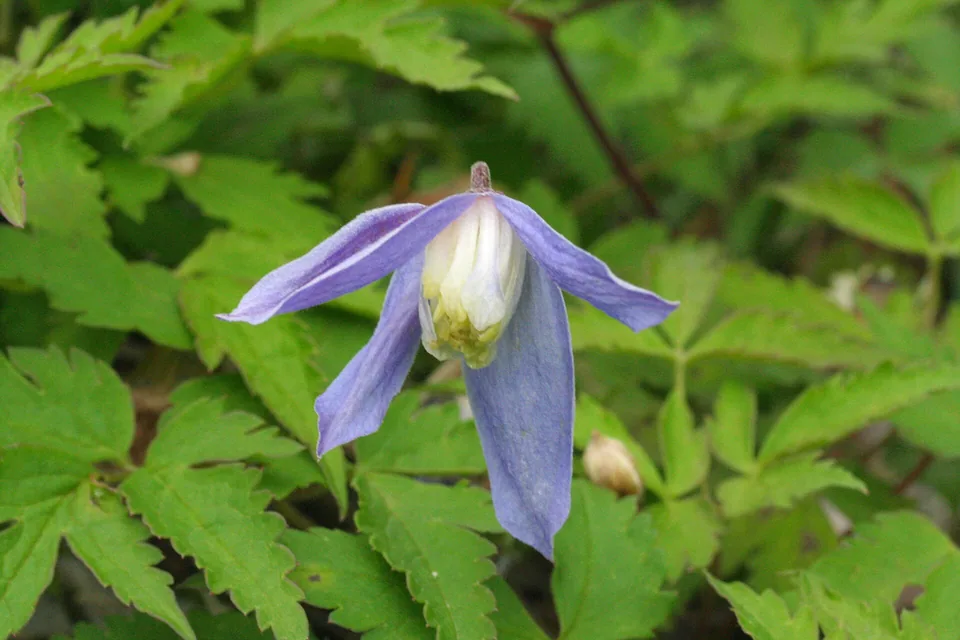
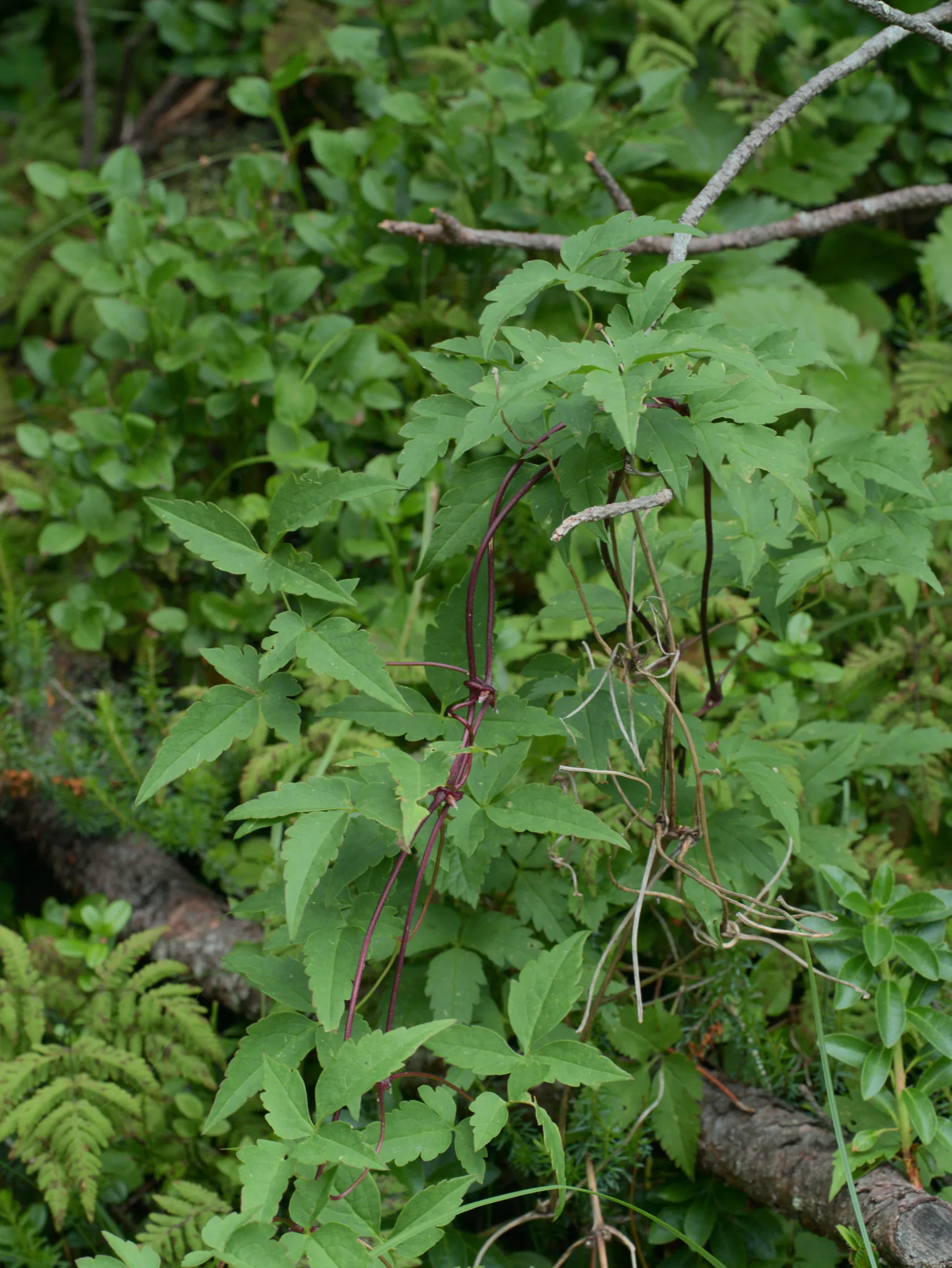
Una trepadora caducifolia de los Alpes europeos, de 2-3 m (6-10 pies) de altura, que florece en primavera con flores azules en forma de campana. [4] Es una de las clemátides más resistentes y pertenece al grupo de poda 1, por lo que solo se poda justo después de la floración. [5][4] Se propaga por esquejes, acodo, división o semilla y también crece bien en un contenedor. [4]
Citado en inglés, como en la fuente.
Esta ficha está incompleta: las fuentes consultadas aún no cubren todos los campos.
Aún no cubierto por nuestras fuentes: Riego
Cuidados
Riego
No figura en las fuentes consultadas.
Luz
Las fuentes dan valores distintos según la región, la zona o las condiciones de cultivo.
Lo que dice cada fuente
Según World Plants: Suelo bien drenado a pleno sol o semisombra
Según Rainy Side Gardeners: Pleno sol o semisombra, con la base a la sombra
Según Fine Gardening: Semisombra a sombra completa
Qué dicen las fuentes (3)
Según World Plants: Well drained soil in full sun to partial shade.Según Rainy Side Gardeners: Tops in full sun to partial shade, feet in shade.Según Fine Gardening: Grows better in shade than in sun. Best suited for a north-facing, cool, shady position.Clima y frío
Rusticidad, zona más fría
Las fuentes dan valores distintos según la región, la zona o las condiciones de cultivo.
Lo que dice cada fuente
Según World Plants: 6 [mínima invernal de −23,3 a −17,8 °C (de −10 a 0 °F)]
Según Rainy Side Gardeners: 6 [mínima invernal de −23,3 a −17,8 °C (de −10 a 0 °F)]
Según Fine Gardening: 4 [mínima invernal de −34,4 a −28,9 °C (de −30 a −20 °F)]
Qué dicen las fuentes (3)
Según World Plants: USDA Hardiness Zone | 6 - 9
| USDA Hardiness Ref. |
| Canadian Hardiness Zone | 5aSegún Rainy Side Gardeners: Hardiness:
Sunset zones: All (Western).
USDA zones: 6-9.Según Fine Gardening: Zones :
4, 5, 6, 7, 8, 9Rusticidad, zona más cálida
9 [mínima invernal de −6,7 a −1,1 °C (de 20 a 30 °F)]
Dónde cultivarla
Propagación
Enraiza esquejes de madera blanda en primavera; esquejes semimaduros a principios del verano; acodo a finales del invierno; división en primavera; semillas; esquejes basales de madera blanda en primavera
Cultivo
Abonado
Cuándo
En primavera, una vez establecido
Lo que dice cada fuente
en contenedores: Durante toda la primavera y el verano
Qué dicen las fuentes (3)
en contenedores: In containers, clematis can benefit from being fed throughout spring and summer. Use an organic based, general-purpose liquid fertiliser, following the dose rate and frequency recommended on the packaging.Fertilize established plants in spring with an all-purpose garden fertilizer with relatively low numbers. A 10-10-10 or a 5-10-5 are good options. Avoid fertilizers high in urea and ammonia.Once established, clematis responds well to rose or tomato fertilizer (5-10-5 or 5-10-10), compost or chicken manure. Feed three times a year in spring, summer and fall.Frecuencia
Las fuentes no coinciden:
Lo que dice cada fuente
en contenedores: Throughout spring and summer, at the frequency on the label
Qué dicen las fuentes (1)
en contenedores: In containers, clematis can benefit from being fed throughout spring and summer. Use an organic based, general-purpose liquid fertiliser, following the dose rate and frequency recommended on the packaging.Abonos naturales
Compost o estiércol de gallina una vez establecido; cada primavera un mantillo de 5–7,5 cm [2–3 in] de mantillo de hojas, compost de jardín o estiércol bien descompuesto en la base, sin tocar los tallos
Qué dicen las fuentes (3)
Once established, clematis responds well to rose or tomato fertilizer (5-10-5 or 5-10-10), compost or chicken manure. Feed three times a year in spring, summer and fall.Annual mulching is very beneficial, helping to improve the soil, retain moisture and smother weed growth. Spread a 5-7.5cm (2-3in) layer of organic matter, like leaf mould, garden compostor well-rotted manure, around the base of your plant each spring, being careful not to bank it up against stems to prevent rotting.Abonos minerales
Fertilizante para uso general con números bajos, como 10-10-10 o 5-10-5, o 5-10-10
Lo que dice cada fuente
en contenedores: Fertilizante líquido de uso general a base de materia orgánica a la dosis indicada en la etiqueta
Qué dicen las fuentes (3)
en contenedores: In containers, clematis can benefit from being fed throughout spring and summer. Use an organic based, general-purpose liquid fertiliser, following the dose rate and frequency recommended on the packaging.Fertilize established plants in spring with an all-purpose garden fertilizer with relatively low numbers. A 10-10-10 or a 5-10-5 are good options. Avoid fertilizers high in urea and ammonia.Once established, clematis responds well to rose or tomato fertilizer (5-10-5 or 5-10-10), compost or chicken manure. Feed three times a year in spring, summer and fall.Evitar
Exceso de fertilizante en plantas nuevas; fertilizantes con alto contenido de urea y amoníaco; demasiado nitrógeno
Qué dicen las fuentes (3)
Water new plants well but avoid overfertilizing. Once established, clematis responds well to rose or tomato fertilizer (5-10-5 or 5-10-10), compost or chicken manure.Fertilize established plants in spring with an all-purpose garden fertilizer with relatively low numbers. A 10-10-10 or a 5-10-5 are good options. Avoid fertilizers high in urea and ammonia.Poor fertilization. When not fertilized regularly, plants can reduce or stop blooming. Alternatively, applying too much fertilizer, especially nitrogen, results in abundant growth but few blooms.Signos de carencia
Floración reducida o nula cuando no se fertiliza regularmente
Qué dicen las fuentes (1)
Poor fertilization. When not fertilized regularly, plants can reduce or stop blooming. Alternatively, applying too much fertilizer, especially nitrogen, results in abundant growth but few blooms.Signos de exceso
Crecimiento abundante pero pocas flores
Qué dicen las fuentes (1)
Poor fertilization. When not fertilized regularly, plants can reduce or stop blooming. Alternatively, applying too much fertilizer, especially nitrogen, results in abundant growth but few blooms.Problemas
Marchitez de la clemátide
Síntoma: Hojas marchitas, pecíolos que se vuelven negros y luego los tallos se marchitan rápidamente.
Qué hacer: Corta los tallos marchitos hasta el tejido sano, desinfecta bien las herramientas y destruye el tejido infectado eliminado; no hay controles químicos disponibles.
Qué dicen las fuentes (2)
Clematis wilt is caused by the fungus Phoma clematidina with the symptoms evident through wilting leaves, leaf stalks turning black and then with the stems starting to quickly wilt.
— World Plants [2] If an infection is apparent, cut the wilted stems back to the healthy tissue.
— World Plants [2] Marchitez, oídio, roya, manchas fúngicas y cancros en los tallos
Síntoma: Se enumeran como problemas comunes; pueden aparecer cochinillas, moscas blancas, tijeretas y pulgones.
Qué hacer: No se proporciona manejo en la fuente.
Qué dicen las fuentes (1)
Wilt, powdery mildew, rust, fungal spots, and stem cankers are common. Scale insects, whiteflies, earwigs, and aphids can occur.
— Alpine clematis - Fine Gardening [3]
Remedios
Cada remedio indica qué dicen las fuentes oficiales; los remedios tradicionales sin fuente oficial aparecen marcados. Los perjudiciales están para que sepas evitarlos.
Primeros auxilios
Primeros auxilios: no sustituyen al médico
irritación de la piel por savia
Lava con agua corriente y jabón. Fuente oficial, sin prueba independiente
Observe the area for such signs of infection as red streaks around the area, swelling, pus, or a lot of discharge. If this happens, see your health care provider.
— poison.org [10] Cómo: Lava bien la zona con abundante agua corriente y jabón.
Wash the area thoroughly with plenty of running water and soap.
— poison.org [10]
Calendario
Meses tal como los dan las fuentes, en su mayoría de Estados Unidos (hemisferio norte). En el hemisferio sur se desplazan unos seis meses.
Valores orientativos
Valores de una fuente secundaria, no comprobados palabra por palabra como el resto de esta página. Úselos como punto de partida.
- Ciclo de vida
- PerenneValor orientativo, adáptalo a tu clima · Fuente secundaria
- Riego
- PromedioValor orientativo, adáptalo a tu clima · Fuente secundaria
- Suelo
- Rico en humus, Bien drenadoValor orientativo, adáptalo a tu clima · Fuente secundaria
- pH del suelo
- 6-7Valor orientativo, adáptalo a tu clima · Fuente secundaria
- Crecimiento
- AltaValor orientativo, adáptalo a tu clima · Fuente secundaria
- Plagas
- Áfidos, adélgidos, cancro, pudrición de la savia, mancha foliar fúngica, mildiu, roya, cochinillas, mosca blanca, psílidosValor orientativo, adáptalo a tu clima · Fuente secundaria
Plantas similares
- Blue Jasmine Clematis crispa
- Bush Clematis Clematis integrifolia
- Clemátide recta Clematis recta
- Curlyhead Clematis ochroleuca
- Fragrant clematis Clematis flammula
- Golden Bell Clematis Clematis tangutica
- Italian Clematis Clematis viticella
- Leatherflower Clematis viorna
Fuentes
Cada valor anterior se cita de estos documentos. Los enlaces llevan al editor original.
- Clematis alpina (L.) Mill. | Plants of the World Online | Kew Science · powo.science.kew.org, consultado
- World Plants · worldplants.ca, consultado
- Alpine clematis - Fine Gardening · finegardening.com, consultado
- Clematis alpina - ALPINE CLEMATIS · rainyside.com, consultado
- Clematis alpina · internationalclematissociety.org, consultado
- Clematis alpina - Alpine Clematis · first-nature.com, consultado
- rhs.org.uk · rhs.org.uk
- yardandgarden.extension.iastate.edu · yardandgarden.extension.iastate.edu
- extension.oregonstate.edu · extension.oregonstate.edu
- poison.org · poison.org
Escrito por Emilio Marruso · última revisión