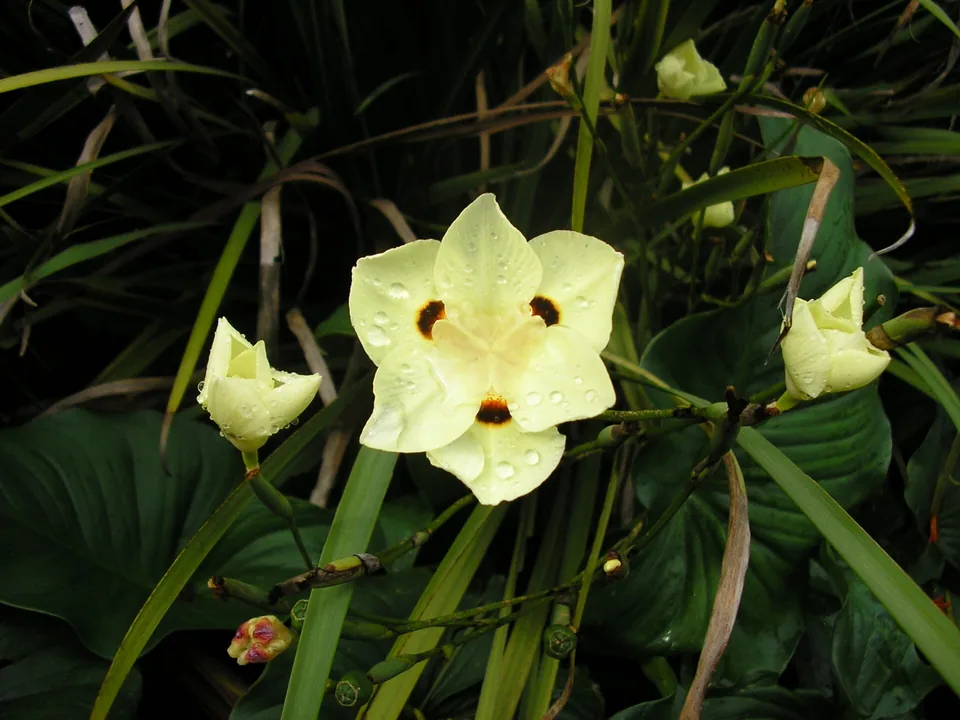
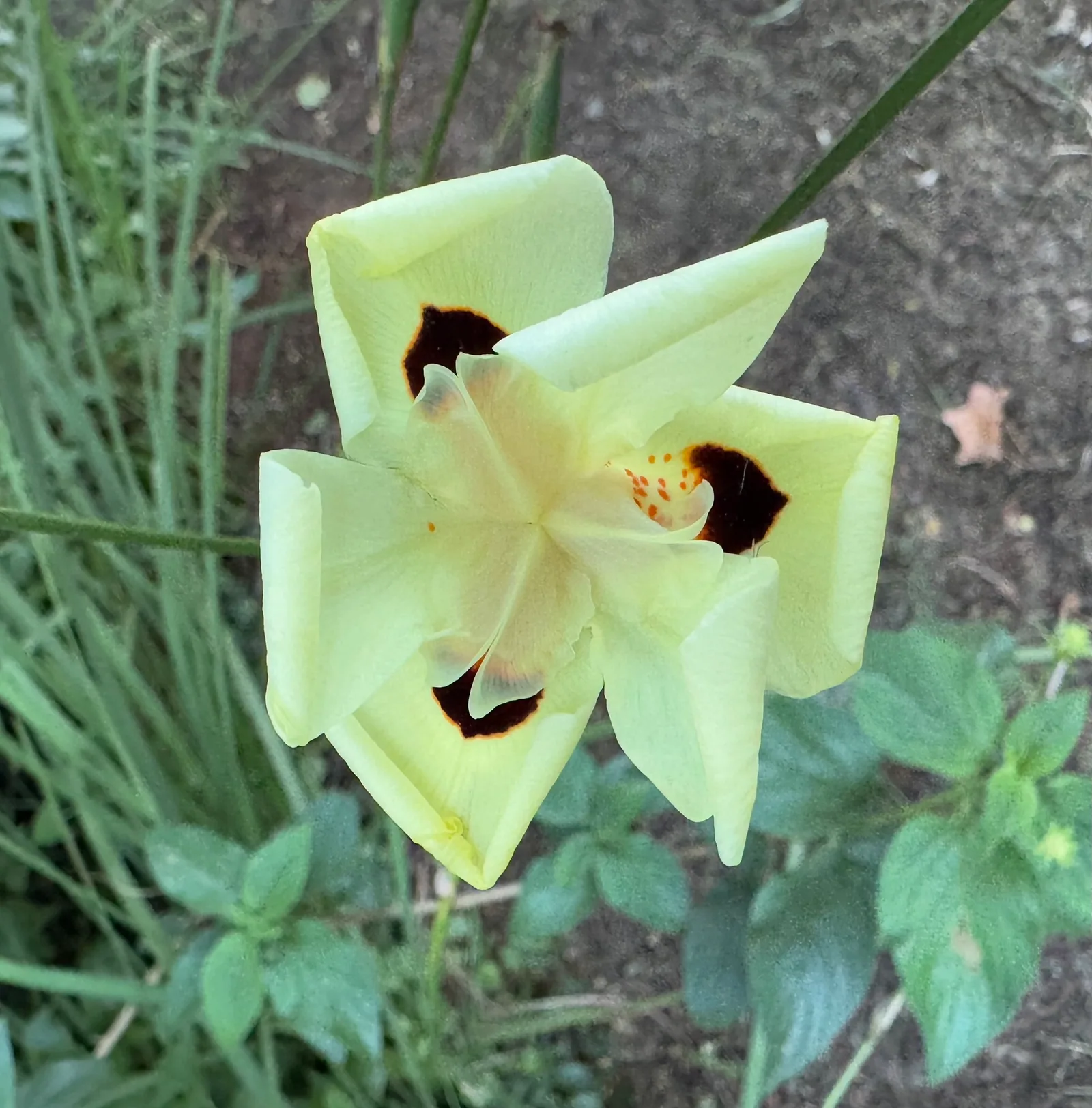

Cómo cultivar y cuidar Iris africano
Dietes bicolor
Escrito por Emilio Marruso · última revisión
De un vistazo
Esta vivaz de la familia de los lirios alcanza de 60 cm a 1,2 m de alto y se adapta desde casi pleno sol hasta semisombra. Le encanta la tierra rica y húmeda, pero tolera algo de sequía, solo necesita uno o dos abonados ligeros al año y crece también en maceta. En climas suaves puedes plantarla en cualquier época y disfrutarla año tras año.
- Sol
De casi pleno sol a semisombra
Qué dicen las fuentes (3)
Luz: Casi pleno sol a semisombra
Según Southern Nevada Water Authority (our area): Does best with partial or dappled shade in our area.
— Find plants - Fortnight Lily [5] growing in nearly full sun to partial shade.
— FPS178 [1] Light : Full sun to partial shade
— yellowafricaniris - Valdosta State University [3] - Riego
Le gusta la tierra húmeda, pero aguanta algo de sequía; a pleno sol riega a menudo
Qué dicen las fuentes (2)
Riego: Prefiere suelo rico y húmedo; tolera suelo moderadamente seco; riego frecuente a pleno sol
Iris will bloom best on rich, moist soil but will tolerate moderately dry soil conditions, growing in nearly full sun to partial shade. Plants in the full sun appear to do best with frequent irrigation.
— FPS178 [1] Water 2 times a week with 1 glass of water per specimen, waiting for the substrate to dry.
— Dietes bicolor or Butterfly flag | Care and Growing [7] - Frío
Por debajo de -4 °C las hojas se ponen marrones; quítalas en primavera
- Suelo
Prefiere un suelo rico y húmedo
Qué dicen las fuentes (2)
Riego: Prefiere suelo rico y húmedo; tolera suelo moderadamente seco; riego frecuente a pleno sol
Iris will bloom best on rich, moist soil but will tolerate moderately dry soil conditions, growing in nearly full sun to partial shade. Plants in the full sun appear to do best with frequent irrigation.
— FPS178 [1] Water 2 times a week with 1 glass of water per specimen, waiting for the substrate to dry.
— Dietes bicolor or Butterfly flag | Care and Growing [7] - Distancia
60–90 cm entre plantas
Qué dicen las fuentes (1)
Distancia de plantación: 61.0-91.4 cm (24-36 pulgadas)
Plant spacing: 24 to 36 inches
— FPS178 [1] - Plantación
En climas suaves, plántala en cualquier época del año
Qué dicen las fuentes (1)
Plantación: Todo el año (zonas 8-11)
Planting month for zone 8: year round Planting month for zone 9: year round
— FPS178 [1] - Abonado
Uno o dos abonados ligeros al año
Qué dicen las fuentes (1)
Frecuencia: Una o dos aplicaciones ligeras al año.
Otherwise, this iris requires no maintenance except for a light fertilization or two each year.
— FPS178 [1] - Poda
Corta los tallos florales a ras de suelo tras la floración; renueva todas las hojas en otoño o invierno
Qué dicen las fuentes (2)
Poda: Corta los tallos florales al suelo después de la floración; renovación completa del follaje con corte en otoño o invierno
Cut flower stalks to the ground after they have finished blooming.
— Find plants - Fortnight Lily [5] it is acceptable to cut all the foliage off close to the ground in autumn or winter to renew the plant
— Find plants - Fortnight Lily [5] - Plagas
Vigila los nematodos, su plaga principal, y las cochinillas
Qué dicen las fuentes (1)
Plagas: nematodos, cochinillas
Nematodes are the main pest problem. Scales can cover the foliage and cause a severe problem.
— FPS178 [1] - Tamaño
De 60 cm a 1,2 m de alto y de 60 a 90 cm de ancho
- Multiplicación
Multiplícala por semilla o dividiendo las matas
Qué dicen las fuentes (2)
- Siembra
Siembra en primavera u otoño
Qué dicen las fuentes (1)
Siembra: Primavera u otoño.
Fortnight lily propagates by seeds sown in spring or autumn and by division of rhizomes after flowering.
— Dietes bicolor or Butterfly flag | Care and Growing [7] - Maceta
Crece también en maceta
Qué dicen las fuentes (1)
En maceta: Sí
Uses: border; mass planting; container or above-ground planter; edging; naturalizing; water garden; accent
— FPS178 [1]
Resumen
Dietes bicolor (iris siempreverde) es una perenne que forma matas, con flores amarillas marcadas con negro o naranja. [1] Florece mejor en suelo rico y húmedo, tolera suelo moderadamente seco y crece en casi pleno sol hasta semisombra. [1] Se propaga por semilla o por división de los grupos compactos. [1]
Citado en inglés, como en la fuente.
Esta ficha está incompleta: las fuentes consultadas aún no cubren todos los campos.
Aún no cubierto por nuestras fuentes: Rusticidad, zona más cálida
Cuidados
Riego
Prefiere suelo rico y húmedo; tolera suelo moderadamente seco; riego frecuente a pleno sol
Qué dicen las fuentes (2)
Iris will bloom best on rich, moist soil but will tolerate moderately dry soil conditions, growing in nearly full sun to partial shade. Plants in the full sun appear to do best with frequent irrigation.Water 2 times a week with 1 glass of water per specimen, waiting for the substrate to dry.Luz
Casi pleno sol a semisombra
Lo que dice cada fuente
Según Southern Nevada Water Authority (our area): Semisombra o sombra moteada
Qué dicen las fuentes (3)
Según Southern Nevada Water Authority (our area): Does best with partial or dappled shade in our area.growing in nearly full sun to partial shade.Light : Full sun to partial shadeClima y frío
Rusticidad, zona más fría
Las fuentes dan valores distintos según la región, la zona o las condiciones de cultivo.
Lo que dice cada fuente
Según UF/IFAS Extension: 8b [mínima invernal de −9,4 a −6,7 °C (de 15 a 20 °F)]
Según Valdosta State University: 9 [mínima invernal de −6,7 a −1,1 °C (de 20 a 30 °F)]
Según Gardening Know How: 8 [mínima invernal de −12,2 a −6,7 °C (de 10 a 20 °F)]
Según Southern Nevada Water Authority: 8a [mínima invernal de −12,2 a −9,4 °C (de 10 a 15 °F)]
Qué dicen las fuentes (4)
Según UF/IFAS Extension: USDA hardiness zones: 8B through 11 (Figure 3)Según Valdosta State University: USDA Plants Hardiness Zones : 9-11Según Gardening Know How: Dietes iris is hardy in zones 8-11Según Southern Nevada Water Authority: USDA hardiness zone:
8a, 8b, 9a, 9bRusticidad, zona más cálida
No figura en las fuentes consultadas.
Dónde cultivarla
En maceta
Sí
Qué dicen las fuentes (1)
Uses: border; mass planting; container or above-ground planter; edging; naturalizing; water garden; accentDistancia de plantación
61.0-91.4 cm (24-36 pulgadas)
Qué dicen las fuentes (1)
Plant spacing: 24 to 36 inchesPropagación
Cultivo
La planta
Ciclo de vida
perenne
Qué dicen las fuentes (1)
This clumping, robust perennial has floppy leaves radiating up and out in a weeping pattern.Familia
Iridaceae
Qué dicen las fuentes (1)
Common name(s): evergreen iris Family: Iridaceae Plant type: herbaceous; ornamental grassAltura adulta
61-122 cm (2 a 4 pies)
Qué dicen las fuentes (1)
Height: 2 to 4 feet Spread: 2 to 3 feet Plant habit: uprightAnchura adulta
61-91 cm (2 a 3 pies)
Qué dicen las fuentes (1)
Height: 2 to 4 feet Spread: 2 to 3 feet Plant habit: uprightPlagas y enfermedades
Plagas
nematodos, cochinillas
Qué dicen las fuentes (1)
Nematodes are the main pest problem. Scales can cover the foliage and cause a severe problem.Abonado
Frecuencia
Una o dos aplicaciones ligeras al año.
Qué dicen las fuentes (1)
Otherwise, this iris requires no maintenance except for a light fertilization or two each year.Problemas
Nematodos
Síntoma: Problema principal de plagas
Qué dicen las fuentes (1)
Nematodes are the main pest problem. Scales can cover the foliage and cause a severe problem.
— FPS178 [1] Daño por frío
Síntoma: Pardeamiento de las hojas por debajo de 25 F
Qué hacer: Las hojas pardeadas se pueden eliminar en primavera
Qué dicen las fuentes (1)
Cold temperatures (below 25°F) cause leaf browning. These leaves can be removed in the spring to clean up the plant.
— FPS178 [1]
Remedios
Las fuentes consultadas no dan remedios para esta planta.
Calendario
Siembra
Primavera u otoño.
Qué dicen las fuentes (1)
Fortnight lily propagates by seeds sown in spring or autumn and by division of rhizomes after flowering.Plantación
Todo el año (zonas 8-11)
Qué dicen las fuentes (1)
Planting month for zone 8: year round Planting month for zone 9: year roundPoda
Corta los tallos florales al suelo después de la floración; renovación completa del follaje con corte en otoño o invierno
Meses tal como los dan las fuentes, en su mayoría de Estados Unidos (hemisferio norte). En el hemisferio sur se desplazan unos seis meses.
Valores orientativos
Valores de una fuente secundaria, no comprobados palabra por palabra como el resto de esta página. Úselos como punto de partida.
- Horas de sol
- 6-8 horasValor orientativo, adáptalo a tu clima · Fuente secundaria
- Resiste la sequía
- SíValor orientativo, adáptalo a tu clima · Fuente secundaria
- pH del suelo
- 6-7.5Valor orientativo, adáptalo a tu clima · Fuente secundaria
- Nivel de cuidado
- MedioValor orientativo, adáptalo a tu clima · Fuente secundaria
- Crecimiento
- BajoValor orientativo, adáptalo a tu clima · Fuente secundaria
Plantas similares
- Dietes iridioides Dietes iridioides
- Algerian Iris Iris unguicularis
- Angel's Fishing Rod Dierama pulcherrimum
- Baboon Flower Babiana nervosa
- Belencanda Iris domestica
- Blood Iris Iris sanguinea
- Blue Iris Iris spuria
- Blue-eyed Grass Sisyrinchium angustifolium
Fuentes
Cada valor anterior se cita de estos documentos. Los enlaces llevan al editor original.
- FPS178 · edis.ifas.ufl.edu, consultado
- Dietes bicolor | Plant Pono · plantpono.org, consultado
- yellowafricaniris - Valdosta State University · valdosta.edu, consultado
- Iris – Gardening Solutions · gardeningsolutions.ifas.ufl.edu, consultado
- Find plants - Fortnight Lily · snwa.com, consultado
- Evergreen Iris Care - Tips On Growing An Evergreen Iris Plant | Gardening Know How · gardeningknowhow.com, consultado
- Dietes bicolor or Butterfly flag | Care and Growing · consultaplantas.com, consultado
Escrito por Emilio Marruso · última revisión