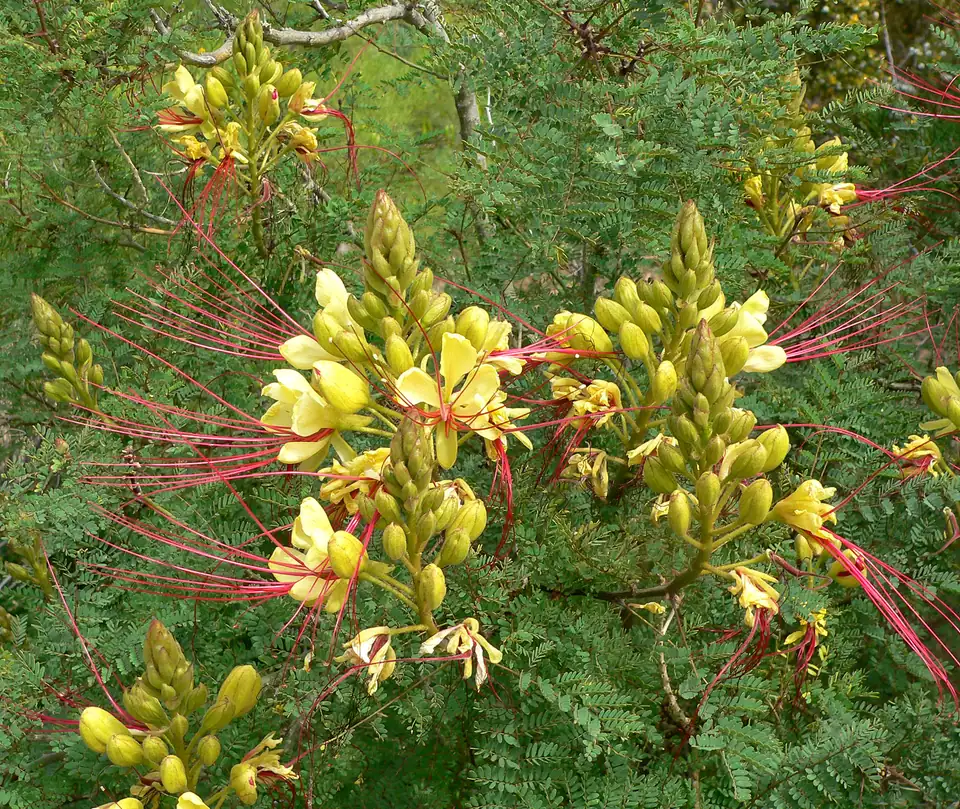
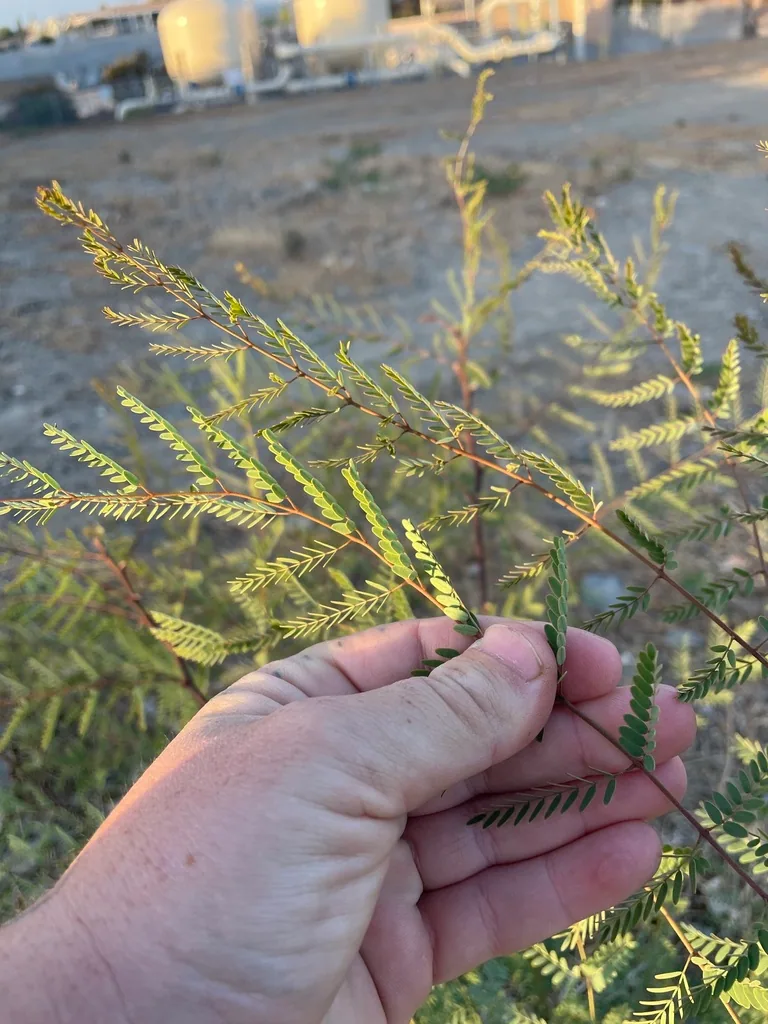

Cómo cultivar y cuidar Yellow Bird-of-Paradise
Erythrostemon gilliesii
Escrito por Emilio Marruso · última revisión
Tóxica para: Gatos, Perros, Personas · Por qué
De un vistazo
Este arbusto amante del sol alcanza 1,8–2,4 m de alto y 1,2–1,8 m de ancho, ideal para el rincón más soleado de tu jardín. Pide muy poco: riegos profundos y espaciados, tierra que se seque un poco entre riego y riego y solo un recorte ligero después de la floración. Siembra a principios de primavera y plántalo cuando pasen las últimas heladas.
- Sol
Sol pleno: 6 horas o más al día
Qué dicen las fuentes (2)
Luz: Pleno sol (6 o más horas de luz solar directa al día)
Light: Full sun (6 or more hours of direct sunlight a day)
— Erythrostemon gilliesii (Bird-of Paradise Bush, Bird-of-Paradise shrub, Brazilwood, Desert Bird, Desert Bird of Paradise, Peacock Flower, Yellow Barbados Pride, Yellow Bird-of-Paradise, Yellow Pride of Barbados) | North Carolina Extension Gardener Plant Toolbox [1] Light: Full sun
— [4] - Riego
Riega a fondo pero poco a menudo; deja secar un poco la tierra. En climas cálidos y secos, algo de riego en verano
Qué dicen las fuentes (2)
Riego: Deja que el suelo se seque ligeramente entre riegos; riego profundo y menos frecuente en lugar de riego superficial frecuente.
Allowing the soil to dry slightly between watering will stimulate the plant to develop a deep root system. Less often deep watering will help the development of the plant, rather than frequent, less volume watering.
— Erythrostemon gilliesii (Bird-of Paradise Bush, Bird-of-Paradise shrub, Brazilwood, Desert Bird, Desert Bird of Paradise, Peacock Flower, Yellow Barbados Pride, Yellow Bird-of-Paradise, Yellow Pride of Barbados) | North Carolina Extension Gardener Plant Toolbox [1] Notas sobre el riego: Necesita algo de agua en verano en Phoenix.
Definitely needs some summer water in Phoenix.
— [4] - Suelo
Suelo de ligeramente ácido a ligeramente alcalino, pH 6,0–8,0
Qué dicen las fuentes (2)
pH del suelo, mínimo: 6.0
Soil pH: Neutral (6.0-8.0)
— Erythrostemon gilliesii (Bird-of Paradise Bush, Bird-of-Paradise shrub, Brazilwood, Desert Bird, Desert Bird of Paradise, Peacock Flower, Yellow Barbados Pride, Yellow Bird-of-Paradise, Yellow Pride of Barbados) | North Carolina Extension Gardener Plant Toolbox [1] pH del suelo, máximo: 8.0
Soil pH: Neutral (6.0-8.0)
— Erythrostemon gilliesii (Bird-of Paradise Bush, Bird-of-Paradise shrub, Brazilwood, Desert Bird, Desert Bird of Paradise, Peacock Flower, Yellow Barbados Pride, Yellow Bird-of-Paradise, Yellow Pride of Barbados) | North Carolina Extension Gardener Plant Toolbox [1] - Plantación
Planta a finales de primavera o principios de verano, tras las últimas heladas
Qué dicen las fuentes (1)
Plantación: Finales de primavera o principios de verano, después de las últimas heladas esperadas.
planting them out into their permanent positions in late spring or early summer, after the last expected frosts.
— Erythrostemon gilliesii - Useful Temperate Plants [3] - Poda
Poda ligera después de la floración, solo si hace falta
Qué dicen las fuentes (1)
Poda: Después de la floración, ligera y solo cuando sea necesario.
Head back lightly after bloom, but only as needed to promote a more excellent shape, never shear.
— [4] - Tamaño
1,8–2,4 m de alto y 1,2–1,8 m de ancho
Qué dicen las fuentes (2)
Altura adulta: 182.88-243.84 cm (6-8 pies)
Dimensions: Height: 6 ft. 0 in. - 8 ft. 0 in. Width: 4 ft. 0 in. - 6 ft. 0 in.
— Erythrostemon gilliesii (Bird-of Paradise Bush, Bird-of-Paradise shrub, Brazilwood, Desert Bird, Desert Bird of Paradise, Peacock Flower, Yellow Barbados Pride, Yellow Bird-of-Paradise, Yellow Pride of Barbados) | North Carolina Extension Gardener Plant Toolbox [1] Anchura adulta: 121.92-182.88 cm (4-6 pies)
Dimensions: Height: 6 ft. 0 in. - 8 ft. 0 in. Width: 4 ft. 0 in. - 6 ft. 0 in.
— Erythrostemon gilliesii (Bird-of Paradise Bush, Bird-of-Paradise shrub, Brazilwood, Desert Bird, Desert Bird of Paradise, Peacock Flower, Yellow Barbados Pride, Yellow Bird-of-Paradise, Yellow Pride of Barbados) | North Carolina Extension Gardener Plant Toolbox [1] - Multiplicación
Se multiplica por semilla o por esquejes de tallo tierno
Qué dicen las fuentes (2)
Propagación: Semilla; esquejes de madera blanda
Recommended Propagation Strategy: Seed
— Erythrostemon gilliesii (Bird-of Paradise Bush, Bird-of-Paradise shrub, Brazilwood, Desert Bird, Desert Bird of Paradise, Peacock Flower, Yellow Barbados Pride, Yellow Bird-of-Paradise, Yellow Pride of Barbados) | North Carolina Extension Gardener Plant Toolbox [1] Softwood cuttings in sand in a frame
— Erythrostemon gilliesii - Useful Temperate Plants [3] - Siembra
Siembra a principios de primavera en invernadero
Qué dicen las fuentes (1)
Siembra: Principios de primavera (en invernadero)
sow in a greenhouse in early spring
— Erythrostemon gilliesii - Useful Temperate Plants [3] - Seguridad
Semillas y vainas verdes son tóxicas y provocan vómitos fuertes; dañinas para gatos y perros
Resumen
El ave del paraíso amarilla es un arbusto o árbol pequeño originario de Sudamérica, con llamativas flores amarillas y largos estambres rojos. [1] Necesita pleno sol y suelo bien drenado, y es resistente a la sequía y a los ciervos. [1][4] Ingerir los frutos o las semillas puede causar malestar gastrointestinal. [1]
Citado en inglés, como en la fuente.
Esta ficha está incompleta: las fuentes consultadas aún no cubren todos los campos.
Aún no cubierto por nuestras fuentes: Rusticidad, zona más fría, Rusticidad, zona más cálida
Cuidados
Riego
Riego
Deja que el suelo se seque ligeramente entre riegos; riego profundo y menos frecuente en lugar de riego superficial frecuente.
Qué dicen las fuentes (1)
Allowing the soil to dry slightly between watering will stimulate the plant to develop a deep root system. Less often deep watering will help the development of the plant, rather than frequent, less volume watering.Notas sobre el riego
Necesita algo de agua en verano en Phoenix.
Qué dicen las fuentes (1)
Definitely needs some summer water in Phoenix.Luz
Pleno sol (6 o más horas de luz solar directa al día)
Qué dicen las fuentes (2)
Light:
Full sun (6 or more hours of direct sunlight a day)Light: Full sunClima y frío
Rusticidad, zona más fría
No figura en las fuentes consultadas.
Rusticidad, zona más cálida
No figura en las fuentes consultadas.
Suelo
pH del suelo, mínimo
6.0
Qué dicen las fuentes (1)
Soil pH:
Neutral (6.0-8.0)pH del suelo, máximo
8.0
Qué dicen las fuentes (1)
Soil pH:
Neutral (6.0-8.0)Propagación
Semilla; esquejes de madera blanda
Qué dicen las fuentes (2)
Recommended Propagation Strategy:
SeedSoftwood cuttings in sand in a frameCultivo
La planta
Ciclo de vida
perenne
Qué dicen las fuentes (1)
Uses (Ethnobotany):
Used as an accent.
Life Cycle:
Perennial
Woody
Recommended Propagation Strategy:
SeedFamilia
Fabáceas
Qué dicen las fuentes (1)
Genus:
Erythrostemon
Species:
gilliesii
Family:
Fabaceae
Uses (Ethnobotany):
Used as an accent.Altura adulta
182.88-243.84 cm (6-8 pies)
Qué dicen las fuentes (1)
Dimensions:
Height: 6 ft. 0 in. - 8 ft. 0 in.
Width: 4 ft. 0 in. - 6 ft. 0 in.Anchura adulta
121.92-182.88 cm (4-6 pies)
Qué dicen las fuentes (1)
Dimensions:
Height: 6 ft. 0 in. - 8 ft. 0 in.
Width: 4 ft. 0 in. - 6 ft. 0 in.Remedios
Las fuentes consultadas no dan remedios para esta planta.
Venenosa para los animales
Según la fuente, citada textualmente. No es un consejo médico ni veterinario: si una persona o un animal pudo haber ingerido esta planta, contacta con un centro de toxicología o con un veterinario.
Animales
Problem for Cats
[1]La fuente señala el riesgo para este animal pero no explica por qué.
Problem for Dogs
[1]La fuente señala el riesgo para este animal pero no explica por qué.
Personas
This plant has low severity poison characteristics.
[1]- Partes venenosas
Poison Part: Leaves
[1]- Principio tóxico
Poison Toxic Principle: possibly hydrocyanic acid
[1]- Síntomas
Poison Symptoms: Oral irritation, intense burning and irritation of mouth, tongue and lips, excessive drooling, vomiting, diarrhea, difficulty swallowing and incoordination is possible. Deaths in rabbits have been reported.
[1]- Gravedad
Poison Severity: Low
[1]
The seeds and the green seed pods are toxic, provoking severe vomiting and other abdominal symptoms
[3]
Calendario
Siembra
Principios de primavera (en invernadero)
Qué dicen las fuentes (1)
sow in a greenhouse in early springPlantación
Finales de primavera o principios de verano, después de las últimas heladas esperadas.
Qué dicen las fuentes (1)
planting them out into their permanent positions in late spring or early summer, after the last expected frosts.Poda
Después de la floración, ligera y solo cuando sea necesario.
Qué dicen las fuentes (1)
Head back lightly after bloom, but only as needed to promote a more excellent shape, never shear.Meses tal como los dan las fuentes, en su mayoría de Estados Unidos (hemisferio norte). En el hemisferio sur se desplazan unos seis meses.
Plantas similares
- Afghan Redbud Cercis griffithii
- Amur Maackia Maackia amurensis
- Bauhinia Bauhinia blakeana
- Fríjol Phaseolus vulgaris
- Bicolor Lespedeza Lespedeza bicolor
- Falsa acacia Robinia pseudoacacia
- Blue False Indigo Baptisia australis
- Blue Ridge Golden-banner Thermopsis villosa
Fuentes
Cada valor anterior se cita de estos documentos. Los enlaces llevan al editor original.
- Erythrostemon gilliesii (Bird-of Paradise Bush, Bird-of-Paradise shrub, Brazilwood, Desert Bird, Desert Bird of Paradise, Peacock Flower, Yellow Barbados Pride, Yellow Bird-of-Paradise, Yellow Pride of Barbados) | North Carolina Extension Gardener Plant Toolbox · plants.ces.ncsu.edu, consultado
- Erythrostemon gilliesii | Desert Legume Program · cales.arizona.edu, consultado
- Erythrostemon gilliesii - Useful Temperate Plants · temperate.theferns.info, consultado
- · asu.edu, consultado
Escrito por Emilio Marruso · última revisión