
Cómo cultivar y cuidar Laurel de Indias
Ficus microcarpa
Escrito por Emilio Marruso · última revisión
De un vistazo
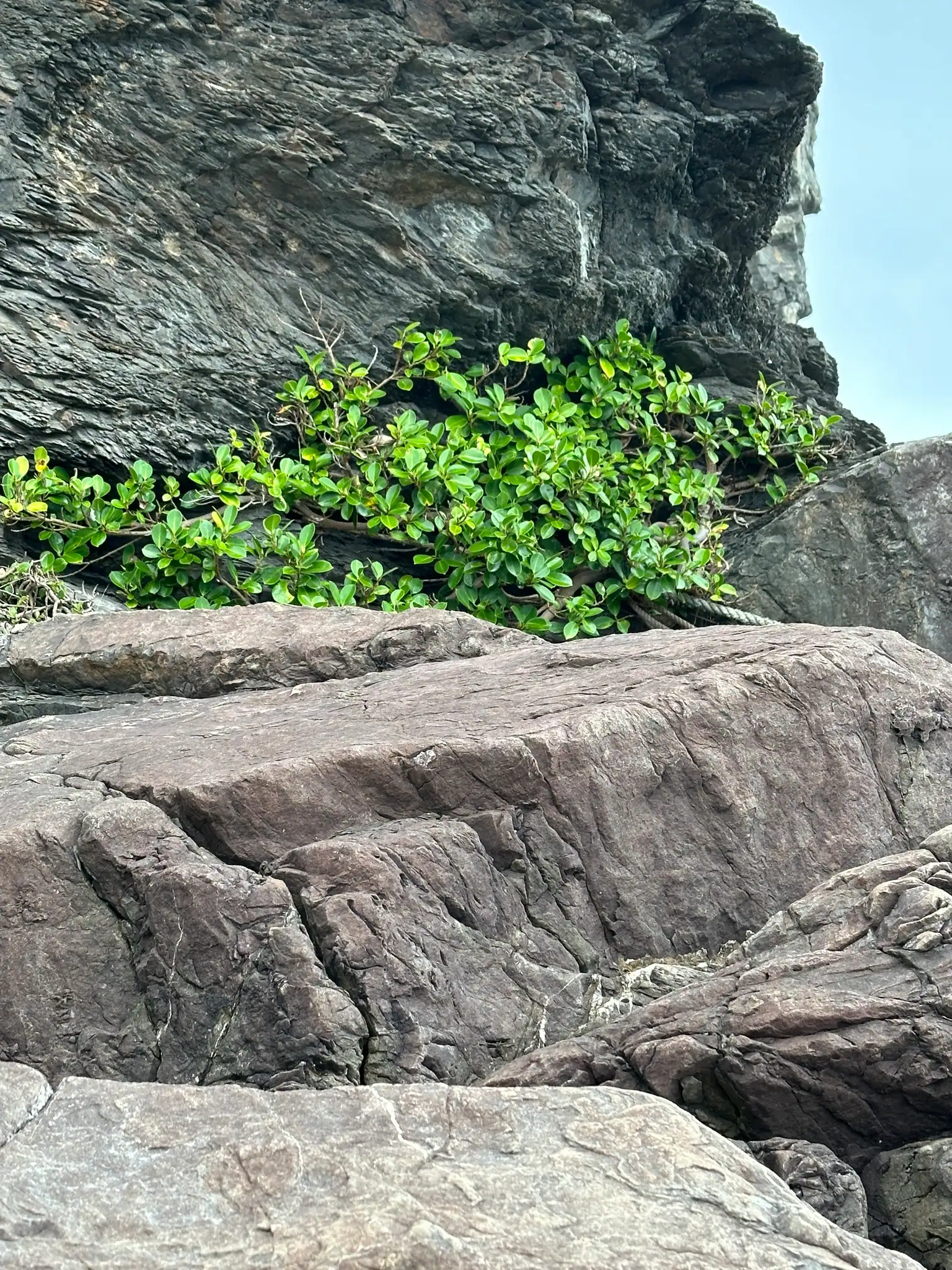
El Ficus microcarpa es un compañero agradecido: crece feliz en interior o en maceta, desde el sol pleno hasta la semisombra. Incluso puedes sacar plantas nuevas con esquejes de tallo en un vaso de agua. Solo tienes que no pasarte con el riego y dejar escurrir la maceta antes de devolverla a su plato, y este ficus te acompañará muchos años.
- Sol
Sol pleno o semisombra
Qué dicen las fuentes (3)
Luz: Pleno sol a semisombra
Full sun (6 or more hours of direct sunlight a day)
— Ficus microcarpa (Chinese Banyan, Curtain Fig, Gajumaru, Gajumaru Indian Laurel, Indian Laurel, Laurel Fig, Malayan Banyan) | North Carolina Extension Gardener Plant Toolbox [1] Partial Shade (Direct sunlight only part of the day, 2-6 hours)
— Ficus microcarpa (Chinese Banyan, Curtain Fig, Gajumaru, Gajumaru Indian Laurel, Indian Laurel, Laurel Fig, Malayan Banyan) | North Carolina Extension Gardener Plant Toolbox [1] Succeeds in full sun to partial shade[ 302
— Ficus microcarpa - Useful Tropical Plants [4] - Riego
No riegues en exceso: deja escurrir la maceta antes de devolverla al plato
Qué dicen las fuentes (1)
Notas sobre el riego: La pudrición de la raíz puede ocurrir por riego excesivo; deja que la maceta drene antes de devolverla a su plato
Root rot can occur from overwatering, Leaf spot
— Ficus microcarpa (Chinese Banyan, Curtain Fig, Gajumaru, Gajumaru Indian Laurel, Indian Laurel, Laurel Fig, Malayan Banyan) | North Carolina Extension Gardener Plant Toolbox [1] - Plagas
Pulgón, araña roja, cochinilla algodonosa y cochinilla; el exceso de riego pudre las raíces
Qué dicen las fuentes (2)
Plagas: pulgones, arañas rojas, cochinillas, insectos escama, termitas de madera seca
Susceptible to aphids, spider mites, mealybugs, and scale insects. Root rot can occur from overwatering, Leaf spot and gray mold can also occur. Susceptible to attack by dry-wood termites.
— Ficus microcarpa (Chinese Banyan, Curtain Fig, Gajumaru, Gajumaru Indian Laurel, Indian Laurel, Laurel Fig, Malayan Banyan) | North Carolina Extension Gardener Plant Toolbox [1] Enfermedades: podredumbre de la raíz, mancha foliar, moho gris
Root rot can occur from overwatering, Leaf spot and gray mold can also occur.
— Ficus microcarpa (Chinese Banyan, Curtain Fig, Gajumaru, Gajumaru Indian Laurel, Indian Laurel, Laurel Fig, Malayan Banyan) | North Carolina Extension Gardener Plant Toolbox [1] - Atención
Puede ser invasivo: sus raíces aéreas dañan el pavimento; arranca a mano las plántulas
- Tamaño
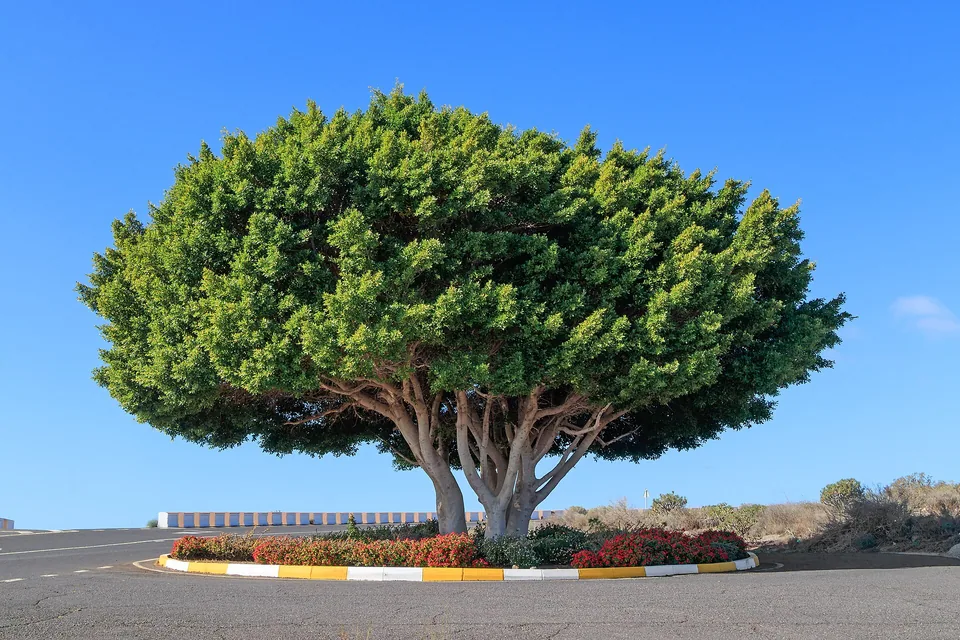
Puede alcanzar 15 m de alto o más y de 60 cm a 12 m de ancho
Qué dicen las fuentes (2)
Altura adulta: hasta 1500 cm (15 m, 50 pies) o más
evergreen tree to 15 m (50 ft) or more in height, with a rounded dense crown
— | Center for Aquatic and Invasive Plants | University of Florida, IFAS [2] Anchura adulta: 61-1219 cm (2-40 pies)
Dimensions: Height: 2 ft. 0 in. - 50 ft. 0 in. Width: 2 ft. 0 in. - 40 ft. 0 in.
— Ficus microcarpa (Chinese Banyan, Curtain Fig, Gajumaru, Gajumaru Indian Laurel, Indian Laurel, Laurel Fig, Malayan Banyan) | North Carolina Extension Gardener Plant Toolbox [1] - Multiplicación
Esquejes de tallo en agua, arena o sustrato, o por semilla
Qué dicen las fuentes (3)
Propagación: Esquejes de tallo en agua o en arena o tierra para macetas; semilla
The species can be propagated easily by cuttings, either in water or directly in a substrate of sand or potting soil.
— Ficus microcarpa (Chinese Banyan, Curtain Fig, Gajumaru, Gajumaru Indian Laurel, Indian Laurel, Laurel Fig, Malayan Banyan) | North Carolina Extension Gardener Plant Toolbox [1] Tip cuttings around 4 - 12cm long, taken from lateral branches
— Ficus microcarpa - Useful Tropical Plants [4] Seed - germinates best at a temperature around 20
— Ficus microcarpa - Useful Tropical Plants [4] - Maceta
Crece en maceta y también en interior
Qué dicen las fuentes (2)
En maceta: Sí
Landscape Location: Container Houseplants Design Feature: Shade Tree
— Ficus microcarpa (Chinese Banyan, Curtain Fig, Gajumaru, Gajumaru Indian Laurel, Indian Laurel, Laurel Fig, Malayan Banyan) | North Carolina Extension Gardener Plant Toolbox [1] En interior: Sí
It is suitable for temperatures above 68 degrees F all year long, thus it is generally sold as a houseplant.
— Ficus microcarpa (Chinese Banyan, Curtain Fig, Gajumaru, Gajumaru Indian Laurel, Indian Laurel, Laurel Fig, Malayan Banyan) | North Carolina Extension Gardener Plant Toolbox [1]
Resumen
El baniano chino es una higuera originaria de Asia tropical y subtropical que se planta ampliamente como ornamental y se vende como planta de interior. [1] Se introdujo en Florida a principios de los años 1900 y allí está catalogada como especie invasora de Categoría 1. [2] Se propaga fácilmente mediante esquejes de tallo. [1]
Citado en inglés, como en la fuente.
Esta ficha está incompleta: las fuentes consultadas aún no cubren todos los campos.
Aún no cubierto por nuestras fuentes: Riego, Poda
Cuidados
Riego
Riego
No figura en las fuentes consultadas.
Notas sobre el riego
La pudrición de la raíz puede ocurrir por riego excesivo; deja que la maceta drene antes de devolverla a su plato
Qué dicen las fuentes (1)
Root rot can occur from overwatering, Leaf spotLuz
Pleno sol a semisombra
Qué dicen las fuentes (3)
Full sun (6 or more hours of direct sunlight a day)Partial Shade (Direct sunlight only part of the day, 2-6 hours)Succeeds in full sun to partial shade[ 302Clima y frío
Rusticidad, zona más fría
Las fuentes dan valores distintos según la región, la zona o las condiciones de cultivo.
Lo que dice cada fuente
Según NC State Extension: 9a [mínima invernal de −6,7 a −3,9 °C (de 20 a 25 °F)]
Según Florida Natural Areas Inventory: 9b [mínima invernal de −3,9 a −1,1 °C (de 25 a 30 °F)]
Qué dicen las fuentes (2)
Según NC State Extension: USDA Plant Hardiness Zone:
9a, 9b, 10a, 10b, 11a, 11bSegún Florida Natural Areas Inventory: USDA Hardiness Zone: 9b-11
Growth Habit: Tree
Origin:Rusticidad, zona más cálida
11b [mínima invernal de 7,2 a 10 °C (de 45 a 50 °F)]
Qué dicen las fuentes (1)
USDA Plant Hardiness Zone:
9a, 9b, 10a, 10b, 11a, 11bDónde cultivarla
En interior
Sí
Qué dicen las fuentes (1)
It is suitable for temperatures above 68 degrees F all year long, thus it is generally sold as a houseplant.En maceta
Sí
Qué dicen las fuentes (1)
Landscape Location:
Container
Houseplants
Design Feature:
Shade TreePropagación
Esquejes de tallo en agua o en arena o tierra para macetas; semilla
Qué dicen las fuentes (3)
The species can be propagated easily by cuttings, either in water or directly in a substrate of sand or potting soil.Tip cuttings around 4 - 12cm long, taken from lateral branchesSeed - germinates best at a temperature around 20Cultivo
La planta
Ciclo de vida
perenne
Qué dicen las fuentes (1)
Life Cycle:
Perennial
Woody
Recommended Propagation Strategy:
Stem CuttingFamilia
Moraceae
Qué dicen las fuentes (2)
Family: Moraceae
- Habit: evergreen tree to 15 m (50 ft) or more in heightSpecies:
microcarpa
Family:
Moraceae
Uses (Ethnobotany):
Has been used medicinally in parts of Asia.Altura adulta
hasta 1500 cm (15 m, 50 pies) o más
Qué dicen las fuentes (1)
evergreen tree to 15 m (50 ft) or more in height, with a rounded dense crownAnchura adulta
61-1219 cm (2-40 pies)
Qué dicen las fuentes (1)
Dimensions:
Height: 2 ft. 0 in. - 50 ft. 0 in.
Width: 2 ft. 0 in. - 40 ft. 0 in.Plagas y enfermedades
Plagas
pulgones, arañas rojas, cochinillas, insectos escama, termitas de madera seca
Qué dicen las fuentes (1)
Susceptible to aphids, spider mites, mealybugs, and scale insects. Root rot can occur from overwatering, Leaf spot and gray mold can also occur. Susceptible to attack by dry-wood termites.Enfermedades
podredumbre de la raíz, mancha foliar, moho gris
Qué dicen las fuentes (1)
Root rot can occur from overwatering, Leaf spot and gray mold can also occur.Problemas
Plagas y enfermedades
Síntoma: Susceptible a pulgones, arañas rojas, cochinillas y escamas; pudrición de la raíz por riego excesivo; mancha foliar y moho gris; termitas de madera seca
Qué hacer: Evita el riego excesivo para prevenir la pudrición de las raíces
Qué dicen las fuentes (1)
Susceptible to aphids, spider mites, mealybugs, and scale insects. Root rot can occur from overwatering, Leaf spot and gray mold can also occur. Susceptible to attack by dry-wood termites.
— Ficus microcarpa (Chinese Banyan, Curtain Fig, Gajumaru, Gajumaru Indian Laurel, Indian Laurel, Laurel Fig, Malayan Banyan) | North Carolina Extension Gardener Plant Toolbox [1] Invasividad y raíces aéreas
Síntoma: Las raíces aéreas pueden dañar el pavimento y las plántulas pueden estrangular los árboles hospedantes.
Qué hacer: Monitoreo preventivo y eliminación de plantas; arranca las plántulas y retira a mano las infestaciones pequeñas.
Qué dicen las fuentes (2)
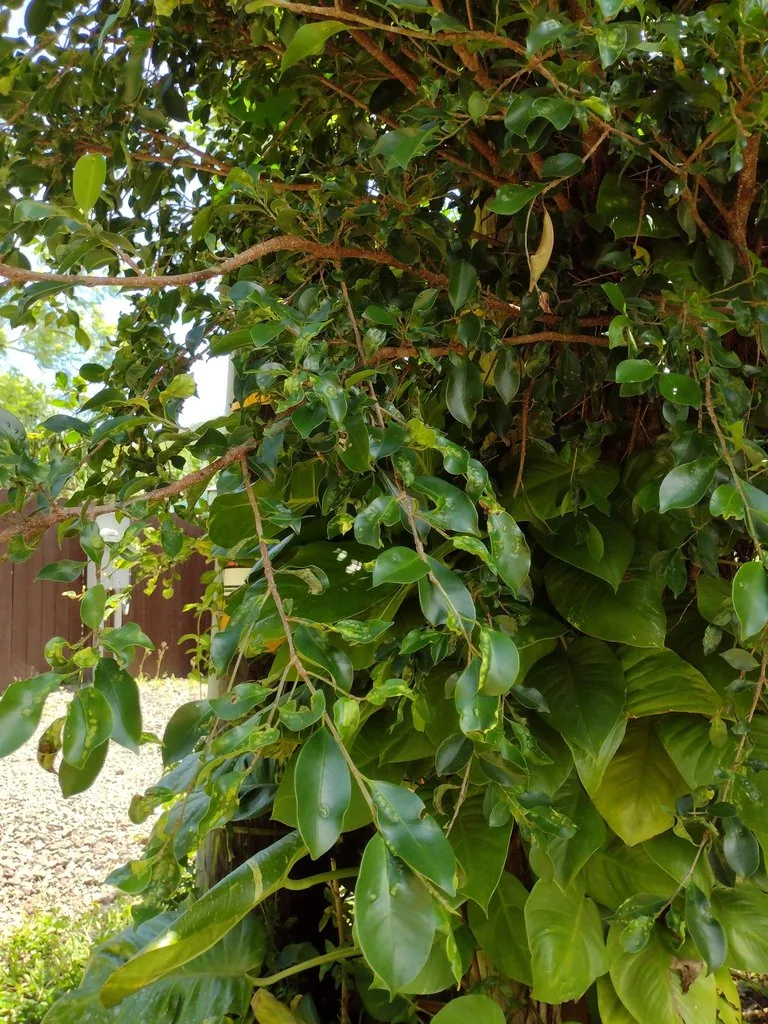
the areal roots can damage pavement if not properly managed
— Ficus microcarpa (Chinese Banyan, Curtain Fig, Gajumaru, Gajumaru Indian Laurel, Indian Laurel, Laurel Fig, Malayan Banyan) | North Carolina Extension Gardener Plant Toolbox [1] Hand-pulling and removal of entire plants, particularly the roots, is practical for small infestations.
— | Center for Aquatic and Invasive Plants | University of Florida, IFAS [2]
Remedios
Cada remedio indica qué dicen las fuentes oficiales; los remedios tradicionales sin fuente oficial aparecen marcados. Los perjudiciales están para que sepas evitarlos.
Cuidar la planta
trips de la agalla foliar
poda del crecimiento nuevo dañado Funciona en parte
Cómo: Poda el crecimiento nuevo para eliminar las hojas dañadas y reducir la población de los trips.
Because both species only attack the tender new foliage, the new growth can be pruned to remove injured leaves and to suppress the thrips population.
— ask.ifas.ufl.edu [7] Qué dicen las pruebas Because both species only attack the tender new foliage, the new growth can be pruned to remove injured leaves and to suppress the thrips population.
— ask.ifas.ufl.edu [7]
Cómo eliminarla
higuera de laurel invasiva
Arranca las plántulas a mano y elimina las plantas enteras. Funciona en parte
Cómo: Elimina las vainas de semillas si es posible y arranca las plántulas; elimina las plantas enteras, especialmente las raíces.
Remove any seed pods if possible and pull seedlings. Hand-pulling and removal of entire plants, particularly the roots, is practical for small infestations.
— | Center for Aquatic and Invasive Plants | University of Florida, IFAS [2] Qué dicen las pruebas Remove any seed pods if possible and pull seedlings. Hand-pulling and removal of entire plants, particularly the roots, is practical for small infestations.
— | Center for Aquatic and Invasive Plants | University of Florida, IFAS [2]
Calendario
Poda
No figura en las fuentes consultadas.
Meses tal como los dan las fuentes, en su mayoría de Estados Unidos (hemisferio norte). En el hemisferio sur se desplazan unos seis meses.
Comestibilidad
Según la fuente, citada textualmente. No comas una planta basándote solo en esta página: los errores de identificación pueden ser peligrosos.
Wildlife Value: Birds feed on the fruit of the tree.
[1]
Plantas similares
- Baniano Ficus benghalensis
- Creeping Fig Ficus pumila
- Higuera Ficus carica
- Árbol del caucho gomero Ficus elastica
- Ficus de hoja pequeña Ficus benjamina
- Pipal Ficus religiosa
- Higuera hoja de violín Ficus lyrata
- Amate amarillo Ficus petiolaris
Fuentes
Cada valor anterior se cita de estos documentos. Los enlaces llevan al editor original.
- Ficus microcarpa (Chinese Banyan, Curtain Fig, Gajumaru, Gajumaru Indian Laurel, Indian Laurel, Laurel Fig, Malayan Banyan) | North Carolina Extension Gardener Plant Toolbox · plants.ces.ncsu.edu, consultado
- | Center for Aquatic and Invasive Plants | University of Florida, IFAS · plant-directory.ifas.ufl.edu, consultado
- Ficus microcarpa - UF/IFAS Assessment - University of Florida, Institute of Food and Agricultural Sciences · assessment.ifas.ufl.edu, consultado
- Ficus microcarpa - Useful Tropical Plants · tropical.theferns.info, consultado
- Ficus microcarpa - Florida Natural Areas Inventory · fnai.org, consultado
- FULL ACCOUNT FOR: Ficus microcarpus · iucngisd.org, consultado
- ask.ifas.ufl.edu · ask.ifas.ufl.edu
Escrito por Emilio Marruso · última revisión