
Cómo cultivar y cuidar Fresno sureño
Fraxinus angustifolia
Escrito por Emilio Marruso · última revisión
De un vistazo
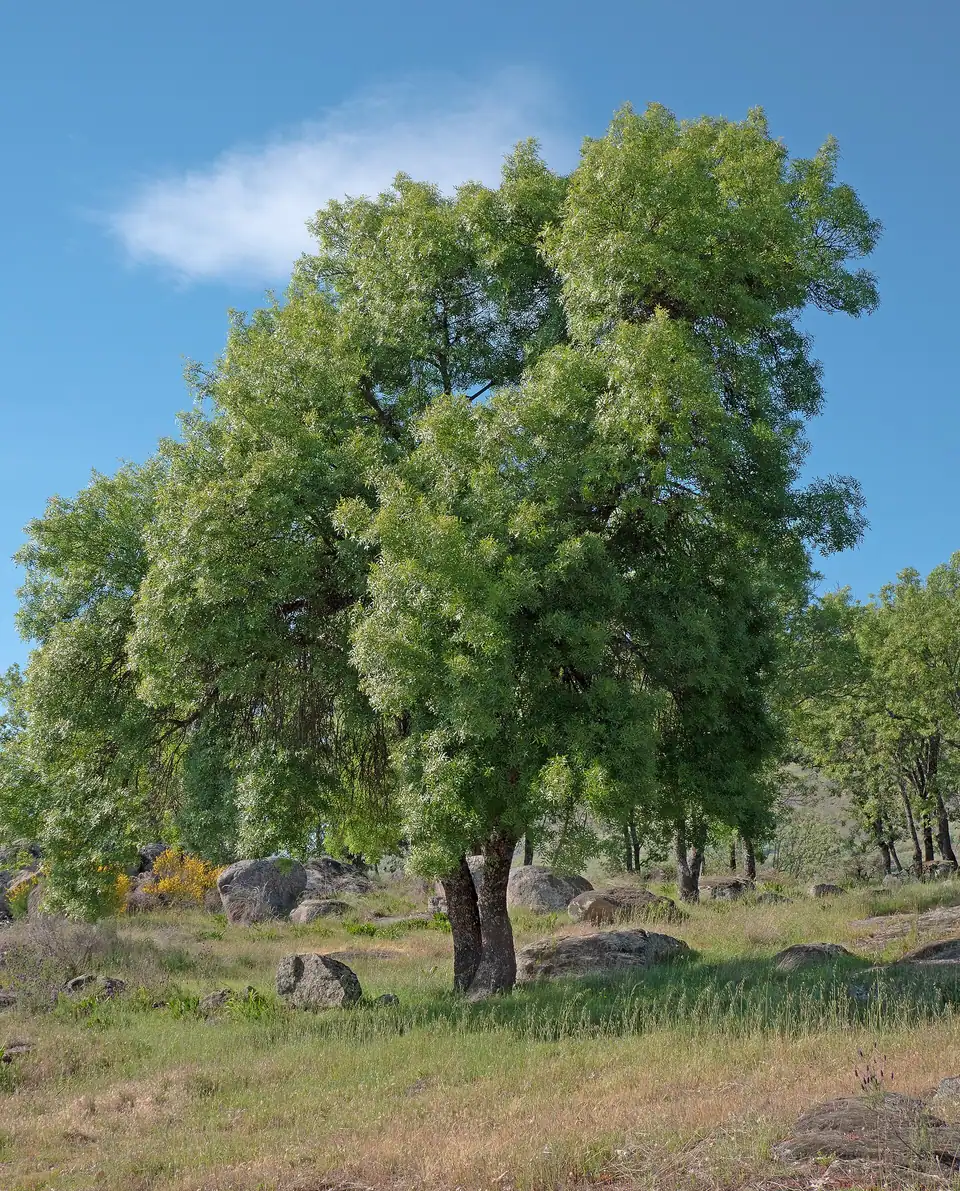
El fresno de hoja estrecha es un árbol majestuoso que puede alcanzar 20–30 m de altura, y puedes empezarlo con semillas sembradas al aire libre en otoño. Dale sol pleno y un riego moderado y constante: no soporta la sequía ni el encharcamiento. Su fruto se usa como condimento y su savia, cristalizada por el viento, se convierte en un endulzante natural llamado maná.
- Sol
Sol pleno
Qué dicen las fuentes (1)
Luz: Pleno sol
Light full sun Shade tolerance no shade Water moderate Hardiness Zone 6+
— Narrow-Leaved Ash (Fraxinus angustifolia) — Practical Plants [2] - Riego
Riego moderado; no soporta la sequía ni el encharcamiento
Qué dicen las fuentes (4)
Riego: Moderado
Light full sun Shade tolerance no shade Water moderate Hardiness Zone 6+
— Narrow-Leaved Ash (Fraxinus angustifolia) — Practical Plants [2] Resistencia: - Encharcamiento: poco. - Viento: normal. - Sol: normal. - Ambiente marítimo: normal. Necesidades hídricas: normal. Luz: normal.
— Fraxinus angustifolia VAHL. Nombre científico: Fraxinus angustifolia VAHL. [5] Notas sobre el riego: No tolera la sequedad; muy sensible al encharcamiento
It tolerates a wide temperature range, but does not withstand dryness.
— Narrow-leafed Ash – Flora – Jardim Gulbenkian [4] Observaciones: muy sensible al encharcamiento. 18 Árboles de hoja caduca Recomendaciones para su plantación urbana
— Fraxinus angustifolia VAHL. Nombre científico: Fraxinus angustifolia VAHL. [5] - Frío
Aguanta inviernos de hasta −23,3 °C (−10 °F)
Muy rústica · USDA 6 · RHS H7 · Z6
Qué dicen las fuentes (1)
Rusticidad, zona más fría: 6 [mínima invernal de −23,3 a −17,8 °C (de −10 a 0 °F)]
Light full sun Shade tolerance no shade Water moderate Hardiness Zone 6+
— Narrow-Leaved Ash (Fraxinus angustifolia) — Practical Plants [2] - Distancia
Deja 10 m entre árboles
Qué dicen las fuentes (1)
Distancia de plantación: 1000 cm (10 m)
Distancia mínima a infraestructuras: 3 m Distancia recomendable entre individuos: 10 m Dimensiones del alcorque: 1,5 x 1,5 x 1,5 m
— Fraxinus angustifolia VAHL. Nombre científico: Fraxinus angustifolia VAHL. [5] - Plantación
Planta de octubre a febrero
Qué dicen las fuentes (1)
Plantación: Octubre a febrero (plantación de árboles urbanos)
Apto para calles estrechas: NO Época plantación: de octubre a febrero
— Fraxinus angustifolia VAHL. Nombre científico: Fraxinus angustifolia VAHL. [5] - Abonado
Abona en primavera para mantener el árbol vigoroso
Qué dicen las fuentes (1)
Cuándo: Primavera, para mantener el árbol vigoroso
Fertilize trees in the spring and water well during drought to maintain tree vigor.
— [8] - Cosecha
El fruto se usa como condimento; la savia cristalizada por el viento, el maná, es un endulzante
- Plagas
Puede sufrir la muerte regresiva del fresno
Qué dicen las fuentes (1)
Enfermedades: muerte del fresno (Hymenoscyphus fraxineus)
Ash dieback ( Hymenoscyphus fraxineus ), which is kills both young and mature trees.
— Fraxinus angustifolia - EUFORGEN European forest genetic resources programme [1] - Tamaño
De 20 a 30 m de alto
Qué dicen las fuentes (1)
Altura adulta: 2000-3000 cm (20–30 m)
This species can reach heights of 20–30 metres and is characterized by its lance-shaped leaves and tall, straight trunk.
— Fraxinus angustifolia - EUFORGEN European forest genetic resources programme [1] - Multiplicación
Se multiplica por semilla
Qué dicen las fuentes (2)
Propagación: Semilla
A fast growing species that can live over 200 years. It is propagated by seeds.
— Narrow-leafed Ash – Flora – Jardim Gulbenkian [4] The seed is best harvested green - as soon as it is fully developed but before it has fully dried on the tree - and can then be sown immediately in a cold frame
— Narrow-Leaved Ash (Fraxinus angustifolia) — Practical Plants [2] - Siembra
Siembra en otoño, directamente en un semillero al aire libre
Qué dicen las fuentes (1)
Siembra: Otoño (siembra directa en semillero al aire libre)
If you have sufficient seed then it is possible to sow it directly into an outdoor seedbed, preferably in the autumn.
— Narrow-Leaved Ash (Fraxinus angustifolia) — Practical Plants [2]
Resumen
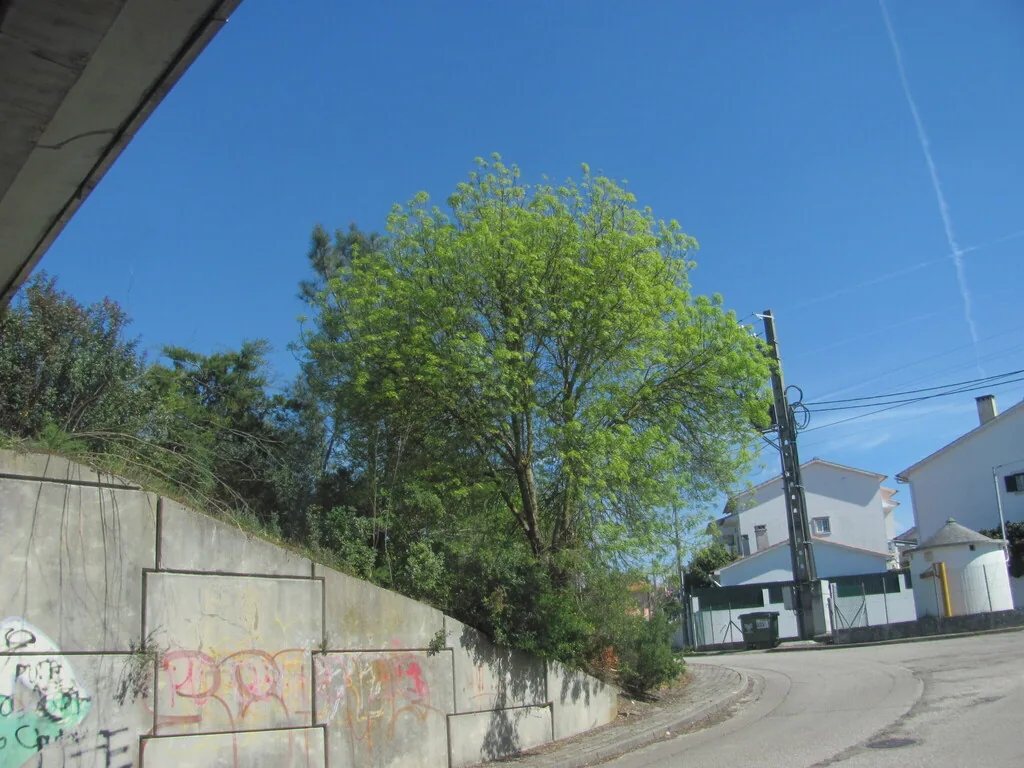
El fresno de hoja estrecha es un árbol caducifolio de crecimiento rápido que prefiere suelos húmedos y fértiles en valles fluviales y llanuras de inundación. [1] Se utiliza como árbol ornamental en paisajes urbanos. [1] Se propaga por semilla. [4]
Citado en inglés, como en la fuente.
Esta ficha está incompleta: las fuentes consultadas aún no cubren todos los campos.
Aún no cubierto por nuestras fuentes: Rusticidad, zona más cálida, Poda
Cuidados
Riego
Riego
Moderado
Qué dicen las fuentes (2)
Light
full sun
Shade tolerance
no shade
Water
moderate
Hardiness
Zone 6+Resistencia: - Encharcamiento: poco. - Viento: normal. - Sol: normal. - Ambiente marítimo: normal. Necesidades hídricas: normal. Luz: normal.Notas sobre el riego
No tolera la sequedad; muy sensible al encharcamiento
Qué dicen las fuentes (2)
It tolerates a wide temperature range, but does not withstand dryness.Observaciones: muy sensible al encharcamiento. 18 Árboles de hoja caduca Recomendaciones para su plantación urbanaLuz
Pleno sol
Qué dicen las fuentes (1)
Light
full sun
Shade tolerance
no shade
Water
moderate
Hardiness
Zone 6+Clima y frío
Rusticidad, zona más fría
6 [mínima invernal de −23,3 a −17,8 °C (de −10 a 0 °F)]
Qué dicen las fuentes (1)
Light
full sun
Shade tolerance
no shade
Water
moderate
Hardiness
Zone 6+Rusticidad, zona más cálida
No figura en las fuentes consultadas.
Dónde cultivarla
1000 cm (10 m)
Qué dicen las fuentes (1)
Distancia mínima a infraestructuras: 3 m Distancia recomendable entre individuos: 10 m Dimensiones del alcorque: 1,5 x 1,5 x 1,5 mPropagación
Semilla
Qué dicen las fuentes (2)
A fast growing species that can live over 200 years.
It is propagated by seeds.The seed is best harvested green - as soon as it is fully developed but before it has fully dried on the tree - and can then be sown immediately in a cold frameCultivo
La planta
Altura adulta
2000-3000 cm (20–30 m)
Qué dicen las fuentes (1)
This species can reach heights of 20–30 metres and is characterized by its lance-shaped leaves and tall, straight trunk.Plagas y enfermedades
Enfermedades
muerte del fresno (Hymenoscyphus fraxineus)
Qué dicen las fuentes (1)
Ash dieback ( Hymenoscyphus fraxineus ), which is kills both young and mature trees.Abonado
Cuándo
Primavera, para mantener el árbol vigoroso
Qué dicen las fuentes (1)
Fertilize trees in the spring and water well during drought to maintain tree vigor.Remedios
Las fuentes consultadas no dan remedios para esta planta.
Calendario
Otoño (siembra directa en semillero al aire libre)
Qué dicen las fuentes (1)
If you have sufficient seed then it is possible to sow it directly into an outdoor seedbed, preferably in the autumn.Octubre a febrero (plantación de árboles urbanos)
Qué dicen las fuentes (1)
Apto para calles estrechas: NO Época plantación: de octubre a febreroNo figura en las fuentes consultadas.
Meses tal como los dan las fuentes, en su mayoría de Estados Unidos (hemisferio norte). En el hemisferio sur se desplazan unos seis meses.
Comestibilidad
Según la fuente, citada textualmente. No comas una planta basándote solo en esta página: los errores de identificación pueden ser peligrosos.
Valores orientativos
Valores de una fuente secundaria, no comprobados palabra por palabra como el resto de esta página. Úselos como punto de partida.
- Ciclo de vida
- PerenneValor orientativo, adáptalo a tu clima · Fuente secundaria
- Horas de sol
- 8-10 horasValor orientativo, adáptalo a tu clima · Fuente secundaria
- Resiste la sequía
- SíValor orientativo, adáptalo a tu clima · Fuente secundaria
- Suelo
- Bien drenadoValor orientativo, adáptalo a tu clima · Fuente secundaria
- pH del suelo
- 6-7.5Valor orientativo, adáptalo a tu clima · Fuente secundaria
- Crecimiento
- ModeradoValor orientativo, adáptalo a tu clima · Fuente secundaria
- Poda
- Febrero, marzo, abrilValor orientativo, adáptalo a tu clima · Fuente secundaria
- Plagas
- Antracnosis, Insectos barrenadores del tallo, Resistente a enfermedades, Resistente a la sequíaValor orientativo, adáptalo a tu clima · Fuente secundaria
Plantas similares
- Fresno negro Fraxinus nigra
- Fresno azul Fraxinus quadrangulata
- Fresno Fraxinus excelsior
- Fresno de flor Fraxinus ornus
- Pumpkin Ash Fraxinus profunda
- Manchurian ash Fraxinus mandshurica
- Fresno de Oregón Fraxinus latifolia
- Fresno blanco americano Fraxinus americana
Fuentes
Cada valor anterior se cita de estos documentos. Los enlaces llevan al editor original.
- Fraxinus angustifolia - EUFORGEN European forest genetic resources programme · euforgen.org, consultado
- Narrow-Leaved Ash (Fraxinus angustifolia) — Practical Plants · practicalplants.org, consultado
- Fraxinus angustifolia - Trees and Shrubs Online · treesandshrubsonline.org, consultado
- Narrow-leafed Ash – Flora – Jardim Gulbenkian · gulbenkian.pt, consultado
- Fraxinus angustifolia VAHL. Nombre científico: Fraxinus angustifolia VAHL. · dipucadiz.es, consultado
- Fresno. Parques, jardines e infraestructura verde. Medioambiente y sostenibilidad. Ayuntamiento de Zaragoza · zaragoza.es, consultado
- El freixe (Fraxinus excelsior i F. angustifolia) · pirinoble.ctfc.cat, consultado
- portal.ct.gov · portal.ct.gov
Escrito por Emilio Marruso · última revisión