
How to Grow and Care for Narrow-leafed Ash
Fraxinus angustifolia
Written by Emilio Marruso · last checked
At a glance
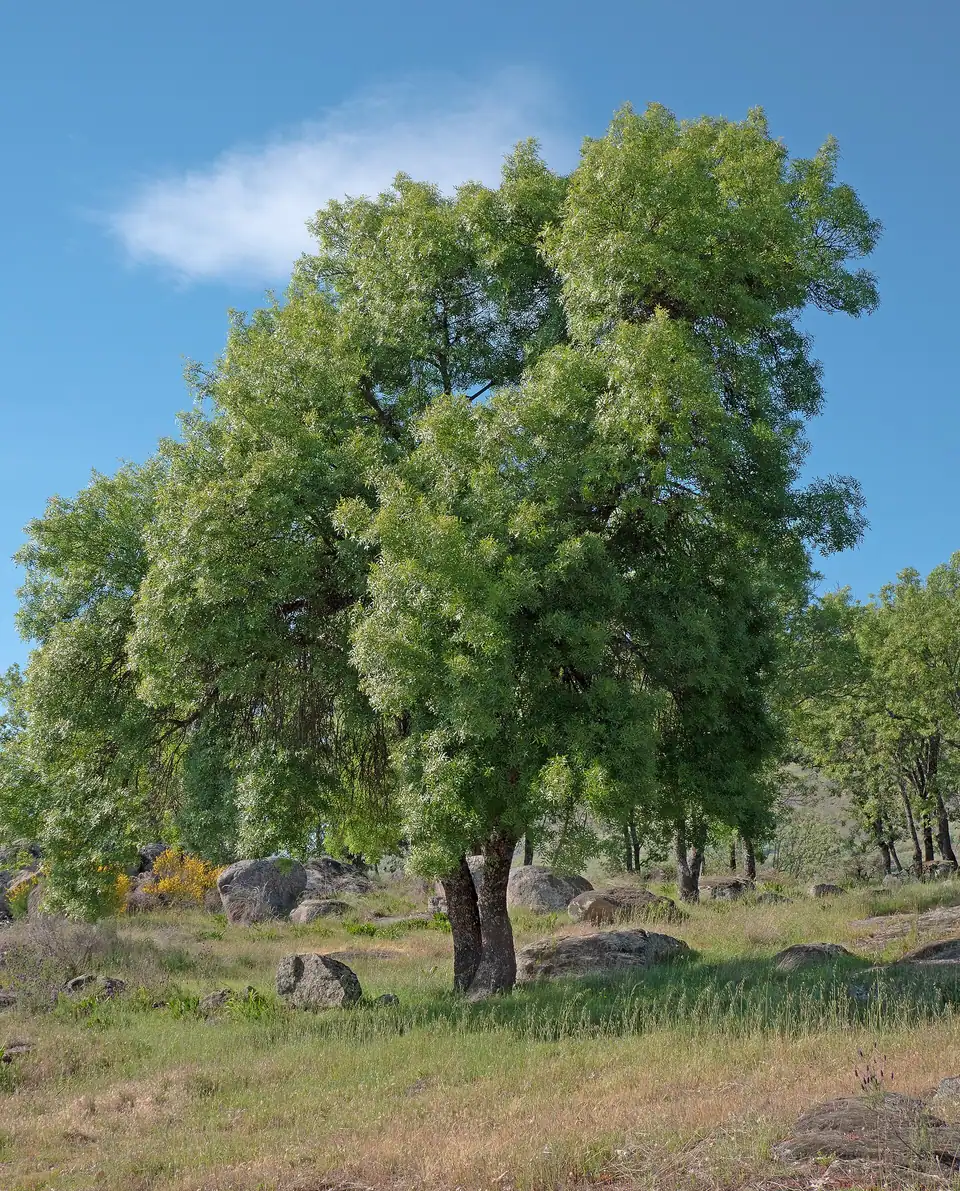
The narrow-leaved ash is a grand tree that can reach 66–98 ft tall, and you can start it from seed sown outdoors in autumn. Give it full sun and moderate, steady watering: it dislikes both dry spells and soggy soil. Its fruit is used as a seasoning, and its sap, dried by the wind, becomes a natural sweetener called manna.
- Sun
Full sun
What the sources say (1)
Light: Full sun
Light full sun Shade tolerance no shade Water moderate Hardiness Zone 6+
— Narrow-Leaved Ash (Fraxinus angustifolia) — Practical Plants [2] - Water
Moderate watering; it can't stand drying out or soggy, waterlogged soil
What the sources say (4)
Watering: Moderate
Light full sun Shade tolerance no shade Water moderate Hardiness Zone 6+
— Narrow-Leaved Ash (Fraxinus angustifolia) — Practical Plants [2] Resistencia: - Encharcamiento: poco. - Viento: normal. - Sol: normal. - Ambiente marítimo: normal. Necesidades hídricas: normal. Luz: normal.
— Fraxinus angustifolia VAHL. Nombre científico: Fraxinus angustifolia VAHL. [5] Watering notes: Does not withstand dryness; very sensitive to waterlogging
It tolerates a wide temperature range, but does not withstand dryness.
— Narrow-leafed Ash – Flora – Jardim Gulbenkian [4] Observaciones: muy sensible al encharcamiento. 18 Árboles de hoja caduca Recomendaciones para su plantación urbana
— Fraxinus angustifolia VAHL. Nombre científico: Fraxinus angustifolia VAHL. [5] - Cold
Survives winters down to −10 °F (−23.3 °C)
Very hardy · USDA 6 · RHS H7 · Z6
What the sources say (1)
Hardiness, coldest zone: 6 [winter low −23.3 to −17.8 °C (−10 to 0 °F)]
Light full sun Shade tolerance no shade Water moderate Hardiness Zone 6+
— Narrow-Leaved Ash (Fraxinus angustifolia) — Practical Plants [2] - Spacing
Leave 33 ft between trees
What the sources say (1)
Spacing: 1000 cm (10 m)
Distancia mínima a infraestructuras: 3 m Distancia recomendable entre individuos: 10 m Dimensiones del alcorque: 1,5 x 1,5 x 1,5 m
— Fraxinus angustifolia VAHL. Nombre científico: Fraxinus angustifolia VAHL. [5] - Planting
Plant from October to February
What the sources say (1)
Planting: October to February (urban tree planting)
Apto para calles estrechas: NO Época plantación: de octubre a febrero
— Fraxinus angustifolia VAHL. Nombre científico: Fraxinus angustifolia VAHL. [5] - Feeding
Feed in spring to keep the tree strong
What the sources say (1)
When: Spring, to keep the tree vigorous
Fertilize trees in the spring and water well during drought to maintain tree vigor.
— [8] - Harvest
The fruit is used as a seasoning; the wind-dried sap, called manna, is a sweetener
- Pests
Can suffer from ash dieback
What the sources say (1)
Diseases: ash dieback (Hymenoscyphus fraxineus)
Ash dieback ( Hymenoscyphus fraxineus ), which is kills both young and mature trees.
— Fraxinus angustifolia - EUFORGEN European forest genetic resources programme [1] - Size
66–98 ft tall
What the sources say (1)
Mature height: 2000-3000 cm (20–30 m)
This species can reach heights of 20–30 metres and is characterized by its lance-shaped leaves and tall, straight trunk.
— Fraxinus angustifolia - EUFORGEN European forest genetic resources programme [1] - Propagation
Grows from seed
What the sources say (2)
Propagation: Seed
A fast growing species that can live over 200 years. It is propagated by seeds.
— Narrow-leafed Ash – Flora – Jardim Gulbenkian [4] The seed is best harvested green - as soon as it is fully developed but before it has fully dried on the tree - and can then be sown immediately in a cold frame
— Narrow-Leaved Ash (Fraxinus angustifolia) — Practical Plants [2] - Sowing
Sow in autumn, straight into an outdoor seedbed
What the sources say (1)
Sowing: Autumn (direct sowing in an outdoor seedbed)
If you have sufficient seed then it is possible to sow it directly into an outdoor seedbed, preferably in the autumn.
— Narrow-Leaved Ash (Fraxinus angustifolia) — Practical Plants [2]
Overview
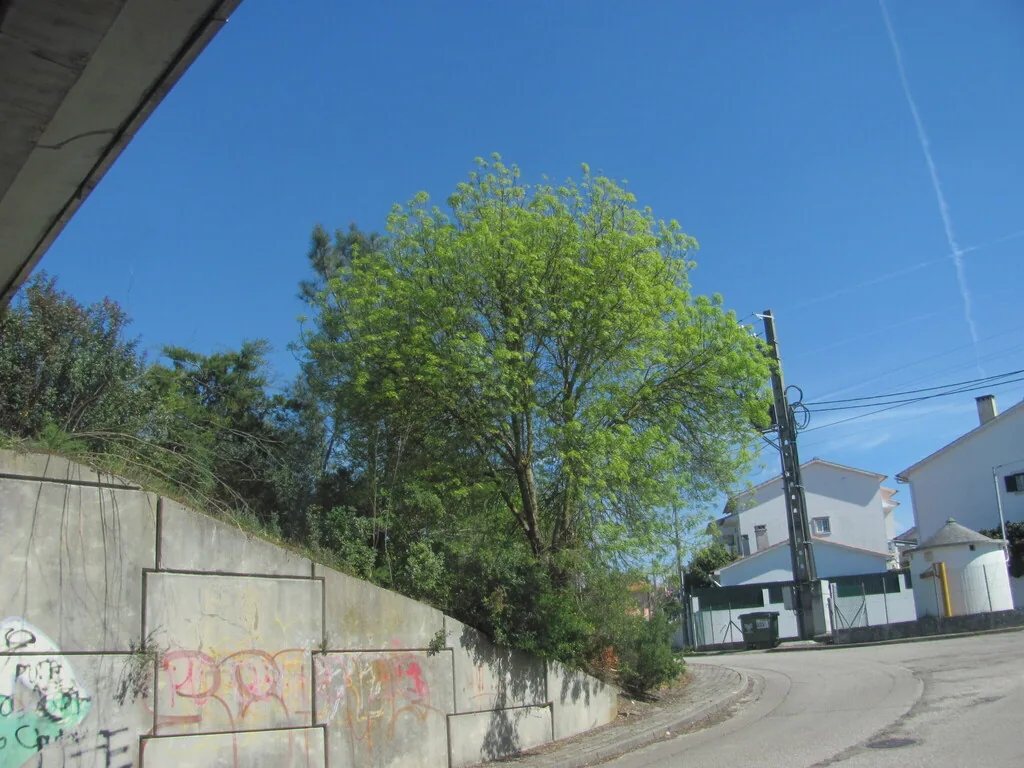
Narrow-leaved ash is a fast-growing deciduous tree that favours moist, fertile soils in river valleys and floodplains. [1] It is used as an ornamental tree in urban landscapes. [1] It is propagated by seed. [4]
This record is incomplete: the sources we read do not cover every field yet.
Not yet covered by our sources: Hardiness, warmest zone, Pruning
Narrow-leafed Ash care
How to water Narrow-leafed Ash
Watering
Moderate
What the sources say (2)
Light
full sun
Shade tolerance
no shade
Water
moderate
Hardiness
Zone 6+Resistencia: - Encharcamiento: poco. - Viento: normal. - Sol: normal. - Ambiente marítimo: normal. Necesidades hídricas: normal. Luz: normal.Watering notes
Does not withstand dryness; very sensitive to waterlogging
What the sources say (2)
It tolerates a wide temperature range, but does not withstand dryness.Observaciones: muy sensible al encharcamiento. 18 Árboles de hoja caduca Recomendaciones para su plantación urbanaHow much light Narrow-leafed Ash needs
Full sun
What the sources say (1)
Light
full sun
Shade tolerance
no shade
Water
moderate
Hardiness
Zone 6+How much cold Narrow-leafed Ash can take
Hardiness, coldest zone
6 [winter low −23.3 to −17.8 °C (−10 to 0 °F)]
What the sources say (1)
Light
full sun
Shade tolerance
no shade
Water
moderate
Hardiness
Zone 6+Hardiness, warmest zone
Not stated in the sources we read.
Where to grow Narrow-leafed Ash
1000 cm (10 m)
What the sources say (1)
Distancia mínima a infraestructuras: 3 m Distancia recomendable entre individuos: 10 m Dimensiones del alcorque: 1,5 x 1,5 x 1,5 mHow to propagate Narrow-leafed Ash
Seed
What the sources say (2)
A fast growing species that can live over 200 years.
It is propagated by seeds.The seed is best harvested green - as soon as it is fully developed but before it has fully dried on the tree - and can then be sown immediately in a cold frameHow to grow Narrow-leafed Ash
The plant
Mature height
2000-3000 cm (20–30 m)
What the sources say (1)
This species can reach heights of 20–30 metres and is characterized by its lance-shaped leaves and tall, straight trunk.Pests and diseases
Diseases
ash dieback (Hymenoscyphus fraxineus)
What the sources say (1)
Ash dieback ( Hymenoscyphus fraxineus ), which is kills both young and mature trees.Fertilizing
When
Spring, to keep the tree vigorous
What the sources say (1)
Fertilize trees in the spring and water well during drought to maintain tree vigor.Remedies
The sources we checked give no remedies for this plant.
Calendar
Autumn (direct sowing in an outdoor seedbed)
What the sources say (1)
If you have sufficient seed then it is possible to sow it directly into an outdoor seedbed, preferably in the autumn.October to February (urban tree planting)
What the sources say (1)
Apto para calles estrechas: NO Época plantación: de octubre a febreroNot stated in the sources we read.
Months as given by the sources, which are mostly from the United States (northern hemisphere). In the southern hemisphere they shift by about six months.
Edibility
Reported by the source, quoted verbatim. Do not eat a plant on the basis of this page alone: identification mistakes can be dangerous.
Indicative values
Values from a secondary source, not checked word for word like the rest of this page. Use them as a starting point.
- Life cycle
- PerennialIndicative value, adapt it to your climate · Secondary source
- Hours of sun
- 8-10 hoursIndicative value, adapt it to your climate · Secondary source
- Drought tolerant
- yesIndicative value, adapt it to your climate · Secondary source
- Soil
- Well-drainedIndicative value, adapt it to your climate · Secondary source
- Soil pH
- 6-7.5Indicative value, adapt it to your climate · Secondary source
- Growth rate
- ModerateIndicative value, adapt it to your climate · Secondary source
- Pruning
- February, March, AprilIndicative value, adapt it to your climate · Secondary source
- Pests
- Anthracnose, Stem borer insects, Disease resistant, Drought resistantIndicative value, adapt it to your climate · Secondary source
Similar plants
- Black ash Fraxinus nigra
- Blue Ash Fraxinus quadrangulata
- European ash Fraxinus excelsior
- Manna Ash Fraxinus ornus
- Pumpkin Ash Fraxinus profunda
- Manchurian ash Fraxinus mandshurica
- Oregon ash Fraxinus latifolia
- White Ash Fraxinus americana
Sources
Every value above is quoted from these documents. Links lead to the original publisher.
- Fraxinus angustifolia - EUFORGEN European forest genetic resources programme · euforgen.org, consulted
- Narrow-Leaved Ash (Fraxinus angustifolia) — Practical Plants · practicalplants.org, consulted
- Fraxinus angustifolia - Trees and Shrubs Online · treesandshrubsonline.org, consulted
- Narrow-leafed Ash – Flora – Jardim Gulbenkian · gulbenkian.pt, consulted
- Fraxinus angustifolia VAHL. Nombre científico: Fraxinus angustifolia VAHL. · dipucadiz.es, consulted
- Fresno. Parques, jardines e infraestructura verde. Medioambiente y sostenibilidad. Ayuntamiento de Zaragoza · zaragoza.es, consulted
- El freixe (Fraxinus excelsior i F. angustifolia) · pirinoble.ctfc.cat, consulted
- portal.ct.gov · portal.ct.gov
Written by Emilio Marruso · last checked