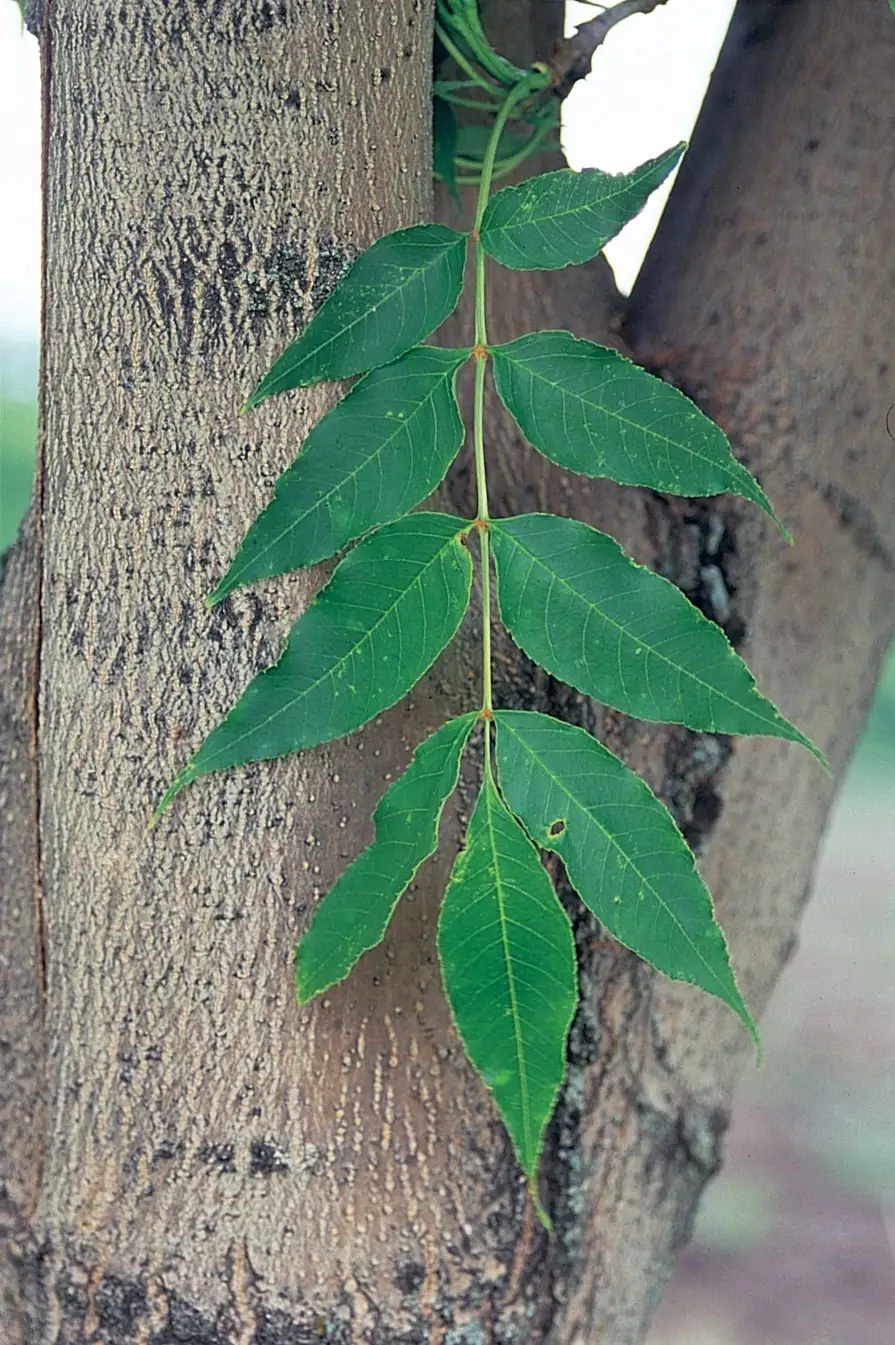
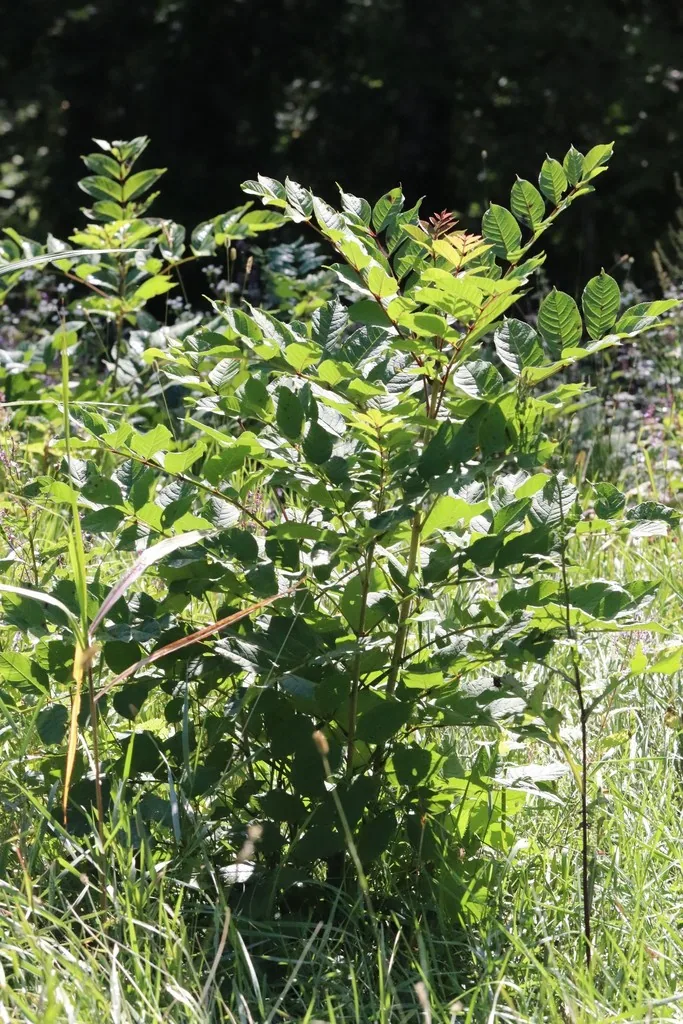

How to Grow and Care for Manchurian ash
Fraxinus mandshurica
Written by Emilio Marruso · last checked
At a glance
Manchurian ash is a big, easygoing tree that grows over 45 feet tall. It loves soil that stays moist but drains well, yet it shrugs off dry spells and even seasonal flooding. Give it a sheltered spot away from frost hollows so late frosts don't harm its new spring leaves, and keep an eye out for the emerald ash borer.
- Water
Likes moist, well-drained soil, but handles dry spells and seasonal flooding
What the sources say (2)
Watering: Prefers consistently moist, well-drained soil
Preferences Light: Full sun. Water: Prefers moist, well drained soils. Soil: Adaptable to a wide variety of soils.
— Manchurian Ash | NDSU Agriculture [1] Watering notes: Tolerates dry soil conditions and seasonal inundation of the soil
Plants are tolerant of seasonal inundation of the soil - seedlings exhibit a high tolerance of soil flooding
— Fraxinus mandshurica - Useful Temperate Plants [2] - Cold
Late frosts hurt new spring growth: plant in a sheltered spot, away from frost hollows
- Pests
Emerald ash borer: a heavy attack can kill the tree
What the sources say (1)
Pests: emerald ash borer
Manchurian ash is less susceptible to emerald ash borer (EAB) compared to ash species that are native to North America.
— Manchurian Ash | NDSU Agriculture [1] - Size
A big tree: over 45 ft tall
What the sources say (1)
Mature height: >1372 cm (>45 ft)
Growth Rate: Fast Mature Height: >45’ Longevity: Medium Power Line: No
— Manchurian Ash | NDSU Agriculture [1] - Propagation
Grows from seed
What the sources say (1)
Propagation: Seed
## Propagation Seed - Cite as: Temperate Plants Database, Ken Fern.
— Fraxinus mandshurica - Useful Temperate Plants [2]
Overview
Manchurian ash is a medium to large deciduous tree from east Asia, grown as an ornamental and an important timber species. [1][2] Its young spring growth is very susceptible to late frosts, so it does best in sheltered sites away from frost hollows. [2][5] It is less susceptible to emerald ash borer than North American ashes and is not susceptible to ash dieback. [1][2]
This record is incomplete: the sources we read do not cover every field yet.
Not yet covered by our sources: Hardiness, coldest zone, Hardiness, warmest zone, Pruning
Manchurian ash care
How to water Manchurian ash
Watering
Prefers consistently moist, well-drained soil
What the sources say (1)
Preferences
Light: Full sun.
Water: Prefers moist, well drained soils.
Soil: Adaptable to a wide variety of soils.Watering notes
Tolerates dry soil conditions and seasonal inundation of the soil
What the sources say (1)
Plants are tolerant of seasonal inundation of the soil - seedlings exhibit a high tolerance of soil floodingHow much light Manchurian ash needs
The sources disagree:
Preferences Light: Full sun. Water: Prefers moist, well drained soils.
[1]
How much cold Manchurian ash can take
Hardiness, coldest zone
The sources give different values depending on region, zone or growing conditions.
What each source says
According to NDSU Extension: 3 [winter low −40 to −34.4 °C (−40 to −30 °F)]
What the sources say (1)
According to NDSU Extension: Scientific Name: Fraxinus mandshurica
Family: Oleaceae (Olive)
Hardiness: Zone 3
Leaves: DeciduousHardiness, warmest zone
Not stated in the sources we read.
How to propagate Manchurian ash
Seed
What the sources say (1)
## Propagation
Seed -
Cite as: Temperate Plants Database, Ken Fern.How to grow Manchurian ash
The plant
Family
Oleaceae
What the sources say (1)
Scientific Name: Fraxinus mandshurica Family: Oleaceae (Olive) Hardiness: Zone 3Mature height
>1372 cm (>45 ft)
What the sources say (1)
Growth Rate: Fast Mature Height: >45’ Longevity: Medium Power Line: NoPests and diseases
Pests
emerald ash borer
What the sources say (1)
Manchurian ash is less susceptible to emerald ash borer (EAB) compared to ash species that are native to North America.Manchurian ash pests and problems
Emerald ash borer
Symptom: Trees may succumb if insect numbers are very large
What the sources say (1)
Manchurian ash is less susceptible to emerald ash borer (EAB) compared to ash species that are native to North America. However, it is not 100% resistant and may fall to EAB if there are very large numbers of insects.
— Manchurian Ash | NDSU Agriculture [1] Spring frost damage
Symptom: Young spring growth is badly damaged by late frosts
What to do: Plant in sheltered sites, avoiding frost hollows
What the sources say (2)
The young growth in spring, however, is very susceptible to damage by frosts and, in areas that are prone to late frosts, the plants are often badly damaged
— Fraxinus mandshurica - Useful Temperate Plants [2] Thrives best in sheltered, damp sites, avoiding frost hollows
— Manchurian Ash (Fraxinus mandshurica) | Gabriel Hemery [5]
Remedies
The sources we checked give no remedies for this plant.
Calendar
Pruning
Not stated in the sources we read.
Months as given by the sources, which are mostly from the United States (northern hemisphere). In the southern hemisphere they shift by about six months.
Indicative values
Values from a secondary source, not checked word for word like the rest of this page. Use them as a starting point.
- Life cycle
- PerennialIndicative value, adapt it to your climate · Secondary source
- Drought tolerant
- yesIndicative value, adapt it to your climate · Secondary source
- Soil pH
- 6-7.5Indicative value, adapt it to your climate · Secondary source
- Growth rate
- LowIndicative value, adapt it to your climate · Secondary source
- Pruning
- February, March, AprilIndicative value, adapt it to your climate · Secondary source
Similar plants
- Black ash Fraxinus nigra
- Blue Ash Fraxinus quadrangulata
- European ash Fraxinus excelsior
- Manna Ash Fraxinus ornus
- Oregon ash Fraxinus latifolia
- Pumpkin Ash Fraxinus profunda
- White Ash Fraxinus americana
- Narrow-leafed Ash Fraxinus angustifolia
Sources
Every value above is quoted from these documents. Links lead to the original publisher.
- Manchurian Ash | NDSU Agriculture · ndsu.edu, consulted
- Fraxinus mandshurica - Useful Temperate Plants · temperate.theferns.info, consulted
- Fraxinus mandshurica - Trees and Shrubs Online · treesandshrubsonline.org, consulted
- North Dakota Tree Selector · ndsu.edu, consulted
- Manchurian Ash (Fraxinus mandshurica) | Gabriel Hemery · gabrielhemery.com, consulted
Written by Emilio Marruso · last checked