
How to Grow and Care for European ash
Fraxinus excelsior
Written by Emilio Marruso · last checked
At a glance
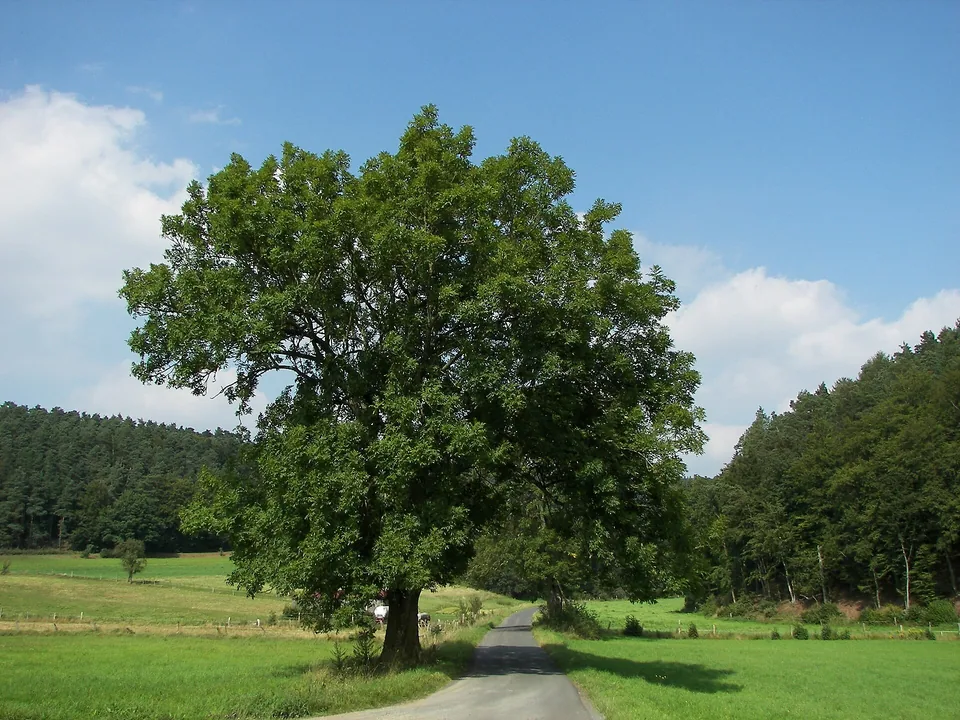
European ash is a grand tree that can reach 60–80 feet tall and spread 60–90 feet wide. It thrives in full sun to partial shade and moist, well-drained soil, and it handles the occasional dry spell. Water it during dry weather, especially when newly planted, and feed it regularly to keep it strong and healthy for years.
- Sun
Full sun to partial shade
- Water
Likes moist soil; water in dry weather, especially newly planted trees
What the sources say (3)
Watering: Prefers moist, well-drained soil; tolerates occasional periods of dry soil
Consistently moist, well-drained soil; Occasional periods of dry soil
— Woody Plants Database [6] prefers moist, rich soil, and grows well on calcareous soil
— ENH423 [1] Watering notes: Water during dry weather, particularly newly transplanted trees
fertilizing regularly and watering during dry weather, particularly newly transplanted trees or those stressed from some other problem
— ENH423 [1] - Soil
Moist, well-drained soil, pH up to 8.0
What the sources say (3)
Watering: Prefers moist, well-drained soil; tolerates occasional periods of dry soil
Consistently moist, well-drained soil; Occasional periods of dry soil
— Woody Plants Database [6] prefers moist, rich soil, and grows well on calcareous soil
— ENH423 [1] Soil pH, maximum: 8.0
Light: Full sun Hardy To Zone: 4b Soil Ph: Can tolerate acid to alkaline soil (pH 5.0 to 8.0)
— Woody Plants Database [6] - Feeding
Feed regularly, along with watering in dry weather, to keep the tree strong
What the sources say (1)
How often: Regularly, with watering in dry weather, above all on newly transplanted or stressed trees, to keep them healthy against borers
Keep trees as healthy as possible by fertilizing regularly and watering during dry weather, particularly newly transplanted trees or those stressed from some other problem.
— ENH423 [1] - Pests
Ash borers, emerald ash borer, aphids; ash dieback and cankers
What the sources say (5)
Pests: ash borer, lilac borer, carpenterworm, emerald ash borer (Agrilus planipennis), aphids
The most common borers infesting Ash are Ash borer, lilac borer and carpenterworm.
— ENH423 [1] Aphids are often seen but are usually not serious.
— ENH423 [1] The emerald ash borer (Agrilus planipennis) is a beetle native to Asia and eastern Russia.
— Fraxinus excelsior [3] Diseases: ash dieback (Hymenoscyphus fraxineus), cankers (Nectria galligena)
The fungus Hymenoscyphus fraxineus, also known as Chalara fraxinea, a name designating its asexual stage, is primarily responsible for this invasive disease, causing crown dieback,
— Fraxinus excelsior [3] The bacterium Pseudomonas syringae subsp. savastanoi pv. fraxini and the fungus Nectria galligena can cause cankers on common ash trees, which adversely affect their economic value in managed stands.
— Fraxinus excelsior [3] - Watch out
Borers can kill the tree: keep it healthy with regular feeding and watering in dry weather
- Size
60–80 ft tall and 60–90 ft wide
What the sources say (2)
Mature height: 1829-2438 cm (60-80 ft)
Range Description Height: 60 to 80 feet Spread: 60 to 90 feet Crown uniformity: symmetrical Crown shape: round
— ENH423 [1] Mature width: 1829-2743 cm (60-90 ft)
Range Description Height: 60 to 80 feet Spread: 60 to 90 feet Crown uniformity: symmetrical Crown shape: round
— ENH423 [1] - Propagation
Grows from seed
What the sources say (1)
Propagation: Seed
Propagation of the species is by seed. 2 Pests Borers can kill trees.
— ENH423 [1]
Overview
Common ash is a large deciduous tree used for shade and along highway medians. [1] It is propagated by seed and prefers moist, well-drained soil. [1][6] Borers often infest the trunk and can kill trees. [1]
This record is incomplete: the sources we read do not cover every field yet.
Not yet covered by our sources: Pruning
European ash care
How to water European ash
Watering
Prefers moist, well-drained soil; tolerates occasional periods of dry soil
Watering notes
Water during dry weather, particularly newly transplanted trees
What the sources say (1)
fertilizing regularly and watering during dry weather, particularly newly transplanted trees or those stressed from some other problemHow much light European ash needs
How much cold European ash can take
Hardiness, coldest zone
The sources give different values depending on region, zone or growing conditions.
What each source says
According to UF/IFAS Extension: 5a [winter low −28.9 to −26.1 °C (−20 to −15 °F)]
According to Cornell University: 4b [winter low −31.7 to −28.9 °C (−25 to −20 °F)]
According to USU Extension: 5 [winter low −28.9 to −23.3 °C (−20 to −10 °F)]
What the sources say (3)
According to UF/IFAS Extension: USDA hardiness zones: 5A through 8A (Fig. 2) Origin: not native to North AmericaAccording to Cornell University: Light:
Full sun
Hardy To Zone:
4b
Soil Ph:
Can tolerate acid to alkaline soil (pH 5.0 to 8.0)According to USU Extension: and is not as cold hardy as many of its relatives. Zones 5-8.Hardiness, warmest zone
8a [winter low −12.2 to −9.4 °C (10 to 15 °F)]
What the sources say (1)
USDA hardiness zones: 5A through 8A (Fig. 2) Origin: not native to North AmericaBest soil for European ash
Soil pH, minimum
The sources give different values depending on region, zone or growing conditions.
What each source says
According to Cornell University: 5.0
According to EUFORGEN: 4.5
What the sources say (2)
According to Cornell University: Light:
Full sun
Hardy To Zone:
4b
Soil Ph:
Can tolerate acid to alkaline soil (pH 5.0 to 8.0)According to EUFORGEN: highly tolerant of seasonal flooding and acid soil with pH as low as 4.5Soil pH, maximum
8.0
What the sources say (1)
Light:
Full sun
Hardy To Zone:
4b
Soil Ph:
Can tolerate acid to alkaline soil (pH 5.0 to 8.0)How to propagate European ash
Seed
What the sources say (1)
Propagation of the species is by seed. 2 Pests Borers can kill trees.How to grow European ash
The plant
Family
Oleaceae
What the sources say (1)
Scientific name: Fraxinus excelsior Pronunciation: FRACK-sih-nus eck-SELL-see-or Common name(s): Common Ash, European Ash Family: OleaceaeMature height
1829-2438 cm (60-80 ft)
What the sources say (1)
Range Description Height: 60 to 80 feet Spread: 60 to 90 feet Crown uniformity: symmetrical Crown shape: roundMature width
1829-2743 cm (60-90 ft)
What the sources say (1)
Range Description Height: 60 to 80 feet Spread: 60 to 90 feet Crown uniformity: symmetrical Crown shape: roundPests and diseases
Pests
ash borer, lilac borer, carpenterworm, emerald ash borer (Agrilus planipennis), aphids
Diseases
ash dieback (Hymenoscyphus fraxineus), cankers (Nectria galligena)
What the sources say (2)
The fungus Hymenoscyphus fraxineus, also known as Chalara fraxinea, a name designating its asexual stage, is primarily responsible for this invasive disease, causing crown dieback,The bacterium Pseudomonas syringae subsp. savastanoi pv. fraxini and the fungus Nectria galligena can cause cankers on common ash trees, which adversely affect their economic value in managed stands.Fertilizing
How often
Regularly, with watering in dry weather, above all on newly transplanted or stressed trees, to keep them healthy against borers
What the sources say (1)
Keep trees as healthy as possible by fertilizing regularly and watering during dry weather, particularly newly transplanted trees or those stressed from some other problem.European ash pests and problems
Borers
Symptom: Borers can kill trees; ash borer causes tree dieback and lilac borer causes swellings on trunk and limbs.
What to do: Keep trees as healthy as possible by fertilizing regularly and watering during dry weather.
Remedies
Each remedy shows what official sources say about it; traditional remedies without an official source are marked as such. Harmful ones are listed so you know to avoid them.
Treating the plant
ash dieback
covered leaf compost heap Official source, not independently tested
How: If composting ash leaves in an area where ash dieback is known to be present, cover them with a 10cm (4-inch) layer of soil or a 15-30cm (6-12 inches) layer of other plant material, and leave the heap undisturbed for a year.
the Forestry Commission recommends covering them with with a 10cm (4-inch) layer of soil or a 15-30cm (6-12 inches) layer of other plant material, and leaving the heap undisturbed for a year (other than covering it with more material).
— rhs.org.uk [8]
Calendar
Pruning
Not stated in the sources we read.
Months as given by the sources, which are mostly from the United States (northern hemisphere). In the southern hemisphere they shift by about six months.
Similar plants
- Black ash Fraxinus nigra
- Blue Ash Fraxinus quadrangulata
- Manna Ash Fraxinus ornus
- Oregon ash Fraxinus latifolia
- Pumpkin Ash Fraxinus profunda
- Manchurian ash Fraxinus mandshurica
- White Ash Fraxinus americana
- Narrow-leafed Ash Fraxinus angustifolia
Sources
Every value above is quoted from these documents. Links lead to the original publisher.
- ENH423 · edis.ifas.ufl.edu, consulted
- Ash, European | TreeBrowser | USU · extension.usu.edu, consulted
- Fraxinus excelsior · forest.jrc.ec.europa.eu, consulted
- Fraxinus excelsior - EUFORGEN European forest genetic resources programme · euforgen.org, consulted
- Linee guida per la conservazione genetica e l’uso · euforgen.org, consulted
- Woody Plants Database · woodyplants.cals.cornell.edu, consulted
- Virginia Tech Dendrology Fact Sheet · dendro.cnre.vt.edu, consulted
- rhs.org.uk · rhs.org.uk
Written by Emilio Marruso · last checked