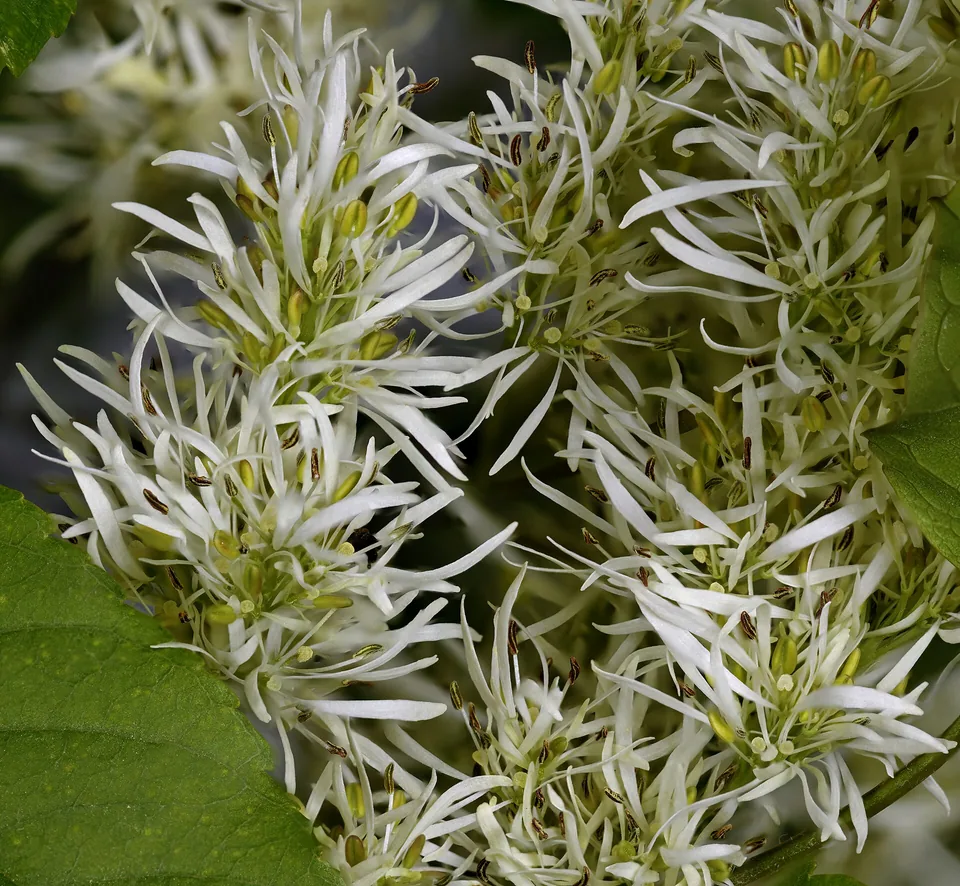
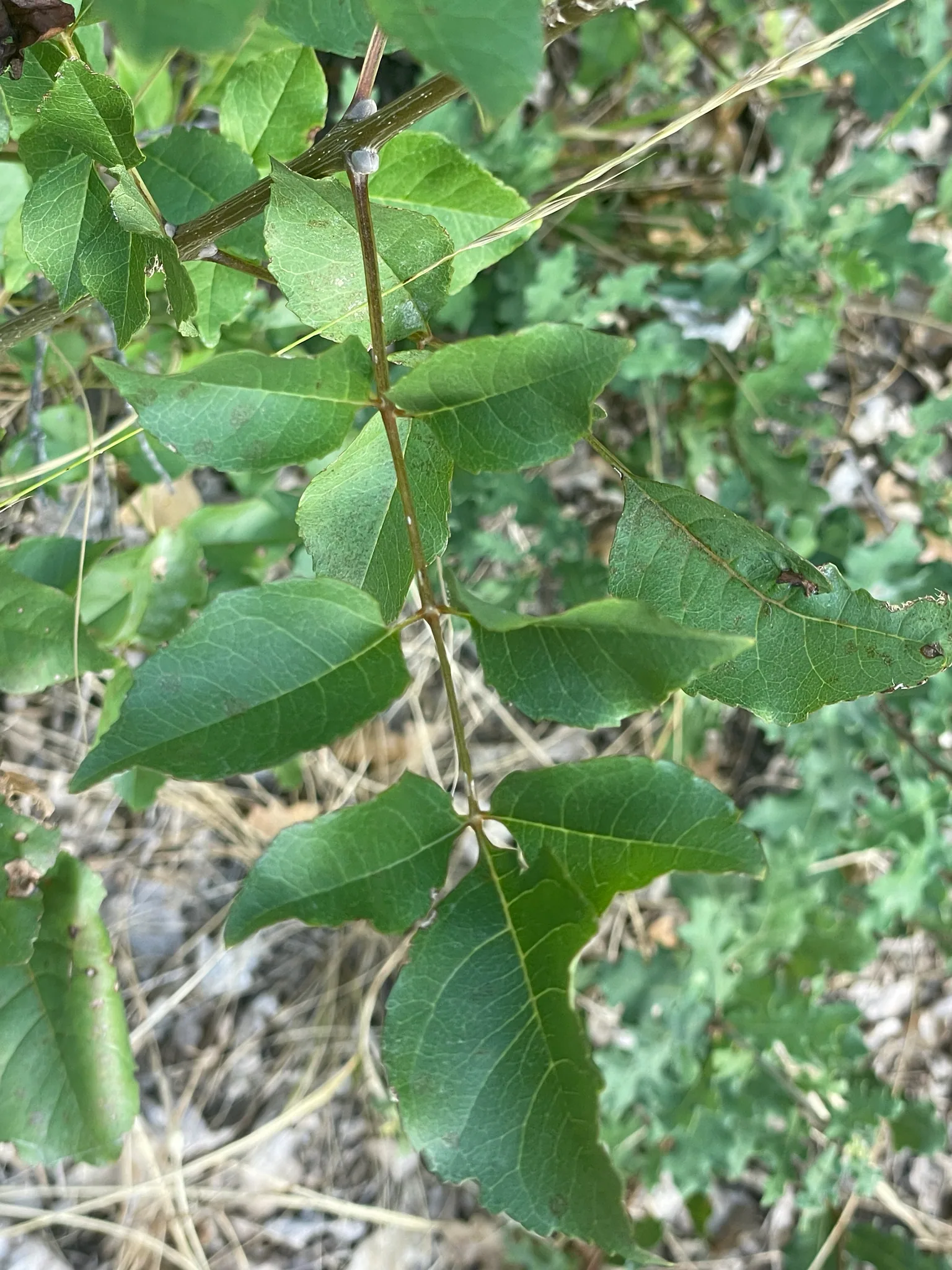

How to Grow and Care for Manna Ash
Fraxinus ornus
Written by Emilio Marruso · last checked
At a glance
Manna ash is a tree that thinks big, growing up to 82 feet tall in full sun. It handles dry spells well and asks for only moderate to regular water. Best of all, its crystallized sap, called manna, has a bittersweet taste and is used as a sweetener, a laxative and a digestive aid.
- Sun
Full sun
- Water
Moderate to regular water; it handles dry spells well
What the sources say (2)
Watering: Moderate water to regular water
Watering Needs: Moderate water to regular water Propagation:
— Flowering Ash, Manna Ash (Fraxinus ornus) [8] Watering notes: Good drought resistance; mean annual precipitation needed is between 500 and 650 mm [19.7–25.6 in]
The mean annual precipitation needed is between 500 and 650 mm, although it has a good drought resistance, storing water in densely branched roots, and reducing transpiration.
— Fraxinus ornus [2] - Spacing
Leave 50 ft between trees
What the sources say (1)
Spacing: 1524 cm (50 ft)
Space flowering ash 50 feet (15m) apart; grow to 50 feet tall and wide.
— How to Grow Flowering Ash - Fraxinus [6] - Feeding
Feed in spring to keep the tree strong
What the sources say (1)
When: Spring, to keep the tree vigorous
Fertilize trees in the spring and water well during drought to maintain tree vigor.
— [9] - Harvest
Its crystallized sap, manna, tastes bittersweet and is used as a sweetener
- Pests
Ash dieback, ash borers, flower galls caused by a mite, and ash yellows
- Watch out
Choose a male tree: female trees make lots of seed and unwanted seedlings
- Size
Up to 82 ft tall
What the sources say (1)
Mature height: up to 2500 cm (25 m)
The manna ash (Fraxinus ornus L.) is a small to medium-sized deciduous tree, growing rarely up to 25 m tall and 1 metre in diameter.
— Fraxinus ornus [2] - Propagation
From seed, bud grafting, or semi-hardwood cuttings in spring
- Sowing
Sow in spring
What the sources say (1)
Sowing: Spring
by seeds, in spring. Germinates at 70-85 degrees F.
— Flowering Ash, Manna Ash (Fraxinus ornus) [8]
Overview
Manna ash is a small to medium-sized deciduous tree of southern-western Europe. [2] It is grown as an ornamental shade tree in full sun and tolerates a wide range of soils. [3][5] Its sap crystallises into manna, which is used as a sweetener. [2]
This record is incomplete: the sources we read do not cover every field yet.
Not yet covered by our sources: Pruning
Manna Ash care
Measurements in square brackets are our conversion into the other unit system; the quoted text is unchanged.
How to water Manna Ash
Watering
Moderate water to regular water
What the sources say (1)
Watering Needs: Moderate water to regular water
Propagation:Watering notes
Good drought resistance; mean annual precipitation needed is between 500 and 650 mm [19.7–25.6 in]
What the sources say (1)
The mean annual precipitation needed is between 500 and 650 mm, although it has a good drought resistance, storing water in densely branched roots, and reducing transpiration.How much light Manna Ash needs
How much cold Manna Ash can take
Hardiness, coldest zone
The sources give different values depending on region, zone or growing conditions.
What each source says
According to University of Utah: 6 [winter low −23.3 to −17.8 °C (−10 to 0 °F)]
According to UConn Plant Database: 5 [winter low −28.9 to −23.3 °C (−20 to −10 °F)]
Hardiness, warmest zone
9 [winter low −6.7 to −1.1 °C (20 to 30 °F)]
What the sources say (1)
USDA Hardiness Zone:
6 to 9
Family/Origin:
OleaceaeWhere to grow Manna Ash
1524 cm (50 ft)
What the sources say (1)
Space flowering ash 50 feet (15m) apart; grow to 50 feet tall and wide.How to propagate Manna Ash
How to grow Manna Ash
The plant
Family
Oleaceae
What the sources say (1)
Problematicità tassonomiche e corologiche nel genere Fraxinus (Oleaceae) in Italia F.M. Raimondo, C. Salmeri, V. SpadaroMature height
up to 2500 cm (25 m)
What the sources say (1)
The manna ash (Fraxinus ornus L.) is a small to medium-sized deciduous tree, growing rarely up to 25 m tall and 1 metre in diameter.Fertilizing
When
Spring, to keep the tree vigorous
What the sources say (1)
Fertilize trees in the spring and water well during drought to maintain tree vigor.Manna Ash pests and problems
Ash pests and diseases
Symptom: Listed liabilities include ash dieback, ash borers, ash flower galls on male plants caused by a mite, and ash yellows
What to do: Male plants are preferred for landscape purposes because female trees produce lots of seed and unwanted seedlings
What the sources say (1)
female trees produce lots of seed, leading to numerous unwanted
— Plant Database [5]
Remedies
The sources we checked give no remedies for this plant.
Calendar
Sowing
Spring
What the sources say (1)
by seeds, in spring. Germinates at 70-85 degrees F.Pruning
Not stated in the sources we read.
Months as given by the sources, which are mostly from the United States (northern hemisphere). In the southern hemisphere they shift by about six months.
Edibility
Reported by the source, quoted verbatim. Do not eat a plant on the basis of this page alone: identification mistakes can be dangerous.
manna, the crystallised sap, which has a bitter-sweet taste and it is used as sweetener, laxative and digestive.
[2]
Indicative values
Values from a secondary source, not checked word for word like the rest of this page. Use them as a starting point.
- Life cycle
- PerennialIndicative value, adapt it to your climate · Secondary source
- Hours of sun
- 6-10 hoursIndicative value, adapt it to your climate · Secondary source
- Soil
- Well-drainedIndicative value, adapt it to your climate · Secondary source
- Soil pH
- 6-7.5Indicative value, adapt it to your climate · Secondary source
- Care level
- MediumIndicative value, adapt it to your climate · Secondary source
- Growth rate
- ModerateIndicative value, adapt it to your climate · Secondary source
- Pruning
- February, August, February, May, June, July, August, August, March, April, May, June, July, August, September, MayIndicative value, adapt it to your climate · Secondary source
- Pests
- Anthracnose, Fungal leaf spot, RustIndicative value, adapt it to your climate · Secondary source
Similar plants
- Black ash Fraxinus nigra
- Blue Ash Fraxinus quadrangulata
- European ash Fraxinus excelsior
- Pumpkin Ash Fraxinus profunda
- Manchurian ash Fraxinus mandshurica
- Oregon ash Fraxinus latifolia
- White Ash Fraxinus americana
- Narrow-leafed Ash Fraxinus angustifolia
Sources
Every value above is quoted from these documents. Links lead to the original publisher.
- Notiziario della Società Botanica Italiana, 1 (2017) · iris.unipa.it, consulted
- Fraxinus ornus · forest.jrc.ec.europa.eu, consulted
- Tree Tour - Facilities - The University of Utah · facilities.utah.edu, consulted
- Genetic distinctiveness highlights the conservation value of a · hal.inrae.fr, consulted
- Plant Database · plantdatabase.uconn.edu, consulted
- How to Grow Flowering Ash - Fraxinus · harvesttotable.com, consulted
- Fraxinus ornus, flowering ash | Trees of Stanford & Environs · trees.stanford.edu, consulted
- Flowering Ash, Manna Ash (Fraxinus ornus) · desert-tropicals.com, consulted
- portal.ct.gov · portal.ct.gov
Written by Emilio Marruso · last checked