
Cómo cultivar y cuidar Lechuga
Lactuca sativa
Escrito por Emilio Marruso · última revisión
Tóxica para: Personas · Por qué
De un vistazo
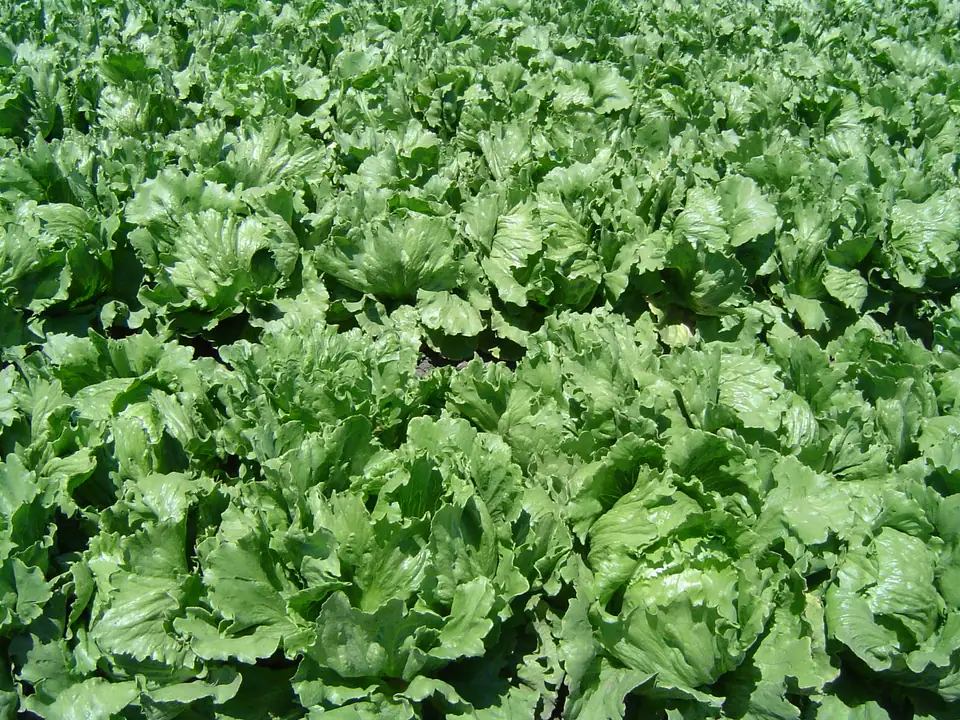
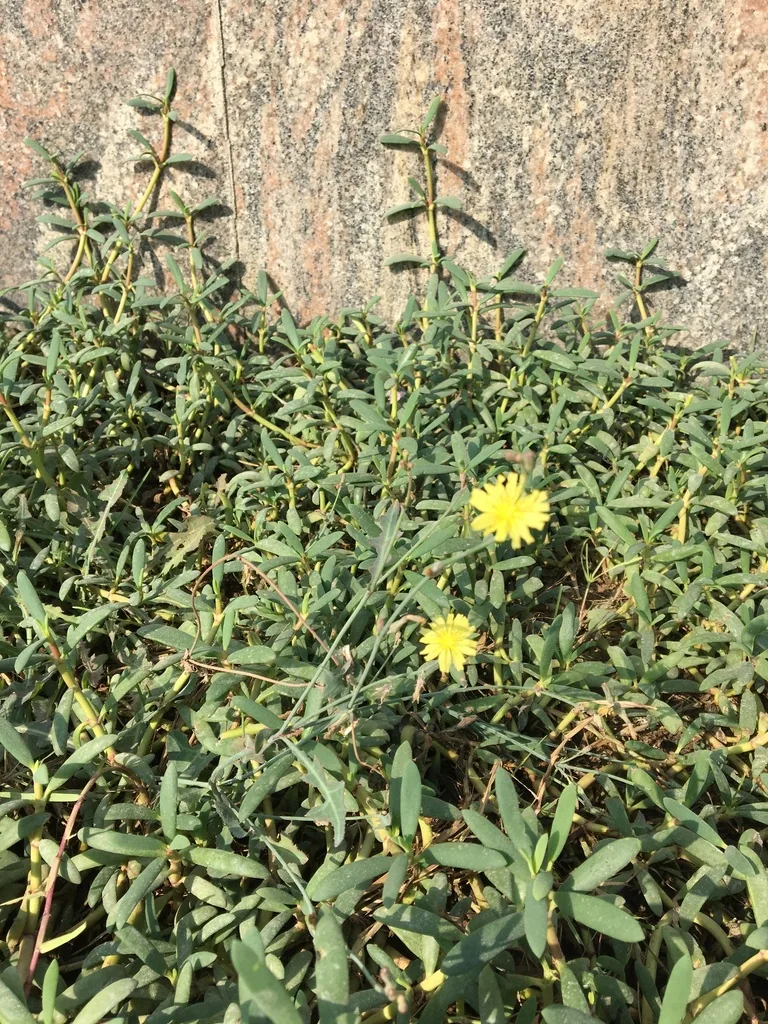
La lechuga crece rápido y se da bien tanto en el huerto como en maceta. Siémbrala mientras el tiempo aún es fresco, mantén la tierra húmeda de forma constante y recoge hojas tiernas de 5–8 cm. Corta primero las hojas de fuera y el centro seguirá creciendo: tendrás ensaladas y bocadillos frescos una y otra vez.
- Sol
Sol pleno o semisombra; en verano, 3–4 horas de sol y sombra el resto del día
Qué dicen las fuentes (2)
Luz: Pleno sol a semisombra; en verano, 3 a 4 horas de sol diarias y sombra el resto del día
Lettuce grows best in full sun to partial shade and organically rich, moist, well-drained soils.
— Lactuca sativa (Butterhead, Butterheads, Cos, Head Lettuce, Lactuca, Leaf Lettuce, Lettuce, Lettuces, Romaine, Romaines) | North Carolina Extension Gardener Plant Toolbox [1] If grown during summer, give the plant 3 to 4 hours of sun daily and shade the rest of the day.
— Lactuca sativa (Butterhead, Butterheads, Cos, Head Lettuce, Lactuca, Leaf Lettuce, Lettuce, Lettuces, Romaine, Romaines) | North Carolina Extension Gardener Plant Toolbox [1] - Riego
Mantén la tierra siempre húmeda, mojada hasta 15 cm de profundidad; riega por la mañana
Qué dicen las fuentes (6)
Riego: Mantén la tierra constante y uniformemente húmeda; riega lo suficiente para humedecer la tierra hasta una profundidad de 6 pulgadas [15 cm]
Lettuce has a shallow root system and requires consistently moist soil for proper growth and flavor.
— Lactuca sativa (Butterhead, Butterheads, Cos, Head Lettuce, Lactuca, Leaf Lettuce, Lettuce, Lettuces, Romaine, Romaines) | North Carolina Extension Gardener Plant Toolbox [1] Water the garden frequently to maintain a uniform moisture supply during growth.
— Lettuce | Home & Garden Information Center [8] Water the garden sufficiently to moisten the soil to a depth of 6 inches. Light sprinklings will encourage shallow rooting of the plants.
— Lettuce | Home & Garden Information Center [8] Notas sobre el riego: Riega por la mañana para que el follaje esté seco antes de que oscurezca; el período más crítico para la humedad es el establecimiento de las plantas; la tierra seca puede provocar el espigado y hojas amargas
The garden should be watered in the morning so that the foliage is dry before dark.
— Lettuce | Home & Garden Information Center [8] The most critical period for moisture is during stand establishment.
— Lettuce | Home & Garden Information Center [8] Both high temperatures (70 to 80 degrees F) and dry soil can trigger plants to bolt and flower, turning the leaves bitter and stopping leaf production.
— Lactuca sativa (Butterhead, Butterheads, Cos, Head Lettuce, Lactuca, Leaf Lettuce, Lettuce, Lettuces, Romaine, Romaines) | North Carolina Extension Gardener Plant Toolbox [1] - Frío
Aguanta inviernos de hasta −45,6 °C (−50 °F)
Muy rústica · USDA 2a · RHS H7 · Z2
Qué dicen las fuentes (2)
Rusticidad, zona más fría: 2a [mínima invernal de −45,6 a −42,8 °C (de −50 a −45 °F)]
USDA Plant Hardiness Zone: 2a, 2b, 3a, 3b, 4a, 4b, 5a, 5b, 6a, 6b, 7a, 7b, 8a, 8b, 9a, 9b, 10a, 10b, 11a, 11b
— Lactuca sativa (Butterhead, Butterheads, Cos, Head Lettuce, Lactuca, Leaf Lettuce, Lettuce, Lettuces, Romaine, Romaines) | North Carolina Extension Gardener Plant Toolbox [1] Rusticidad, zona más cálida: 11b [mínima invernal de 7,2 a 10 °C (de 45 a 50 °F)]
USDA Plant Hardiness Zone: 2a, 2b, 3a, 3b, 4a, 4b, 5a, 5b, 6a, 6b, 7a, 7b, 8a, 8b, 9a, 9b, 10a, 10b, 11a, 11b
— Lactuca sativa (Butterhead, Butterheads, Cos, Head Lettuce, Lactuca, Leaf Lettuce, Lettuce, Lettuces, Romaine, Romaines) | North Carolina Extension Gardener Plant Toolbox [1] - Suelo
Suelo ligeramente ácido, pH 6,0–6,7
Qué dicen las fuentes (5)
pH del suelo, mínimo: 6.0
Optimal pH ranges from 6 to 6.7. Lettuce enjoys the cool weather of spring and fall.
— Lactuca sativa (Butterhead, Butterheads, Cos, Head Lettuce, Lactuca, Leaf Lettuce, Lettuce, Lettuces, Romaine, Romaines) | North Carolina Extension Gardener Plant Toolbox [1] Follow the results of a soil test to maintain a soil pH between 6.0 and 6.5 and optimal fertility levels.
— Lettuce | Home & Garden Information Center [8] pH del suelo, máximo: 6.7
Según NC State Extension Plant Toolbox: Optimal pH ranges from 6 to 6.7.
— Lactuca sativa (Butterhead, Butterheads, Cos, Head Lettuce, Lactuca, Leaf Lettuce, Lettuce, Lettuces, Romaine, Romaines) | North Carolina Extension Gardener Plant Toolbox [1] Según Clemson HGIC: Follow the results of a soil test to maintain a soil pH between 6.0 and 6.5 and optimal fertility levels.
— Lettuce | Home & Garden Information Center [8] Optimal pH ranges from 6 to 6.7. Lettuce enjoys the cool weather of spring and fall.
— Lactuca sativa (Butterhead, Butterheads, Cos, Head Lettuce, Lactuca, Leaf Lettuce, Lettuce, Lettuces, Romaine, Romaines) | North Carolina Extension Gardener Plant Toolbox [1] - Distancia
Hileras a 30–60 cm para lechuga de hoja y a 90 cm para lechuga de cogollo
Qué dicen las fuentes (6)
Distancia entre hileras: Lechuga de hoja 30-61 cm (1 a 2 pies); lechuga de cabeza 91 cm (3 pies)
lechuga de hoja: Plant leaf lettuce in rows 1 to 2 feet apart with seed one-quarter inch deep and 6 to 10 inches apart in the row.
— Lettuce | Home & Garden Information Center [8] lechuga de cabeza: Head lettuce should be planted in rows 3 feet apart with 12 inches between plants in the row.
— Lettuce | Home & Garden Information Center [8] Plant leaf lettuce in rows 1 to 2 feet apart with seed one-quarter inch deep and 6 to 10 inches apart in the row.
— Lettuce | Home & Garden Information Center [8] Head lettuce should be planted in rows 3 feet apart with 12 inches between plants in the row.
— Lettuce | Home & Garden Information Center [8] Entre hileras: 30,5-61 cm [12–24 in] para lechuga de hoja, 91,4 cm [36 in] para lechuga de cabeza.
Plant leaf lettuce in rows 1 to 2 feet apart with seed one-quarter inch deep and 6 to 10 inches apart in the row.
— Lettuce | Home & Garden Information Center [8] Head lettuce should be planted in rows 3 feet apart with 12 inches between plants in the row.
— Lettuce | Home & Garden Information Center [8] - Abonado
Abona antes de plantar y una vez más durante el cultivo; el nitrato cálcico evita que se quemen los bordes
Qué dicen las fuentes (3)
Cuándo: Antes de plantar, luego una aplicación lateral durante la temporada de crecimiento
apply 5-10-10 at 3 pounds per 100 square feet before planting. Lettuce should be sidedressed once during the growing season.
— Lettuce | Home & Garden Information Center [8] Evitar: Formas amoniacales de nitrógeno, que contribuyen a la quemadura de los bordes; abona lateralmente con nitrato de calcio en su lugar
using ammoniacal forms of nitrogen (use calcium nitrate, 15.5-0-0 instead to sidedress the crop), and rapid growth may all contribute to tipburn
— Lettuce | Home & Garden Information Center [8] Microelementos: Calcio: la quemadura de los bordes es causada por deficiencia de calcio
Tipburn is a physiological disorder that can occasionally occur on lettuce and is caused by calcium deficiency.
— Lettuce | Home & Garden Information Center [8] - Cosecha
Recoge hojas de 5–8 cm, primero las de fuera, o corta la planta entera a ras de suelo
Qué dicen las fuentes (6)
Cosecha: Hojas tiernas de 2 a 3 pulgadas [5,1–7,6 cm] de largo para una cosecha continua, o la planta entera cortada al nivel del suelo o por encima; al cosechar hoja por hoja, toma primero las hojas exteriores
Leaves can be harvested either by removing individual baby leaves (2 to 3 inches long) for a continuous harvest or by cutting the whole plant at or above the soil surface.
— Lactuca sativa (Butterhead, Butterheads, Cos, Head Lettuce, Lactuca, Leaf Lettuce, Lettuce, Lettuces, Romaine, Romaines) | North Carolina Extension Gardener Plant Toolbox [1] If removing leaf by leaf, take the outer leaves first to allow the central leaves to continue to grow.
— Lactuca sativa (Butterhead, Butterheads, Cos, Head Lettuce, Lactuca, Leaf Lettuce, Lettuce, Lettuces, Romaine, Romaines) | North Carolina Extension Gardener Plant Toolbox [1] Cómo cosechar: Retira las hojas pequeñas individuales de 2 a 3 pulgadas [5,1–7,6 cm] de largo para una cosecha continua, o corta la planta entera a nivel o por encima de la superficie del suelo; si tomas hoja por hoja, recoge primero las exteriores para que las centrales sigan creciendo. La lechuga Bibb está madura cuando las hojas empiezan a curvarse hacia adentro formando una cabeza suelta; la romana cuando las hojas se han alargado y se superponen formando una cabeza parcialmente compacta de unas 6 a 8 pulgadas [15–20 cm] de alto.
Leaves can be harvested either by removing individual baby leaves (2 to 3 inches long) for a continuous harvest or by cutting the whole plant at or above the soil surface.
— Lactuca sativa (Butterhead, Butterheads, Cos, Head Lettuce, Lactuca, Leaf Lettuce, Lettuce, Lettuces, Romaine, Romaines) | North Carolina Extension Gardener Plant Toolbox [1] If removing leaf by leaf, take the outer leaves first to allow the central leaves to continue to grow.
— Lactuca sativa (Butterhead, Butterheads, Cos, Head Lettuce, Lactuca, Leaf Lettuce, Lettuce, Lettuces, Romaine, Romaines) | North Carolina Extension Gardener Plant Toolbox [1] Bibb lettuce is mature when leaves begin to cup inward to form a loose head.
— Lettuce | Home & Garden Information Center [8] Cos or Romaine is ready to use when the leaves have elongated and overlap to form a partially tight head about 6 to 8 inches tall.
— Lettuce | Home & Garden Information Center [8] - Plagas
Pulgones, orugas, babosas y caracoles; las plántulas pueden pudrirse y el mildiu ataca a las adultas
Qué dicen las fuentes (5)
Plagas: pulgones, orugas militares, gusanos importados de la col, orugas medidoras (oruga medidora de la col), gusano de la mazorca del maíz, saltahojas, babosas, caracoles
Lettuce is attacked by aphids, armyworms, imported cabbage worms and loopers.
— Lactuca sativa (Butterhead, Butterheads, Cos, Head Lettuce, Lactuca, Leaf Lettuce, Lettuce, Lettuces, Romaine, Romaines) | North Carolina Extension Gardener Plant Toolbox [1] Insect problems that may be encountered with this crop include aphids, cabbage looper, corn earworm , and leafhoppers.
— Lettuce | Home & Garden Information Center [8] Slugs and snails may feed on the foliage.
— Lettuce | Home & Garden Information Center [8] Enfermedades: pudrición de plántulas, mildius, sclerotinia (podredumbre por Sclerotinia), moho gris, podredumbre basal por Rhizoctonia
Damping-off is a serious disease of young seedlings, whereas mildews and sclerotinia are serious on mature plants.
— Lactuca sativa (Butterhead, Butterheads, Cos, Head Lettuce, Lactuca, Leaf Lettuce, Lettuce, Lettuces, Romaine, Romaines) | North Carolina Extension Gardener Plant Toolbox [1] Diseases include gray mold, Rhizoctonia bottom rot , and Sclerotinia drop.
— Lettuce | Home & Garden Information Center [8] - Atención
Con 21–27 °C y tierra seca se espiga y sus hojas amargan
Qué dicen las fuentes (7)
Calor: No tolera el clima caluroso: temperaturas de 21.1-26.7 °C [70–80 °F] y suelo seco provocan el espigamiento y hojas amargas. Crecimiento óptimo a 12.8-18.3 °C [55–65 °F]. Los tipos de hoja y mantecosa toleran mejor el calor que la romana, y la romana mejor que la lechuga de cabeza; existen variedades de espigamiento lento y resistentes al calor.
Both high temperatures (70 to 80 degrees F) and dry soil can trigger plants to bolt and flower, turning the leaves bitter and stopping leaf production.
— Lactuca sativa (Butterhead, Butterheads, Cos, Head Lettuce, Lactuca, Leaf Lettuce, Lettuce, Lettuces, Romaine, Romaines) | North Carolina Extension Gardener Plant Toolbox [1] Leaf and butterhead types tolerate heat better than romaine, which itself does better in heat than head lettuce.
— Lactuca sativa (Butterhead, Butterheads, Cos, Head Lettuce, Lactuca, Leaf Lettuce, Lettuce, Lettuces, Romaine, Romaines) | North Carolina Extension Gardener Plant Toolbox [1] Lettuce is a cool-season crop that prefers temperatures of 55 to 65 °F for optimum growth.
— Lettuce | Home & Garden Information Center [8] Slow-bolting or heat-resistant varieties are available and are recommended for extending the lettuce-growing season.
— Lettuce | Home & Garden Information Center [8] Lettuce does not tolerate hot weather. If this crop is exposed to high temperature or moisture stress, the lettuce will usually have a bitter flavor and will also bolt.
— Lettuce | Home & Garden Information Center [8] Sequía: El suelo seco provoca el espigamiento y hojas amargas; la sequía y la humedad irregular del suelo son las principales causas de la quemadura de las puntas.
Both high temperatures (70 to 80 degrees F) and dry soil can trigger plants to bolt and flower, turning the leaves bitter and stopping leaf production.
— Lactuca sativa (Butterhead, Butterheads, Cos, Head Lettuce, Lactuca, Leaf Lettuce, Lettuce, Lettuces, Romaine, Romaines) | North Carolina Extension Gardener Plant Toolbox [1] and rapid growth may all contribute to tipburn, but drought and not keeping the soil evenly moist are the most significant causes of this nutrient disorder.
— Lettuce | Home & Garden Information Center [8] - Tamaño
15–30 cm de alto y de ancho
Qué dicen las fuentes (2)
Altura adulta: 15-30 cm (6 a 12 pulgadas)
Lettuce rapidly grows to 6 to 12 inches tall and wide.
— Lactuca sativa (Butterhead, Butterheads, Cos, Head Lettuce, Lactuca, Leaf Lettuce, Lettuce, Lettuces, Romaine, Romaines) | North Carolina Extension Gardener Plant Toolbox [1] Anchura adulta: 15-30 cm (6 a 12 pulgadas)
Lettuce rapidly grows to 6 to 12 inches tall and wide.
— Lactuca sativa (Butterhead, Butterheads, Cos, Head Lettuce, Lactuca, Leaf Lettuce, Lettuce, Lettuces, Romaine, Romaines) | North Carolina Extension Gardener Plant Toolbox [1] - Multiplicación
Se multiplica por semilla
Qué dicen las fuentes (1)
Propagación: Semilla
Recommended Propagation Strategy: Seed Country Or Region Of Origin: Mediterranean to Siberia
— Lactuca sativa (Butterhead, Butterheads, Cos, Head Lettuce, Lactuca, Leaf Lettuce, Lettuce, Lettuces, Romaine, Romaines) | North Carolina Extension Gardener Plant Toolbox [1] - Siembra
Siembra a 6–10 mm de hondo, 2 semanas antes de la última helada; en otoño, 3 meses antes de la primera
Qué dicen las fuentes (6)
Siembra: Cultivo de primavera: se inicia en interiores de seis a ocho semanas antes de la última helada para trasplante, o se siembra directamente dos semanas antes de la última helada; cultivo de otoño: tres meses antes de la primera helada
cultivo de primavera: For a spring crop, seeds can either be started indoors six to eight weeks before the last frost for later transplanting or directly seeded two weeks before the last frost.
— Lactuca sativa (Butterhead, Butterheads, Cos, Head Lettuce, Lactuca, Leaf Lettuce, Lettuce, Lettuces, Romaine, Romaines) | North Carolina Extension Gardener Plant Toolbox [1] cultivo de otoño: For a fall crop, sow seeds three months before the first frost.
— Lactuca sativa (Butterhead, Butterheads, Cos, Head Lettuce, Lactuca, Leaf Lettuce, Lettuce, Lettuces, Romaine, Romaines) | North Carolina Extension Gardener Plant Toolbox [1] For a spring crop, seeds can either be started indoors six to eight weeks before the last frost for later transplanting or directly seeded two weeks before the last frost.
— Lactuca sativa (Butterhead, Butterheads, Cos, Head Lettuce, Lactuca, Leaf Lettuce, Lettuce, Lettuces, Romaine, Romaines) | North Carolina Extension Gardener Plant Toolbox [1] directly seeded two weeks before the last frost. For a fall crop, sow seeds three months before the first frost.
— Lactuca sativa (Butterhead, Butterheads, Cos, Head Lettuce, Lactuca, Leaf Lettuce, Lettuce, Lettuces, Romaine, Romaines) | North Carolina Extension Gardener Plant Toolbox [1] Profundidad de siembra: 0.6-1 cm (1/4 a 3/8 pulgadas)
Plant seeds to a depth of 1⁄4 to 3⁄8 inch.
— Lactuca sativa (Butterhead, Butterheads, Cos, Head Lettuce, Lactuca, Leaf Lettuce, Lettuce, Lettuces, Romaine, Romaines) | North Carolina Extension Gardener Plant Toolbox [1] Plant leaf lettuce in rows 1 to 2 feet apart with seed one-quarter inch deep and 6 to 10 inches apart in the row.
— Lettuce | Home & Garden Information Center [8] - Maceta
Crece también en maceta
Qué dicen las fuentes (1)
En maceta: Sí
Lettuce can also be grown in containers that are a minimum of 2 quarts volume and 6 to 8 inches deep.
— Lactuca sativa (Butterhead, Butterheads, Cos, Head Lettuce, Lactuca, Leaf Lettuce, Lettuce, Lettuces, Romaine, Romaines) | North Carolina Extension Gardener Plant Toolbox [1] - Seguridad
La savia puede irritar la piel
Resumen
La lechuga es una hortaliza anual, erecta, comestible, de estación fría, que se cultiva a partir de semilla en varios tipos: cabeza, romana, hoja y mantequilla. [1] Crece mejor a pleno sol o semisombra con suelo constantemente húmedo y bien drenado, y se puede cultivar en contenedores. [1] Las temperaturas altas y el suelo seco provocan el espigado, que vuelve amargas las hojas. [1]
Citado en inglés, como en la fuente.
Cuidados
Las medidas entre corchetes son nuestra conversión al otro sistema de unidades; el texto citado no cambia.
Riego
Riego
Mantén la tierra constante y uniformemente húmeda; riega lo suficiente para humedecer la tierra hasta una profundidad de 6 pulgadas [15 cm]
Qué dicen las fuentes (3)
Lettuce has a shallow root system and requires consistently moist soil for proper growth and flavor.Water the garden frequently to maintain a uniform moisture supply during growth.Water the garden sufficiently to moisten the soil to a depth of 6 inches. Light sprinklings will encourage shallow rooting of the plants.Notas sobre el riego
Riega por la mañana para que el follaje esté seco antes de que oscurezca; el período más crítico para la humedad es el establecimiento de las plantas; la tierra seca puede provocar el espigado y hojas amargas
Qué dicen las fuentes (3)
The garden should be watered in the morning so that the foliage is dry before dark.The most critical period for moisture is during stand establishment.Both high temperatures (70 to 80 degrees F) and dry soil can trigger plants to bolt and flower, turning the leaves bitter and stopping leaf production.Luz
Pleno sol a semisombra; en verano, 3 a 4 horas de sol diarias y sombra el resto del día
Qué dicen las fuentes (2)
Lettuce grows best in full sun to partial shade and organically rich, moist, well-drained soils.If grown during summer, give the plant 3 to 4 hours of sun daily and shade the rest of the day.Clima y frío
Rusticidad, zona más fría
2a [mínima invernal de −45,6 a −42,8 °C (de −50 a −45 °F)]
Qué dicen las fuentes (1)
USDA Plant Hardiness Zone:
2a, 2b, 3a, 3b, 4a, 4b, 5a, 5b, 6a, 6b, 7a, 7b, 8a, 8b, 9a, 9b, 10a, 10b, 11a, 11bRusticidad, zona más cálida
11b [mínima invernal de 7,2 a 10 °C (de 45 a 50 °F)]
Qué dicen las fuentes (1)
USDA Plant Hardiness Zone:
2a, 2b, 3a, 3b, 4a, 4b, 5a, 5b, 6a, 6b, 7a, 7b, 8a, 8b, 9a, 9b, 10a, 10b, 11a, 11bSuelo
pH del suelo, mínimo
6.0
Qué dicen las fuentes (2)
Optimal pH ranges from 6 to 6.7. Lettuce enjoys the cool weather of spring and fall.Follow the results of a soil test to maintain a soil pH between 6.0 and 6.5 and optimal fertility levels.pH del suelo, máximo
6.7
Lo que dice cada fuente
Según NC State Extension Plant Toolbox: 6.7
Según Clemson HGIC: 6.5
Qué dicen las fuentes (3)
Según NC State Extension Plant Toolbox: Optimal pH ranges from 6 to 6.7.Según Clemson HGIC: Follow the results of a soil test to maintain a soil pH between 6.0 and 6.5 and optimal fertility levels.Optimal pH ranges from 6 to 6.7. Lettuce enjoys the cool weather of spring and fall.Dónde cultivarla
En maceta
Sí
Qué dicen las fuentes (1)
Lettuce can also be grown in containers that are a minimum of 2 quarts volume and 6 to 8 inches deep.Distancia de plantación
Las fuentes dan valores distintos según la región, la zona o las condiciones de cultivo.
Lo que dice cada fuente
lechuga de cabeza (fuente: NC State Extension Plant Toolbox): 25.4 cm (10 pulgadas) entre plantas
lechuga de hoja (fuente: NC State Extension Plant Toolbox): 10.2-15.2 cm (4 a 6 pulgadas) entre plantas
lechuga de hoja (fuente: Clemson HGIC): 15.2-25.4 cm (6 a 10 pulgadas) de separación en la hilera, hileras a 30.5-61.0 cm (1 a 2 pies) de distancia
lechuga de cabeza (fuente: Clemson HGIC): 30.5 cm (12 pulgadas) entre plantas en la hilera, hileras a 91.4 cm (3 pies) de distancia
Qué dicen las fuentes (4)
lechuga de cabeza (fuente: NC State Extension Plant Toolbox): Different lettuce types need different spacing; head lettuce generally needs 10 inches between plants and leaf lettuce 4 to 6 inches.lechuga de hoja (fuente: NC State Extension Plant Toolbox): Different lettuce types need different spacing; head lettuce generally needs 10 inches between plants and leaf lettuce 4 to 6 inches.lechuga de hoja (fuente: Clemson HGIC): Plant leaf lettuce in rows 1 to 2 feet apart with seed one-quarter inch deep and 6 to 10 inches apart in the row.lechuga de cabeza (fuente: Clemson HGIC): Head lettuce should be planted in rows 3 feet apart with 12 inches between plants in the row.Propagación
Semilla
Qué dicen las fuentes (1)
Recommended Propagation Strategy:
Seed
Country Or Region Of Origin:
Mediterranean to SiberiaCultivo
La planta
Ciclo de vida
anual
Qué dicen las fuentes (1)
Lettuce is an erect, edible, annual, cool season vegetable plant in the daisy family (Asteraceae).Familia
Asteraceae
Qué dicen las fuentes (1)
Lettuce is an erect, edible, annual, cool season vegetable plant in the daisy family (Asteraceae).Altura adulta
15-30 cm (6 a 12 pulgadas)
Qué dicen las fuentes (1)
Lettuce rapidly grows to 6 to 12 inches tall and wide.Anchura adulta
15-30 cm (6 a 12 pulgadas)
Qué dicen las fuentes (1)
Lettuce rapidly grows to 6 to 12 inches tall and wide.Siembra y crecimiento
Profundidad de siembra
0.6-1 cm (1/4 a 3/8 pulgadas)
Qué dicen las fuentes (2)
Plant seeds to a depth of 1⁄4 to 3⁄8 inch.Plant leaf lettuce in rows 1 to 2 feet apart with seed one-quarter inch deep and 6 to 10 inches apart in the row.Distancia entre hileras
Lechuga de hoja 30-61 cm (1 a 2 pies); lechuga de cabeza 91 cm (3 pies)
Lo que dice cada fuente
lechuga de hoja: 30-61 cm (1 a 2 pies)
lechuga de cabeza: 91 cm (3 pies)
Qué dicen las fuentes (4)
lechuga de hoja: Plant leaf lettuce in rows 1 to 2 feet apart with seed one-quarter inch deep and 6 to 10 inches apart in the row.lechuga de cabeza: Head lettuce should be planted in rows 3 feet apart with 12 inches between plants in the row.Plant leaf lettuce in rows 1 to 2 feet apart with seed one-quarter inch deep and 6 to 10 inches apart in the row.Head lettuce should be planted in rows 3 feet apart with 12 inches between plants in the row.Días hasta la madurez
Las fuentes no coinciden:
Head lettuce is ready to harvest 70 to 80 days after seeding or 60 to 70 days after transplanting while leaf lettuce is ready 50 to 60 days after seeding and 30 to 45 days after transplanting.
[1]Leaf lettuce should be ready to harvest about 75 days after planting.
[8]Head lettuce can be harvested as early as 55 days, depending on the variety.
[8]
Cosecha y conservación
Cómo cosechar
Retira las hojas pequeñas individuales de 2 a 3 pulgadas [5,1–7,6 cm] de largo para una cosecha continua, o corta la planta entera a nivel o por encima de la superficie del suelo; si tomas hoja por hoja, recoge primero las exteriores para que las centrales sigan creciendo. La lechuga Bibb está madura cuando las hojas empiezan a curvarse hacia adentro formando una cabeza suelta; la romana cuando las hojas se han alargado y se superponen formando una cabeza parcialmente compacta de unas 6 a 8 pulgadas [15–20 cm] de alto.
Qué dicen las fuentes (4)
Leaves can be harvested either by removing individual baby leaves (2 to 3 inches long) for a continuous harvest or by cutting the whole plant at or above the soil surface.If removing leaf by leaf, take the outer leaves first to allow the central leaves to continue to grow.Bibb lettuce is mature when leaves begin to cup inward to form a loose head.Cos or Romaine is ready to use when the leaves have elongated and overlap to form a partially tight head about 6 to 8 inches tall.Conservación
Las fuentes no coinciden:
Lo que dice cada fuente
where to keep it (Clemson HGIC): Store in the refrigerator in the coolest area
Qué dicen las fuentes (1)
where to keep it (Clemson HGIC): Store in the refrigerator in the coolest area. Crisphead lettuce can be stored for two weeks under optimal conditions.Plagas y enfermedades
Plagas
pulgones, orugas militares, gusanos importados de la col, orugas medidoras (oruga medidora de la col), gusano de la mazorca del maíz, saltahojas, babosas, caracoles
Qué dicen las fuentes (3)
Lettuce is attacked by aphids, armyworms, imported cabbage worms and loopers.Insect problems that may be encountered with this crop include aphids, cabbage looper, corn earworm , and leafhoppers.Slugs and snails may feed on the foliage.Enfermedades
pudrición de plántulas, mildius, sclerotinia (podredumbre por Sclerotinia), moho gris, podredumbre basal por Rhizoctonia
Qué dicen las fuentes (2)
Damping-off is a serious disease of young seedlings, whereas mildews and sclerotinia are serious on mature plants.Diseases include gray mold, Rhizoctonia bottom rot , and Sclerotinia drop.Abonado
Cuándo
Antes de plantar, luego una aplicación lateral durante la temporada de crecimiento
Qué dicen las fuentes (1)
apply 5-10-10 at 3 pounds per 100 square feet before planting. Lettuce should be sidedressed once during the growing season.Frecuencia
Una vez durante la temporada de crecimiento; con más frecuencia en suelo arenoso o después de lluvias intensas
Qué dicen las fuentes (2)
apply 5-10-10 at 3 pounds per 100 square feet before planting. Lettuce should be sidedressed once during the growing season.Sidedress with calcium nitrate (15-0-0) at 2 pounds per 100 feet of row. More frequent sidedressing may be required if the garden is sandy or if excessive rains occur.Abonos minerales
Sin análisis de suelo: 5-10-10 a 146.4 g/m² antes de plantar; abono lateral con nitrato de calcio (15-0-0) a 29.8 g por metro de hilera
Microelementos
Calcio: la quemadura de los bordes es causada por deficiencia de calcio
Qué dicen las fuentes (1)
Tipburn is a physiological disorder that can occasionally occur on lettuce and is caused by calcium deficiency.Evitar
Formas amoniacales de nitrógeno, que contribuyen a la quemadura de los bordes; abona lateralmente con nitrato de calcio en su lugar
Qué dicen las fuentes (1)
using ammoniacal forms of nitrogen (use calcium nitrate, 15.5-0-0 instead to sidedress the crop), and rapid growth may all contribute to tipburnSignos de carencia
Quemadura de los bordes (deficiencia de calcio)
Qué dicen las fuentes (1)
Tipburn is a physiological disorder that can occasionally occur on lettuce and is caused by calcium deficiency.Distancias
Entre plantas
Las fuentes dan valores distintos según la región, la zona o las condiciones de cultivo.
Lo que dice cada fuente
lechuga de cabeza (Carolina del Norte): 25.4 cm [10 in]
lechuga de hoja (Carolina del Norte): 10.2-15.2 cm [4–6 in]
lechuga de hoja (Carolina del Sur): 15.2-25.4 cm [6–10 in] en la hilera
lechuga de cabeza (Carolina del Sur): 30,5 cm [12 in] en la hilera
Qué dicen las fuentes (4)
lechuga de cabeza (Carolina del Norte): Different lettuce types need different spacing; head lettuce generally needs 10 inches between plants and leaf lettuce 4 to 6 inches.lechuga de hoja (Carolina del Norte): Different lettuce types need different spacing; head lettuce generally needs 10 inches between plants and leaf lettuce 4 to 6 inches.lechuga de hoja (Carolina del Sur): Plant leaf lettuce in rows 1 to 2 feet apart with seed one-quarter inch deep and 6 to 10 inches apart in the row.lechuga de cabeza (Carolina del Sur): Head lettuce should be planted in rows 3 feet apart with 12 inches between plants in the row.Entre hileras
30,5-61 cm [12–24 in] para lechuga de hoja, 91,4 cm [36 in] para lechuga de cabeza.
Qué dicen las fuentes (2)
Plant leaf lettuce in rows 1 to 2 feet apart with seed one-quarter inch deep and 6 to 10 inches apart in the row.Head lettuce should be planted in rows 3 feet apart with 12 inches between plants in the row.Raíces
Sistema radicular
Sistema radicular superficial; necesita suelo constantemente húmedo.
Qué dicen las fuentes (1)
Lettuce has a shallow root system and requires consistently moist soil for proper growth and flavor.Propagación
Germinación
Temperatura óptima del suelo 15,6-26,7 °C [60–80 °F]; la semilla sin tratamiento no germina por encima de 35 °C [95 °F]. La semilla tratada germina más rápido y a temperaturas variables.
Qué dicen las fuentes (2)
The optimum soil temperature for seed germination is 60 to 80 °F. Raw lettuce seed will not germinate at a soil temperature above 95 °F.Priming is a water-based process performed on seed that increases germination rate, decreases germination time, and will aid in establishing a better crop stand.Tras la cosecha
Conservación
Las fuentes dan valores distintos según la región, la zona o las condiciones de cultivo.
Lo que dice cada fuente
lechuga de cabeza, hogar: 2-3 semanas
lechuga de hoja y mantecosa, hogar: 1-2 semanas
lechuga de cabeza crujiente, refrigerador doméstico: Dos semanas en la zona más fresca del refrigerador
lechuga de hoja y lechuga Bibb, refrigerador doméstico: Hasta cuatro semanas si las hojas están secas al embolsarlas
Qué dicen las fuentes (4)
lechuga de cabeza, hogar: Head lettuce can be stored for 2-3 weeks while leaf and butterhead store for 1-2 weeks.lechuga de hoja y mantecosa, hogar: Head lettuce can be stored for 2-3 weeks while leaf and butterhead store for 1-2 weeks.lechuga de cabeza crujiente, refrigerador doméstico: Store in the refrigerator in the coolest area. Crisphead lettuce can be stored for two weeks under optimal conditions.lechuga de hoja y lechuga Bibb, refrigerador doméstico: Crisphead lettuce can be stored for two weeks under optimal conditions. Leaf and Bibb will store as long as four weeks if the leaves are dry when bagged.Calor y sequía
Calor
No tolera el clima caluroso: temperaturas de 21.1-26.7 °C [70–80 °F] y suelo seco provocan el espigamiento y hojas amargas. Crecimiento óptimo a 12.8-18.3 °C [55–65 °F]. Los tipos de hoja y mantecosa toleran mejor el calor que la romana, y la romana mejor que la lechuga de cabeza; existen variedades de espigamiento lento y resistentes al calor.
Qué dicen las fuentes (5)
Both high temperatures (70 to 80 degrees F) and dry soil can trigger plants to bolt and flower, turning the leaves bitter and stopping leaf production.Leaf and butterhead types tolerate heat better than romaine, which itself does better in heat than head lettuce.Lettuce is a cool-season crop that prefers temperatures of 55 to 65 °F for optimum growth.Slow-bolting or heat-resistant varieties are available and are recommended for extending the lettuce-growing season.Lettuce does not tolerate hot weather. If this crop is exposed to high temperature or moisture stress, the lettuce will usually have a bitter flavor and will also bolt.Sequía
El suelo seco provoca el espigamiento y hojas amargas; la sequía y la humedad irregular del suelo son las principales causas de la quemadura de las puntas.
Qué dicen las fuentes (2)
Both high temperatures (70 to 80 degrees F) and dry soil can trigger plants to bolt and flower, turning the leaves bitter and stopping leaf production.and rapid growth may all contribute to tipburn, but drought and not keeping the soil evenly moist are the most significant causes of this nutrient disorder.Problemas
Pulgones, orugas militares, gusanos importados de la col y medidores
Síntoma: Plagas de insectos; la presión es mucho mayor en los cultivos de verano y otoño que en los de primavera
Qué dicen las fuentes (1)
Lettuce is attacked by aphids, armyworms, imported cabbage worms and loopers. The pest pressure on summer and fall crops is much greater than on spring crops.
— Lactuca sativa (Butterhead, Butterheads, Cos, Head Lettuce, Lactuca, Leaf Lettuce, Lettuce, Lettuces, Romaine, Romaines) | North Carolina Extension Gardener Plant Toolbox [1] Mal del talluelo, mildiús y esclerotinia
Síntoma: El mal del talluelo es una enfermedad grave de las plántulas jóvenes; los mildiús y la esclerotinia son graves en las plantas maduras
Qué dicen las fuentes (1)
Damping-off is a serious disease of young seedlings, whereas mildews and sclerotinia are serious on mature plants.
— Lactuca sativa (Butterhead, Butterheads, Cos, Head Lettuce, Lactuca, Leaf Lettuce, Lettuce, Lettuces, Romaine, Romaines) | North Carolina Extension Gardener Plant Toolbox [1] Quemadura de las puntas
Síntoma: Trastorno fisiológico causado por deficiencia de calcio
Qué hacer: Mantén el pH del suelo y el riego adecuados; mantén el suelo uniformemente húmedo
Babosas y caracoles
Síntoma: Se alimentan del follaje
Qué hacer: Usa un cebo para babosas y caracoles a base de fosfato de hierro
Qué dicen las fuentes (1)
Slugs and snails may feed on the foliage. If they become a problem, use an iron phosphate slug and snail bait.
— Lettuce | Home & Garden Information Center [8] Espigado
Síntoma: Formación del tallo floral y sabor amargo en temperaturas altas del verano
Qué hacer: Variedades de espigado lento o resistentes al calor
Qué dicen las fuentes (1)
High summer temperatures usually cause seed stalk formation (bolting) and bitter flavor.
— Lettuce | Home & Garden Information Center [8]
Remedios
Cada remedio indica qué dicen las fuentes oficiales; los remedios tradicionales sin fuente oficial aparecen marcados. Los perjudiciales están para que sepas evitarlos.
Cuidar la planta
pulgones
spray de jabón hortícola Funciona
Cómo: El jabón hortícola o el aceite de neem también pueden usarse para controlar la población de pulgones.
Horticultural soap or neem oil may also be used to control the aphid population.
— gardeningknowhow.com [9] Qué dicen las pruebas insecticidal soap is a safe, effective organic insecticide with minimal environmental impact.
— extension.psu.edu [10] Rociador casero de jabón para platos No verificado
Remedio tradicional, no verificado por una fuente oficial.
spraying home remedies that contain dish detergent on plants on a sunny day can injure the plant, essentially burning it.
— extension.psu.edu [11] Home remedies often lack specific mix or use rates or identify how often to use them. Not using enough may not control the pest, while using too much may be harmful to the environment.
— extension.psu.edu [11] Cómo: Mezcla 1 cucharada de jabón líquido suave con 1 galón de agua; rocía las partes afectadas de las plantas, cubriendo ambos lados de las hojas; repite cada pocos días hasta que los pulgones desaparezcan.
chorro de agua No verificado
Remedio tradicional, no verificado por una fuente oficial.
Cómo: Retira los pulgones a mano o con un chorro de agua.
rociado casero de ajo No verificado
Remedio tradicional, no verificado por una fuente oficial.
Home remedies often lack specific mix or use rates or identify how often to use them. Not using enough may not control the pest, while using too much may be harmful to the environment.
— extension.psu.edu [11] Cómo: Mezcla 2 dientes de ajo con 1 cuarto de galón de agua, cuela la mezcla y rocía las partes afectadas de las plantas; repite cada pocos días hasta que los pulgones desaparezcan.
Cebollinos o ajo plantados entre la lechuga No verificado
Remedio tradicional, no verificado por una fuente oficial.
Cómo: Considera plantar hileras de cebollinos o ajo entre tu lechuga para controlar los pulgones.
babosas
trampa de cerveza No verificado
Remedio tradicional, no verificado por una fuente oficial.
Cómo: Llena un recipiente poco profundo con cerveza y entiérralo en el suelo cerca de la lechuga, dejando el borde ligeramente por encima del suelo; las babosas y los caracoles se sienten atraídos por la cerveza y se ahogan en ella.
Recolección manual en agua jabonosa o salada No verificado
Remedio tradicional, no verificado por una fuente oficial.
Salt is soluble and thus highly mobile in your soil allowing it to spread to areas planted with desirable vegetables and ornamentals, damaging them along with your weeds.
— extension.illinois.edu [12] Cómo: Recógelos a mano de las plantas de lechuga y deséchalos en un cubo con agua jabonosa o agua salada.
barrera de cáscaras de huevo trituradas No verificado
Remedio tradicional, no verificado por una fuente oficial.
Cómo: Usa barreras alrededor de las plantas de lechuga, como cáscaras de huevo trituradas, tierra de diatomeas, cinta de cobre o arena, para disuadir a las babosas y los caracoles de cruzarlas.
oídio
rociado con bicarbonato de sodio No verificado
Remedio tradicional, no verificado por una fuente oficial.
Home remedies often lack specific mix or use rates or identify how often to use them. Not using enough may not control the pest, while using too much may be harmful to the environment.
— extension.psu.edu [11] Cómo: Rocía las plantas con 1 cucharadita de bicarbonato de sodio disuelta en 1 cuarto de galón de agua.
Mildiú velloso
rociado con leche No verificado
Remedio tradicional, no verificado por una fuente oficial.
Home remedies often lack specific mix or use rates or identify how often to use them. Not using enough may not control the pest, while using too much may be harmful to the environment.
— extension.psu.edu [11] Cómo: Mezcla 1 parte de leche con 9 partes de agua; rocía sobre las partes afectadas de las plantas, cubriendo ambos lados de las hojas; repite cada pocos días hasta que el mildiu velloso desaparezca.
pudrición bacteriana
spray de peróxido de hidrógeno No verificado
Remedio tradicional, no verificado por una fuente oficial.
Home remedies often lack specific mix or use rates or identify how often to use them. Not using enough may not control the pest, while using too much may be harmful to the environment.
— extension.psu.edu [11] Cómo: Mezcla 1 parte de peróxido de hidrógeno al 3% con 4 partes de agua; rocía sobre las partes afectadas de las plantas, cubriendo ambos lados de las hojas; repite cada pocos días hasta que la pudrición bacteriana desaparezca.
orugas
spray casero de chiles picantes No verificado
Remedio tradicional, no verificado por una fuente oficial.
The pepper spray can be very potent if it gets on your skin or in your eyes.
— extension.psu.edu [11] Home remedies often lack specific mix or use rates or identify how often to use them. Not using enough may not control the pest, while using too much may be harmful to the environment.
— extension.psu.edu [11] Cómo: Licúa 1/4 de taza de chiles picantes con 2 tazas de agua, cuela la mezcla y rocíala sobre las partes afectadas de las plantas; repite cada pocos días hasta que las orugas desaparezcan.
recogida manual No verificado
Remedio tradicional, no verificado por una fuente oficial.
Cómo: Supervisa las plantas de lechuga regularmente y retira las orugas a mano o con pinzas.
gusanos cortadores
collar de cartón o periódico No verificado
Remedio tradicional, no verificado por una fuente oficial.
Cómo: Envuelve un collar de 4 pulgadas de ancho hecho de cartón o periódico alrededor de cada tallo, hundiéndolo 2 pulgadas en el suelo.
Toxicidad
Según la fuente, citada textualmente. No es un consejo médico ni veterinario: si una persona o un animal pudo haber ingerido esta planta, contacta con un centro de toxicología o con un veterinario.
Poison Symptoms: Skin irrigation after exposure to sap Poison Toxic Principle: Lactucin and lactucopicrin
[1]
Calendario
Siembra
Cultivo de primavera: se inicia en interiores de seis a ocho semanas antes de la última helada para trasplante, o se siembra directamente dos semanas antes de la última helada; cultivo de otoño: tres meses antes de la primera helada
Lo que dice cada fuente
cultivo de primavera: Iniciada en interiores de seis a ocho semanas antes de la última helada para trasplante, o sembrada directamente dos semanas antes de la última helada
cultivo de otoño: Tres meses antes de la primera helada
Qué dicen las fuentes (4)
cultivo de primavera: For a spring crop, seeds can either be started indoors six to eight weeks before the last frost for later transplanting or directly seeded two weeks before the last frost.cultivo de otoño: For a fall crop, sow seeds three months before the first frost.For a spring crop, seeds can either be started indoors six to eight weeks before the last frost for later transplanting or directly seeded two weeks before the last frost.directly seeded two weeks before the last frost. For a fall crop, sow seeds three months before the first frost.Plantación
Las fuentes dan valores distintos según la región, la zona o las condiciones de cultivo.
Lo que dice cada fuente
Piedmont de Carolina del Sur, primavera: 1 de marzo - 15 de mayo
Piedmont de Carolina del Sur, otoño: No recomendado
Costas de Carolina del Sur, primavera: 1 feb - 15 abr
Costas de Carolina del Sur, otoño: 5 sept - 1 nov
Qué dicen las fuentes (4)
Piedmont de Carolina del Sur, primavera: | Piedmont | Mar 1 – May 15 | Not recommendedPiedmont de Carolina del Sur, otoño: | Piedmont | Mar 1 – May 15 | Not recommendedCostas de Carolina del Sur, primavera: | Coastal | Feb 1 – Apr 15 | Sept 5 – Nov 1Costas de Carolina del Sur, otoño: | Coastal | Feb 1 – Apr 15 | Sept 5 – Nov 1Cosecha
Hojas tiernas de 2 a 3 pulgadas [5,1–7,6 cm] de largo para una cosecha continua, o la planta entera cortada al nivel del suelo o por encima; al cosechar hoja por hoja, toma primero las hojas exteriores
Qué dicen las fuentes (2)
Leaves can be harvested either by removing individual baby leaves (2 to 3 inches long) for a continuous harvest or by cutting the whole plant at or above the soil surface.If removing leaf by leaf, take the outer leaves first to allow the central leaves to continue to grow.Meses tal como los dan las fuentes, en su mayoría de Estados Unidos (hemisferio norte). En el hemisferio sur se desplazan unos seis meses.
Respecto a las heladas
Estimación menos precisa: no hay ninguna estación meteorológica a menos de 300 km.
Busca las fechas de heladas por código postal o ciudad
Siembra en interior: de 6 a 8 semanas antes de la última helada
seeds can either be started indoors six to eight weeks before the last frost for later transplanting or directly seeded two weeks before the last frost.
— Lactuca sativa (Butterhead, Butterheads, Cos, Head Lettuce, Lactuca, Leaf Lettuce, Lettuce, Lettuces, Romaine, Romaines) | North Carolina Extension Gardener Plant Toolbox [1] Siembra al aire libre: 2 semanas antes de la última helada
seeds can either be started indoors six to eight weeks before the last frost for later transplanting or directly seeded two weeks before the last frost.
— Lactuca sativa (Butterhead, Butterheads, Cos, Head Lettuce, Lactuca, Leaf Lettuce, Lettuce, Lettuces, Romaine, Romaines) | North Carolina Extension Gardener Plant Toolbox [1]
Cuenta desde las fechas medias de las heladas de tu zona.
Comestibilidad
Según la fuente, citada textualmente. No comas una planta basándote solo en esta página: los errores de identificación pueden ser peligrosos.
Valores orientativos
Valores de una fuente secundaria, no comprobados palabra por palabra como el resto de esta página. Úselos como punto de partida.
- Suelo
- Rocoso, pedregoso, secoValor orientativo, adáptalo a tu clima · Fuente secundaria
- Crecimiento
- AltaValor orientativo, adáptalo a tu clima · Fuente secundaria
Plantas similares
- Florida Blue Lettuce Lactuca floridana
- Prickly lettuce Lactuca serriola
- Tall Blue Lettuce Lactuca biennis
- Lechuga perenne Lactuca perennis
- Cempasúchil Tagetes erecta
- Margarita de Oregón Erigeron speciosus
- Senecio azul Curio repens
- Boneset Eupatorium perfoliatum
Fuentes
Cada valor anterior se cita de estos documentos. Los enlaces llevan al editor original.
- Lactuca sativa (Butterhead, Butterheads, Cos, Head Lettuce, Lactuca, Leaf Lettuce, Lettuce, Lettuces, Romaine, Romaines) | North Carolina Extension Gardener Plant Toolbox · plants.ces.ncsu.edu, consultado
- Lactuca (Lettuce, Wild Lettuce) | North Carolina Extension Gardener Plant Toolbox · plants.ces.ncsu.edu, consultado
- Lettuce - Lactuca sativa | North Carolina Extension Gardener Plant Toolbox · plants.ces.ncsu.edu, consultado
- Leaf Lettuce - Lactuca sativa | North Carolina Extension Gardener Plant Toolbox · plants.ces.ncsu.edu, consultado
- Lettuces - Lactuca sativa | North Carolina Extension Gardener Plant Toolbox · plants.ces.ncsu.edu, consultado
- Lettuce - Lactuca | North Carolina Extension Gardener Plant Toolbox · plants.ces.ncsu.edu, consultado
- Wild Lettuce - Lactuca | North Carolina Extension Gardener Plant Toolbox · plants.ces.ncsu.edu, consultado
- Lettuce | Home & Garden Information Center · hgic.clemson.edu, consultado
- gardeningknowhow.com · gardeningknowhow.com
- extension.psu.edu · extension.psu.edu
- extension.psu.edu · extension.psu.edu
- extension.illinois.edu · extension.illinois.edu
Escrito por Emilio Marruso · última revisión