
How to Grow and Care for Garden lettuce
Lactuca sativa
Written by Emilio Marruso · last checked
Toxic to: People · Why
At a glance
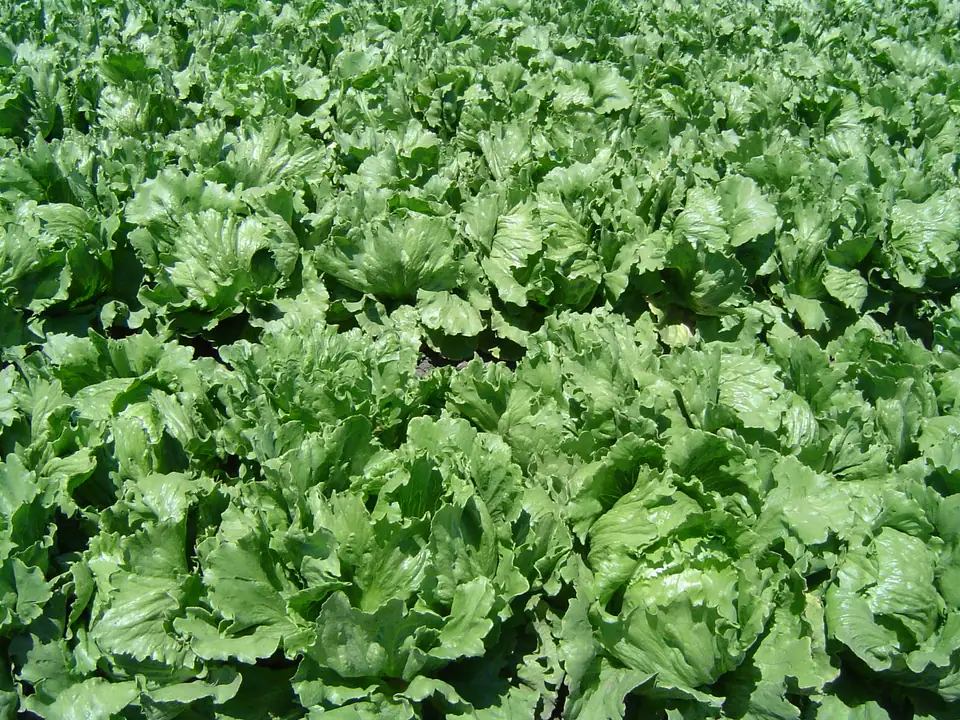
Lettuce is a fast-growing salad green that thrives in the garden or in a pot. Sow it while the weather is still cool, keep the soil evenly moist, and pick tender baby leaves 2 to 3 inches long. Take the outer leaves first and the center keeps growing, so you can enjoy fresh salads and sandwiches again and again.
- Sun
Full sun to part shade; in summer, 3–4 hours of sun and shade the rest of the day
What the sources say (2)
Light: Full sun to partial shade; in summer, 3 to 4 hours of sun daily with shade the rest of the day
Lettuce grows best in full sun to partial shade and organically rich, moist, well-drained soils.
— Lactuca sativa (Butterhead, Butterheads, Cos, Head Lettuce, Lactuca, Leaf Lettuce, Lettuce, Lettuces, Romaine, Romaines) | North Carolina Extension Gardener Plant Toolbox [1] If grown during summer, give the plant 3 to 4 hours of sun daily and shade the rest of the day.
— Lactuca sativa (Butterhead, Butterheads, Cos, Head Lettuce, Lactuca, Leaf Lettuce, Lettuce, Lettuces, Romaine, Romaines) | North Carolina Extension Gardener Plant Toolbox [1] - Water
Keep the soil evenly moist, wet 6 in deep; water in the morning
What the sources say (6)
Watering: Keep the soil consistently and uniformly moist; water sufficiently to moisten the soil to a depth of 6 inches [15 cm]
Lettuce has a shallow root system and requires consistently moist soil for proper growth and flavor.
— Lactuca sativa (Butterhead, Butterheads, Cos, Head Lettuce, Lactuca, Leaf Lettuce, Lettuce, Lettuces, Romaine, Romaines) | North Carolina Extension Gardener Plant Toolbox [1] Water the garden frequently to maintain a uniform moisture supply during growth.
— Lettuce | Home & Garden Information Center [8] Water the garden sufficiently to moisten the soil to a depth of 6 inches. Light sprinklings will encourage shallow rooting of the plants.
— Lettuce | Home & Garden Information Center [8] Watering notes: Water in the morning so the foliage is dry before dark; the most critical period for moisture is stand establishment; dry soil can trigger bolting and bitter leaves
The garden should be watered in the morning so that the foliage is dry before dark.
— Lettuce | Home & Garden Information Center [8] The most critical period for moisture is during stand establishment.
— Lettuce | Home & Garden Information Center [8] Both high temperatures (70 to 80 degrees F) and dry soil can trigger plants to bolt and flower, turning the leaves bitter and stopping leaf production.
— Lactuca sativa (Butterhead, Butterheads, Cos, Head Lettuce, Lactuca, Leaf Lettuce, Lettuce, Lettuces, Romaine, Romaines) | North Carolina Extension Gardener Plant Toolbox [1] - Cold
Survives winters down to −50 °F (−45.6 °C)
Very hardy · USDA 2a · RHS H7 · Z2
What the sources say (2)
Hardiness, coldest zone: 2a [winter low −45.6 to −42.8 °C (−50 to −45 °F)]
USDA Plant Hardiness Zone: 2a, 2b, 3a, 3b, 4a, 4b, 5a, 5b, 6a, 6b, 7a, 7b, 8a, 8b, 9a, 9b, 10a, 10b, 11a, 11b
— Lactuca sativa (Butterhead, Butterheads, Cos, Head Lettuce, Lactuca, Leaf Lettuce, Lettuce, Lettuces, Romaine, Romaines) | North Carolina Extension Gardener Plant Toolbox [1] Hardiness, warmest zone: 11b [winter low 7.2 to 10 °C (45 to 50 °F)]
USDA Plant Hardiness Zone: 2a, 2b, 3a, 3b, 4a, 4b, 5a, 5b, 6a, 6b, 7a, 7b, 8a, 8b, 9a, 9b, 10a, 10b, 11a, 11b
— Lactuca sativa (Butterhead, Butterheads, Cos, Head Lettuce, Lactuca, Leaf Lettuce, Lettuce, Lettuces, Romaine, Romaines) | North Carolina Extension Gardener Plant Toolbox [1] - Soil
Slightly acidic soil, pH 6.0–6.7
What the sources say (5)
Soil pH, minimum: 6.0
Optimal pH ranges from 6 to 6.7. Lettuce enjoys the cool weather of spring and fall.
— Lactuca sativa (Butterhead, Butterheads, Cos, Head Lettuce, Lactuca, Leaf Lettuce, Lettuce, Lettuces, Romaine, Romaines) | North Carolina Extension Gardener Plant Toolbox [1] Follow the results of a soil test to maintain a soil pH between 6.0 and 6.5 and optimal fertility levels.
— Lettuce | Home & Garden Information Center [8] Soil pH, maximum: 6.7
According to NC State Extension Plant Toolbox: Optimal pH ranges from 6 to 6.7.
— Lactuca sativa (Butterhead, Butterheads, Cos, Head Lettuce, Lactuca, Leaf Lettuce, Lettuce, Lettuces, Romaine, Romaines) | North Carolina Extension Gardener Plant Toolbox [1] According to Clemson HGIC: Follow the results of a soil test to maintain a soil pH between 6.0 and 6.5 and optimal fertility levels.
— Lettuce | Home & Garden Information Center [8] Optimal pH ranges from 6 to 6.7. Lettuce enjoys the cool weather of spring and fall.
— Lactuca sativa (Butterhead, Butterheads, Cos, Head Lettuce, Lactuca, Leaf Lettuce, Lettuce, Lettuces, Romaine, Romaines) | North Carolina Extension Gardener Plant Toolbox [1] - Spacing
Rows 1–2 ft apart for leaf lettuce, 3 ft for head lettuce
What the sources say (6)
Row spacing: Leaf lettuce 30-61 cm (1 to 2 ft); head lettuce 91 cm (3 ft)
leaf lettuce: Plant leaf lettuce in rows 1 to 2 feet apart with seed one-quarter inch deep and 6 to 10 inches apart in the row.
— Lettuce | Home & Garden Information Center [8] head lettuce: Head lettuce should be planted in rows 3 feet apart with 12 inches between plants in the row.
— Lettuce | Home & Garden Information Center [8] Plant leaf lettuce in rows 1 to 2 feet apart with seed one-quarter inch deep and 6 to 10 inches apart in the row.
— Lettuce | Home & Garden Information Center [8] Head lettuce should be planted in rows 3 feet apart with 12 inches between plants in the row.
— Lettuce | Home & Garden Information Center [8] Between rows: 30.5-61 cm [12–24 in] for leaf lettuce, 91.4 cm [36 in] for head lettuce.
Plant leaf lettuce in rows 1 to 2 feet apart with seed one-quarter inch deep and 6 to 10 inches apart in the row.
— Lettuce | Home & Garden Information Center [8] Head lettuce should be planted in rows 3 feet apart with 12 inches between plants in the row.
— Lettuce | Home & Garden Information Center [8] - Feeding
Feed before planting and once more later; calcium nitrate helps stop leaf edges from burning
What the sources say (3)
When: Before planting, then one side-dressing during the growing season
apply 5-10-10 at 3 pounds per 100 square feet before planting. Lettuce should be sidedressed once during the growing season.
— Lettuce | Home & Garden Information Center [8] Avoid: Ammoniacal forms of nitrogen, which contribute to tipburn; side-dress with calcium nitrate instead
using ammoniacal forms of nitrogen (use calcium nitrate, 15.5-0-0 instead to sidedress the crop), and rapid growth may all contribute to tipburn
— Lettuce | Home & Garden Information Center [8] Micronutrients: Calcium: tipburn is caused by calcium deficiency
Tipburn is a physiological disorder that can occasionally occur on lettuce and is caused by calcium deficiency.
— Lettuce | Home & Garden Information Center [8] - Harvest
Pick baby leaves 2–3 in long, outer leaves first, or cut the whole plant at the soil
What the sources say (6)
Harvest: Baby leaves 2 to 3 inches [5.1–7.6 cm] long for a continuous harvest, or the whole plant cut at or above the soil surface; when harvesting leaf by leaf, take the outer leaves first
Leaves can be harvested either by removing individual baby leaves (2 to 3 inches long) for a continuous harvest or by cutting the whole plant at or above the soil surface.
— Lactuca sativa (Butterhead, Butterheads, Cos, Head Lettuce, Lactuca, Leaf Lettuce, Lettuce, Lettuces, Romaine, Romaines) | North Carolina Extension Gardener Plant Toolbox [1] If removing leaf by leaf, take the outer leaves first to allow the central leaves to continue to grow.
— Lactuca sativa (Butterhead, Butterheads, Cos, Head Lettuce, Lactuca, Leaf Lettuce, Lettuce, Lettuces, Romaine, Romaines) | North Carolina Extension Gardener Plant Toolbox [1] How to harvest: Remove individual baby leaves 2 to 3 inches [5.1–7.6 cm] long for a continuous harvest, or cut the whole plant at or above the soil surface; taking leaf by leaf, take the outer leaves first so the central leaves keep growing. Bibb is mature when the leaves begin to cup inward to form a loose head; romaine when the leaves have elongated and overlap to form a partially tight head about 6 to 8 inches [15–20 cm] tall
Leaves can be harvested either by removing individual baby leaves (2 to 3 inches long) for a continuous harvest or by cutting the whole plant at or above the soil surface.
— Lactuca sativa (Butterhead, Butterheads, Cos, Head Lettuce, Lactuca, Leaf Lettuce, Lettuce, Lettuces, Romaine, Romaines) | North Carolina Extension Gardener Plant Toolbox [1] If removing leaf by leaf, take the outer leaves first to allow the central leaves to continue to grow.
— Lactuca sativa (Butterhead, Butterheads, Cos, Head Lettuce, Lactuca, Leaf Lettuce, Lettuce, Lettuces, Romaine, Romaines) | North Carolina Extension Gardener Plant Toolbox [1] Bibb lettuce is mature when leaves begin to cup inward to form a loose head.
— Lettuce | Home & Garden Information Center [8] Cos or Romaine is ready to use when the leaves have elongated and overlap to form a partially tight head about 6 to 8 inches tall.
— Lettuce | Home & Garden Information Center [8] - Pests
Aphids, caterpillars, slugs and snails; seedlings can rot and mildew hits older plants
What the sources say (5)
Pests: aphids, armyworms, imported cabbage worms, loopers (cabbage looper), corn earworm, leafhoppers, slugs, snails
Lettuce is attacked by aphids, armyworms, imported cabbage worms and loopers.
— Lactuca sativa (Butterhead, Butterheads, Cos, Head Lettuce, Lactuca, Leaf Lettuce, Lettuce, Lettuces, Romaine, Romaines) | North Carolina Extension Gardener Plant Toolbox [1] Insect problems that may be encountered with this crop include aphids, cabbage looper, corn earworm , and leafhoppers.
— Lettuce | Home & Garden Information Center [8] Slugs and snails may feed on the foliage.
— Lettuce | Home & Garden Information Center [8] Diseases: damping-off, mildews, sclerotinia (Sclerotinia drop), gray mold, Rhizoctonia bottom rot
Damping-off is a serious disease of young seedlings, whereas mildews and sclerotinia are serious on mature plants.
— Lactuca sativa (Butterhead, Butterheads, Cos, Head Lettuce, Lactuca, Leaf Lettuce, Lettuce, Lettuces, Romaine, Romaines) | North Carolina Extension Gardener Plant Toolbox [1] Diseases include gray mold, Rhizoctonia bottom rot , and Sclerotinia drop.
— Lettuce | Home & Garden Information Center [8] - Watch out
Heat of 70–80 °F (21–27 °C) and dry soil make it go to seed and taste bitter
What the sources say (7)
Heat: Does not tolerate hot weather: temperatures of 21.1-26.7 °C [70–80 °F] and dry soil trigger bolting and bitter leaves. Optimum growth at 12.8-18.3 °C [55–65 °F]. Leaf and butterhead types tolerate heat better than romaine, and romaine better than head lettuce; slow-bolting, heat-resistant varieties exist.
Both high temperatures (70 to 80 degrees F) and dry soil can trigger plants to bolt and flower, turning the leaves bitter and stopping leaf production.
— Lactuca sativa (Butterhead, Butterheads, Cos, Head Lettuce, Lactuca, Leaf Lettuce, Lettuce, Lettuces, Romaine, Romaines) | North Carolina Extension Gardener Plant Toolbox [1] Leaf and butterhead types tolerate heat better than romaine, which itself does better in heat than head lettuce.
— Lactuca sativa (Butterhead, Butterheads, Cos, Head Lettuce, Lactuca, Leaf Lettuce, Lettuce, Lettuces, Romaine, Romaines) | North Carolina Extension Gardener Plant Toolbox [1] Lettuce is a cool-season crop that prefers temperatures of 55 to 65 °F for optimum growth.
— Lettuce | Home & Garden Information Center [8] Slow-bolting or heat-resistant varieties are available and are recommended for extending the lettuce-growing season.
— Lettuce | Home & Garden Information Center [8] Lettuce does not tolerate hot weather. If this crop is exposed to high temperature or moisture stress, the lettuce will usually have a bitter flavor and will also bolt.
— Lettuce | Home & Garden Information Center [8] Drought: Dry soil triggers bolting and bitter leaves; drought and uneven soil moisture are the main causes of tipburn.
Both high temperatures (70 to 80 degrees F) and dry soil can trigger plants to bolt and flower, turning the leaves bitter and stopping leaf production.
— Lactuca sativa (Butterhead, Butterheads, Cos, Head Lettuce, Lactuca, Leaf Lettuce, Lettuce, Lettuces, Romaine, Romaines) | North Carolina Extension Gardener Plant Toolbox [1] and rapid growth may all contribute to tipburn, but drought and not keeping the soil evenly moist are the most significant causes of this nutrient disorder.
— Lettuce | Home & Garden Information Center [8] - Size
6–12 in tall and wide
What the sources say (2)
Mature height: 15-30 cm (6 to 12 in)
Lettuce rapidly grows to 6 to 12 inches tall and wide.
— Lactuca sativa (Butterhead, Butterheads, Cos, Head Lettuce, Lactuca, Leaf Lettuce, Lettuce, Lettuces, Romaine, Romaines) | North Carolina Extension Gardener Plant Toolbox [1] Mature width: 15-30 cm (6 to 12 in)
Lettuce rapidly grows to 6 to 12 inches tall and wide.
— Lactuca sativa (Butterhead, Butterheads, Cos, Head Lettuce, Lactuca, Leaf Lettuce, Lettuce, Lettuces, Romaine, Romaines) | North Carolina Extension Gardener Plant Toolbox [1] - Propagation
Grows from seed
What the sources say (1)
Propagation: Seed
Recommended Propagation Strategy: Seed Country Or Region Of Origin: Mediterranean to Siberia
— Lactuca sativa (Butterhead, Butterheads, Cos, Head Lettuce, Lactuca, Leaf Lettuce, Lettuce, Lettuces, Romaine, Romaines) | North Carolina Extension Gardener Plant Toolbox [1] - Sowing
Sow 1/4–3/8 in deep, 2 weeks before the last frost; for fall, 3 months before the first frost
What the sources say (6)
Sowing: Spring crop: started indoors six to eight weeks before the last frost for transplanting, or directly seeded two weeks before the last frost; fall crop: three months before the first frost
spring crop: For a spring crop, seeds can either be started indoors six to eight weeks before the last frost for later transplanting or directly seeded two weeks before the last frost.
— Lactuca sativa (Butterhead, Butterheads, Cos, Head Lettuce, Lactuca, Leaf Lettuce, Lettuce, Lettuces, Romaine, Romaines) | North Carolina Extension Gardener Plant Toolbox [1] fall crop: For a fall crop, sow seeds three months before the first frost.
— Lactuca sativa (Butterhead, Butterheads, Cos, Head Lettuce, Lactuca, Leaf Lettuce, Lettuce, Lettuces, Romaine, Romaines) | North Carolina Extension Gardener Plant Toolbox [1] For a spring crop, seeds can either be started indoors six to eight weeks before the last frost for later transplanting or directly seeded two weeks before the last frost.
— Lactuca sativa (Butterhead, Butterheads, Cos, Head Lettuce, Lactuca, Leaf Lettuce, Lettuce, Lettuces, Romaine, Romaines) | North Carolina Extension Gardener Plant Toolbox [1] directly seeded two weeks before the last frost. For a fall crop, sow seeds three months before the first frost.
— Lactuca sativa (Butterhead, Butterheads, Cos, Head Lettuce, Lactuca, Leaf Lettuce, Lettuce, Lettuces, Romaine, Romaines) | North Carolina Extension Gardener Plant Toolbox [1] Sowing depth: 0.6-1 cm (1/4 to 3/8 in)
Plant seeds to a depth of 1⁄4 to 3⁄8 inch.
— Lactuca sativa (Butterhead, Butterheads, Cos, Head Lettuce, Lactuca, Leaf Lettuce, Lettuce, Lettuces, Romaine, Romaines) | North Carolina Extension Gardener Plant Toolbox [1] Plant leaf lettuce in rows 1 to 2 feet apart with seed one-quarter inch deep and 6 to 10 inches apart in the row.
— Lettuce | Home & Garden Information Center [8] - Containers
Grows in containers too
What the sources say (1)
In containers: Yes
Lettuce can also be grown in containers that are a minimum of 2 quarts volume and 6 to 8 inches deep.
— Lactuca sativa (Butterhead, Butterheads, Cos, Head Lettuce, Lactuca, Leaf Lettuce, Lettuce, Lettuces, Romaine, Romaines) | North Carolina Extension Gardener Plant Toolbox [1] - Safety
The sap can irritate the skin
Overview
Lettuce is an erect, edible, annual, cool season vegetable grown from seed in several types: head, romaine, leaf and butterhead. [1] It grows best in full sun to partial shade with consistently moist, well-drained soil, and can be grown in containers. [1] High temperatures and dry soil trigger bolting, which turns the leaves bitter. [1]
Garden lettuce care
Measurements in square brackets are our conversion into the other unit system; the quoted text is unchanged.
How to water Garden lettuce
Watering
Keep the soil consistently and uniformly moist; water sufficiently to moisten the soil to a depth of 6 inches [15 cm]
What the sources say (3)
Lettuce has a shallow root system and requires consistently moist soil for proper growth and flavor.Water the garden frequently to maintain a uniform moisture supply during growth.Water the garden sufficiently to moisten the soil to a depth of 6 inches. Light sprinklings will encourage shallow rooting of the plants.Watering notes
Water in the morning so the foliage is dry before dark; the most critical period for moisture is stand establishment; dry soil can trigger bolting and bitter leaves
What the sources say (3)
The garden should be watered in the morning so that the foliage is dry before dark.The most critical period for moisture is during stand establishment.Both high temperatures (70 to 80 degrees F) and dry soil can trigger plants to bolt and flower, turning the leaves bitter and stopping leaf production.How much light Garden lettuce needs
Full sun to partial shade; in summer, 3 to 4 hours of sun daily with shade the rest of the day
What the sources say (2)
Lettuce grows best in full sun to partial shade and organically rich, moist, well-drained soils.If grown during summer, give the plant 3 to 4 hours of sun daily and shade the rest of the day.How much cold Garden lettuce can take
Hardiness, coldest zone
2a [winter low −45.6 to −42.8 °C (−50 to −45 °F)]
What the sources say (1)
USDA Plant Hardiness Zone:
2a, 2b, 3a, 3b, 4a, 4b, 5a, 5b, 6a, 6b, 7a, 7b, 8a, 8b, 9a, 9b, 10a, 10b, 11a, 11bHardiness, warmest zone
11b [winter low 7.2 to 10 °C (45 to 50 °F)]
What the sources say (1)
USDA Plant Hardiness Zone:
2a, 2b, 3a, 3b, 4a, 4b, 5a, 5b, 6a, 6b, 7a, 7b, 8a, 8b, 9a, 9b, 10a, 10b, 11a, 11bBest soil for Garden lettuce
Soil pH, minimum
6.0
What the sources say (2)
Optimal pH ranges from 6 to 6.7. Lettuce enjoys the cool weather of spring and fall.Follow the results of a soil test to maintain a soil pH between 6.0 and 6.5 and optimal fertility levels.Soil pH, maximum
6.7
What each source says
According to NC State Extension Plant Toolbox: 6.7
According to Clemson HGIC: 6.5
What the sources say (3)
According to NC State Extension Plant Toolbox: Optimal pH ranges from 6 to 6.7.According to Clemson HGIC: Follow the results of a soil test to maintain a soil pH between 6.0 and 6.5 and optimal fertility levels.Optimal pH ranges from 6 to 6.7. Lettuce enjoys the cool weather of spring and fall.Where to grow Garden lettuce
In containers
Yes
What the sources say (1)
Lettuce can also be grown in containers that are a minimum of 2 quarts volume and 6 to 8 inches deep.Spacing
The sources give different values depending on region, zone or growing conditions.
What each source says
head lettuce (fonte: NC State Extension Plant Toolbox): 25.4 cm (10 in) between plants
leaf lettuce (fonte: NC State Extension Plant Toolbox): 10.2-15.2 cm (4 to 6 in) between plants
leaf lettuce (fonte: Clemson HGIC): 15.2-25.4 cm (6 to 10 in) apart in the row, rows 30.5-61.0 cm (1 to 2 ft) apart
head lettuce (fonte: Clemson HGIC): 30.5 cm (12 in) between plants in the row, rows 91.4 cm (3 ft) apart
What the sources say (4)
head lettuce (fonte: NC State Extension Plant Toolbox): Different lettuce types need different spacing; head lettuce generally needs 10 inches between plants and leaf lettuce 4 to 6 inches.leaf lettuce (fonte: NC State Extension Plant Toolbox): Different lettuce types need different spacing; head lettuce generally needs 10 inches between plants and leaf lettuce 4 to 6 inches.leaf lettuce (fonte: Clemson HGIC): Plant leaf lettuce in rows 1 to 2 feet apart with seed one-quarter inch deep and 6 to 10 inches apart in the row.head lettuce (fonte: Clemson HGIC): Head lettuce should be planted in rows 3 feet apart with 12 inches between plants in the row.How to propagate Garden lettuce
Seed
What the sources say (1)
Recommended Propagation Strategy:
Seed
Country Or Region Of Origin:
Mediterranean to SiberiaHow to grow Garden lettuce
The plant
Life cycle
annual
What the sources say (1)
Lettuce is an erect, edible, annual, cool season vegetable plant in the daisy family (Asteraceae).Family
Asteraceae
What the sources say (1)
Lettuce is an erect, edible, annual, cool season vegetable plant in the daisy family (Asteraceae).Mature height
15-30 cm (6 to 12 in)
What the sources say (1)
Lettuce rapidly grows to 6 to 12 inches tall and wide.Mature width
15-30 cm (6 to 12 in)
What the sources say (1)
Lettuce rapidly grows to 6 to 12 inches tall and wide.Sowing and growth
Sowing depth
0.6-1 cm (1/4 to 3/8 in)
What the sources say (2)
Plant seeds to a depth of 1⁄4 to 3⁄8 inch.Plant leaf lettuce in rows 1 to 2 feet apart with seed one-quarter inch deep and 6 to 10 inches apart in the row.Row spacing
Leaf lettuce 30-61 cm (1 to 2 ft); head lettuce 91 cm (3 ft)
What each source says
leaf lettuce: 30-61 cm (1 to 2 ft)
head lettuce: 91 cm (3 ft)
What the sources say (4)
leaf lettuce: Plant leaf lettuce in rows 1 to 2 feet apart with seed one-quarter inch deep and 6 to 10 inches apart in the row.head lettuce: Head lettuce should be planted in rows 3 feet apart with 12 inches between plants in the row.Plant leaf lettuce in rows 1 to 2 feet apart with seed one-quarter inch deep and 6 to 10 inches apart in the row.Head lettuce should be planted in rows 3 feet apart with 12 inches between plants in the row.Days to maturity
The sources disagree:
Head lettuce is ready to harvest 70 to 80 days after seeding or 60 to 70 days after transplanting while leaf lettuce is ready 50 to 60 days after seeding and 30 to 45 days after transplanting.
[1]Leaf lettuce should be ready to harvest about 75 days after planting.
[8]Head lettuce can be harvested as early as 55 days, depending on the variety.
[8]
Harvest and storage
How to harvest
Remove individual baby leaves 2 to 3 inches [5.1–7.6 cm] long for a continuous harvest, or cut the whole plant at or above the soil surface; taking leaf by leaf, take the outer leaves first so the central leaves keep growing. Bibb is mature when the leaves begin to cup inward to form a loose head; romaine when the leaves have elongated and overlap to form a partially tight head about 6 to 8 inches [15–20 cm] tall
What the sources say (4)
Leaves can be harvested either by removing individual baby leaves (2 to 3 inches long) for a continuous harvest or by cutting the whole plant at or above the soil surface.If removing leaf by leaf, take the outer leaves first to allow the central leaves to continue to grow.Bibb lettuce is mature when leaves begin to cup inward to form a loose head.Cos or Romaine is ready to use when the leaves have elongated and overlap to form a partially tight head about 6 to 8 inches tall.Storage
The sources disagree:
What each source says
where to keep it (Clemson HGIC): Store in the refrigerator in the coolest area
What the sources say (1)
where to keep it (Clemson HGIC): Store in the refrigerator in the coolest area. Crisphead lettuce can be stored for two weeks under optimal conditions.Pests and diseases
Pests
aphids, armyworms, imported cabbage worms, loopers (cabbage looper), corn earworm, leafhoppers, slugs, snails
What the sources say (3)
Lettuce is attacked by aphids, armyworms, imported cabbage worms and loopers.Insect problems that may be encountered with this crop include aphids, cabbage looper, corn earworm , and leafhoppers.Slugs and snails may feed on the foliage.Diseases
damping-off, mildews, sclerotinia (Sclerotinia drop), gray mold, Rhizoctonia bottom rot
What the sources say (2)
Damping-off is a serious disease of young seedlings, whereas mildews and sclerotinia are serious on mature plants.Diseases include gray mold, Rhizoctonia bottom rot , and Sclerotinia drop.Fertilizing
When
Before planting, then one side-dressing during the growing season
What the sources say (1)
apply 5-10-10 at 3 pounds per 100 square feet before planting. Lettuce should be sidedressed once during the growing season.How often
Once during the growing season; more often on sandy soil or after heavy rains
What the sources say (2)
apply 5-10-10 at 3 pounds per 100 square feet before planting. Lettuce should be sidedressed once during the growing season.Sidedress with calcium nitrate (15-0-0) at 2 pounds per 100 feet of row. More frequent sidedressing may be required if the garden is sandy or if excessive rains occur.Mineral fertilizers
Without a soil test: 5-10-10 at 146.4 g/m² before planting; side-dress with calcium nitrate (15-0-0) at 29.8 g per m of row
Micronutrients
Calcium: tipburn is caused by calcium deficiency
What the sources say (1)
Tipburn is a physiological disorder that can occasionally occur on lettuce and is caused by calcium deficiency.Avoid
Ammoniacal forms of nitrogen, which contribute to tipburn; side-dress with calcium nitrate instead
What the sources say (1)
using ammoniacal forms of nitrogen (use calcium nitrate, 15.5-0-0 instead to sidedress the crop), and rapid growth may all contribute to tipburnSigns of deficiency
Tipburn (calcium deficiency)
What the sources say (1)
Tipburn is a physiological disorder that can occasionally occur on lettuce and is caused by calcium deficiency.Spacing
Between plants
The sources give different values depending on region, zone or growing conditions.
What each source says
head lettuce (North Carolina): 25.4 cm [10 in]
leaf lettuce (North Carolina): 10.2-15.2 cm [4–6 in]
leaf lettuce (South Carolina): 15.2-25.4 cm [6–10 in] in the row
head lettuce (South Carolina): 30.5 cm [12 in] in the row
What the sources say (4)
head lettuce (North Carolina): Different lettuce types need different spacing; head lettuce generally needs 10 inches between plants and leaf lettuce 4 to 6 inches.leaf lettuce (North Carolina): Different lettuce types need different spacing; head lettuce generally needs 10 inches between plants and leaf lettuce 4 to 6 inches.leaf lettuce (South Carolina): Plant leaf lettuce in rows 1 to 2 feet apart with seed one-quarter inch deep and 6 to 10 inches apart in the row.head lettuce (South Carolina): Head lettuce should be planted in rows 3 feet apart with 12 inches between plants in the row.Between rows
30.5-61 cm [12–24 in] for leaf lettuce, 91.4 cm [36 in] for head lettuce.
What the sources say (2)
Plant leaf lettuce in rows 1 to 2 feet apart with seed one-quarter inch deep and 6 to 10 inches apart in the row.Head lettuce should be planted in rows 3 feet apart with 12 inches between plants in the row.Roots
Root system
Shallow root system; needs consistently moist soil.
What the sources say (1)
Lettuce has a shallow root system and requires consistently moist soil for proper growth and flavor.Propagation
Germination
Optimum soil temperature 15.6-26.7 °C [60–80 °F]; untreated seed does not germinate above 35 °C [95 °F]. Primed seed germinates faster and at varying temperatures.
What the sources say (2)
The optimum soil temperature for seed germination is 60 to 80 °F. Raw lettuce seed will not germinate at a soil temperature above 95 °F.Priming is a water-based process performed on seed that increases germination rate, decreases germination time, and will aid in establishing a better crop stand.After harvest
Storage
The sources give different values depending on region, zone or growing conditions.
What each source says
head lettuce, home: 2-3 weeks
leaf and butterhead lettuce, home: 1-2 weeks
crisphead lettuce, home refrigerator: Two weeks in the coolest area of the refrigerator
leaf and Bibb lettuce, home refrigerator: Up to four weeks if the leaves are dry when bagged
What the sources say (4)
head lettuce, home: Head lettuce can be stored for 2-3 weeks while leaf and butterhead store for 1-2 weeks.leaf and butterhead lettuce, home: Head lettuce can be stored for 2-3 weeks while leaf and butterhead store for 1-2 weeks.crisphead lettuce, home refrigerator: Store in the refrigerator in the coolest area. Crisphead lettuce can be stored for two weeks under optimal conditions.leaf and Bibb lettuce, home refrigerator: Crisphead lettuce can be stored for two weeks under optimal conditions. Leaf and Bibb will store as long as four weeks if the leaves are dry when bagged.Heat and drought
Heat
Does not tolerate hot weather: temperatures of 21.1-26.7 °C [70–80 °F] and dry soil trigger bolting and bitter leaves. Optimum growth at 12.8-18.3 °C [55–65 °F]. Leaf and butterhead types tolerate heat better than romaine, and romaine better than head lettuce; slow-bolting, heat-resistant varieties exist.
What the sources say (5)
Both high temperatures (70 to 80 degrees F) and dry soil can trigger plants to bolt and flower, turning the leaves bitter and stopping leaf production.Leaf and butterhead types tolerate heat better than romaine, which itself does better in heat than head lettuce.Lettuce is a cool-season crop that prefers temperatures of 55 to 65 °F for optimum growth.Slow-bolting or heat-resistant varieties are available and are recommended for extending the lettuce-growing season.Lettuce does not tolerate hot weather. If this crop is exposed to high temperature or moisture stress, the lettuce will usually have a bitter flavor and will also bolt.Drought
Dry soil triggers bolting and bitter leaves; drought and uneven soil moisture are the main causes of tipburn.
What the sources say (2)
Both high temperatures (70 to 80 degrees F) and dry soil can trigger plants to bolt and flower, turning the leaves bitter and stopping leaf production.and rapid growth may all contribute to tipburn, but drought and not keeping the soil evenly moist are the most significant causes of this nutrient disorder.Garden lettuce pests and problems
Aphids, armyworms, imported cabbage worms and loopers
Symptom: Insect pests; pressure is much greater on summer and fall crops than on spring crops
What the sources say (1)
Lettuce is attacked by aphids, armyworms, imported cabbage worms and loopers. The pest pressure on summer and fall crops is much greater than on spring crops.
— Lactuca sativa (Butterhead, Butterheads, Cos, Head Lettuce, Lactuca, Leaf Lettuce, Lettuce, Lettuces, Romaine, Romaines) | North Carolina Extension Gardener Plant Toolbox [1] Damping-off, mildews and sclerotinia
Symptom: Damping-off is a serious disease of young seedlings, mildews and sclerotinia are serious on mature plants
What the sources say (1)
Damping-off is a serious disease of young seedlings, whereas mildews and sclerotinia are serious on mature plants.
— Lactuca sativa (Butterhead, Butterheads, Cos, Head Lettuce, Lactuca, Leaf Lettuce, Lettuce, Lettuces, Romaine, Romaines) | North Carolina Extension Gardener Plant Toolbox [1] Tipburn
Symptom: Physiological disorder caused by calcium deficiency
What to do: Proper soil pH and watering; keep the soil evenly moist
Slugs and snails
Symptom: Feed on the foliage
What to do: Use an iron phosphate slug and snail bait
What the sources say (1)
Slugs and snails may feed on the foliage. If they become a problem, use an iron phosphate slug and snail bait.
— Lettuce | Home & Garden Information Center [8] Bolting
Symptom: Seed stalk formation and bitter flavor in high summer temperatures
What to do: Slow-bolting or heat-resistant varieties
What the sources say (1)
High summer temperatures usually cause seed stalk formation (bolting) and bitter flavor.
— Lettuce | Home & Garden Information Center [8]
Remedies
Each remedy shows what official sources say about it; traditional remedies without an official source are marked as such. Harmful ones are listed so you know to avoid them.
Treating the plant
aphids
horticultural soap spray Works
How: Horticultural soap or neem oil may also be used to control the aphid population.
Horticultural soap or neem oil may also be used to control the aphid population.
— gardeningknowhow.com [9] What the evidence says insecticidal soap is a safe, effective organic insecticide with minimal environmental impact.
— extension.psu.edu [10] homemade dish soap spray Not verified
Traditional remedy, not verified by an official source.
spraying home remedies that contain dish detergent on plants on a sunny day can injure the plant, essentially burning it.
— extension.psu.edu [11] Home remedies often lack specific mix or use rates or identify how often to use them. Not using enough may not control the pest, while using too much may be harmful to the environment.
— extension.psu.edu [11] How: Mix 1 tablespoon of mild liquid soap with 1 gallon of water; spray on the affected parts of the plants, covering both sides of the leaves; repeat every few days until the aphids are gone.
blast of water Not verified
Traditional remedy, not verified by an official source.
How: Remove aphids by hand or with a blast of water.
homemade garlic spray Not verified
Traditional remedy, not verified by an official source.
Home remedies often lack specific mix or use rates or identify how often to use them. Not using enough may not control the pest, while using too much may be harmful to the environment.
— extension.psu.edu [11] How: Blend 2 cloves of garlic with 1 quart of water, strain the mixture and spray it on the affected parts of the plants; repeat every few days until the aphids are gone.
chives or garlic planted between the lettuce Not verified
Traditional remedy, not verified by an official source.
How: Consider planting rows of chives or garlic between your lettuce to control aphids.
slugs
beer trap Not verified
Traditional remedy, not verified by an official source.
How: Fill a shallow container with beer and bury it in the soil near the lettuce, leaving the rim slightly above the ground; slugs and snails are attracted to the beer and drown in it.
hand-picking into soapy or salt water Not verified
Traditional remedy, not verified by an official source.
Salt is soluble and thus highly mobile in your soil allowing it to spread to areas planted with desirable vegetables and ornamentals, damaging them along with your weeds.
— extension.illinois.edu [12] How: Handpick them from the lettuce plants and dispose of them in a bucket of soapy water or salt water.
crushed eggshell barrier Not verified
Traditional remedy, not verified by an official source.
How: Use barriers around the lettuce plants, such as crushed eggshells, diatomaceous earth, copper tape, or sand, to deter slugs and snails from crossing them.
powdery-mildew
baking soda spray Not verified
Traditional remedy, not verified by an official source.
Home remedies often lack specific mix or use rates or identify how often to use them. Not using enough may not control the pest, while using too much may be harmful to the environment.
— extension.psu.edu [11] How: Spray plants with 1 teaspoon baking soda dissolved in 1 quart water.
downy-mildew
milk spray Not verified
Traditional remedy, not verified by an official source.
Home remedies often lack specific mix or use rates or identify how often to use them. Not using enough may not control the pest, while using too much may be harmful to the environment.
— extension.psu.edu [11] How: Mix 1 part of milk with 9 parts of water; spray on the affected parts of the plants, covering both sides of the leaves; repeat every few days until the downy mildew is gone.
bacterial-rot
hydrogen peroxide spray Not verified
Traditional remedy, not verified by an official source.
Home remedies often lack specific mix or use rates or identify how often to use them. Not using enough may not control the pest, while using too much may be harmful to the environment.
— extension.psu.edu [11] How: Mix 1 part of 3% hydrogen peroxide with 4 parts of water; spray on the affected parts of the plants, covering both sides of the leaves; repeat every few days until the bacterial rot is gone.
caterpillars
homemade hot pepper spray Not verified
Traditional remedy, not verified by an official source.
The pepper spray can be very potent if it gets on your skin or in your eyes.
— extension.psu.edu [11] Home remedies often lack specific mix or use rates or identify how often to use them. Not using enough may not control the pest, while using too much may be harmful to the environment.
— extension.psu.edu [11] How: Blend 1/4 cup of hot peppers with 2 cups of water, strain the mixture and spray it on the affected parts of the plants; repeat every few days until the caterpillars are gone.
hand-picking Not verified
Traditional remedy, not verified by an official source.
How: Monitor the lettuce plants regularly and remove any caterpillars by hand or with a pair of tweezers.
cutworms
cardboard or newspaper collar Not verified
Traditional remedy, not verified by an official source.
How: Wrap a 4-inch-wide collar made from cardboard or newspaper around each stem, sinking 2 inches into soil.
Is Garden lettuce poisonous?
Reported by the source, quoted verbatim. This is not medical or veterinary advice: if a person or an animal may have eaten this plant, contact a poison control centre or a veterinarian.
Poison Symptoms: Skin irrigation after exposure to sap Poison Toxic Principle: Lactucin and lactucopicrin
[1]
Calendar
Sowing
Spring crop: started indoors six to eight weeks before the last frost for transplanting, or directly seeded two weeks before the last frost; fall crop: three months before the first frost
What each source says
spring crop: Started indoors six to eight weeks before the last frost for transplanting, or directly seeded two weeks before the last frost
fall crop: Three months before the first frost
What the sources say (4)
spring crop: For a spring crop, seeds can either be started indoors six to eight weeks before the last frost for later transplanting or directly seeded two weeks before the last frost.fall crop: For a fall crop, sow seeds three months before the first frost.For a spring crop, seeds can either be started indoors six to eight weeks before the last frost for later transplanting or directly seeded two weeks before the last frost.directly seeded two weeks before the last frost. For a fall crop, sow seeds three months before the first frost.Planting
The sources give different values depending on region, zone or growing conditions.
What each source says
South Carolina Piedmont, spring: Mar 1 - May 15
South Carolina Piedmont, fall: Not recommended
South Carolina Coastal, spring: Feb 1 - Apr 15
South Carolina Coastal, fall: Sept 5 - Nov 1
What the sources say (4)
South Carolina Piedmont, spring: | Piedmont | Mar 1 – May 15 | Not recommendedSouth Carolina Piedmont, fall: | Piedmont | Mar 1 – May 15 | Not recommendedSouth Carolina Coastal, spring: | Coastal | Feb 1 – Apr 15 | Sept 5 – Nov 1South Carolina Coastal, fall: | Coastal | Feb 1 – Apr 15 | Sept 5 – Nov 1Harvest
Baby leaves 2 to 3 inches [5.1–7.6 cm] long for a continuous harvest, or the whole plant cut at or above the soil surface; when harvesting leaf by leaf, take the outer leaves first
What the sources say (2)
Leaves can be harvested either by removing individual baby leaves (2 to 3 inches long) for a continuous harvest or by cutting the whole plant at or above the soil surface.If removing leaf by leaf, take the outer leaves first to allow the central leaves to continue to grow.Months as given by the sources, which are mostly from the United States (northern hemisphere). In the southern hemisphere they shift by about six months.
Relative to frost
Less precise estimate: there is no weather station within 300 km.
Find frost dates by ZIP code or city
Sow indoors: 6 to 8 weeks before the last frost
seeds can either be started indoors six to eight weeks before the last frost for later transplanting or directly seeded two weeks before the last frost.
— Lactuca sativa (Butterhead, Butterheads, Cos, Head Lettuce, Lactuca, Leaf Lettuce, Lettuce, Lettuces, Romaine, Romaines) | North Carolina Extension Gardener Plant Toolbox [1] Sow outdoors: 2 weeks before the last frost
seeds can either be started indoors six to eight weeks before the last frost for later transplanting or directly seeded two weeks before the last frost.
— Lactuca sativa (Butterhead, Butterheads, Cos, Head Lettuce, Lactuca, Leaf Lettuce, Lettuce, Lettuces, Romaine, Romaines) | North Carolina Extension Gardener Plant Toolbox [1]
Count from the average frost dates where you live.
Edibility
Reported by the source, quoted verbatim. Do not eat a plant on the basis of this page alone: identification mistakes can be dangerous.
Indicative values
Values from a secondary source, not checked word for word like the rest of this page. Use them as a starting point.
- Soil
- Rocky, gravelly, dryIndicative value, adapt it to your climate · Secondary source
- Growth rate
- HighIndicative value, adapt it to your climate · Secondary source
Similar plants
- Florida Blue Lettuce Lactuca floridana
- Prickly lettuce Lactuca serriola
- Tall Blue Lettuce Lactuca biennis
- Blue lettuce Lactuca perennis
- African Marigold Tagetes erecta
- Aspen Fleabane Erigeron speciosus
- Blue Chalksticks Curio repens
- Boneset Eupatorium perfoliatum
Sources
Every value above is quoted from these documents. Links lead to the original publisher.
- Lactuca sativa (Butterhead, Butterheads, Cos, Head Lettuce, Lactuca, Leaf Lettuce, Lettuce, Lettuces, Romaine, Romaines) | North Carolina Extension Gardener Plant Toolbox · plants.ces.ncsu.edu, consulted
- Lactuca (Lettuce, Wild Lettuce) | North Carolina Extension Gardener Plant Toolbox · plants.ces.ncsu.edu, consulted
- Lettuce - Lactuca sativa | North Carolina Extension Gardener Plant Toolbox · plants.ces.ncsu.edu, consulted
- Leaf Lettuce - Lactuca sativa | North Carolina Extension Gardener Plant Toolbox · plants.ces.ncsu.edu, consulted
- Lettuces - Lactuca sativa | North Carolina Extension Gardener Plant Toolbox · plants.ces.ncsu.edu, consulted
- Lettuce - Lactuca | North Carolina Extension Gardener Plant Toolbox · plants.ces.ncsu.edu, consulted
- Wild Lettuce - Lactuca | North Carolina Extension Gardener Plant Toolbox · plants.ces.ncsu.edu, consulted
- Lettuce | Home & Garden Information Center · hgic.clemson.edu, consulted
- gardeningknowhow.com · gardeningknowhow.com
- extension.psu.edu · extension.psu.edu
- extension.psu.edu · extension.psu.edu
- extension.illinois.edu · extension.illinois.edu
Written by Emilio Marruso · last checked