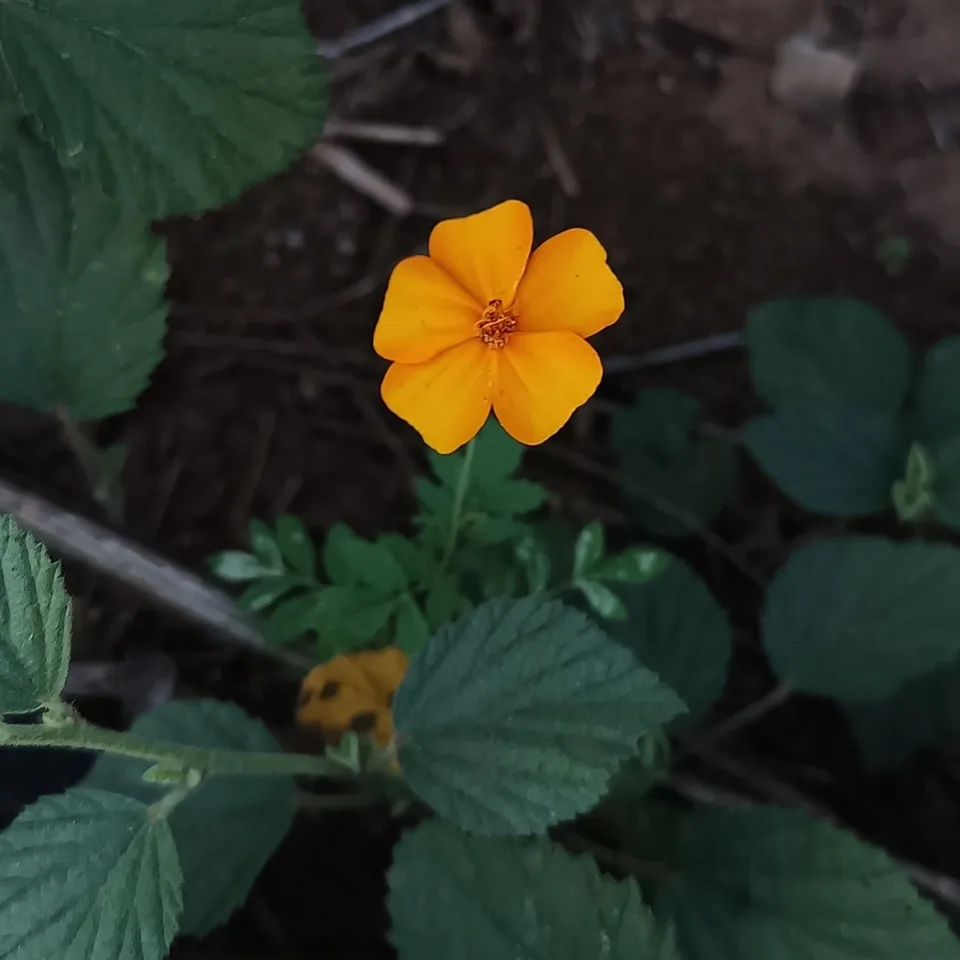
How to Grow and Care for African Marigold
Tagetes erecta
Written by Emilio Marruso · last checked
Toxic to: People · Why
At a glance
African marigolds are an easy, cheerful start: the seeds sprout in just 4–7 days, and the plants grow 1 to 4 feet tall in full sun. Cut the flowers as they begin to open and they last a week or more in a vase, or dry them. Their roots even release a substance that kills certain nematodes in the soil.
- Sun
Full sun; a little afternoon shade is welcome, but not full shade
What the sources say (1)
Light: Full sun, with light afternoon shade appreciated; dislikes full shade
African marigold does well in full sun, which encourages blooms, but appreciates light afternoon shade; it dislikes full shade.
— Tagetes erecta (African Marigold, American Marigold, Aztec Marigold, Big Marigold, Mexican Marigold) | North Carolina Extension Gardener Plant Toolbox [1] - Cold
Survives winters down to −50 °F (−45.6 °C)
Very hardy · USDA 2a · RHS H7 · Z2
What the sources say (2)
Hardiness, coldest zone: 2a [winter low −45.6 to −42.8 °C (−50 to −45 °F)]
2a, 2b, 3a, 3b, 4a, 4b, 5a, 5b, 6a, 6b, 7a, 7b, 8a, 8b, 9a, 9b, 10a, 10b, 11a, 11b
— Tagetes erecta (African Marigold, American Marigold, Aztec Marigold, Big Marigold, Mexican Marigold) | North Carolina Extension Gardener Plant Toolbox [1] Hardiness, warmest zone: 11b [winter low 7.2 to 10 °C (45 to 50 °F)]
2a, 2b, 3a, 3b, 4a, 4b, 5a, 5b, 6a, 6b, 7a, 7b, 8a, 8b, 9a, 9b, 10a, 10b, 11a, 11b
— Tagetes erecta (African Marigold, American Marigold, Aztec Marigold, Big Marigold, Mexican Marigold) | North Carolina Extension Gardener Plant Toolbox [1] - Spacing
12–18 in between plants and between rows
What the sources say (5)
Spacing: 30.5-45.7 cm (12-18 in) within and between rows, in cut-flower production; 30.5-40.6 cm (12-16 in) for African marigold in home gardens
Mississippi (cut-flower production): Space 12–18 inches within and between rows. Marigolds
— Marigolds (Tagetes erecta) for the Farmer Florist | Mississippi State University Extension Service [2] South Carolina: African Marigold Spacing – 12 to 16 inches apart.
— How to Grow and Care for Marigolds in South Carolina | Home & Garden Information Center [5] Marigolds prefer average soil with moderate fertility—avoid over-fertilizing. Space 12–18 inches within and between rows.
— Marigolds (Tagetes erecta) for the Farmer Florist | Mississippi State University Extension Service [2] African Marigold Spacing – 12 to 16 inches apart.
— How to Grow and Care for Marigolds in South Carolina | Home & Garden Information Center [5] Row spacing: 30-46 cm (12-18 in), within and between rows
Marigolds prefer average soil with moderate fertility—avoid over-fertilizing. Space 12–18 inches within and between rows.
— Marigolds (Tagetes erecta) for the Farmer Florist | Mississippi State University Extension Service [2] - Planting
Plant out after the last frost
What the sources say (2)
Planting: After the last frost date
Set plants out after the last frost date.
— Tagetes erecta (African Marigold, American Marigold, Aztec Marigold, Big Marigold, Mexican Marigold) | North Carolina Extension Gardener Plant Toolbox [1] Harden off and set outside after frost danger has passed.
— Marigolds (Tagetes erecta) for the Farmer Florist | Mississippi State University Extension Service [2] - Feeding
Slow-release fertilizer at planting; don't overfeed, it likes moderate fertility
What the sources say (6)
When: At planting
seedlings in cell packs: Transplant to cell packs at the true-leaf stage, and fertilize weekly with 100–150 ppm 14-0-14.
— Marigolds (Tagetes erecta) for the Farmer Florist | Mississippi State University Extension Service [2] In the absence of soil test results, a slow-release fertilizer formulated for annuals can be incorporated at the time of planting.
— How to Grow and Care for Marigolds in South Carolina | Home & Garden Information Center [5] Mineral fertilizers: Slow-release fertilizer for annuals, worked in at planting when no soil test is available
seedlings in cell packs: Transplant to cell packs at the true-leaf stage, and fertilize weekly with 100–150 ppm 14-0-14.
— Marigolds (Tagetes erecta) for the Farmer Florist | Mississippi State University Extension Service [2] In the absence of soil test results, a slow-release fertilizer formulated for annuals can be incorporated at the time of planting.
— How to Grow and Care for Marigolds in South Carolina | Home & Garden Information Center [5] Avoid: Over-fertilizing; marigolds are low feeders and prefer moderate fertility
Harden off and set outside after frost danger has passed. Marigolds prefer average soil with moderate fertility—avoid over-fertilizing.
— Marigolds (Tagetes erecta) for the Farmer Florist | Mississippi State University Extension Service [2] Water : Moderate; ensure even moisture in soil but avoid waterlogging Fertilization : Low feeders; does not require heavy fertilization
— Marigolds – Wisconsin Horticulture [6] - Pruning
Pinch back young stems for a bushier plant
What the sources say (1)
Pruning: Young plants (pinch back stems to promote bushy growth)
You can pinch back stems on young plants to promote bushy growth.
— Tagetes erecta (African Marigold, American Marigold, Aztec Marigold, Big Marigold, Mexican Marigold) | North Carolina Extension Gardener Plant Toolbox [1] - Harvest
Cut flowers as they start to open and put them in water; they last a week or more
What the sources say (3)
Harvest: When flowers are starting to open (cut flowers)
Harvest marigolds when flowers are starting to open.
— Marigolds (Tagetes erecta) for the Farmer Florist | Mississippi State University Extension Service [2] How to harvest: Harvest cut flowers when they are starting to open; cut stems 24-32 in (61-81 cm) long and place them in water immediately.
Harvest marigolds when flowers are starting to open. The stems, when cut, should be 24–32 inches long. Place them in water immediately
— Marigolds (Tagetes erecta) for the Farmer Florist | Mississippi State University Extension Service [2] Storage: Hold cut stems in water at 36-41 °F (2-5 °C); vase life of a week or more; no preservative or conditioning recommended; also suitable for drying.
Place them in water immediately and hold at 36–41˚F. No preservative or conditioning is recommended. Marigolds have a vase life of a week or more. Mostly used fresh, marigolds are also suitable for drying.
— Marigolds (Tagetes erecta) for the Farmer Florist | Mississippi State University Extension Service [2] - Pests
Thrips, slugs and spider mites; powdery mildew, botrytis and leaf spot
What the sources say (4)
Pests: thrips, slugs, spider mites, aster leafhopper
Potential insects include thrips, slugs and spider mites.
— Tagetes erecta (African Marigold, American Marigold, Aztec Marigold, Big Marigold, Mexican Marigold) | North Carolina Extension Gardener Plant Toolbox [1] Aster yellows disease is transmitted from plant to plant by the aster leafhopper ( Macrosteles quadrilineatus Forbes).
— Marigolds (Tagetes erecta) for the Farmer Florist | Mississippi State University Extension Service [2] Diseases: botrytis, leaf spot, phytophthora, powdery mildew, rots, fusarium wilt, aster yellows
Possible diseases include botrytis, leaf spot, phytophthora, powdery mildew and other rots. Potential insects include thrips, slugs and spider mites. Some cultivars have shown good to excellent resistance to phytophthora and fusarium wilt
— Tagetes erecta (African Marigold, American Marigold, Aztec Marigold, Big Marigold, Mexican Marigold) | North Carolina Extension Gardener Plant Toolbox [1] African marigolds are susceptible to aster yellows, which can affect entire crops.
— Marigolds (Tagetes erecta) for the Farmer Florist | Mississippi State University Extension Service [2] - Watch out
Stems can break: remove faded flowers and stake tall plants or shelter them from wind
- Size
1 to 4 ft tall and 1 to 2 ft wide
What the sources say (2)
Mature height: 30-122 cm (1-4 ft)
Plants range from 1 to 4 feet high and 1 to 2 feet wide.
— Tagetes erecta (African Marigold, American Marigold, Aztec Marigold, Big Marigold, Mexican Marigold) | North Carolina Extension Gardener Plant Toolbox [1] Mature width: 30-61 cm (1-2 ft)
Plants range from 1 to 4 feet high and 1 to 2 feet wide.
— Tagetes erecta (African Marigold, American Marigold, Aztec Marigold, Big Marigold, Mexican Marigold) | North Carolina Extension Gardener Plant Toolbox [1] - Propagation
Grows from seed
What the sources say (1)
Propagation: Seed
You can pinch back stems on young plants to promote bushy growth. Seed is the best propagation method.
— Tagetes erecta (African Marigold, American Marigold, Aztec Marigold, Big Marigold, Mexican Marigold) | North Carolina Extension Gardener Plant Toolbox [1] - Sowing
Sown outdoors at 75–80 °F, seeds sprout in 4–7 days
What the sources say (1)
Days to germination: 4-7 days (direct-sown outdoors at 75-80 °F [24–27 °C])
Direct-sown seeds outdoors germinate in 4–7 days at 75–80°F.
— Marigolds (Tagetes erecta) for the Farmer Florist | Mississippi State University Extension Service [2] - Containers
Grows in containers and indoors too
What the sources say (2)
In containers: Yes
Use African marigold in containers and in border, foundation or mass plantings.
— Tagetes erecta (African Marigold, American Marigold, Aztec Marigold, Big Marigold, Mexican Marigold) | North Carolina Extension Gardener Plant Toolbox [1] Indoors: Yes
African marigold is a tender, flowering, herbaceous annual or houseplant in the daisy family (Asteraceae).
— Tagetes erecta (African Marigold, American Marigold, Aztec Marigold, Big Marigold, Mexican Marigold) | North Carolina Extension Gardener Plant Toolbox [1] - Safety
Sap can cause a rash and blisters in sunlight; the flower scent can irritate nose and eyes
Overview
African marigold is a tender, flowering annual of the daisy family native to Mexico and Guatemala. [1] It grows best in full sun and is propagated mainly from seed. [1] It is used in containers, borders and as a cut flower. [1]
African Marigold care
Measurements in square brackets are our conversion into the other unit system; the quoted text is unchanged.
How to water African Marigold
The sources give different values depending on region, zone or growing conditions.
What each source says
According to NC State Extension: Prefers evenly moist, well-drained soil; tolerates dry soil
South Carolina: About 1 inch [2.5 cm] per week; let the soil dry between waterings
What the sources say (3)
According to NC State Extension: It tolerates clay and dry soil but prefers evenly moist, well-drained soil.South Carolina: Water Needs: About 1 inch per week; let the soil dry between wateringsIt tolerates clay and dry soil but prefers evenly moist, well-drained soil.How much light African Marigold needs
Full sun, with light afternoon shade appreciated; dislikes full shade
What the sources say (1)
African marigold does well in full sun, which encourages blooms, but appreciates light afternoon shade; it dislikes full shade.How much cold African Marigold can take
Hardiness, coldest zone
2a [winter low −45.6 to −42.8 °C (−50 to −45 °F)]
What the sources say (1)
2a, 2b, 3a, 3b, 4a, 4b, 5a, 5b, 6a, 6b, 7a, 7b, 8a, 8b, 9a, 9b, 10a, 10b, 11a, 11bHardiness, warmest zone
11b [winter low 7.2 to 10 °C (45 to 50 °F)]
What the sources say (1)
2a, 2b, 3a, 3b, 4a, 4b, 5a, 5b, 6a, 6b, 7a, 7b, 8a, 8b, 9a, 9b, 10a, 10b, 11a, 11bBest soil for African Marigold
Soil pH, minimum
The sources give different values depending on region, zone or growing conditions.
What each source says
South Carolina: 5.5
According to UW-Madison Extension: 6
What the sources say (2)
South Carolina: Well-drained loamy soil, slightly acidic (pH 5.5 to 7.0)According to UW-Madison Extension: Soil : Well-drained, pH 6-7
Water : Moderate;Soil pH, maximum
The sources give different values depending on region, zone or growing conditions.
What each source says
South Carolina: 7.0
According to UW-Madison Extension: 7
What the sources say (2)
South Carolina: Well-drained loamy soil, slightly acidic (pH 5.5 to 7.0)According to UW-Madison Extension: Soil : Well-drained, pH 6-7
Water : Moderate;Where to grow African Marigold
Indoors
Yes
What the sources say (1)
African marigold is a tender, flowering, herbaceous annual or houseplant in the daisy family (Asteraceae).In containers
Yes
What the sources say (1)
Use African marigold in containers and in border, foundation or mass plantings.Spacing
30.5-45.7 cm (12-18 in) within and between rows, in cut-flower production; 30.5-40.6 cm (12-16 in) for African marigold in home gardens
What each source says
Mississippi (cut-flower production): 30.5-45.7 cm (12-18 in)
South Carolina: 30.5-40.6 cm (12-16 in)
What the sources say (4)
Mississippi (cut-flower production): Space 12–18 inches within and between rows.
MarigoldsSouth Carolina: African Marigold Spacing – 12 to 16 inches apart.Marigolds prefer average soil with moderate fertility—avoid over-fertilizing. Space 12–18 inches within and between rows.African Marigold Spacing – 12 to 16 inches apart.How to propagate African Marigold
Seed
What the sources say (1)
You can pinch back stems on young plants to promote bushy growth. Seed is the best propagation method.How to grow African Marigold
The plant
Life cycle
annual
What the sources say (2)
African marigold is a tender, flowering, herbaceous annual or houseplant in the daisy family (Asteraceae).Marigolds are an annual summer crop but can also be started in spring or extended into fall in a high tunnel.Family
Asteraceae
What the sources say (1)
African marigold is a tender, flowering, herbaceous annual or houseplant in the daisy family (Asteraceae).Mature height
30-122 cm (1-4 ft)
What the sources say (1)
Plants range from 1 to 4 feet high and 1 to 2 feet wide.Mature width
30-61 cm (1-2 ft)
What the sources say (1)
Plants range from 1 to 4 feet high and 1 to 2 feet wide.Sowing and growth
Days to germination
4-7 days (direct-sown outdoors at 75-80 °F [24–27 °C])
What the sources say (1)
Direct-sown seeds outdoors germinate in 4–7 days at 75–80°F.Row spacing
30-46 cm (12-18 in), within and between rows
What the sources say (1)
Marigolds prefer average soil with moderate fertility—avoid over-fertilizing. Space 12–18 inches within and between rows.Days to maturity
The sources give different values depending on region, zone or growing conditions.
What each source says
cultivar series 'Giant': 70-90 days to reach 36-40 in (91-102 cm) height
What the sources say (1)
cultivar series 'Giant': They are prolific producers as cut flowers and reach a height of 36–40 inches in 70–90 days.Harvest and storage
How to harvest
Harvest cut flowers when they are starting to open; cut stems 24-32 in (61-81 cm) long and place them in water immediately.
What the sources say (1)
Harvest marigolds when flowers are starting to open. The stems, when cut, should be 24–32 inches long. Place them in water immediatelyStorage
Hold cut stems in water at 36-41 °F (2-5 °C); vase life of a week or more; no preservative or conditioning recommended; also suitable for drying.
What the sources say (1)
Place them in water immediately and hold at 36–41˚F. No preservative or conditioning is recommended. Marigolds have a vase life of a week or more. Mostly used fresh, marigolds are also suitable for drying.Pests and diseases
Pests
thrips, slugs, spider mites, aster leafhopper
What the sources say (2)
Potential insects include thrips, slugs and spider mites.Aster yellows disease is transmitted from plant to plant by the aster leafhopper ( Macrosteles quadrilineatus Forbes).Diseases
botrytis, leaf spot, phytophthora, powdery mildew, rots, fusarium wilt, aster yellows
What the sources say (2)
Possible diseases include botrytis, leaf spot, phytophthora, powdery mildew and other rots. Potential insects include thrips, slugs and spider mites. Some cultivars have shown good to excellent resistance to phytophthora and fusarium wiltAfrican marigolds are susceptible to aster yellows, which can affect entire crops.Fertilizing
When
At planting
What each source says
seedlings in cell packs: Weekly from the true-leaf stage
What the sources say (2)
seedlings in cell packs: Transplant to cell packs at the true-leaf stage, and fertilize weekly with 100–150 ppm 14-0-14.In the absence of soil test results, a slow-release fertilizer formulated for annuals can be incorporated at the time of planting.How often
The sources give different values depending on region, zone or growing conditions.
What each source says
seedlings in cell packs: Weekly
What the sources say (1)
seedlings in cell packs: Transplant to cell packs at the true-leaf stage, and fertilize weekly with 100–150 ppm 14-0-14.Mineral fertilizers
Slow-release fertilizer for annuals, worked in at planting when no soil test is available
What each source says
seedlings in cell packs: 14-0-14 at 100–150 ppm, weekly
What the sources say (2)
seedlings in cell packs: Transplant to cell packs at the true-leaf stage, and fertilize weekly with 100–150 ppm 14-0-14.In the absence of soil test results, a slow-release fertilizer formulated for annuals can be incorporated at the time of planting.Avoid
Over-fertilizing; marigolds are low feeders and prefer moderate fertility
What the sources say (2)
Harden off and set outside after frost danger has passed. Marigolds prefer average soil with moderate fertility—avoid over-fertilizing.Water : Moderate; ensure even moisture in soil but avoid waterlogging
Fertilization : Low feeders; does not require heavy fertilizationAfrican Marigold pests and problems
Diseases and insects
What to do: Some cultivars show good to excellent resistance to phytophthora and fusarium wilt.
What the sources say (1)
Possible diseases include botrytis, leaf spot, phytophthora, powdery mildew and other rots. Potential insects include thrips, slugs and spider mites.
— Tagetes erecta (African Marigold, American Marigold, Aztec Marigold, Big Marigold, Mexican Marigold) | North Carolina Extension Gardener Plant Toolbox [1] Aster yellows
What to do: Integrated approach of scouting, insecticides, and good field hygiene.
What the sources say (2)
African marigolds are susceptible to aster yellows, which can affect entire crops.
— Marigolds (Tagetes erecta) for the Farmer Florist | Mississippi State University Extension Service [2] An effective management system will follow an integrated approach of scouting, insecticides, and good field hygiene to reduce disease spread from infected to healthy plants.
— Marigolds (Tagetes erecta) for the Farmer Florist | Mississippi State University Extension Service [2] Stem breakage
What to do: Deadhead spent flowers promptly; stake tall varieties or site them protected from wind and rain.
What the sources say (1)
Spent flowers should be promptly deadheaded, as flower heads are heavy and can cause stems to snap.
— Tagetes erecta (African Marigold, American Marigold, Aztec Marigold, Big Marigold, Mexican Marigold) | North Carolina Extension Gardener Plant Toolbox [1]
Remedies
Each remedy shows what official sources say about it; traditional remedies without an official source are marked as such. Harmful ones are listed so you know to avoid them.
First aid
First aid: not a substitute for a doctor
skin irritation from sap
washing skin with soap and water Official source, not independently tested
However, if the symptoms persist or worsen, contact your physician for further treatment.
— chop.edu [7] How: After contact with a skin irritant plant, wash the exposed areas thoroughly with soap and water.
After contact with a skin irritant plant, wash the exposed areas thoroughly with soap and water.
— chop.edu [7]
Treating the plant
slugs
beer trap Not verified
Traditional remedy, not verified by an official source.
How: Fill a shallow dish with beer and place it on the ground near the affected garden area. The next day, remove the dead critters and refill with more cheap beer.
hand-picking Works
How: Use organic methods like handpicking, traps, or applying diatomaceous earth or crushed eggshells around the plants to create barriers and deter these pests.
Slugs and snails can feed on African Marigold foliage, causing irregular holes in the leaves. Use organic methods like handpicking, traps, or applying diatomaceous earth or crushed eggshells around the plants to create barriers and deter these pests.
— thegardenmagazine.com [8] What the evidence says Many insect and disease issues can be solved in the home garden by hand-picking insects or clipping and disposing of diseased plant parts.
— extension.unh.edu [9]
spider mites
neem oil spray Partly works
How: Prepare your neem oil solution as described on the product packaging, spray it heavily all over the plant and reapply every seven days until you no longer see evidence of spider mites. Works best if applied at the first sign of an infestation.
You can treat a spider mite infestation organically with repeat applications of neem oil.
— gardenerspath.com [10] What the evidence says However, neem oil is not effective against every insect and disease, and often must be frequently reapplied to reach the desired outcome.
— extension.unh.edu [9]
thrips
neem oil spray Partly works
How: Treat as for spider mites: neem oil mixed as described on the product packaging and sprayed over the plant.
Like spider mites, thrips can be treated with neem oil as described above.
— gardenerspath.com [10] What the evidence says However, neem oil is not effective against every insect and disease, and often must be frequently reapplied to reach the desired outcome.
— extension.unh.edu [9]
powdery mildew
baking soda and dish soap spray Not verified
Traditional remedy, not verified by an official source.
For example, spraying home remedies that contain dish detergent on plants on a sunny day can injure the plant, essentially burning it.
— extension.psu.edu [11] How: Mix one tablespoon of baking soda with half a teaspoon of liquid dish soap in a gallon of water. Drench the foliage using a spray bottle, let the mixture dry and reapply in seven days.
aphids
insecticidal soap spray Works
How: Use a strong jet of water or insecticidal soap to remove the aphids.
Use a strong jet of water or insecticidal soap to remove the aphids.
— thegardenmagazine.com [8] What the evidence says For example, insecticidal soap is a safe, effective organic insecticide with minimal environmental impact.
— extension.psu.edu [12] strong jet of water Not verified
Traditional remedy, not verified by an official source.
How: Use a strong jet of water to remove the aphids.
aster yellows
removing infected plants Partly works
How: Remove infected plants to prevent the spread of the phytoplasma to marigolds or other Aster family members.
It is recommended that infected plants be removed to prevent the spread of the phytoplasma to marigolds or other Aster family members.
— yardandgarden.extension.iastate.edu [13] What the evidence says There is little a gardener can do to prevent or control aster yellows. It is recommended that infected plants be removed to prevent the spread of the phytoplasma to marigolds or other Aster family members.
— yardandgarden.extension.iastate.edu [13]
Is African Marigold poisonous?
Reported by the source, quoted verbatim. This is not medical or veterinary advice: if a person or an animal may have eaten this plant, contact a poison control centre or a veterinarian.
Skin redness, burning pain, and blisters when broken skin is in contact with cell sap plus sunlight; nose and eye irritation from the aroma of flowers
[1]- Poisonous parts
Poison Part: Flowers Roots Sap/Juice Download Print-Friendly QR
[1]- Toxic principle
Poison Toxic Principle: Phototoxic thiophene derivatives Causes Contact
[1]- Symptoms
Poison Symptoms: Skin redness, burning pain, and blisters when broken skin is in contact with cell sap plus sunlight; nose and eye irritation from the aroma of flowers
[1]- Severity
Poison Severity: Low Poison Symptoms: Skin redness, burning
[1]
Sap or juice can cause a rash. Dimensions:
[1]
Calendar
Sowing
The sources give different values depending on region, zone or growing conditions.
What each source says
According to NC State Extension: Indoors 6 to 8 weeks before the last frost date
Mississippi (cut-flower production): Indoors 4 weeks before the last frost
South Carolina (African marigold): Indoors 8 weeks before planting outside
According to UW-Madison Extension: Indoors about 8 weeks before transplanting outdoors; direct seed when soil is above 65 F (18 C)
What the sources say (4)
According to NC State Extension: It grows best from seed started indoors 6 to 8 weeks before the last frost date.Mississippi (cut-flower production): For transplants, sow indoors in 288- or 384-plug tray 4 weeks before the last frost.South Carolina (African marigold): Start seed for African marigold cultivars indoors 8 weeks prior to planting outside.According to UW-Madison Extension: or seeds can be started indoors ~8 weeks prior to transplanting outdoors after the threat of frost has passedPlanting
After the last frost date
What the sources say (2)
Set plants out after the last frost date.Harden off and set outside after frost danger has passed.Harvest
When flowers are starting to open (cut flowers)
What the sources say (1)
Harvest marigolds when flowers are starting to open.Pruning
Young plants (pinch back stems to promote bushy growth)
What the sources say (1)
You can pinch back stems on young plants to promote bushy growth.Months as given by the sources, which are mostly from the United States (northern hemisphere). In the southern hemisphere they shift by about six months.
Relative to frost
Less precise estimate: there is no weather station within 300 km.
Find frost dates by ZIP code or city
Sow indoors: 6 to 8 weeks before the last frost
It grows best from seed started indoors 6 to 8 weeks before the last frost date. Set plants out after the last frost date.
— Tagetes erecta (African Marigold, American Marigold, Aztec Marigold, Big Marigold, Mexican Marigold) | North Carolina Extension Gardener Plant Toolbox [1] Transplant: around the last frost
It grows best from seed started indoors 6 to 8 weeks before the last frost date. Set plants out after the last frost date.
— Tagetes erecta (African Marigold, American Marigold, Aztec Marigold, Big Marigold, Mexican Marigold) | North Carolina Extension Gardener Plant Toolbox [1] Sow indoors: 4 weeks before the last frost
For transplants, sow indoors in 288- or 384-plug tray 4 weeks before the last frost.
— Marigolds (Tagetes erecta) for the Farmer Florist | Mississippi State University Extension Service [2]
Count from the average frost dates where you live.
Indicative values
Values from a secondary source, not checked word for word like the rest of this page. Use them as a starting point.
- Hours of sun
- 6-8 hoursIndicative value, adapt it to your climate · Secondary source
- Drought tolerant
- yesIndicative value, adapt it to your climate · Secondary source
- Care level
- MediumIndicative value, adapt it to your climate · Secondary source
- Growth rate
- HighIndicative value, adapt it to your climate · Secondary source
Similar plants
- French Marigold Tagetes patula
- Lemon Marigold Tagetes tenuifolia
- Sweetscented marigold Tagetes lucida
- African Daisy Dimorphotheca pluvialis
- Ageratum Ageratum houstonianum
- Alpine aster Aster alpinus
- Appalachian Blazing Star Liatris squarrulosa
- Appalachian Ironweed Vernonia glauca
Sources
Every value above is quoted from these documents. Links lead to the original publisher.
- Tagetes erecta (African Marigold, American Marigold, Aztec Marigold, Big Marigold, Mexican Marigold) | North Carolina Extension Gardener Plant Toolbox · plants.ces.ncsu.edu, consulted
- Marigolds (Tagetes erecta) for the Farmer Florist | Mississippi State University Extension Service · extension.msstate.edu, consulted
- Aztec Marigold - Tagetes erecta | North Carolina Extension Gardener Plant Toolbox · plants.ces.ncsu.edu, consulted
- Tagetes (Marigold) | North Carolina Extension Gardener Plant Toolbox · plants.ces.ncsu.edu, consulted
- How to Grow and Care for Marigolds in South Carolina | Home & Garden Information Center · hgic.clemson.edu, consulted
- Marigolds – Wisconsin Horticulture · hort.extension.wisc.edu, consulted
- chop.edu · chop.edu
- thegardenmagazine.com · thegardenmagazine.com
- extension.unh.edu · extension.unh.edu
- gardenerspath.com · gardenerspath.com
- extension.psu.edu · extension.psu.edu
- extension.psu.edu · extension.psu.edu
- yardandgarden.extension.iastate.edu · yardandgarden.extension.iastate.edu
Written by Emilio Marruso · last checked