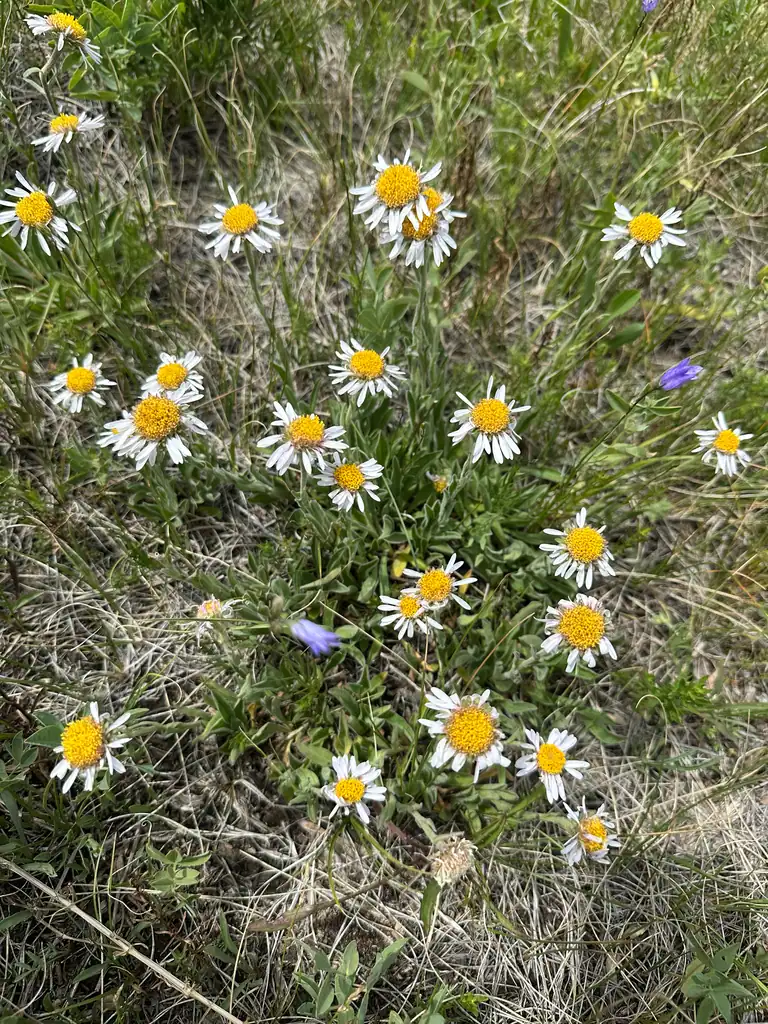
How to Grow and Care for Alpine aster
Aster alpinus
Written by Emilio Marruso · last checked
At a glance
Alpine aster is a perennial, so it comes back year after year, and it loves full sun. Plant seedlings after the last spring frost, 12 inches apart, in well-drained soil with a pH of 6.0–7.5. It grows happily in containers too, and you can make new plants from seed, cuttings or division.
- Sun
Full sun
- Water
Keep the soil evenly moist until new plants settle in; plants in pots need more water
What the sources say (2)
Watering notes: Maintain even moisture until transplants are established; container plants need more water
As with the propagation phase, maintain even moisture until your transplants become established.
— How to Grow and Care for Alpine Aster | Gardener's Path [3] Water needs are low once established, but higher for container plants
— How to Grow and Care for Alpine Aster | Gardener's Path [3] - Soil
Well-drained soil, pH 6.0–7.5
- Spacing
12 in between plants
What the sources say (1)
Spacing: 30.5 cm (12 in)
Space your seeds, seedlings, cuttings, or divisions at least 12 inches apart to accommodate mature dimensions and allow for adequate air flow.
— How to Grow and Care for Alpine Aster | Gardener's Path [3] - Planting
Plant seedlings out after the last spring frost
What the sources say (1)
Planting: After the last average spring frost date (seedlings)
Transplant seedlings to their permanent location after the last average spring frost date.
— How to Grow and Care for Alpine Aster | Gardener's Path [3] - Pests
Too much moisture brings powdery mildew, rust, slugs and snails; give good drainage and space
- Propagation
Grow new plants from seed, cuttings or division; divide older plants every few years
What the sources say (1)
Propagation: Seed, cuttings, division
This species grows from seeds, cuttings, and divided plants.
— How to Grow and Care for Alpine Aster | Gardener's Path [3] - Containers
Grows in containers too; water them more often
What the sources say (3)
In containers: Yes
You may also grow this type in well-draining containers , either alone or with companions of a similar culture.
— How to Grow and Care for Alpine Aster | Gardener's Path [3] Watering notes: Maintain even moisture until transplants are established; container plants need more water
As with the propagation phase, maintain even moisture until your transplants become established.
— How to Grow and Care for Alpine Aster | Gardener's Path [3] Water needs are low once established, but higher for container plants
— How to Grow and Care for Alpine Aster | Gardener's Path [3]
Overview
Alpine aster is a short-lived, cold-weather herbaceous perennial that grows in full sun with well-draining soil. [3] It is used in rock gardens and alpine flower beds. [1]
This record is incomplete: the sources we read do not cover every field yet.
Not yet covered by our sources: Watering, Hardiness, coldest zone, Hardiness, warmest zone, Pruning
Alpine aster care
How to water Alpine aster
Watering
Not stated in the sources we read.
Watering notes
Maintain even moisture until transplants are established; container plants need more water
What the sources say (2)
As with the propagation phase, maintain even moisture until your transplants become established.Water needs are low once established, but higher for container plantsHow much light Alpine aster needs
How much cold Alpine aster can take
Hardiness, coldest zone
Not stated in the sources we read.
Hardiness, warmest zone
Not stated in the sources we read.
Best soil for Alpine aster
Soil pH, minimum
6.0
Where to grow Alpine aster
In containers
Yes
What the sources say (1)
You may also grow this type in well-draining containers , either alone or with companions of a similar culture.Spacing
30.5 cm (12 in)
What the sources say (1)
Space your seeds, seedlings, cuttings, or divisions at least 12 inches apart to accommodate mature dimensions and allow for adequate air flow.How to propagate Alpine aster
Seed, cuttings, division
What the sources say (1)
This species grows from seeds, cuttings, and divided plants.How to grow Alpine aster
The plant
Life cycle
perennial
What the sources say (1)
Habit: Small perennial herb, 6–15 cm tall. Stems:Family
Asteraceae
What the sources say (1)
Aster alpinus L. subsp. alpinus
Common name:
Alpine Aster
Family:
AsteraceaeAlpine aster pests and problems
Fungal disease and pests from excess moisture
Symptom: Too much moisture plus poor air circulation makes plants vulnerable to powdery mildew, rust, fusarium or verticillium wilt, white smut; slugs, snails and nematodes
What to do: Adequate drainage and spacing, dividing mature plants every few years
What the sources say (1)
too much moisture plus inadequate air circulation due to poor spacing may make plants vulnerable to fungal conditions like powdery mildew, rust, fusarium or verticillium wilt, or white smut.
— How to Grow and Care for Alpine Aster | Gardener's Path [3]
Remedies
Each remedy shows what official sources say about it; traditional remedies without an official source are marked as such. Harmful ones are listed so you know to avoid them.
Treating the plant
powdery mildew
removing plant debris and infected plants Not verified
Traditional remedy, not verified by an official source.
How: Remove any plant debris and dispose of any infected plants. Keep the areas surrounding the asters free from weeds and volunteer plants.
Calendar
Planting
After the last average spring frost date (seedlings)
What the sources say (1)
Transplant seedlings to their permanent location after the last average spring frost date.Pruning
Not stated in the sources we read.
Months as given by the sources, which are mostly from the United States (northern hemisphere). In the southern hemisphere they shift by about six months.
Indicative values
Values from a secondary source, not checked word for word like the rest of this page. Use them as a starting point.
- Watering
- MinimalIndicative value, adapt it to your climate · Secondary source
- Drought tolerant
- yesIndicative value, adapt it to your climate · Secondary source
- Care level
- MediumIndicative value, adapt it to your climate · Secondary source
- Growth rate
- ModerateIndicative value, adapt it to your climate · Secondary source
- Pruning
- March, April, AugustIndicative value, adapt it to your climate · Secondary source
- Pests
- Mildew, Slugs, snails, Wilt, Pest resistant, Disease resistant, Rabbit resistant, Drought resistantIndicative value, adapt it to your climate · Secondary source
Similar plants
- Japanese Aster Aster iinumae
- European Michaelmas-daisy Aster amellus
- Tatarian Aster Aster tataricus
- African Daisy Dimorphotheca pluvialis
- African Marigold Tagetes erecta
- Ageratum Ageratum houstonianum
- Appalachian Blazing Star Liatris squarrulosa
- Appalachian Ironweed Vernonia glauca
Sources
Every value above is quoted from these documents. Links lead to the original publisher.
- Aster alpinus L. subsp. alpinus – Giardino della Flora Appenninica · giardinocapracotta.unimol.it, consulted
- Aster alpinus L. · infoflora.ch, consulted
- How to Grow and Care for Alpine Aster | Gardener's Path · gardenerspath.com, consulted
- Aster alpinus (Alpine Aster) - World of Flowering Plants · worldoffloweringplants.com, consulted
- alpine aster - KPU Plant DB · plantdatabase.kpu.ca, consulted
- Aster alpinus ( Alpine Aster ) - Professional Gardening Tips · backyardgardener.com, consulted
Written by Emilio Marruso · last checked