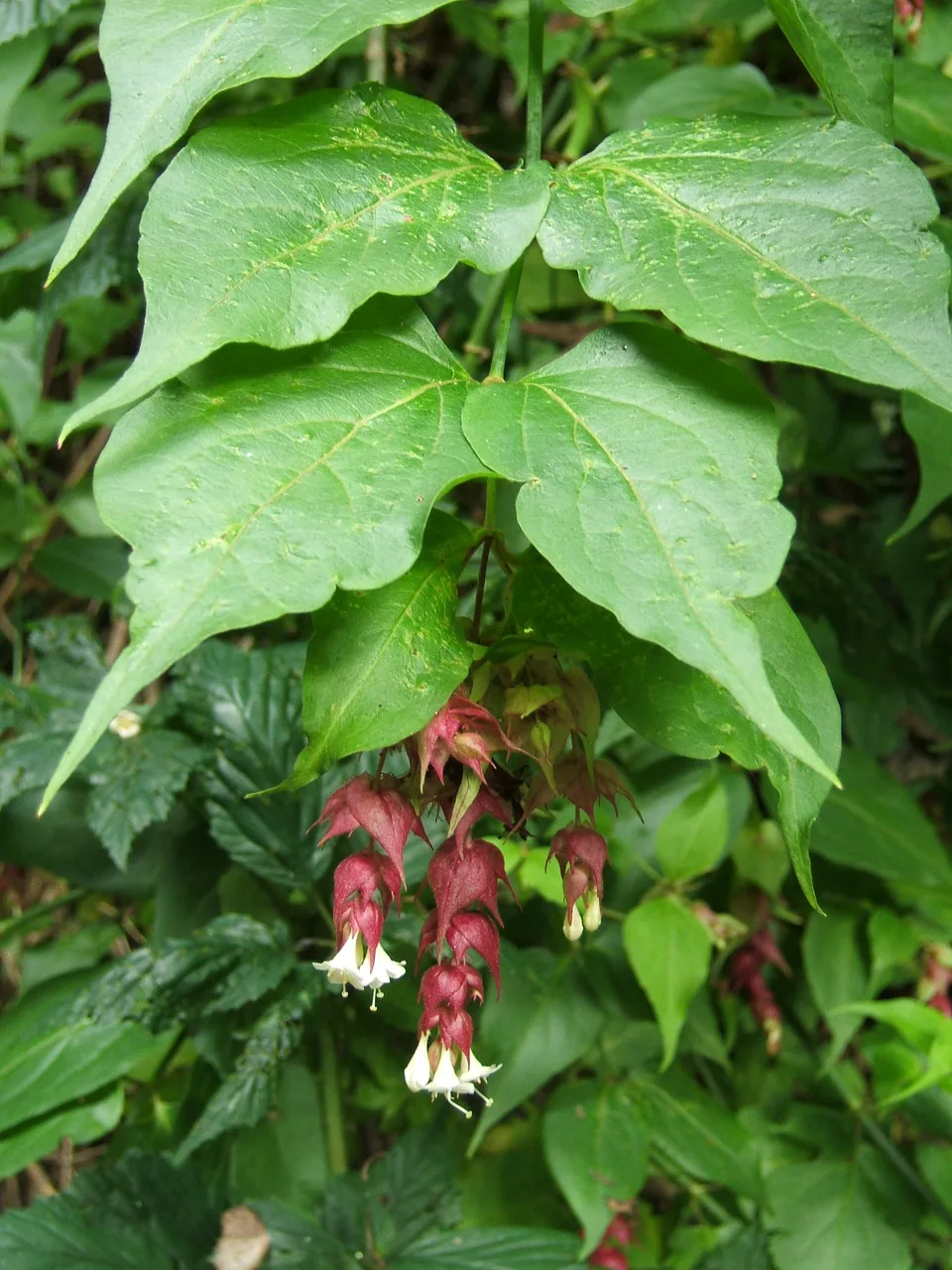

Cómo cultivar y cuidar Himalayan honeysuckle
Leycesteria formosa
Escrito por Emilio Marruso · última revisión
De un vistazo
Este arbusto de crecimiento rápido alcanza 1,2–1,8 m y se siente a gusto a pleno sol o en semisombra. Sus pequeñas flores blancas duran hasta el otoño y dan paso a diminutas bayas moradas, comestibles y apreciadas por su sabor. Mantén la tierra húmeda mientras arraiga, pódalo a finales de invierno y disfruta de su espectáculo cada otoño.
- Sol
Sol pleno o semisombra; algo de sombra por la tarde en climas cálidos
Qué dicen las fuentes (3)
Luz: Pleno sol a semisombra; un poco de sombra por la tarde es deseable en zonas más cálidas
Grow Leycesteria formosa in moist but well-drained soil in full sun to partial shade. It can be pruned back hard if desired.
— Leycesteria formosa | BBC Gardeners World Magazine [4] L. formosa enjoys a full sun location, but note that a bit of afternoon shade is desirable in warmer areas.
— How to Grow and Care for Himalayan Honeysuckle | Gardener’s Path [5] Sun or light shade. Needs regular watering. Rejuvenate by pruning to the ground
— Leycesteria formosa | Landscape Plants | Oregon State University [1] - Riego
Los dos primeros años: 2,5 cm de agua a la semana si no llueve; mantén la tierra húmeda
Qué dicen las fuentes (2)
Notas sobre el riego: Durante los primeros dos años después del trasplante, riega regularmente en ausencia de lluvia (aproximadamente una pulgada [2,5 cm] de agua por semana); mantén el suelo húmedo mientras la planta se establece
In the first two years after transplanting it should be watered regularly in the absence of rain, receiving about an inch of water per week.
— How to Grow and Care for Himalayan Honeysuckle | Gardener’s Path [5] As long as the soil is kept moist while it is becoming established, this plant does not require a lot of attention.
— How to Grow and Care for Himalayan Honeysuckle | Gardener’s Path [5] - Frío
Aguanta inviernos de hasta −17,8 °C (0 °F)
Rústica en inviernos muy fríos · USDA 7 · RHS H6 · Z7
Qué dicen las fuentes (3)
Rusticidad, zona más fría: 7 [mínima invernal de −17,8 a −12,2 °C (de 0 a 10 °F)]
Hardy to USDA Zone 7 Native to western China and eastern Tibet
— Leycesteria formosa | Landscape Plants | Oregon State University [1] Himalayan honeysuckle is winter hardy in USDA Hardiness Zones 7-9.
— How to Grow and Care for Himalayan Honeysuckle | Gardener’s Path [5] Rusticidad, zona más cálida: 9 [mínima invernal de −6,7 a −1,1 °C (de 20 a 30 °F)]
Himalayan honeysuckle is winter hardy in USDA Hardiness Zones 7-9.
— How to Grow and Care for Himalayan Honeysuckle | Gardener’s Path [5] - Suelo
Suelo de ligeramente ácido a alcalino, pH 6,0–8,0
Qué dicen las fuentes (2)
pH del suelo, mínimo: 6.0
it tolerates everything from sand to clay, and a pH range of 6.0 to 8.0.
— How to Grow and Care for Himalayan Honeysuckle | Gardener’s Path [5] pH del suelo, máximo: 8.0
it tolerates everything from sand to clay, and a pH range of 6.0 to 8.0.
— How to Grow and Care for Himalayan Honeysuckle | Gardener’s Path [5] - Distancia
61–91 cm entre plantas
Qué dicen las fuentes (1)
Distancia de plantación: 61-91 cm (2-3 pies)
If you wish to grow multiple plants, space them about two to three feet apart. This will allow you to form a hedge or border without overcrowding the plants.
— How to Grow and Care for Himalayan Honeysuckle | Gardener’s Path [5] - Plantación
Planta los esquejes enraizados en otoño
Qué dicen las fuentes (1)
Plantación: Otoño (esquejes enraizados)
Once the roots have developed, you may transplant cuttings to the garden in the fall.
— How to Grow and Care for Himalayan Honeysuckle | Gardener’s Path [5] - Poda
Poda a finales de invierno o principios de primavera, mientras la planta está en reposo
Qué dicen las fuentes (1)
Poda: Finales de invierno o principios de primavera, cuando las plantas están en reposo
Your plant can be cut back to within just a few inches of the ground in the late winter or early spring, when plants are dormant.
— How to Grow and Care for Himalayan Honeysuckle | Gardener’s Path [5] - Cosecha
Tras las flores llegan diminutas bayas moradas, comestibles y apreciadas por su sabor
- Atención
Crece rápido y se extiende: aíslalo en una zona, cultívalo en maceta o divídelo a menudo
- Tamaño
1,2–1,8 m de alto
Qué dicen las fuentes (1)
Altura adulta: 120-180 cm (4-6 pies)
Deciduous shrub or subshrub, fast growing, basal branching, multistemmed (purplish), upright habit, 4-6 ft (1.2-1.8 m) tall.
— Leycesteria formosa | Landscape Plants | Oregon State University [1] - Multiplicación
Por semilla o por esquejes tiernos en verano
Qué dicen las fuentes (2)
Propagación: Semilla; esquejes de madera blanda en verano
Himalayan honeysuckle can be propagated by seed as well as from softwood cuttings.
— How to Grow and Care for Himalayan Honeysuckle | Gardener’s Path [5] you can take softwood cuttings of about four inches in length in the summer.
— How to Grow and Care for Himalayan Honeysuckle | Gardener’s Path [5] - Siembra
Siembra en otoño; las semillas germinan en primavera
Qué dicen las fuentes (2)
Siembra: Otoño (las semillas germinan en primavera)
just sow seeds into a tray of moist seed starting mixture in the fall, and cover them to their own depth (1/8 inch or so) with sand.
— How to Grow and Care for Himalayan Honeysuckle | Gardener’s Path [5] Seeds almost always germinate in the spring regardless of when they were sown
— How to Grow and Care for Himalayan Honeysuckle | Gardener’s Path [5] - Maceta
Crece también en maceta
Qué dicen las fuentes (1)
En maceta: Sí
You can always grow it in a container or create divisions on a regular basis to control its spread.
— How to Grow and Care for Himalayan Honeysuckle | Gardener’s Path [5]
Resumen
La madreselva del Himalaya es un arbusto caducifolio originario del Himalaya y del oeste de China que crece a pleno sol o semisombra. [1][4] Se considera una maleza o planta potencialmente invasora en Australia y Nueva Zelanda. [1][5]
Citado en inglés, como en la fuente.
Cuidados
Las medidas entre corchetes son nuestra conversión al otro sistema de unidades; el texto citado no cambia.
Riego
Riego
Las fuentes dan valores distintos según la región, la zona o las condiciones de cultivo.
Lo que dice cada fuente
Según Oregon State University: Necesita riego regular
una vez establecida: Riego ocasional en períodos secos
Qué dicen las fuentes (2)
Según Oregon State University: Sun or light shade. Needs regular watering. Rejuvenate by pruning to the grounduna vez establecida: This is a low-maintenance plant, requiring only occasional water in dry periods once established.Notas sobre el riego
Durante los primeros dos años después del trasplante, riega regularmente en ausencia de lluvia (aproximadamente una pulgada [2,5 cm] de agua por semana); mantén el suelo húmedo mientras la planta se establece
Qué dicen las fuentes (2)
In the first two years after transplanting it should be watered regularly in the absence of rain, receiving about an inch of water per week.As long as the soil is kept moist while it is becoming established, this plant does not require a lot of attention.Luz
Pleno sol a semisombra; un poco de sombra por la tarde es deseable en zonas más cálidas
Qué dicen las fuentes (3)
Grow Leycesteria formosa in moist but well-drained soil in full sun to partial shade. It can be pruned back hard if desired.L. formosa enjoys a full sun location, but note that a bit of afternoon shade is desirable in warmer areas.Sun or light shade. Needs regular watering. Rejuvenate by pruning to the groundClima y frío
Rusticidad, zona más fría
7 [mínima invernal de −17,8 a −12,2 °C (de 0 a 10 °F)]
Rusticidad, zona más cálida
9 [mínima invernal de −6,7 a −1,1 °C (de 20 a 30 °F)]
Qué dicen las fuentes (1)
Himalayan honeysuckle is winter hardy in USDA Hardiness Zones 7-9.Suelo
pH del suelo, mínimo
6.0
Qué dicen las fuentes (1)
it tolerates everything from sand to clay, and a pH range of 6.0 to 8.0.pH del suelo, máximo
8.0
Qué dicen las fuentes (1)
it tolerates everything from sand to clay, and a pH range of 6.0 to 8.0.Dónde cultivarla
En maceta
Sí
Qué dicen las fuentes (1)
You can always grow it in a container or create divisions on a regular basis to control its spread.Distancia de plantación
61-91 cm (2-3 pies)
Qué dicen las fuentes (1)
If you wish to grow multiple plants, space them about two to three feet apart. This will allow you to form a hedge or border without overcrowding the plants.Propagación
Semilla; esquejes de madera blanda en verano
Qué dicen las fuentes (2)
Himalayan honeysuckle can be propagated by seed as well as from softwood cuttings.you can take softwood cuttings of about four inches in length in the summer.Cultivo
La planta
Familia
Caprifoliaceae
Qué dicen las fuentes (1)
Common name:
Pheasant-eye
Himalaya Honeysuckle
Pheasantberry
Pronunciation:
li-ses-TE-ri-a, lest-E-ree-a for-MO-sa
Family:
CaprifoliaceaeAltura adulta
120-180 cm (4-6 pies)
Qué dicen las fuentes (1)
Deciduous shrub or subshrub, fast growing, basal branching, multistemmed (purplish), upright habit, 4-6 ft (1.2-1.8 m) tall.Problemas
Propagación invasiva
Síntoma: Crece rápidamente y puede extenderse; se considera invasiva en algunas áreas.
Qué hacer: Aíslala en una zona del jardín, cultívala en un contenedor o divídela regularmente para controlar su propagación.
Qué dicen las fuentes (2)
You can always grow it in a container or create divisions on a regular basis to control its spread.
— How to Grow and Care for Himalayan Honeysuckle | Gardener’s Path [5] It grows rapidly and is adaptable to many garden conditions, and as such, it is considered invasive today in some areas.
— How to Grow and Care for Himalayan Honeysuckle | Gardener’s Path [5] Muerte regresiva en invierno
Síntoma: Si las temperaturas invernales bajan regularmente por debajo de 15°F, los tallos se congelan hasta el suelo.
Qué hacer: Los tallos nuevos brotan en primavera siempre que las raíces estén protegidas; aplica mantillo de invierno cerca del límite norte de la zona de cultivo.
Qué dicen las fuentes (1)
If winter temperatures regularly dip below 15°F, the stems of this shrub will freeze to the ground.
— How to Grow and Care for Himalayan Honeysuckle | Gardener’s Path [5]
Remedios
Cada remedio indica qué dicen las fuentes oficiales; los remedios tradicionales sin fuente oficial aparecen marcados. Los perjudiciales están para que sepas evitarlos.
Cómo eliminarla
propagación no deseada
arranca o desentierra las plantas pequeñas No verificado
Remedio tradicional, no verificado por una fuente oficial.
Stems or dislodged stem pieces which may be spread by slashing, by the dumping of garden waste and during manual removal can form roots on contact with moist soil.
— weeds.org.au [8] Stumps resprout so frequent followup required to ensure eradication.
— weedbusters.org.nz [9] Cómo: Las plántulas y plantas pequeñas se pueden arrancar a mano si se eliminan todas las raíces; usa una pala o un cuchillo para ayudar aflojando el suelo.
eliminación de semillas, vainas y frutos No verificado
Remedio tradicional, no verificado por una fuente oficial.
Cómo: Retira suavemente cualquier semilla, vaina o fruta y colócalos con cuidado en una bolsa.
Calendario
Siembra
Otoño (las semillas germinan en primavera)
Qué dicen las fuentes (2)
just sow seeds into a tray of moist seed starting mixture in the fall, and cover them to their own depth (1/8 inch or so) with sand.Seeds almost always germinate in the spring regardless of when they were sownPlantación
Otoño (esquejes enraizados)
Qué dicen las fuentes (1)
Once the roots have developed, you may transplant cuttings to the garden in the fall.Poda
Finales de invierno o principios de primavera, cuando las plantas están en reposo
Qué dicen las fuentes (1)
Your plant can be cut back to within just a few inches of the ground in the late winter or early spring, when plants are dormant.Meses tal como los dan las fuentes, en su mayoría de Estados Unidos (hemisferio norte). En el hemisferio sur se desplazan unos seis meses.
Comestibilidad
Según la fuente, citada textualmente. No comas una planta basándote solo en esta página: los errores de identificación pueden ser peligrosos.
The small flowers (usually white) generally endure until fall and are followed by tiny purple, edible berries that are prized for their flavor.
[5]
Valores orientativos
Valores de una fuente secundaria, no comprobados palabra por palabra como el resto de esta página. Úselos como punto de partida.
- Ciclo de vida
- PerenneValor orientativo, adáptalo a tu clima · Fuente secundaria
- Suelo
- Bien drenadoValor orientativo, adáptalo a tu clima · Fuente secundaria
- Nivel de cuidado
- MedioValor orientativo, adáptalo a tu clima · Fuente secundaria
- Crecimiento
- AltaValor orientativo, adáptalo a tu clima · Fuente secundaria
- Plagas
- Resistente a plagas, Resistente a enfermedadesValor orientativo, adáptalo a tu clima · Fuente secundaria
Plantas similares
- Alpine honeysuckle Lonicera alpigena
- Beauty Bush Kolkwitzia amabilis
- Bush Honeysuckle Diervilla sessilifolia
- Chinese Abelia Abelia chinensis
- Valeriana común Valeriana officinalis
- Coralberry Symphoricarpos orbiculatus
- Madreselva de bosque Lonicera xylosteum
- Madreselva Lonicera periclymenum
Fuentes
Cada valor anterior se cita de estos documentos. Los enlaces llevan al editor original.
- Leycesteria formosa | Landscape Plants | Oregon State University · landscapeplants.oregonstate.edu, consultado
- Leycesteria formosa • New Zealand Plant Conservation Network · nzpcn.org.nz, consultado
- Leycesteria formosa - Trees and Shrubs Online · treesandshrubsonline.org, consultado
- Leycesteria formosa | BBC Gardeners World Magazine · gardenersworld.com, consultado
- How to Grow and Care for Himalayan Honeysuckle | Gardener’s Path · gardenerspath.com, consultado
- Leycesteria formosa - Useful Temperate Plants · temperate.theferns.info, consultado
- VicFlora: Leycesteria formosa · vicflora.rbg.vic.gov.au, consultado
- weeds.org.au · weeds.org.au
- weedbusters.org.nz · weedbusters.org.nz
Escrito por Emilio Marruso · última revisión