Cómo cultivar y cuidar Helecho avestruz
Matteuccia struthiopteris
Escrito por Emilio Marruso · última revisión
Tóxica para: Personas · Por qué
De un vistazo
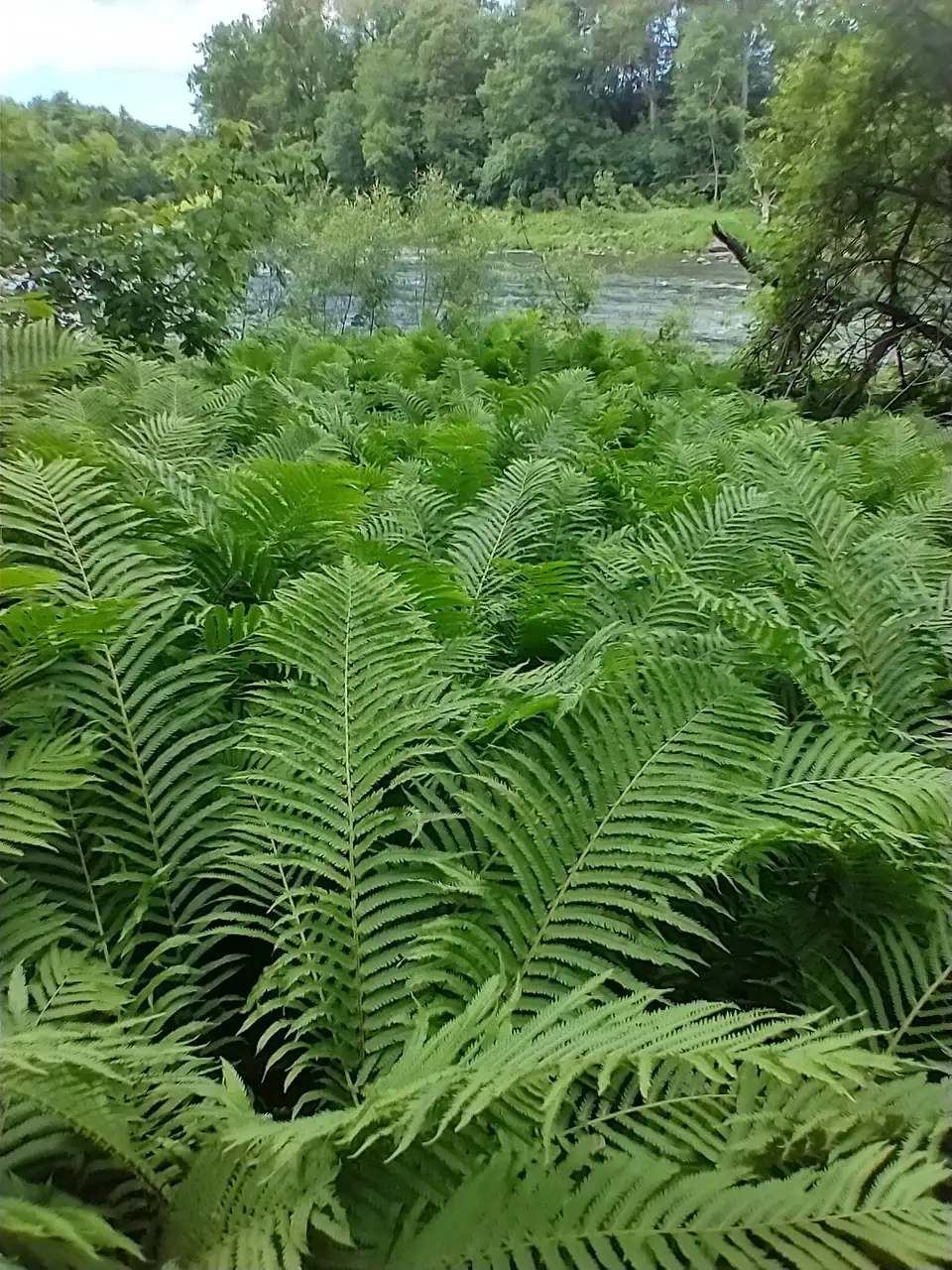
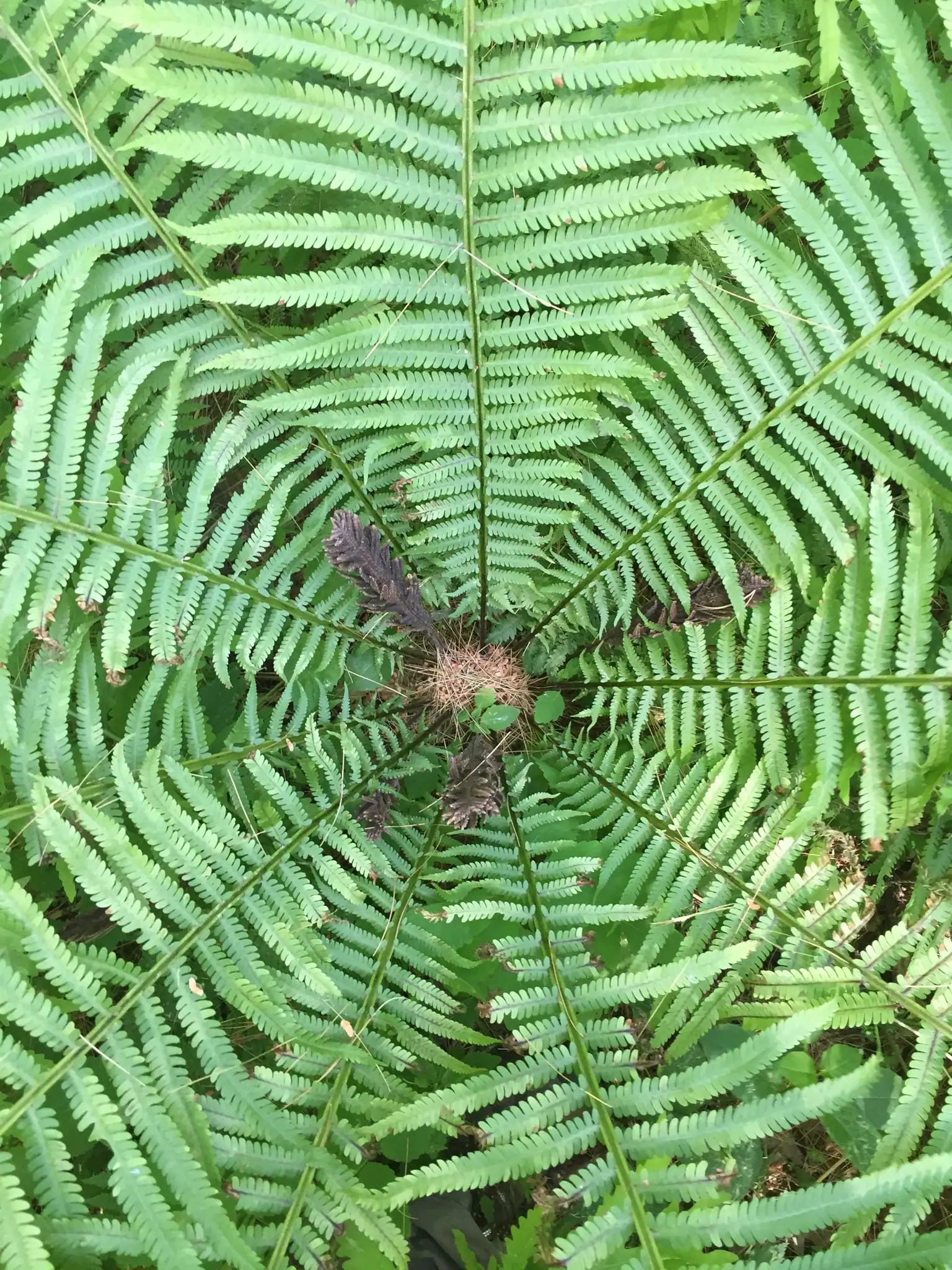
El helecho avestruz adora los rincones de sombra que otras plantas evitan: dale semisombra o sombra y un suelo siempre húmedo, mejor demasiado mojado que seco. Alcanza 0,9–1,5 m de alto y rebrota cada año. En primavera, sus frondas jóvenes enrolladas, los báculos, se pueden recolectar y comer, siempre que estén bien cocinadas.
- Sol
Semisombra o sombra; aguanta el sol solo si hace fresco y hay humedad
Qué dicen las fuentes (2)
Luz: Semisombra a sombra completa; tolera el sol con temperaturas frescas y humedad adecuada.
Plant in partial to full shade but it will tolerate sun with cool temperatures and adequate moisture.
— Onoclea struthiopteris (Fiddlehead Fern, Ostrich-Feather Fern, Ostrich Fern, Shuttlecock Fern) | North Carolina Extension Gardener Plant Toolbox [1] Exposure from part to full shade will work.
— Learn How to Grow Ostrich Ferns | Gardener's Path [4] - Riego
Mantén la tierra siempre húmeda; mejor demasiado mojada que seca
Qué dicen las fuentes (3)
Riego: Mantén el suelo constantemente húmedo en todo momento; no dejes que se seque por completo.
It naturally occurs in heavy, moist soil but adapts to light, rich soil and prefers constant moisture.
— Onoclea struthiopteris (Fiddlehead Fern, Ostrich-Feather Fern, Ostrich Fern, Shuttlecock Fern) | North Carolina Extension Gardener Plant Toolbox [1] Maintain consistent moisture in the soil at all times and don’t allow it to fully dry.
— Learn How to Grow Ostrich Ferns | Gardener's Path [4] Notas sobre el riego: Prefiere el suelo demasiado húmedo antes que demasiado seco.
They’d rather the soil be too wet than too dry, so take this into account when choosing a planting spot.
— Learn How to Grow Ostrich Ferns | Gardener's Path [4] - Frío
Aguanta inviernos de hasta −40 °C (−40 °F)
Muy rústica · USDA 3a · RHS H7 · Z3
Qué dicen las fuentes (2)
Rusticidad, zona más fría: 3a [mínima invernal de −40 a −37,2 °C (de −40 a −35 °F)]
3a, 3b, 4a, 4b, 5a, 5b, 6a, 6b, 7a, 7b, 8a, 8b
— Onoclea struthiopteris (Fiddlehead Fern, Ostrich-Feather Fern, Ostrich Fern, Shuttlecock Fern) | North Carolina Extension Gardener Plant Toolbox [1] this species thrives in cold areas, in USDA Hardiness Zones 3 to 7.
— Learn How to Grow Ostrich Ferns | Gardener's Path [4] - Suelo
Suelo de ligeramente ácido a neutro, pH 6,0–7,0
- Cosecha
Recoge los brotes jóvenes enrollados en primavera y cocínalos siempre
Qué dicen las fuentes (1)
Cosecha: Primavera (fiddleheads, las frondas estériles cuando emergen).
In the spring, the sterile vegetative fronds emerge from the ground at the base of the plant. These are the so-called fiddleheads that you can harvest and eat.
— Learn How to Grow Ostrich Ferns | Gardener's Path [4] - Atención
Se extiende con tallos subterráneos y puede invadir como una mala hierba
- Tamaño
0,9–1,5 m de alto y 60 cm–1,2 m de ancho
Qué dicen las fuentes (2)
Altura adulta: 91.44-152.4 cm (3-5 pies)
With an erect rosette crown of bright green fronds reaching a height of 3 to 5 feet and a width of 2 to 4 feet, the ostrich fern makes an interesting addition
— Onoclea struthiopteris (Fiddlehead Fern, Ostrich-Feather Fern, Ostrich Fern, Shuttlecock Fern) | North Carolina Extension Gardener Plant Toolbox [1] Anchura adulta: 60.96-121.92 cm (2-4 pies)
With an erect rosette crown of bright green fronds reaching a height of 3 to 5 feet and a width of 2 to 4 feet, the ostrich fern makes an interesting addition
— Onoclea struthiopteris (Fiddlehead Fern, Ostrich-Feather Fern, Ostrich Fern, Shuttlecock Fern) | North Carolina Extension Gardener Plant Toolbox [1] - Multiplicación
Divide las matas en primavera, o usa plantitas, esporas o esquejes
Qué dicen las fuentes (2)
Propagación: División de coronas (primavera); plantitas; esporas; esquejes.
Divide the crowns in the spring to propagate.
— Onoclea struthiopteris (Fiddlehead Fern, Ostrich-Feather Fern, Ostrich Fern, Shuttlecock Fern) | North Carolina Extension Gardener Plant Toolbox [1] ferns can be propagated in the same ways as other plants. Namely: by division, from plantlets, spores (seeds), and cuttings.
— Learn How to Grow Ostrich Ferns | Gardener's Path [4] - Seguridad
No la comas nunca cruda: puede provocar náuseas y molestias intestinales
Resumen
El helecho avestruz es un helecho caducifolio que prefiere semisombra a sombra completa y suelo constantemente húmedo. [1][4] Se extiende mediante estolones subterráneos que forman colonias y pueden volverse maleza. [1] Los fiddleheads son comestibles, pero siempre deben cocinarse. [1][4]
Citado en inglés, como en la fuente.
Esta ficha está incompleta: las fuentes consultadas aún no cubren todos los campos.
Aún no cubierto por nuestras fuentes: Rusticidad, zona más cálida, Poda
Cuidados
Riego
Riego
Mantén el suelo constantemente húmedo en todo momento; no dejes que se seque por completo.
Qué dicen las fuentes (2)
It naturally occurs in heavy, moist soil but adapts to light, rich soil and prefers constant moisture.Maintain consistent moisture in the soil at all times and don’t allow it to fully dry.Notas sobre el riego
Prefiere el suelo demasiado húmedo antes que demasiado seco.
Qué dicen las fuentes (1)
They’d rather the soil be too wet than too dry, so take this into account when choosing a planting spot.Luz
Semisombra a sombra completa; tolera el sol con temperaturas frescas y humedad adecuada.
Qué dicen las fuentes (2)
Plant in partial to full shade but it will tolerate sun with cool temperatures and adequate moisture.Exposure from part to full shade will work.Clima y frío
Rusticidad, zona más fría
3a [mínima invernal de −40 a −37,2 °C (de −40 a −35 °F)]
Qué dicen las fuentes (2)
3a, 3b, 4a, 4b, 5a, 5b, 6a, 6b, 7a, 7b, 8a, 8bthis species thrives in cold areas, in USDA Hardiness Zones 3 to 7.Rusticidad, zona más cálida
No figura en las fuentes consultadas.
Suelo
pH del suelo, mínimo
6.0
Qué dicen las fuentes (1)
A pH between 6.0 to 7.0 is about right.pH del suelo, máximo
7.0
Qué dicen las fuentes (1)
A pH between 6.0 to 7.0 is about right.Propagación
División de coronas (primavera); plantitas; esporas; esquejes.
Qué dicen las fuentes (2)
Divide the crowns in the spring to propagate.ferns can be propagated in the same ways as other plants. Namely: by division, from plantlets, spores (seeds), and cuttings.Cultivo
La planta
Ciclo de vida
perenne
Qué dicen las fuentes (1)
Ostrich fern is an easy-to-grow, herbaceous perennial fern in the spleenwort family (Aspleniaceae) and is native to Eurasia.Familia
Aspleniaceae
Qué dicen las fuentes (1)
Ostrich fern is an easy-to-grow, herbaceous perennial fern in the spleenwort family (Aspleniaceae) and is native to Eurasia.Altura adulta
91.44-152.4 cm (3-5 pies)
Qué dicen las fuentes (1)
With an erect rosette crown of bright green fronds reaching a height of 3 to 5 feet and a width of 2 to 4 feet, the ostrich fern makes an interesting additionAnchura adulta
60.96-121.92 cm (2-4 pies)
Qué dicen las fuentes (1)
With an erect rosette crown of bright green fronds reaching a height of 3 to 5 feet and a width of 2 to 4 feet, the ostrich fern makes an interesting additionProblemas
Propagación agresiva
Síntoma: Los estolones subterráneos forman nuevas colonias que pueden volverse maleza.
Qué hacer: No indicado en los documentos
Qué dicen las fuentes (1)
The stout rhizomes send out slender underground runners that form new plant colonies, which can be weedy.
— Onoclea struthiopteris (Fiddlehead Fern, Ostrich-Feather Fern, Ostrich Fern, Shuttlecock Fern) | North Carolina Extension Gardener Plant Toolbox [1]
Remedios
Cada remedio indica qué dicen las fuentes oficiales; los remedios tradicionales sin fuente oficial aparecen marcados. Los perjudiciales están para que sepas evitarlos.
Cómo eliminarla
dispersión
Corta el borde del lecho con una pala. No verificado
Remedio tradicional, no verificado por una fuente oficial.
Cómo: Frena la propagación definiendo el perímetro del lecho, cortando el borde exterior del borde con una pala o azada afilada; las piedras o adoquines forman una barrera más duradera.
cultiva en contenedores No verificado
Remedio tradicional, no verificado por una fuente oficial.
Cómo: Si cultivas helechos avestruz en macetas, limitas la propagación de sus rizomas.
elimina los frondes que portan esporas No verificado
Remedio tradicional, no verificado por una fuente oficial.
Cómo: Revisa el envés de las hojas para ver si hay esporas; si eliminas y desechas estos frondes, reduces la propagación.
arranca los helechos jóvenes a mano No verificado
Remedio tradicional, no verificado por una fuente oficial.
Cómo: Los helechos pequeños no deseados se eliminan fácilmente a mano a medida que aparecen.
Toxicidad
Según la fuente, citada textualmente. No es un consejo médico ni veterinario: si una persona o un animal pudo haber ingerido esta planta, contacta con un centro de toxicología o con un veterinario.
Calendario
Cosecha
Primavera (fiddleheads, las frondas estériles cuando emergen).
Qué dicen las fuentes (1)
In the spring, the sterile vegetative fronds emerge from the ground at the base of the plant.
These are the so-called fiddleheads that you can harvest and eat.Poda
No figura en las fuentes consultadas.
Meses tal como los dan las fuentes, en su mayoría de Estados Unidos (hemisferio norte). En el hemisferio sur se desplazan unos seis meses.
Comestibilidad
Según la fuente, citada textualmente. No comas una planta basándote solo en esta página: los errores de identificación pueden ser peligrosos.
Valores orientativos
Valores de una fuente secundaria, no comprobados palabra por palabra como el resto de esta página. Úselos como punto de partida.
- Suelo
- Arenoso Limoso ArcillosoValor orientativo, adáptalo a tu clima · Fuente secundaria
- Nivel de cuidado
- MedioValor orientativo, adáptalo a tu clima · Fuente secundaria
- Crecimiento
- AltaValor orientativo, adáptalo a tu clima · Fuente secundaria
- Poda
- Febrero, marzo, abrilValor orientativo, adáptalo a tu clima · Fuente secundaria
- Plagas
- Resistente a plagas, Resistente a enfermedadesValor orientativo, adáptalo a tu clima · Fuente secundaria
Plantas similares
- Culantrillo blanco Cystopteris fragilis
- Broad Beech Fern Phegopteris hexagonoptera
- Bulblet Bladder Fern Cystopteris bulbifera
- Cliff Fern Woodsia obtusa
- Deer Fern Blechnum spicant
- Glade Fern Homalosorus pycnocarpos
- Kunth's Maiden Fern Thelypteris kunthii
- Culantrillo menudo Asplenium trichomanes
Fuentes
Cada valor anterior se cita de estos documentos. Los enlaces llevan al editor original.
- Onoclea struthiopteris (Fiddlehead Fern, Ostrich-Feather Fern, Ostrich Fern, Shuttlecock Fern) | North Carolina Extension Gardener Plant Toolbox · plants.ces.ncsu.edu, consultado
- Matteuccia struthiopteris (Ostrich Fern): Minnesota Wildflowers · minnesotawildflowers.info, consultado
- How to Grow Matteuccia - Ostrich Fern · harvesttotable.com, consultado
- Learn How to Grow Ostrich Ferns | Gardener's Path · gardenerspath.com, consultado
Escrito por Emilio Marruso · última revisión