
Cómo cultivar y cuidar Pino carrasco
Pinus halepensis
Escrito por Emilio Marruso · última revisión
De un vistazo
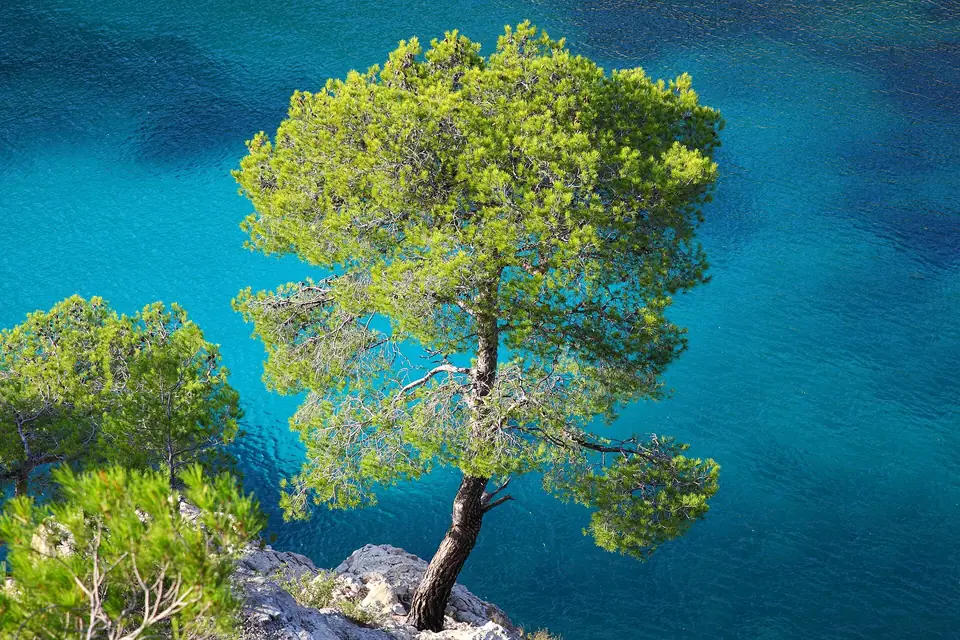
El pino carrasco adora el sol pleno y puede alcanzar hasta 21 m de altura: un gran árbol que nace de una simple semilla. Dale riegos profundos de apoyo durante sus dos primeros años; a partir del tercero, ya no necesita riego. Sus semillas incluso se muelen para hacer harina en la cocina tradicional tunecina.
- Sol
Sol pleno
Qué dicen las fuentes (3)
Luz: Pleno sol
The one thing to remember if you want to grow an Aleppo pine is to site it in direct sun.
— Aleppo Pine Tree Care - Learn About Aleppo Pines In The Landscape | Gardening Know How [3] The Aleppo Pine grows in full sun and is very heat and drought tolerant.
— Aleppo Pine (Pinus halepensis) — Center for the Study of the Built Environment [4] Heat Tolerance: One of the best pine trees for the desert Sun Exposure: Full sun
— Aleppo Pine (Pinus halepensis) [7] - Riego
Árbol joven: 20–25 litros dos veces por semana el primer año, 40 litros semanales el segundo, luego nada
Qué dicen las fuentes (5)
Riego: Riego profundo y poco frecuente, incluso en los meses más calurosos
Según Center for the Study of the Built Environment (Jordan): Requires no watering once established. Generally, trees need supplemental irrigation to get established
— Aleppo Pine (Pinus halepensis) — Center for the Study of the Built Environment [4] sur de California y los desiertos: Fairly drought tolerant, needs supplemental water in southern California and in the deserts
— Aleppo Pine (Pinus halepensis) [7] They are heat tolerant trees and only require deep, infrequent irrigation even in the hottest months.
— Aleppo Pine Tree Care - Learn About Aleppo Pines In The Landscape | Gardening Know How [3] Notas sobre el riego: Los árboles jóvenes necesitan riego suplementario para establecerse: el primer año 20-25 litros [5,3–6,6 gal] dos veces por semana, el segundo año 40 litros [10,6 gal] una vez por semana, y a partir del tercer año no se necesita
During the first year, irrigate in the amount of 20 – 25 liters of water twice a week. During its second year, a tree needs to be irrigated in the amount of 40 liters once a week.
— Aleppo Pine (Pinus halepensis) — Center for the Study of the Built Environment [4] Beginning with the third year, trees usually get established, and some, like the Aleppo Pine, do not require any supplemental irrigation.
— Aleppo Pine (Pinus halepensis) — Center for the Study of the Built Environment [4] - Poda
Poda las ramas bajas a finales del invierno
Qué dicen las fuentes (1)
Poda: Finales de invierno (ramas bajas)
Lower branches may be trimmed in late winter to encourage tall growth.
— Aleppo Pine (Pinus halepensis) — Center for the Study of the Built Environment [4] - Cosecha
Sus semillas se usan para hacer harina en la cocina tradicional tunecina
- Plagas
Procesionaria del pino, una cochinilla y un hongo al que es especialmente sensible
Qué dicen las fuentes (3)
Plagas: procesionaria del pino (Thaumetopoea pityocampa), Matsucoccus josephii (cochinilla de la escama)
Entrambe le specie sono sensibili alla processionaria del pino Thaumetopoea pityocampa che può causare defogliazioni ingenti.
— Linee guida per la conservazione genetica e l’uso [1] Il pino d’Aleppo è sensi-bile agli attacchi della cocciniglia Matsucoccus josephii, mentre il pino bruzio è resistente.
— Linee guida per la conservazione genetica e l’uso [1] Enfermedades: Sphaeropsis sapinea
Comunque in condizioni di forte stress idrico P. halepen‑ sis presenta una sensibi-lità maggiore al fungo Sphaeropsis sapinea.
— Linee guida per la conservazione genetica e l’uso [1] - Tamaño
Hasta 21 m de alto
Qué dicen las fuentes (1)
Altura adulta: 2134 cm (70 pies), máximo
Form: A medium sized tree (up to 70 feet tall) that develops a broad crown with large limbs and very fine foliage texture.
— Virginia Tech Dendrology Fact Sheet [6] - Multiplicación
Se multiplica por semilla
Qué dicen las fuentes (3)
Propagación: Semilla
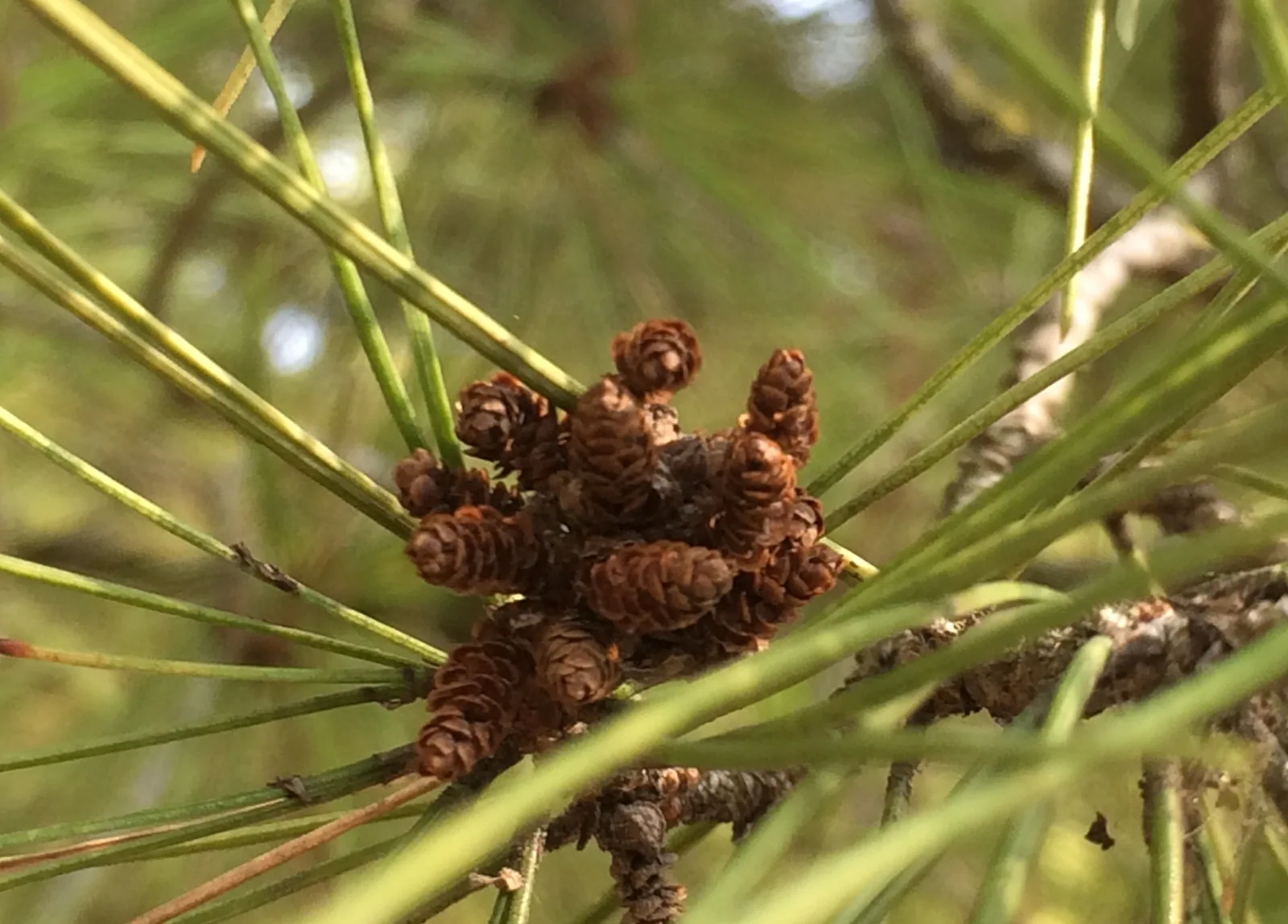
You can propagate the tree by planting the seeds found in the cones.
— Aleppo Pine Tree Care - Learn About Aleppo Pines In The Landscape | Gardening Know How [3] Propagation: May be propagated from seeds.
— Aleppo Pine (Pinus halepensis) — Center for the Study of the Built Environment [4] Watering Needs: Fairly drought tolerant, needs supplemental water in southern California and in the deserts Propagation: Seeds
— Aleppo Pine (Pinus halepensis) [7]
Resumen
El pino carrasco se describe como el pino ornamental más cultivado en el suroeste de Estados Unidos, tolerante a la sequía, al desierto y a las condiciones urbanas. [3] Crece a pleno sol y, una vez establecido, solo necesita riego profundo y poco frecuente. [3][4] Sus semillas se usan en la cocina tradicional tunecina para hacer harina. [2]
Citado en inglés, como en la fuente.
Esta ficha está incompleta: las fuentes consultadas aún no cubren todos los campos.
Aún no cubierto por nuestras fuentes: Rusticidad, zona más fría, Rusticidad, zona más cálida
Cuidados
Las medidas entre corchetes son nuestra conversión al otro sistema de unidades; el texto citado no cambia.
Riego
Riego
Riego profundo y poco frecuente, incluso en los meses más calurosos
Lo que dice cada fuente
Según Center for the Study of the Built Environment (Jordan): Sin riego una vez establecida
sur de California y los desiertos: Tolerante a la sequía en buena medida; necesita riego suplementario
Qué dicen las fuentes (3)
Según Center for the Study of the Built Environment (Jordan): Requires no watering once established. Generally, trees need supplemental irrigation to get establishedsur de California y los desiertos: Fairly drought tolerant, needs supplemental water in southern California and in the desertsThey are heat tolerant trees and only require deep, infrequent irrigation even in the hottest months.Notas sobre el riego
Los árboles jóvenes necesitan riego suplementario para establecerse: el primer año 20-25 litros [5,3–6,6 gal] dos veces por semana, el segundo año 40 litros [10,6 gal] una vez por semana, y a partir del tercer año no se necesita
Qué dicen las fuentes (2)
During the first year, irrigate in the amount of 20 – 25 liters of water twice a week. During its second year, a tree needs to be irrigated in the amount of 40 liters once a week.Beginning with the third year, trees usually get established, and some, like the Aleppo Pine, do not require any supplemental irrigation.Luz
Pleno sol
Qué dicen las fuentes (3)
The one thing to remember if you want to grow an Aleppo pine is to site it in direct sun.The Aleppo Pine grows in full sun and is very heat and drought tolerant.Heat Tolerance: One of the best pine trees for the desert
Sun Exposure: Full sunClima y frío
Rusticidad, zona más fría
No figura en las fuentes consultadas.
Rusticidad, zona más cálida
No figura en las fuentes consultadas.
Propagación
Semilla
Qué dicen las fuentes (3)
You can propagate the tree by planting the seeds found in the cones.Propagation:
May be propagated from seeds.Watering Needs: Fairly drought tolerant, needs supplemental water in southern California and in the deserts
Propagation: SeedsCultivo
La planta
Familia
Pinaceae
Qué dicen las fuentes (1)
Species : Pinus halepensis
Family : Pinaceae
Common names : Aleppo pineAltura adulta
2134 cm (70 pies), máximo
Qué dicen las fuentes (1)
Form: A medium sized tree (up to 70 feet tall) that develops a broad crown with large limbs and very fine foliage texture.Plagas y enfermedades
Plagas
procesionaria del pino (Thaumetopoea pityocampa), Matsucoccus josephii (cochinilla de la escama)
Qué dicen las fuentes (2)
Entrambe le specie sono sensibili alla processionaria del pino Thaumetopoea pityocampa che può causare defogliazioni ingenti.Il pino d’Aleppo è sensi-bile agli attacchi della cocciniglia Matsucoccus josephii, mentre il pino bruzio è resistente.Enfermedades
Sphaeropsis sapinea
Qué dicen las fuentes (1)
Comunque in condizioni di forte stress idrico P. halepen‑ sis presenta una sensibi-lità maggiore al fungo Sphaeropsis sapinea.Problemas
Matsucoccus josephii (cochinilla de las coníferas)
Síntoma: El pino carrasco es susceptible al ataque de esta cochinilla, mientras que el pino de Calabria es resistente.
Qué dicen las fuentes (1)
Il pino d’Aleppo è sensi-bile agli attacchi della cocciniglia Matsucoccus josephii, mentre il pino bruzio è resistente.
— Linee guida per la conservazione genetica e l’uso [1] Sphaeropsis sapinea (hongo)
Síntoma: Pinus halepensis muestra mayor sensibilidad a este hongo.
Qué dicen las fuentes (1)
halepen‑ sis presenta una sensibi-lità maggiore al fungo Sphaeropsis sapinea.
— Linee guida per la conservazione genetica e l’uso [1]
Remedios
Las fuentes consultadas no dan remedios para esta planta.
Calendario
Poda
Finales de invierno (ramas bajas)
Qué dicen las fuentes (1)
Lower branches may be trimmed in late winter to encourage tall growth.Meses tal como los dan las fuentes, en su mayoría de Estados Unidos (hemisferio norte). En el hemisferio sur se desplazan unos seis meses.
Comestibilidad
Según la fuente, citada textualmente. No comas una planta basándote solo en esta página: los errores de identificación pueden ser peligrosos.
Seeds are used in the traditional Tunisian cusine for making flour
[2]
Plantas similares
- Armand Pine Pinus armandi
- Pino salgareño Pinus nigra
- Pino de Colorado Pinus aristata
- Chinese Pine Pinus yunnanensis
- Pino azul del Himalaya Pinus wallichiana
- Pino de Banks Pinus banksiana
- Pino negro japonés Pinus thunbergii
- Pino rojo japonés Pinus densiflora
Fuentes
Cada valor anterior se cita de estos documentos. Los enlaces llevan al editor original.
- Linee guida per la conservazione genetica e l’uso · euforgen.org, consultado
- Pinus halepenisis · uv.es, consultado
- Aleppo Pine Tree Care - Learn About Aleppo Pines In The Landscape | Gardening Know How · gardeningknowhow.com, consultado
- Aleppo Pine (Pinus halepensis) — Center for the Study of the Built Environment · csbe.org, consultado
- Pine, Aleppo | TreeBrowser | USU · extension.usu.edu, consultado
- Virginia Tech Dendrology Fact Sheet · dendro.cnre.vt.edu, consultado
- Aleppo Pine (Pinus halepensis) · desert-tropicals.com, consultado
- Aleppo Pine : Herbal,Medicinal,allergenic · wildflowers.co.il, consultado
Escrito por Emilio Marruso · última revisión