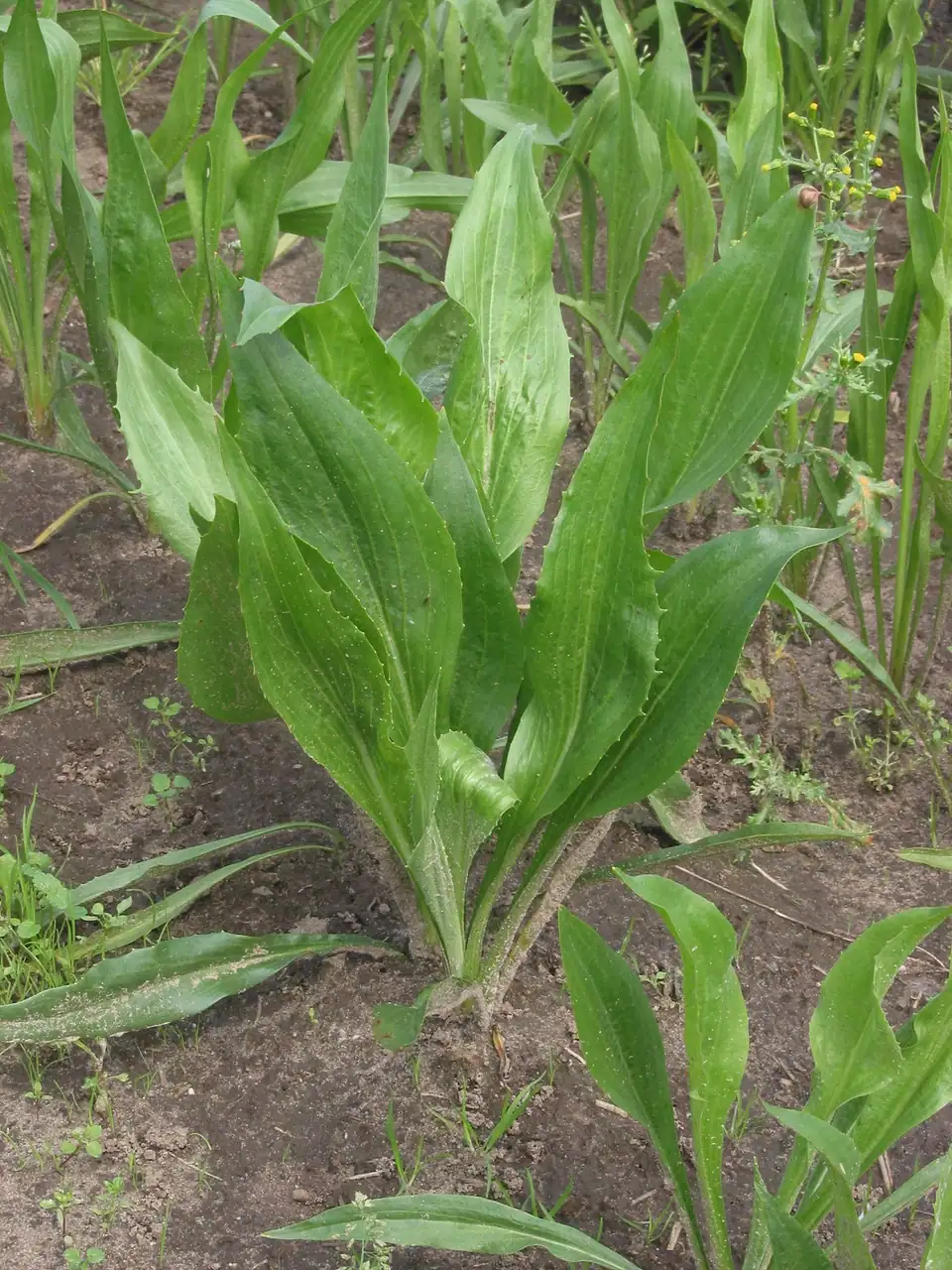
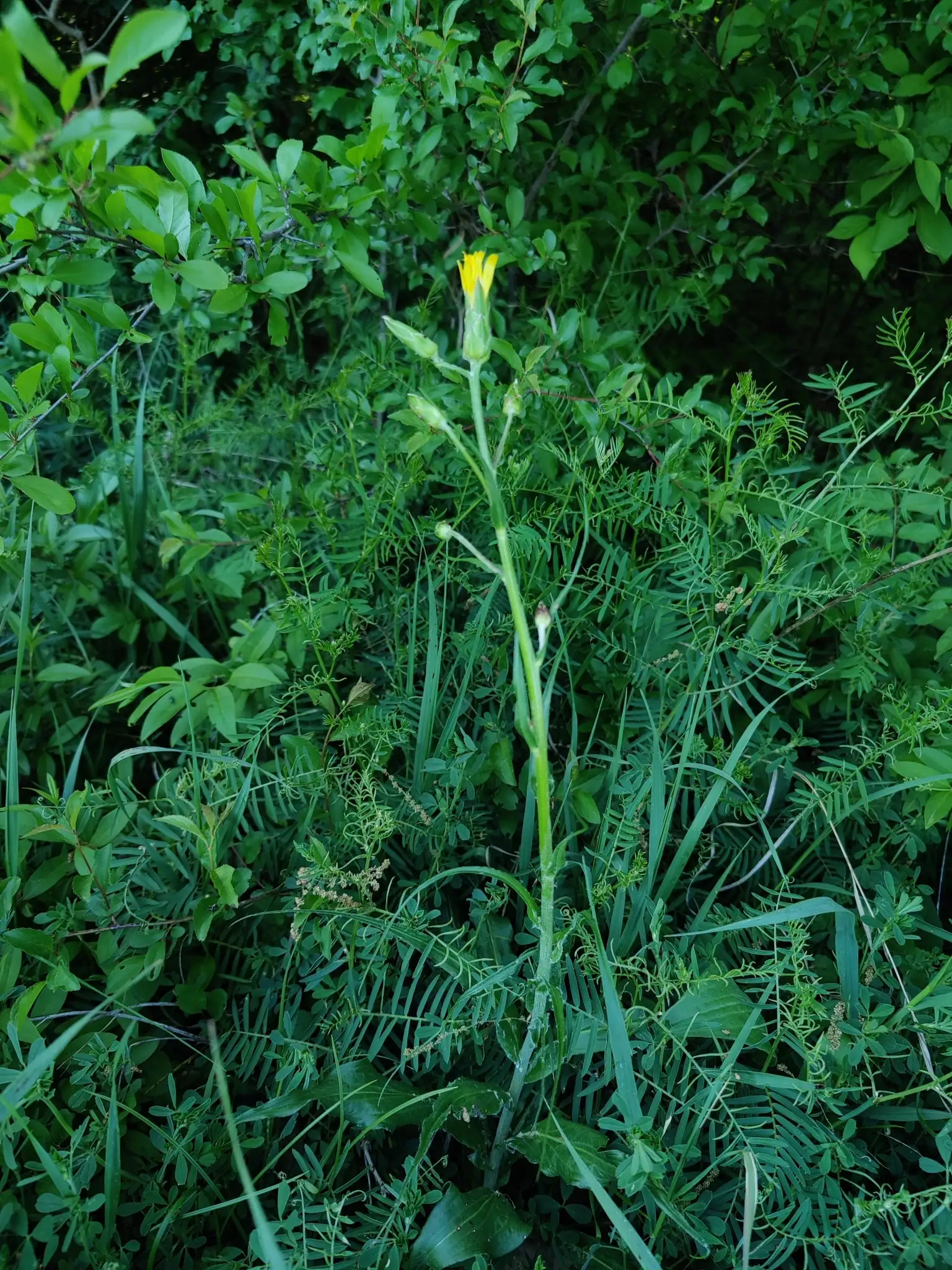

Cómo cultivar y cuidar Black salsify
Pseudopodospermum hispanicum
Escrito por Emilio Marruso · última revisión
De un vistazo
La escorzonera es un cultivo de temporada fresca que se cultiva por sus largas raíces de color marrón negruzco, y sus hojas también sirven para ensaladas. Siémbrala a pleno sol en cuanto la tierra se pueda trabajar en primavera, o en otoño, y mantén el bancal húmedo de forma constante. En 120 días tendrás raíces que se conservan durante meses.
- Sol
Sol pleno
Qué dicen las fuentes (1)
Luz: Pleno sol
Plant salsify and scorzonera in full sun. - Sow seeds in soil rich in organic matter that is well-worked to the depth of 8 to 12 inches (20-30cm).
— How to Plant, Grow, and Harvest Salsify - Harvest to Table [2] - Riego
Mantén la tierra húmeda de forma constante o las raíces se vuelven fibrosas
Qué dicen las fuentes (1)
Notas sobre el riego: Mantén el lecho uniformemente húmedo para evitar raíces fibrosas
Keep salsify and scorzonera planting bed evenly moist to prevent the roots from getting stringy.
— How to Plant, Grow, and Harvest Salsify - Harvest to Table [2] - Distancia
25–38 cm entre hileras
Qué dicen las fuentes (1)
Distancia entre hileras: 25.4-38.1 cm (10-15 pulgadas)
Seeds should be planted about ½ inch deep in rows 10-15 inches apart with plants spaced two inches apart within the row after thinning.
— How to Grow Black Salsify in Your Garden | USU [1] - Abonado
Abona con nitrógeno a mitad del verano, junto a las plantas, y riega después
Qué dicen las fuentes (5)
Cuándo: Mediados del verano (nitrógeno); antes de plantar, después de un análisis de suelo, incorporado a los 15.2 cm [6 in] superiores del suelo
Apply ½ cup of a nitrogen based fertilizer (21-0-0 or 34-0-0) per 25 foot of row in midsummer.
— How to Grow Black Salsify in Your Garden | USU [1] Before planting, determine fertilizer needs with a soil test and then follow the recommendations given with the test report.
— How to Grow Black Salsify in Your Garden | USU [1] If fertilizer applications are warranted, work the fertilizer into the top 6 inches of soil.
— How to Grow Black Salsify in Your Garden | USU [1] Abonos minerales: Fertilizante de nitrógeno (21-0-0 o 34-0-0): 118 mL por 7.62 m [25 ft] de hilera, colocado junto a las plantas y regado
Apply ½ cup of a nitrogen based fertilizer (21-0-0 or 34-0-0) per 25 foot of row in midsummer.
— How to Grow Black Salsify in Your Garden | USU [1] Place the fertilizer to the side of the plants and irrigate it into the soil.
— How to Grow Black Salsify in Your Garden | USU [1] - Cosecha
Saca las raíces en otoño o a principios de primavera: afloja la tierra con una horca y extráelas enteras
Qué dicen las fuentes (2)
Cosecha: Otoño o principios de primavera
Harvest roots in fall or early spring by carefully loosening soil with a fork and lifting entire roots to avoid damage
— How to Grow Black Salsify in Your Garden | USU [1] Cómo cosechar: Cosecha las raíces en otoño o a principios de primavera aflojando cuidadosamente el suelo con un tenedor y levantando las raíces enteras para evitar daños
Harvest roots in fall or early spring by carefully loosening soil with a fork and lifting entire roots to avoid damage—reserve tender leaves for salads while young.
— How to Grow Black Salsify in Your Garden | USU [1] - Plagas
Vigila el pulgón y la roya blanca (manchas amarillas en las hojas)
Qué dicen las fuentes (2)
Plagas: pulgones
Green or black soft-bodied insects that feed on the underside of leaves. Insects that reduce plant yield and vigor and are especially harmful to young plants.
— How to Grow Black Salsify in Your Garden | USU [1] Enfermedades: roya blanca
Yellow spots on upper side of leaves
— How to Grow Black Salsify in Your Garden | USU [1] - Multiplicación
Se multiplica por semilla
Qué dicen las fuentes (1)
Propagación: Semilla
It is propagated via seed in fertile, well-draining soil that is fine textured for the development of long, straight roots.
— Black Salsify Growing - Learn About The Care Of Scorzonera Root Vegetables | Gardening Know How [3] - Siembra
Siembra a 1 cm de profundidad en cuanto la tierra se pueda trabajar en primavera, o en otoño
Qué dicen las fuentes (5)
Siembra: Tan pronto como el suelo pueda trabajarse en primavera, o en otoño
Según Utah State University Extension: Sow black salsify seeds as soon as the soil can be worked in spring , or even in fall, since it needs a 120-day cool-season growing period.
— How to Grow Black Salsify in Your Garden | USU [1] Según Harvest to Table: Sow salsify and scorzonera 2 weeks before the last expected frost in spring when the soil temperature has reached about 40°F (4.4°C).
— How to Plant, Grow, and Harvest Salsify - Harvest to Table [2] Según Slovak University of Agriculture (Nitra): Hadomor is grown from direct sowing, ideally in March, as it has a longer vegetation period
— Black salsify | Encyklopedy FZKI [4] Sow black salsify seeds as soon as the soil can be worked in spring , or even in fall, since it needs a 120-day cool-season growing period.
— How to Grow Black Salsify in Your Garden | USU [1] Profundidad de siembra: 1.27 cm [0,5 in] (½ pulgada)
Seeds should be planted about ½ inch deep in rows 10-15 inches apart with plants spaced two inches apart within the row after thinning.
— How to Grow Black Salsify in Your Garden | USU [1]
Resumen
La salsifí negra (Scorzonera hispanica) es una hortaliza de raíz de estación fría que se cultiva por sus raíces primarias largas y lisas y por sus tiernas hojas de ensalada. [1] Necesita una temporada de crecimiento de unos 120 días y se siembra superficialmente en un suelo suelto, profundo y bien drenado. [1] Las raíces toleran la congelación y pueden desenterrarse y almacenarse o dejarse en el jardín hasta que se necesiten. [1]
Citado en inglés, como en la fuente.
Cuidados
Las medidas entre corchetes son nuestra conversión al otro sistema de unidades; el texto citado no cambia.
Riego
Riego
Las fuentes dan valores distintos según la región, la zona o las condiciones de cultivo.
Lo que dice cada fuente
Según Utah State University Extension: 1-2 pulgadas (2.5-5.1 cm) de agua por semana, suelo húmedo pero no mojado
Según Slovak University of Agriculture (Nitra): Riego solo durante períodos de sequía persistente
Qué dicen las fuentes (2)
Según Utah State University Extension: Irrigate with 1-2 inches per week to maintain a moist, but not wet soil.Según Slovak University of Agriculture (Nitra): Hadomor requires irrigation only during periods of persistent drought.Notas sobre el riego
Mantén el lecho uniformemente húmedo para evitar raíces fibrosas
Qué dicen las fuentes (1)
Keep salsify and scorzonera planting bed evenly moist to prevent the roots from getting stringy.Luz
Pleno sol
Qué dicen las fuentes (1)
Plant salsify and scorzonera in full sun.
- Sow seeds in soil rich in organic matter that is well-worked to the depth of 8 to 12 inches (20-30cm).Dónde cultivarla
Las fuentes dan valores distintos según la región, la zona o las condiciones de cultivo.
Lo que dice cada fuente
Según Utah State University Extension: 5.1 cm (2 pulgadas) en la hilera; hileras separadas 25.4-38.1 cm (10-15 pulgadas)
Según Harvest to Table: 7.6-10.2 cm (3-4 pulgadas) entre plantas; hileras separadas 45.7-61.0 cm (18-24 pulgadas)
Según Slovak University of Agriculture (Nitra): 10 cm [3,9 in] en la hilera; hileras separadas 20 cm [7,9 in]
Qué dicen las fuentes (3)
Según Utah State University Extension: Seeds should be planted about ½ inch deep in rows 10-15 inches apart with plants spaced two inches apart within the row after thinning.Según Harvest to Table: Thin successful seedlings stand 3 to 4 inches (7-10cm) apart.
- Space rows 18 to 24 inches (45-61cm) apart.Según Slovak University of Agriculture (Nitra): it is recommended to sow more densely in rows 0.20 m apart, followed by uniting the plants at a distance of 0.10 m in the rowPropagación
Semilla
Qué dicen las fuentes (1)
It is propagated via seed in fertile, well-draining soil that is fine textured for the development of long, straight roots.Cultivo
Siembra y crecimiento
Profundidad de siembra
1.27 cm [0,5 in] (½ pulgada)
Qué dicen las fuentes (1)
Seeds should be planted about ½ inch deep in rows 10-15 inches apart with plants spaced two inches apart within the row after thinning.Distancia entre hileras
25.4-38.1 cm (10-15 pulgadas)
Qué dicen las fuentes (1)
Seeds should be planted about ½ inch deep in rows 10-15 inches apart with plants spaced two inches apart within the row after thinning.Días hasta la madurez
120 días (período de crecimiento de estación fría desde la siembra)
Qué dicen las fuentes (1)
Sow black salsify seeds as soon as the soil can be worked in spring , or even in fall, since it needs a 120-day cool-season growing period.Cosecha y conservación
Cómo cosechar
Cosecha las raíces en otoño o a principios de primavera aflojando cuidadosamente el suelo con un tenedor y levantando las raíces enteras para evitar daños
Qué dicen las fuentes (1)
Harvest roots in fall or early spring by carefully loosening soil with a fork and lifting entire roots to avoid damage—reserve tender leaves for salads while young.Conservación
Almacena las zanahorias con las hojas cortadas a 0 °C (32 °F) y 95-98% de humedad relativa; las raíces almacenadas correctamente duran unos seis meses
Qué dicen las fuentes (1)
Store roots at 32°F and 95-98% relative humidity. High humidity is important for keeping roots from shriveling. When stored correctly black salsify roots should last about six months.Plagas y enfermedades
Plagas
pulgones
Qué dicen las fuentes (1)
Green or black soft-bodied insects that feed on the underside of leaves. Insects that reduce plant yield and vigor and are especially harmful to young plants.Enfermedades
roya blanca
Qué dicen las fuentes (1)
Yellow spots on upper side of leavesAbonado
Cuándo
Mediados del verano (nitrógeno); antes de plantar, después de un análisis de suelo, incorporado a los 15.2 cm [6 in] superiores del suelo
Qué dicen las fuentes (3)
Apply ½ cup of a nitrogen based fertilizer (21-0-0 or 34-0-0) per 25 foot of row in midsummer.Before planting, determine fertilizer needs with a soil test and then follow the recommendations given with the test report.If fertilizer applications are warranted, work the fertilizer into the top 6 inches of soil.Abonos naturales
Materia orgánica bien compostada: no más de 2.54 cm [1 in] por 9.29 m² de jardín
Qué dicen las fuentes (1)
If you fertilize with compost, apply no more than 1 inch of well-composted organic matter per 100 square feet of garden area.Abonos minerales
Fertilizante de nitrógeno (21-0-0 o 34-0-0): 118 mL por 7.62 m [25 ft] de hilera, colocado junto a las plantas y regado
Qué dicen las fuentes (2)
Apply ½ cup of a nitrogen based fertilizer (21-0-0 or 34-0-0) per 25 foot of row in midsummer.Place the fertilizer to the side of the plants and irrigate it into the soil.Problemas
Pulgones
Síntoma: Insectos de cuerpo blando, verdes o negros, que se alimentan del envés de las hojas
Qué hacer: Insecticidas, jabones insecticidas o un chorro de agua fuerte para desalojar los insectos
Qué dicen las fuentes (1)
Green or black soft-bodied insects that feed on the underside of leaves. Insects that reduce plant yield and vigor and are especially harmful to young plants. | Use appropriate insecticides, insecticidal soaps, or strong water stream to dislodge insects.
— How to Grow Black Salsify in Your Garden | USU [1] Roya blanca
Síntoma: Manchas amarillas en el haz de las hojas
Qué hacer: Fungicidas; reduce los niveles de humedad
Qué dicen las fuentes (1)
Yellow spots on upper side of leaves | Use appropriate fungicides; reduce moisture levels.
— How to Grow Black Salsify in Your Garden | USU [1] Partidura de raíces
Síntoma: Las raíces se parten; se desconocen las causas y el control, el sabor no se ve afectado
Qué hacer: Reduce el estrés de la planta
Qué dicen las fuentes (1)
This is a disorder salsify commonly contracts, but the reasons for it and control are actually unknown.
— How to Grow Black Salsify in Your Garden | USU [1]
Remedios
Cada remedio indica qué dicen las fuentes oficiales; los remedios tradicionales sin fuente oficial aparecen marcados. Los perjudiciales están para que sepas evitarlos.
Cuidar la planta
pulgones
spray de jabón insecticida Funciona
Cómo: Usa jabones insecticidas contra los áfidos.
Use appropriate insecticides, insecticidal soaps, or strong water stream to dislodge insects.
— How to Grow Black Salsify in Your Garden | USU [1] Qué dicen las pruebas Use appropriate insecticides, insecticidal soaps, or strong water stream to dislodge insects.
— How to Grow Black Salsify in Your Garden | USU [1] chorro de agua fuerte Funciona
Cómo: Usa una corriente de agua fuerte para desalojar los insectos.
Use appropriate insecticides, insecticidal soaps, or strong water stream to dislodge insects.
— How to Grow Black Salsify in Your Garden | USU [1] Qué dicen las pruebas Use appropriate insecticides, insecticidal soaps, or strong water stream to dislodge insects.
— How to Grow Black Salsify in Your Garden | USU [1]
Calendario
Siembra
Tan pronto como el suelo pueda trabajarse en primavera, o en otoño
Lo que dice cada fuente
Según Utah State University Extension: Tan pronto como el suelo pueda trabajarse en primavera, o en otoño
Según Harvest to Table: 2 semanas antes de la última helada esperada en primavera, suelo a 40 F (4.4 C); principios de otoño en regiones de invierno suave
Según Slovak University of Agriculture (Nitra): Idealmente en marzo
Qué dicen las fuentes (4)
Según Utah State University Extension: Sow black salsify seeds as soon as the soil can be worked in spring , or even in fall, since it needs a 120-day cool-season growing period.Según Harvest to Table: Sow salsify and scorzonera 2 weeks before the last expected frost in spring when the soil temperature has reached about 40°F (4.4°C).Según Slovak University of Agriculture (Nitra): Hadomor is grown from direct sowing, ideally in March, as it has a longer vegetation periodSow black salsify seeds as soon as the soil can be worked in spring , or even in fall, since it needs a 120-day cool-season growing period.Cosecha
Otoño o principios de primavera
Qué dicen las fuentes (1)
Harvest roots in fall or early spring by carefully loosening soil with a fork and lifting entire roots to avoid damageMeses tal como los dan las fuentes, en su mayoría de Estados Unidos (hemisferio norte). En el hemisferio sur se desplazan unos seis meses.
Comestibilidad
Según la fuente, citada textualmente. No comas una planta basándote solo en esta página: los errores de identificación pueden ser peligrosos.
Plantas similares
- Bananero de Etiopía Ensete ventricosum
- Agretti Soda inermis
- Apio caballar Smyrnium olusatrum
- Allium triquetrum Allium triquetrum
- Alpine dock Rumex alpinus
- Bledo Amaranthus hybridus
- American hogpeanut Amphicarpaea bracteata
- American Yellow Rocket Barbarea orthoceras
Fuentes
Cada valor anterior se cita de estos documentos. Los enlaces llevan al editor original.
- How to Grow Black Salsify in Your Garden | USU · extension.usu.edu, consultado
- How to Plant, Grow, and Harvest Salsify - Harvest to Table · harvesttotable.com, consultado
- Black Salsify Growing - Learn About The Care Of Scorzonera Root Vegetables | Gardening Know How · gardeningknowhow.com, consultado
- Black salsify | Encyklopedy FZKI · hortiedu.uniag.sk, consultado
Escrito por Emilio Marruso · última revisión