
Cómo cultivar y cuidar Zarzamora
Rubus fruticosus
Escrito por Emilio Marruso · última revisión
De un vistazo
Las moras son una dulce recompensa para un rincón soleado. Plántalas a principios de primavera, de 4 a 6 semanas antes de la última helada, dales 2,5 cm de agua a la semana si no llueve lo suficiente y abónalas dos veces al año. Una vez arraigadas aguantan la sequía, y sabrás que están listas cuando pierdan el brillo y se vuelvan algo mates.
- Sol
Sol pleno
Qué dicen las fuentes (1)
Luz: Pleno sol
Blackberries should be planted in full sun for optimal plant health and production.
— Blackberry | Home & Garden Information Center [1] - Riego
2,5 cm de agua a la semana si no llueve; más riego al arraigar y durante la fructificación
Qué dicen las fuentes (2)
Riego: Alrededor de 1 pulgada [2,5 cm] de agua por semana mediante riego si la lluvia no cubre la necesidad
Apply about 1 inch of water per week by irrigation if rainfall does not meet the need.
— Blackberry | Home & Garden Information Center [1] Notas sobre el riego: Tolerante a la sequía, pero necesita bastante agua durante el establecimiento y la fructificación
Though blackberries are drought-tolerant, they require considerable water during the establishment and fruiting period.
— Blackberry | Home & Garden Information Center [1] - Frío
Necesita 200–900 horas de frío invernal entre 0 y 7 °C, según la variedad
Qué dicen las fuentes (11)
Horas de frío: 200–900 horas entre 0 y 7,2 °C [32–45 °F]
cultivo «Cane Berries»: Cane Berries Chill hours: 200 to 800 Blackberry Blackberries are adapted to all three zones.
— [2] cultivo «Blackberry»: Fruit Crop Chilling Hours Required Apples 200–1,000 Blackberry 200–600 Blueberry 150–700
— [3] cultivo «blackberry»: Current blackberry cultivars require 300 to 900 chill hours below 45°F (McWhirt 2016).
— [4] cultivar 'Navaho': Navaho * Thornless. Mid-late season harvest with good storage potential. Moderate yield with small to medium size fruit. Susceptible to orange rust. Requires an estimated 800 hours of chill.
— [5] cultivar 'Natchez': Natchez * Thornless. Early season harvest, very large fruit. Strong growing canes, which must be winter pruned to avoid over-cropping. Low chill requirements, estimated to be around 300 hours.
— [5] Cane Berries Chill hours: 200 to 800 Blackberry Blackberries are adapted to all three zones.
— [2] Fruit Crop Chilling Hours Required Apples 200–1,000 Blackberry 200–600 Blueberry 150–700
— [3] Current blackberry cultivars require 300 to 900 chill hours below 45°F (McWhirt 2016).
— [4] Chill hours are accumulated from November through February when temperatures are between 32° and 45°F.
— [2] Different models exist to estimate chilling. One model defines a chill hour as each hour below 45°F starting on October 1.
— [3] Current blackberry cultivars require 300 to 900 chill hours below 45°F (McWhirt 2016).
— [4] - Suelo
Suelo ligeramente ácido, pH 6,0–6,5
Qué dicen las fuentes (2)
pH del suelo, mínimo: 6.0
Blackberries should be planted in well-drained soils with a pH in the 6.0-6.5 range.
— Blackberry | Home & Garden Information Center [1] pH del suelo, máximo: 6.5
Blackberries should be planted in well-drained soils with a pH in the 6.0-6.5 range.
— Blackberry | Home & Garden Information Center [1] - Distancia
3 m entre hileras
Qué dicen las fuentes (1)
Distancia entre hileras: 304.8 cm (10 pies)
Semi-trailing varieties should be planted 6 to 8 feet apart in the row, with rows 10 feet apart.
— Blackberry | Home & Garden Information Center [1] - Plantación
A principios de primavera, de 4 a 6 semanas antes de la última helada
Qué dicen las fuentes (1)
Plantación: Principios de primavera, unas 4 a 6 semanas antes de la última helada
Plant blackberries in early spring, about 4 to 6 weeks before the last frost.
— Blackberry | Home & Garden Information Center [1] - Abonado
Dos veces al año: al brotar en primavera y justo tras la cosecha; añade compost al plantar
Qué dicen las fuentes (3)
Cuándo: A principios de primavera cuando comienza el crecimiento, y nuevamente justo después de la cosecha
Fertilize blackberries in early spring when growth starts and again just after harvest.
— Blackberry | Home & Garden Information Center [1] Frecuencia: Dos veces al año.
Fertilize blackberries in early spring when growth starts and again just after harvest.
— Blackberry | Home & Garden Information Center [1] Abonos naturales: Compost mezclado con tierra nativa en el hoyo de plantación
Amend each planting hole with a mix of compost and native soil.
— Blackberry | Home & Garden Information Center [1] - Poda
En reposo invernal, quita las cañas muertas, enfermas o débiles
Qué dicen las fuentes (1)
Poda: Temporada de reposo (frambuesas muertas, enfermas o débiles)
Prune out and discard dead, diseased, or weak floricanes during the dormant season.
— Blackberry | Home & Garden Information Center [1] - Cosecha
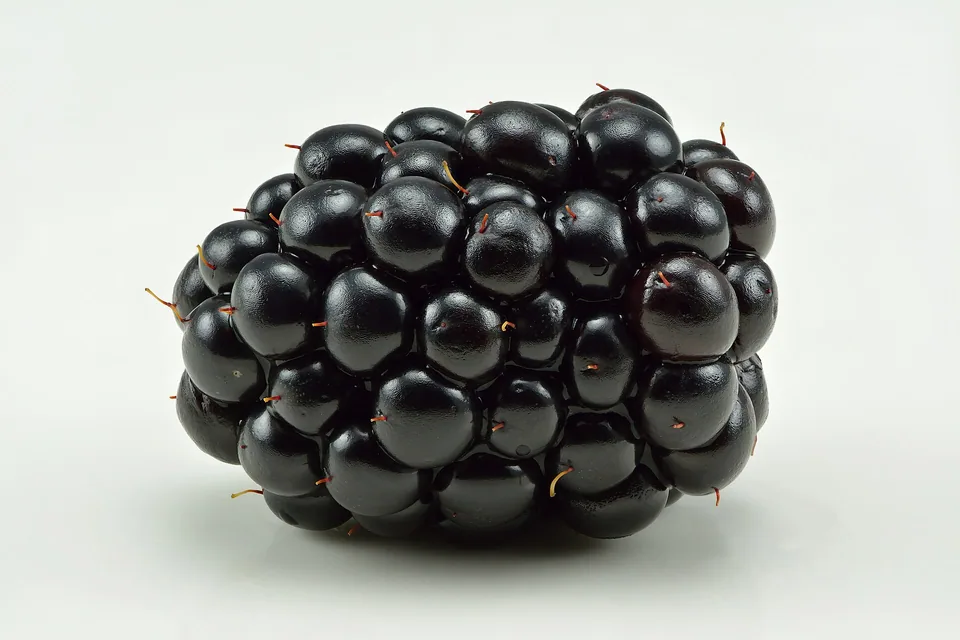
Recoge las moras cuando pierdan el brillo y se vuelvan algo mates; refrigéralas enseguida
Qué dicen las fuentes (2)
Cómo cosechar: Recoge las bayas cuando pierden su brillo y se vuelven ligeramente opacas
Blackberries are ripe and at peak flavor when they lose their glossy shine and turn slightly dull.
— Blackberry | Home & Garden Information Center [1] Conservación: Refrigera las bayas después de la cosecha para eliminar el calor del campo; guárdalas en un contenedor transpirable con no más de 2 a 3 bayas de profundidad.
Once harvested, refrigerate berries to remove field heat. The faster the field heat is removed, the longer shelf-life the berry will have. Store berries in a breathable container with no more than a 2 to 3 berry depth.
— Blackberry | Home & Garden Information Center [1] - Plagas
Pulgones, escarabajo japonés, chinches y araña roja; también enfermedades de las cañas y agalla del cuello
Qué dicen las fuentes (2)
Plagas: áfidos, escarabajos japoneses, chinches apestosas, drosophila de alas manchadas, ácaros araña
Pests that are commonly problematic on blackberries include aphids, Japanese beetles, stink bugs, spotted-wing drosophila, and spider mites.
— Blackberry | Home & Garden Information Center [1] Enfermedades: agalla de corona, marchitez por fusarium, mancha de antracnosis en caña, tizón de la caña, roya de la caña, mancha anaranjada de la caña
Crown diseases include crown gall and fusarium wilt. Cane diseases include Anthracnose cane spot, cane blight, cane rust, and orange cane blotch.
— Blackberry | Home & Garden Information Center [1]
Resumen
La mora se cultiva a pleno sol en suelo bien drenado con un pH de 6.0-6.5. [1] Las flores frutales se eliminan después de la fructificación y se aclaran durante la temporada de reposo. [1] Las plantas se colocan a principios de primavera y necesitan aproximadamente 1 pulgada [2,5 cm] de agua por semana cuando la lluvia es escasa. [1]
Citado en inglés, como en la fuente.
Esta ficha está incompleta: las fuentes consultadas aún no cubren todos los campos.
Aún no cubierto por nuestras fuentes: Distancia de plantación, Propagación
Cuidados
Las medidas entre corchetes son nuestra conversión al otro sistema de unidades; el texto citado no cambia.
Riego
Riego
Alrededor de 1 pulgada [2,5 cm] de agua por semana mediante riego si la lluvia no cubre la necesidad
Qué dicen las fuentes (1)
Apply about 1 inch of water per week by irrigation if rainfall does not meet the need.Notas sobre el riego
Tolerante a la sequía, pero necesita bastante agua durante el establecimiento y la fructificación
Qué dicen las fuentes (1)
Though blackberries are drought-tolerant, they require considerable water during the establishment and fruiting period.Luz
Pleno sol
Qué dicen las fuentes (1)
Blackberries should be planted in full sun for optimal plant health and production.Suelo
pH del suelo, mínimo
6.0
Qué dicen las fuentes (1)
Blackberries should be planted in well-drained soils with a pH in the 6.0-6.5 range.pH del suelo, máximo
6.5
Qué dicen las fuentes (1)
Blackberries should be planted in well-drained soils with a pH in the 6.0-6.5 range.Dónde cultivarla
Las fuentes dan valores distintos según la región, la zona o las condiciones de cultivo.
Lo que dice cada fuente
variedades semirrastreras: 183-244 cm en la hilera (6-8 pies), hileras a 305 cm (10 pies) de distancia
variedades erectas: 61-122 cm en la hilera (2-4 pies), hileras a 305 cm (10 pies) de distancia
Qué dicen las fuentes (2)
variedades semirrastreras: Semi-trailing varieties should be planted 6 to 8 feet apart in the row, with rows 10 feet apart.variedades erectas: Erect varieties should be planted 2 to 4 feet apart in the row and 10 feet between rows.Propagación
No figura en las fuentes consultadas.
Cultivo
Siembra y crecimiento
Distancia entre hileras
304.8 cm (10 pies)
Qué dicen las fuentes (1)
Semi-trailing varieties should be planted 6 to 8 feet apart in the row, with rows 10 feet apart.Cosecha y conservación
Cómo cosechar
Recoge las bayas cuando pierden su brillo y se vuelven ligeramente opacas
Qué dicen las fuentes (1)
Blackberries are ripe and at peak flavor when they lose their glossy shine and turn slightly dull.Conservación
Refrigera las bayas después de la cosecha para eliminar el calor del campo; guárdalas en un contenedor transpirable con no más de 2 a 3 bayas de profundidad.
Qué dicen las fuentes (1)
Once harvested, refrigerate berries to remove field heat. The faster the field heat is removed, the longer shelf-life the berry will have. Store berries in a breathable container with no more than a 2 to 3 berry depth.Plagas y enfermedades
Plagas
áfidos, escarabajos japoneses, chinches apestosas, drosophila de alas manchadas, ácaros araña
Qué dicen las fuentes (1)
Pests that are commonly problematic on blackberries include aphids, Japanese beetles, stink bugs, spotted-wing drosophila, and spider mites.Enfermedades
agalla de corona, marchitez por fusarium, mancha de antracnosis en caña, tizón de la caña, roya de la caña, mancha anaranjada de la caña
Qué dicen las fuentes (1)
Crown diseases include crown gall and fusarium wilt. Cane diseases include Anthracnose cane spot, cane blight, cane rust, and orange cane blotch.Abonado
Cuándo
A principios de primavera cuando comienza el crecimiento, y nuevamente justo después de la cosecha
Qué dicen las fuentes (1)
Fertilize blackberries in early spring when growth starts and again just after harvest.Frecuencia
Dos veces al año.
Qué dicen las fuentes (1)
Fertilize blackberries in early spring when growth starts and again just after harvest.Abonos naturales
Compost mezclado con tierra nativa en el hoyo de plantación
Qué dicen las fuentes (1)
Amend each planting hole with a mix of compost and native soil.Frío invernal
Horas de frío
200–900 horas entre 0 y 7,2 °C [32–45 °F]
Lo que dice cada fuente
cultivo «Cane Berries»: 200–800 horas
cultivo «Blackberry»: 200–600 horas
cultivo «blackberry»: 300–900 horas
cultivar 'Navaho': 800 horas
cultivar 'Natchez': 300 horas
Qué dicen las fuentes (11)
cultivo «Cane Berries»: Cane Berries Chill hours: 200 to 800 Blackberry Blackberries are adapted to all three zones.cultivo «Blackberry»: Fruit Crop Chilling Hours Required Apples 200–1,000 Blackberry 200–600 Blueberry 150–700cultivo «blackberry»: Current blackberry cultivars require 300 to 900 chill hours below 45°F (McWhirt 2016).cultivar 'Navaho': Navaho * Thornless. Mid-late season harvest with good storage potential. Moderate yield with small to medium size fruit. Susceptible to orange rust. Requires an estimated 800 hours of chill.cultivar 'Natchez': Natchez * Thornless. Early season harvest, very large fruit. Strong growing canes, which must be winter pruned to avoid over-cropping. Low chill requirements, estimated to be around 300 hours.Cane Berries Chill hours: 200 to 800 Blackberry Blackberries are adapted to all three zones.Fruit Crop Chilling Hours Required Apples 200–1,000 Blackberry 200–600 Blueberry 150–700Current blackberry cultivars require 300 to 900 chill hours below 45°F (McWhirt 2016).Chill hours are accumulated from November through February when temperatures are between 32° and 45°F.Different models exist to estimate chilling. One model defines a chill hour as each hour below 45°F starting on October 1.Current blackberry cultivars require 300 to 900 chill hours below 45°F (McWhirt 2016).Problemas
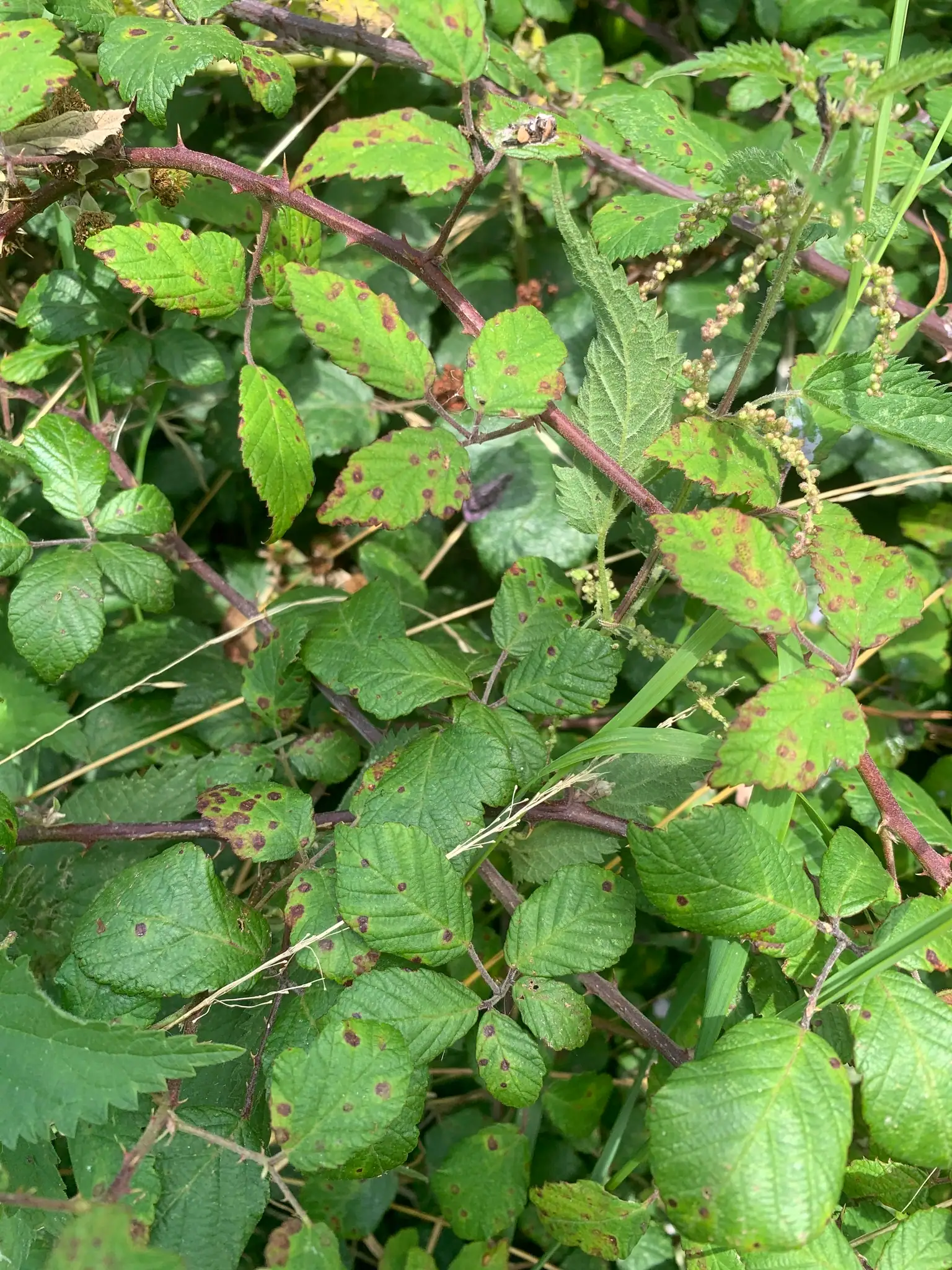
Arañitas rojas
Síntoma: Picaduras en las hojas
Qué hacer: Control biológico y eliminación mecánica de plagas
Qué dicen las fuentes (2)
Stippling of the leaves is a classic symptom of spider mite damage on blackberry foliage.
— Blackberry | Home & Garden Information Center [1] Biological control and mechanical removal of these pests are often enough to minimize damage.
— Blackberry | Home & Garden Information Center [1]
Remedios
Cada remedio indica qué dicen las fuentes oficiales; los remedios tradicionales sin fuente oficial aparecen marcados. Los perjudiciales están para que sepas evitarlos.
Cuidar la planta
pulgones, escarabajos japoneses, chinches apestosas, arañas rojas
eliminación mecánica de plagas Funciona en parte
Cómo: El control biológico y la eliminación mecánica de las plagas suelen ser suficientes para minimizar el daño.
Biological control and mechanical removal of these pests are often enough to minimize damage.
— Blackberry | Home & Garden Information Center [1] Qué dicen las pruebas Biological control and mechanical removal of these pests are often enough to minimize damage.
— Blackberry | Home & Garden Information Center [1]
mosca del vinagre de alas manchadas
Retira la fruta madura y la demasiado madura. Fuente oficial, sin prueba independiente
Cómo: Retira la fruta a medida que madura y no dejes fruta demasiado madura en la planta.
Another insect management tool is removing fruit as they ripen and not leaving overripe fruit on the plant.
— Blackberry | Home & Garden Information Center [1]
enfermedades de la zarzamora
eliminación de tejido infectado Fuente oficial, sin prueba independiente
Cómo: Una vez que se desarrolla una enfermedad, retira el tejido infectado del jardín y deséchalo.
Once a disease develops, remove infected tissue from the garden and throw it away, reducing the spread of the disease.
— Blackberry | Home & Garden Information Center [1]
Cómo eliminarla
plántulas de zarza
Arranca o saca las plántulas con un tenedor de jardín. Funciona en parte
It is an offence under the Wildlife & Countryside Act 1981 to damage or destroy the nest of any wild bird while it is in use or being built.
— rhs.org.uk [6] Cómo: Retira rápidamente cualquier plántula de zarza que aparezca en primavera, antes de que tengan la oportunidad de establecerse.
Pull or fork out seedlings – promptly remove any bramble seedlings that appear in spring, before they have a chance to get established.
— rhs.org.uk [6] Qué dicen las pruebas Small infestations can be removed by hand-pulling or mechanical grubbing.
— ipm.ucanr.edu [7] Cubrimiento orgánico sobre suelo desnudo Fuente oficial, sin prueba independiente
Cómo: Cubre el suelo desnudo en camas y bordes con una capa de 7,5 cm (3 pulgadas) de profundidad de materia orgánica a fines del invierno o principios de la primavera.
borders – cover bare soil in beds and borders with a 7.5cm (3in) deep layer of organic matter in late winter or early spring. This makes it easier to pull out bramble seedlings.
— rhs.org.uk [6]
zarzas establecidas
Corta los tallos y desentierra el tocón y las raíces Funciona en parte
It is an offence under the Wildlife & Countryside Act 1981 to damage or destroy the nest of any wild bird while it is in use or being built.
— rhs.org.uk [6] it is best not to put any roots, seedlings or whole lengths of stem in your home compost bin as it may not reach high enough temperatures to kill them.
— rhs.org.uk [6] Cómo: Acorta todos los tallos hasta unos 30 cm (1 pie), luego desentierra el tocón principal y tantas raíces como sea posible, y vigila el rebrote.
Once all stems are cut and cleared, use a sharp spade and border fork to dig out the main stump and as many roots as possible.
— rhs.org.uk [6] Qué dicen las pruebas Digging out roots (cultivation) only once, however, can fragment the rhizomes and spread the weed.
— ipm.ucanr.edu [7]
Calendario
Plantación
Principios de primavera, unas 4 a 6 semanas antes de la última helada
Qué dicen las fuentes (1)
Plant blackberries in early spring, about 4 to 6 weeks before the last frost.Cosecha
Las variedades rastreras y semirrastreras comienzan a madurar a fines de junio en el Piedmont
Qué dicen las fuentes (1)
Trailing and semi-trailing varieties begin to ripen in late June in the PiedmontPoda
Temporada de reposo (frambuesas muertas, enfermas o débiles)
Qué dicen las fuentes (1)
Prune out and discard dead, diseased, or weak floricanes during the dormant season.Meses tal como los dan las fuentes, en su mayoría de Estados Unidos (hemisferio norte). En el hemisferio sur se desplazan unos seis meses.
Respecto a las heladas
Estimación menos precisa: no hay ninguna estación meteorológica a menos de 300 km.
Busca las fechas de heladas por código postal o ciudad
Plantación: de 4 a 6 semanas antes de la última helada
Plant blackberries in early spring, about 4 to 6 weeks before the last frost.
— Blackberry | Home & Garden Information Center [1]
Cuenta desde las fechas medias de las heladas de tu zona.
Comestibilidad
Según la fuente, citada textualmente. No comas una planta basándote solo en esta página: los errores de identificación pueden ser peligrosos.
Blackberries are ripe and at peak flavor when they lose their glossy shine and turn slightly dull.
[1]
Plantas similares
- Blackberry Rubus allegheniensis
- Blackberry Rubus bifrons
- Blackberry Rubus canadensis
- Blackberry Rubus cuneifolius
- Blackberry Rubus laciniatus
- Blackberry Rubus pascuus
- Blackberry Rubus pensilvanicus
- Creeping Raspberry Rubus rolfei
Fuentes
Cada valor anterior se cita de estos documentos. Los enlaces llevan al editor original.
- Blackberry | Home & Garden Information Center · hgic.clemson.edu, consultado
- escholarship.org · escholarship.org
- extension.msstate.edu · extension.msstate.edu
- edis.ifas.ufl.edu · edis.ifas.ufl.edu
- content.ces.ncsu.edu · content.ces.ncsu.edu
- rhs.org.uk · rhs.org.uk
- ipm.ucanr.edu · ipm.ucanr.edu
Escrito por Emilio Marruso · última revisión