
Cómo cultivar y cuidar Sweet Box
Sarcococca confusa
Escrito por Emilio Marruso · última revisión
Tóxica para: Gatos, Perros, Caballos · Por qué
De un vistazo
La sarcococa es un arbusto hecho para los rincones sombríos del jardín: vive feliz en sombra o semisombra y, una vez asentada, tolera la sombra seca. Florece en febrero y marzo, alcanza 0,9–1,5 m de alto y de ancho y casi nunca necesita poda. Plántala de septiembre a noviembre en un lugar resguardado y te acompañará durante años.
- Sol
Sombra o semisombra; sol solo si la tierra se mantiene húmeda
Qué dicen las fuentes (3)
Luz: De pleno sol a semisombra; tolera el sol si el suelo permanece húmedo
This shrub prefers full to partial shade and tolerates most soil and pH types.
— Sarcococca confusa (Fragrant Sarcococca, Sweet Box) | North Carolina Extension Gardener Plant Toolbox [1] Preferring full or partial shade, they are ideal for a troublesome north-facing spot or in the shade of a tree.
— Grow Sweet Box For Winter Interest In The Colder Months - Horticulturists Share How | Horticulture.co.uk [6] It can cope with a sunny location, provided there is sufficient moisture in the soil, but in full sun the leaves can lose their intense colour.
— Perfumed Shrub Ticks Multiple Boxes | Dunedin Botanic Garden Official Website [4] - Riego
Mantén la tierra húmeda; riega bien en épocas secas durante las dos primeras temporadas
Qué dicen las fuentes (6)
Riego: Mantén el suelo húmedo pero bien drenado; tolera la sequía si se planta en sombra
plantas cultivadas en contenedor: However, when grown in a pot or container it can be easy for them to dry out, with their leaves turning crinkly and yellow or brown, unless watered deeply and often during the summer months.
— Grow Sweet Box For Winter Interest In The Colder Months - Horticulturists Share How | Horticulture.co.uk [6] The shrub is resistant to deer and rabbits and is tolerant of pollution and drought if planted in the shade.
— Sarcococca confusa (Fragrant Sarcococca, Sweet Box) | North Carolina Extension Gardener Plant Toolbox [1] S. confusa is a tolerant shrub and will cope well when grown in most soil types, whether clay, loam, chalk or sand, as long as it is free-draining and can be kept moist.
— Grow Sweet Box For Winter Interest In The Colder Months - Horticulturists Share How | Horticulture.co.uk [6] Sequía: Tolera la sombra seca y la sequía una vez establecido, cuando se planta en sombra; riega bien durante los períodos secos las primeras temporadas después de plantar.
Sarcococcas like rich, moisture-retentive soil, but will tolerate dry shade once established
— [8] The shrub is resistant to deer and rabbits and is tolerant of pollution and drought if planted in the shade.
— Sarcococca confusa (Fragrant Sarcococca, Sweet Box) | North Carolina Extension Gardener Plant Toolbox [1] For the first couple of seasons after planting, water well during dry spells, aiming to keep the soil moist but not soggy.
— [8] - Frío
Aguanta inviernos de hasta −20,6 °C (−5 °F)
Muy rústica · USDA 6b · RHS H7 · Z6
Qué dicen las fuentes (2)
Rusticidad, zona más fría: 6b [mínima invernal de −20,6 a −17,8 °C (de −5 a 0 °F)]
USDA Plant Hardiness Zone: 6b, 7a, 7b, 8a, 8b, 9a, 9b
— Sarcococca confusa (Fragrant Sarcococca, Sweet Box) | North Carolina Extension Gardener Plant Toolbox [1] Rusticidad, zona más cálida: 9b [mínima invernal de −3,9 a −1,1 °C (de 25 a 30 °F)]
USDA Plant Hardiness Zone: 6b, 7a, 7b, 8a, 8b, 9a, 9b
— Sarcococca confusa (Fragrant Sarcococca, Sweet Box) | North Carolina Extension Gardener Plant Toolbox [1] - Plantación
De septiembre a noviembre; en maceta, casi en cualquier momento salvo con suelo helado o encharcado
Qué dicen las fuentes (4)
Plantación: De septiembre a noviembre; las plantas en maceta casi cualquier época excepto cuando el suelo está congelado o encharcado
Según BBC Gardeners' World: Jun | Jul | Aug | Sep | Oct | Nov | Dec | Plant | | | | | | | | | yes | yes | yes |
— Sarcococca confusa | BBC Gardeners World Magazine [5] arbustos en maceta: Commonly available as a potted shrub, sarcococcas can be planted at almost any time of year, except when the ground is frozen or waterlogged.
— Grow Sweet Box For Winter Interest In The Colder Months - Horticulturists Share How | Horticulture.co.uk [6] Commonly available as a potted shrub, sarcococcas can be planted at almost any time of year, except when the ground is frozen or waterlogged.
— Grow Sweet Box For Winter Interest In The Colder Months - Horticulturists Share How | Horticulture.co.uk [6] Jun | Jul | Aug | Sep | Oct | Nov | Dec | Plant | | | | | | | | | yes | yes | yes |
— Sarcococca confusa | BBC Gardeners World Magazine [5] - Abonado
Abona a principios de primavera si hace falta; acolcha cada año con 5 cm de compost o estiércol maduro
Qué dicen las fuentes (3)
Cuándo: A principios de primavera, si la planta necesita un impulso
If your plant needs a boost, feed in early spring with a general-purpose fertiliser
— [8] Abonos naturales: Estiércol de granja bien descompuesto o compost de jardín: incorporado al suelo seco y pobre antes de plantar, y como mantillo anual de 5 cm [2 in] de grosor
If you have dry, poor soil, improve it with well-rotted organic matter such as farmyard manure or garden compost before planting, and mulch the surface afterwards with a 5cm (2in) layer
— [8] Particularly in dry locations, plants will benefit from an annual mulch . Apply well-rotted farmyard manure or garden compost to damp soil around the plant, in a 5cm (2in) thick layer
— [8] - Poda
Casi nunca hace falta; si crece demasiado, pódala justo después de florecer, en febrero–marzo
Qué dicen las fuentes (4)
Cuándo podar: Por lo general no se necesita poda; si la planta crece demasiado para su espacio, poda en primavera después de la floración.
As sarcococcas are low-growing shrubs, they don’t generally need pruning.
— [8] But if a plant gets too large for its space, you can prune in spring after flowering.
— [8] Poda: Justo después de la floración (febrero-marzo); ramas muertas o dañadas a mediados de la primavera
However, they can be pruned with a clean and sharp pair of secateurs or shears right after flowering in February or March to keep them to size and shape.
— Grow Sweet Box For Winter Interest In The Colder Months - Horticulturists Share How | Horticulture.co.uk [6] During mid-spring prune dead or damaged branches. Prune for symmetry after flowering.
— Sarcococca confusa | SWEET BOX [3] - Atención
Protégela de los vientos fríos y secos; las hojas amarillas y arrugadas piden más sombra
- Tamaño
0,9–1,5 m de alto y de ancho
Qué dicen las fuentes (2)
Altura adulta: 91-152 cm (3-5 pies)
The fragrant sarcococca is a bushy broadleaf evergreen shrub that measures 3 to 5 feet tall and as wide.
— Sarcococca confusa (Fragrant Sarcococca, Sweet Box) | North Carolina Extension Gardener Plant Toolbox [1] Anchura adulta: 91-152 cm (3-5 pies)
The fragrant sarcococca is a bushy broadleaf evergreen shrub that measures 3 to 5 feet tall and as wide.
— Sarcococca confusa (Fragrant Sarcococca, Sweet Box) | North Carolina Extension Gardener Plant Toolbox [1] - Multiplicación
Por hijuelos, esquejes semileñosos a finales de verano o semillas
Qué dicen las fuentes (5)
Propagación: Chupones; esquejes de madera semidura; semilla
Perhaps the easiest method of increasing your sweet box stock, either for the garden or to give away to family and friends, is by using the suckers.
— Grow Sweet Box For Winter Interest In The Colder Months - Horticulturists Share How | Horticulture.co.uk [6] Sweet box can also be propagated by semi-hardwood cuttings taken at the end of the summer or in early autumn.
— Grow Sweet Box For Winter Interest In The Colder Months - Horticulturists Share How | Horticulture.co.uk [6] Sow seed into containers in spring or autumn and place in cold frame.
— Sarcococca confusa | SWEET BOX [3] Esquejes: Esquejes de madera semidura a finales del verano; esquejes de madera verde con nudo en primavera o esquejes semimaduros más tarde en la temporada.
Propagate by semi- hardwood cuttings in late summer or propagate by seed sown in containers outdoors in autumn or spring
— [9] Take nodal greenwood cuttings in spring, or semi-ripe cuttings later in the season
— [8] - Siembra
Siembra en primavera u otoño, en macetas dentro de una cajonera fría
Qué dicen las fuentes (1)
Siembra: Primavera u otoño, en contenedores dentro de un marco frío
Sow seed into containers in spring or autumn and place in cold frame.
— Sarcococca confusa | SWEET BOX [3] - Maceta
Crece en maceta; en verano riega a fondo y a menudo
Qué dicen las fuentes (4)
En maceta: Sí
A tough and easy-to-grow evergreen shrub, it needs little care and grows equally well when planted in a border or in a pot.
— Grow Sweet Box For Winter Interest In The Colder Months - Horticulturists Share How | Horticulture.co.uk [6] Riego: Mantén el suelo húmedo pero bien drenado; tolera la sequía si se planta en sombra
plantas cultivadas en contenedor: However, when grown in a pot or container it can be easy for them to dry out, with their leaves turning crinkly and yellow or brown, unless watered deeply and often during the summer months.
— Grow Sweet Box For Winter Interest In The Colder Months - Horticulturists Share How | Horticulture.co.uk [6] The shrub is resistant to deer and rabbits and is tolerant of pollution and drought if planted in the shade.
— Sarcococca confusa (Fragrant Sarcococca, Sweet Box) | North Carolina Extension Gardener Plant Toolbox [1] S. confusa is a tolerant shrub and will cope well when grown in most soil types, whether clay, loam, chalk or sand, as long as it is free-draining and can be kept moist.
— Grow Sweet Box For Winter Interest In The Colder Months - Horticulturists Share How | Horticulture.co.uk [6] - Seguridad
Sin toxicidad conocida para gatos, perros ni caballos
Resumen
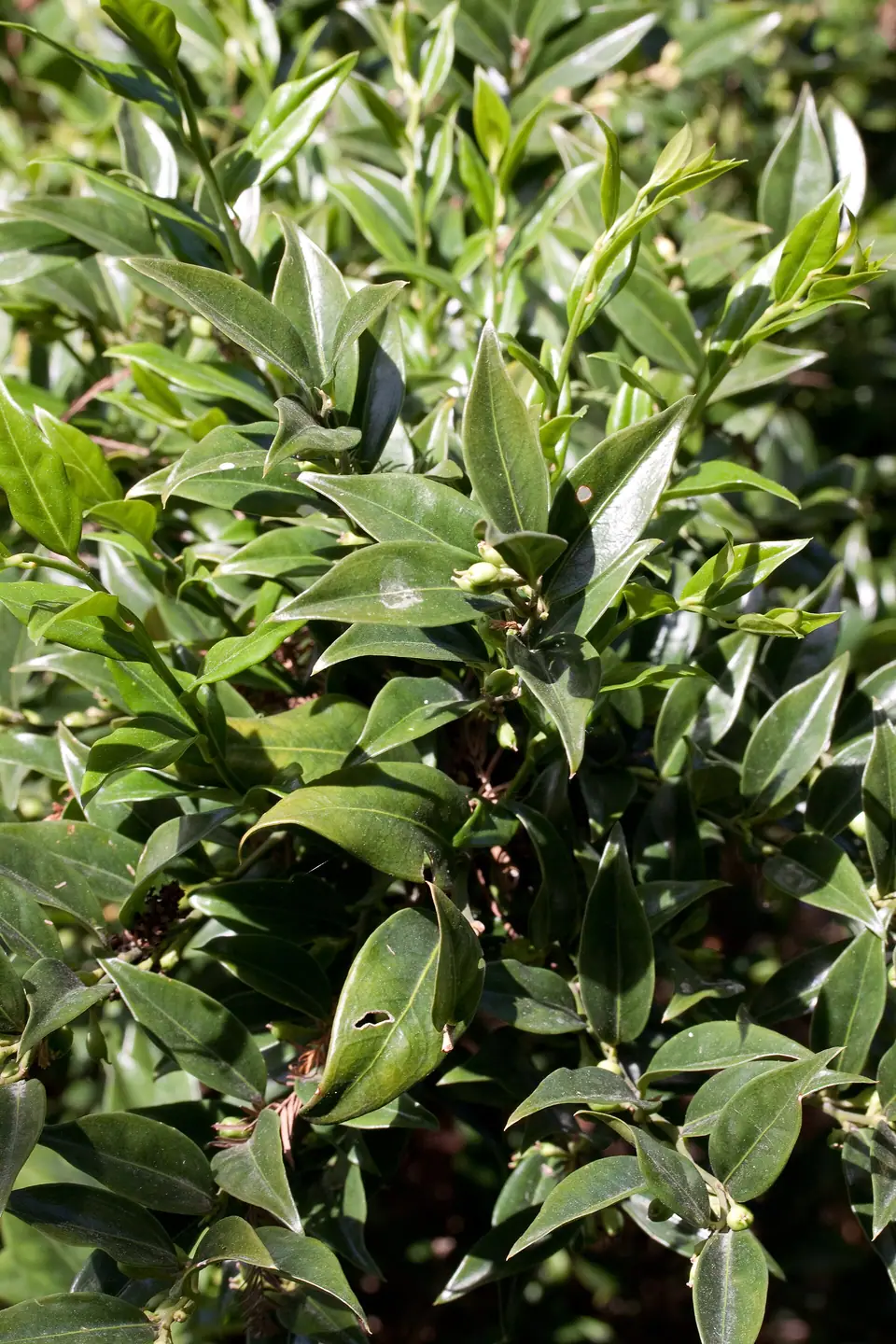
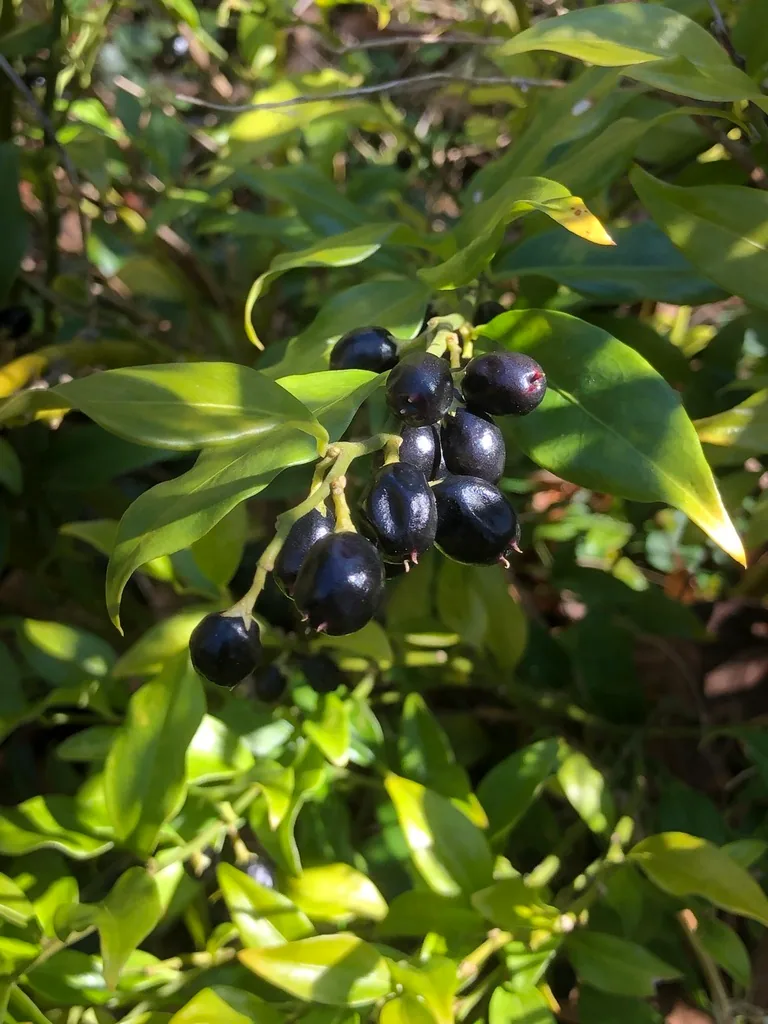
El boj dulce es un arbusto de hoja perenne y densa con pequeñas flores de color blanco crema, dulcemente fragantes, en invierno, seguidas de bayas que se vuelven negras. [1] Crece mejor a pleno sol o semisombra en suelo húmedo y bien drenado y es resistente en las zonas USDA 6b-9b. [1] Se puede cultivar en un borde o en una maceta y usarse como seto bajo. [6]
Citado en inglés, como en la fuente.
Cuidados
Riego
Riego
Mantén el suelo húmedo pero bien drenado; tolera la sequía si se planta en sombra
Lo que dice cada fuente
plantas cultivadas en contenedor: Riega profundamente y con frecuencia durante los meses de verano
Qué dicen las fuentes (3)
plantas cultivadas en contenedor: However, when grown in a pot or container it can be easy for them to dry out, with their leaves turning crinkly and yellow or brown, unless watered deeply and often during the summer months.The shrub is resistant to deer and rabbits and is tolerant of pollution and drought if planted in the shade.S. confusa is a tolerant shrub and will cope well when grown in most soil types, whether clay, loam, chalk or sand, as long as it is free-draining and can be kept moist.Notas sobre el riego
Necesita suficiente humedad para establecerse, especialmente cuando se planta en meses cálidos; las plantas en suelo seco pueden sufrir hasta que se establezcan
Qué dicen las fuentes (2)
Care must be taken if planting during the warmer months though as they will need enough moisture to help them get established and not dry out.Make sure your Sarcococca is planted moist but well-drained soil. Plants in dry soil may suffer until they are well established.Luz
De pleno sol a semisombra; tolera el sol si el suelo permanece húmedo
Qué dicen las fuentes (3)
This shrub prefers full to partial shade and tolerates most soil and pH types.Preferring full or partial shade, they are ideal for a troublesome north-facing spot or in the shade of a tree.It can cope with a sunny location, provided there is sufficient moisture in the soil, but in full sun the leaves can lose their intense colour.Clima y frío
Rusticidad, zona más fría
6b [mínima invernal de −20,6 a −17,8 °C (de −5 a 0 °F)]
Qué dicen las fuentes (1)
USDA Plant Hardiness Zone:
6b, 7a, 7b, 8a, 8b, 9a, 9bRusticidad, zona más cálida
9b [mínima invernal de −3,9 a −1,1 °C (de 25 a 30 °F)]
Qué dicen las fuentes (1)
USDA Plant Hardiness Zone:
6b, 7a, 7b, 8a, 8b, 9a, 9bDónde cultivarla
Sí
Qué dicen las fuentes (1)
A tough and easy-to-grow evergreen shrub, it needs little care and grows equally well when planted in a border or in a pot.Propagación
Chupones; esquejes de madera semidura; semilla
Qué dicen las fuentes (3)
Perhaps the easiest method of increasing your sweet box stock, either for the garden or to give away to family and friends, is by using the suckers.Sweet box can also be propagated by semi-hardwood cuttings taken at the end of the summer or in early autumn.Sow seed into containers in spring or autumn and place in cold frame.Cultivo
La planta
Ciclo de vida
perenne (arbusto leñoso)
Qué dicen las fuentes (1)
Whole Plant Traits: Plant Type: Perennial Shrub Woody Plant Leaf Characteristics: Broadleaf EvergreenFamilia
Buxáceas
Qué dicen las fuentes (1)
After flowering shiny red berries appear that transition to black and may persist through winter. It is a member of the Buxaceae or boxwood family.Altura adulta
91-152 cm (3-5 pies)
Qué dicen las fuentes (1)
The fragrant sarcococca is a bushy broadleaf evergreen shrub that measures 3 to 5 feet tall and as wide.Anchura adulta
91-152 cm (3-5 pies)
Qué dicen las fuentes (1)
The fragrant sarcococca is a bushy broadleaf evergreen shrub that measures 3 to 5 feet tall and as wide.Abonado
Cuándo
A principios de primavera, si la planta necesita un impulso
Qué dicen las fuentes (1)
If your plant needs a boost, feed in early spring with a general-purpose fertiliserAbonos naturales
Estiércol de granja bien descompuesto o compost de jardín: incorporado al suelo seco y pobre antes de plantar, y como mantillo anual de 5 cm [2 in] de grosor
Qué dicen las fuentes (2)
If you have dry, poor soil, improve it with well-rotted organic matter such as farmyard manure or garden compost before planting, and mulch the surface afterwards with a 5cm (2in) layerParticularly in dry locations, plants will benefit from an annual mulch . Apply well-rotted farmyard manure or garden compost to damp soil around the plant, in a 5cm (2in) thick layerAbonos minerales
Fertilizante de uso general
Qué dicen las fuentes (1)
If your plant needs a boost, feed in early spring with a general-purpose fertiliserPropagación
Esquejes
Esquejes de madera semidura a finales del verano; esquejes de madera verde con nudo en primavera o esquejes semimaduros más tarde en la temporada.
Calor y sequía
Sequía
Tolera la sombra seca y la sequía una vez establecido, cuando se planta en sombra; riega bien durante los períodos secos las primeras temporadas después de plantar.
Qué dicen las fuentes (3)
Sarcococcas like rich, moisture-retentive soil, but will tolerate dry shade once establishedThe shrub is resistant to deer and rabbits and is tolerant of pollution and drought if planted in the shade.For the first couple of seasons after planting, water well during dry spells, aiming to keep the soil moist but not soggy.Poda
Cuándo podar
Por lo general no se necesita poda; si la planta crece demasiado para su espacio, poda en primavera después de la floración.
Problemas
Hojas amarillentas y arrugadas
Síntoma: Las hojas se vuelven amarillas y arrugadas
Qué hacer: Dale algo de sombra a la planta, especialmente si el suelo está seco; plántala en un lugar resguardado
Qué dicen las fuentes (1)
If your sweet box is looking sickly and the leaves are going yellow and crinkly, check that your plant has some shade, as Sarcococca grows best out of full sun, especially if the soil is dry.
— Sarcococca confusa | BBC Gardeners World Magazine [5] Vientos fríos y secos
Síntoma: La planta sufre cuando está expuesta
Qué hacer: Plántala en un lugar resguardado
Qué dicen las fuentes (1)
It can also suffer when exposed to cold, drying winds, so make sure your plant is in a sheltered position.
— Sarcococca confusa | BBC Gardeners World Magazine [5]
Remedios
Cada remedio indica qué dicen las fuentes oficiales; los remedios tradicionales sin fuente oficial aparecen marcados. Los perjudiciales están para que sepas evitarlos.
Cuidar la planta
hojas amarillas
Traslada a la sombra. No verificado
Remedio tradicional, no verificado por una fuente oficial.
Cómo: Si las hojas se ponen amarillas y arrugadas, revisa que la planta tenga algo de sombra: crece mejor fuera del pleno sol, especialmente si el suelo está seco.
Daños por viento
Posición resguardada No verificado
Remedio tradicional, no verificado por una fuente oficial.
Cómo: La planta puede sufrir cuando está expuesta a vientos fríos y secos: plántala en una posición resguardada y considera protección invernal en heladas y nieves duras y prolongadas.
Venenosa para los animales
Según la fuente, citada textualmente. No es un consejo médico ni veterinario: si una persona o un animal pudo haber ingerido esta planta, contacta con un centro de toxicología o con un veterinario.
No reported toxicity to: Is not known to attract Birds Birds Is not known to attract Cats Cats
[5]La fuente señala el riesgo para este animal pero no explica por qué.
No reported toxicity to: Is not known to attract Birds Birds Is not known to attract Cats Cats Is not known to attract Dogs Dogs
[5]La fuente señala el riesgo para este animal pero no explica por qué.
No reported toxicity to: Is not known to attract Birds Birds Is not known to attract Cats Cats Is not known to attract Dogs Dogs Is not known to attract Horses Horses
[5]La fuente señala el riesgo para este animal pero no explica por qué.
Calendario
Siembra
Primavera u otoño, en contenedores dentro de un marco frío
Qué dicen las fuentes (1)
Sow seed into containers in spring or autumn and place in cold frame.Plantación
De septiembre a noviembre; las plantas en maceta casi cualquier época excepto cuando el suelo está congelado o encharcado
Lo que dice cada fuente
Según BBC Gardeners' World: Septiembre-noviembre
arbustos en maceta: Casi cualquier época del año excepto cuando el suelo está congelado o encharcado
Qué dicen las fuentes (4)
Según BBC Gardeners' World: Jun | Jul | Aug | Sep | Oct | Nov | Dec
| Plant | | | | | | | | | yes | yes | yes |arbustos en maceta: Commonly available as a potted shrub, sarcococcas can be planted at almost any time of year, except when the ground is frozen or waterlogged.Commonly available as a potted shrub, sarcococcas can be planted at almost any time of year, except when the ground is frozen or waterlogged.Jun | Jul | Aug | Sep | Oct | Nov | Dec
| Plant | | | | | | | | | yes | yes | yes |Poda
Justo después de la floración (febrero-marzo); ramas muertas o dañadas a mediados de la primavera
Qué dicen las fuentes (2)
However, they can be pruned with a clean and sharp pair of secateurs or shears right after flowering in February or March to keep them to size and shape.During mid-spring prune dead or damaged branches. Prune for symmetry after flowering.Meses tal como los dan las fuentes, en su mayoría de Estados Unidos (hemisferio norte). En el hemisferio sur se desplazan unos seis meses.
Plantas similares
- Fragrant Sweet Box Sarcococca ruscifolia
- Sweet box Sarcococca hookeriana
- Boj común Buxus sempervirens
- Boxwood Buxus sinica
- Harland Boxwood Buxus harlandii
- Boj balear Buxus balearica
- Japanese Spurge Pachysandra terminalis
- Littleleaf Box Buxus microphylla
Fuentes
Cada valor anterior se cita de estos documentos. Los enlaces llevan al editor original.
- Sarcococca confusa (Fragrant Sarcococca, Sweet Box) | North Carolina Extension Gardener Plant Toolbox · plants.ces.ncsu.edu, consultado
- Sarcococca confusa - Trees and Shrubs Online · treesandshrubsonline.org, consultado
- Sarcococca confusa | SWEET BOX · rainyside.com, consultado
- Perfumed Shrub Ticks Multiple Boxes | Dunedin Botanic Garden Official Website · dunedinbotanicgarden.co.nz, consultado
- Sarcococca confusa | BBC Gardeners World Magazine · gardenersworld.com, consultado
- Grow Sweet Box For Winter Interest In The Colder Months - Horticulturists Share How | Horticulture.co.uk · horticulture.co.uk, consultado
- Sarcococca, profumo d’inverno · rivistadiagraria.org, consultado
- rhs.org.uk · rhs.org.uk
- rhs.org.uk · rhs.org.uk
Escrito por Emilio Marruso · última revisión