
Cómo cultivar y cuidar Alholva
Trigonella foenum-graecum
Escrito por Emilio Marruso · última revisión
Tóxica para: Personas · Por qué
De un vistazo
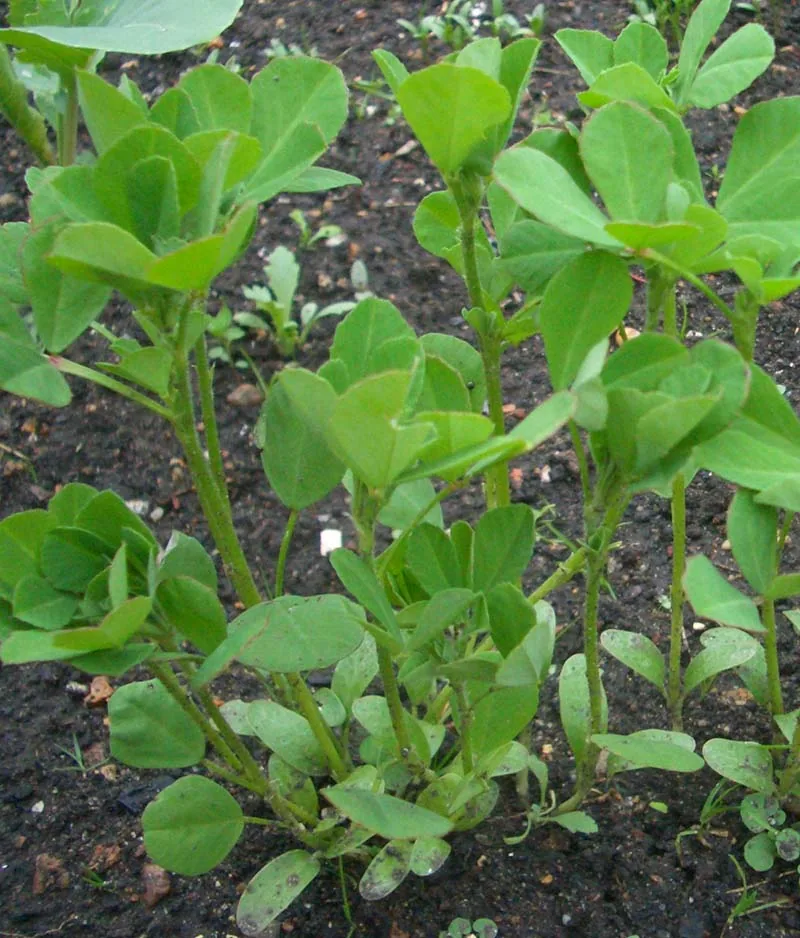
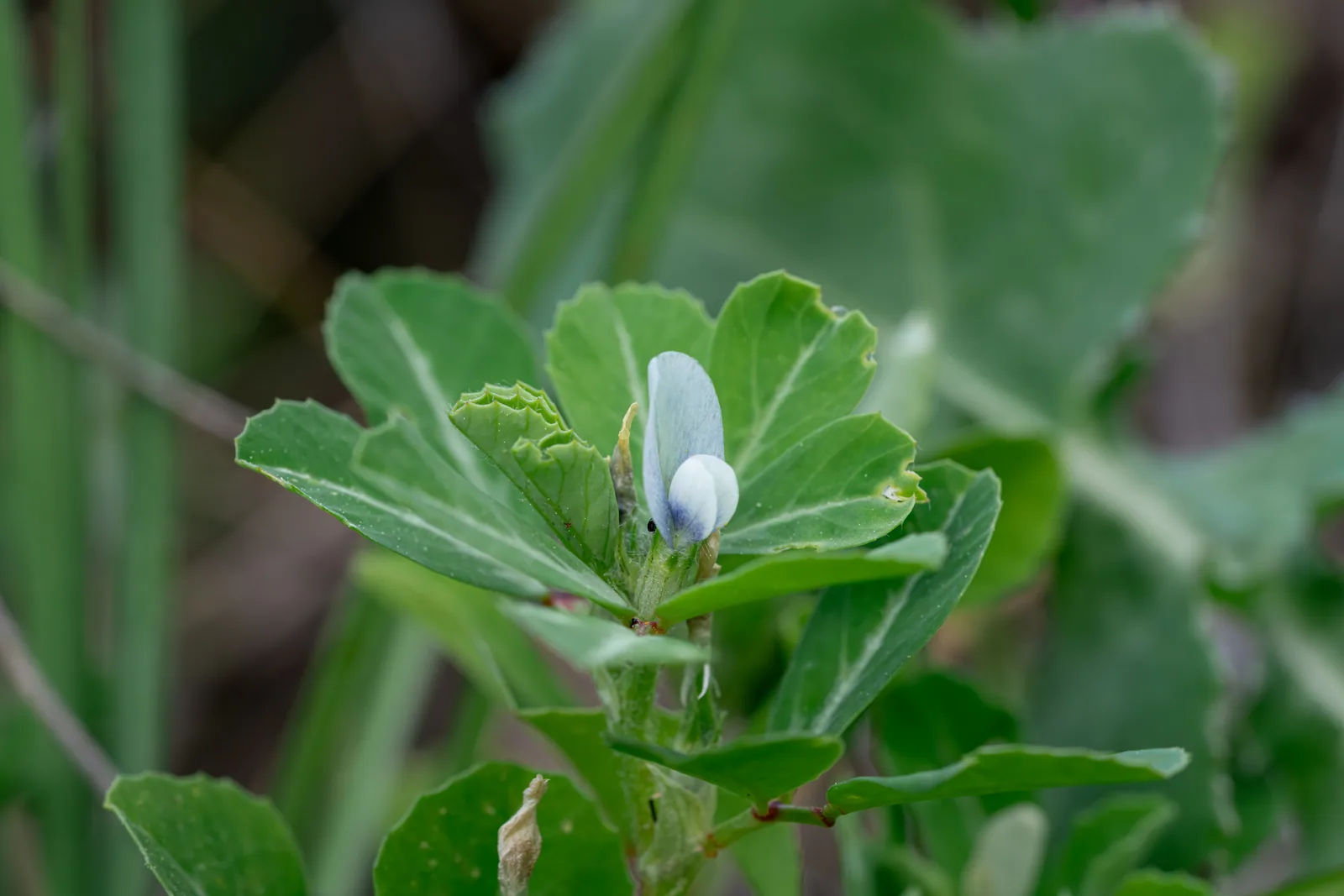
La alholva es una anual fácil que adora el sol pleno y se mantiene compacta, de 38 a 61 cm de alto. Sus semillas, de olor fuerte y especiado, dan sabor a curris, quesos e incluso al sirope de arce, y sus partes verdes se usan como hierba aromática. Siémbrala, evita que la tierra quede encharcada y cosecha en verano y otoño.
- Sol
Sol pleno
Qué dicen las fuentes (1)
Luz: Pleno sol
Light: Full sun (6 or more hours of direct sunlight a day) Soil Texture: Loam (Silt)
— Trigonella foenum-graecum (Bird's Foot, Fenugreek, Goat's Horn, Greek Clover, Greek Hay, Greek Hayseed) | North Carolina Extension Gardener Plant Toolbox [1] - Riego
No le va bien la tierra mojada: riega poco y nunca la dejes encharcada
Qué dicen las fuentes (1)
Notas sobre el riego: No prospera en suelos húmedos; una precipitación anual de 15-60 pulgadas (38-152 cm) beneficia a la planta.
Not doing well in wet soils, annual rainfall of between 15-60" will benefit the plant.
— Trigonella foenum-graecum (Bird's Foot, Fenugreek, Goat's Horn, Greek Clover, Greek Hay, Greek Hayseed) | North Carolina Extension Gardener Plant Toolbox [1] - Frío
Aguanta inviernos de hasta −28,9 °C (−20 °F)
Muy rústica · USDA 5a · RHS H7 · Z5
Qué dicen las fuentes (2)
Rusticidad, zona más fría: 5a [mínima invernal de −28,9 a −26,1 °C (de −20 a −15 °F)]
USDA Plant Hardiness Zone: 5a, 5b, 6a, 6b, 7a, 7b, 8a, 8b, 9a, 9b
— Trigonella foenum-graecum (Bird's Foot, Fenugreek, Goat's Horn, Greek Clover, Greek Hay, Greek Hayseed) | North Carolina Extension Gardener Plant Toolbox [1] Rusticidad, zona más cálida: 9b [mínima invernal de −3,9 a −1,1 °C (de 25 a 30 °F)]
USDA Plant Hardiness Zone: 5a, 5b, 6a, 6b, 7a, 7b, 8a, 8b, 9a, 9b
— Trigonella foenum-graecum (Bird's Foot, Fenugreek, Goat's Horn, Greek Clover, Greek Hay, Greek Hayseed) | North Carolina Extension Gardener Plant Toolbox [1] - Cosecha
Cosecha en verano y otoño; semillas especiadas para cocinar y hojas como hierba aromática
Qué dicen las fuentes (1)
Cosecha: Verano, otoño
Fruit Value To Gardener: Edible Display/Harvest Time: Fall Summer
— Trigonella foenum-graecum (Bird's Foot, Fenugreek, Goat's Horn, Greek Clover, Greek Hay, Greek Hayseed) | North Carolina Extension Gardener Plant Toolbox [1] - Plagas
Orugas cortadoras del tabaco, podredumbre carbonosa y enfermedades bacterianas
Qué dicen las fuentes (2)
Plagas: gusano cortador del tabaco (Spodoptera litura)
It can be affected by Macrophomina phaseolina (charcoal rot/fungus), Pseudomonas syringae (bacteria), and Spodoptera litura (Tobacco cutworm).
— Trigonella foenum-graecum (Bird's Foot, Fenugreek, Goat's Horn, Greek Clover, Greek Hay, Greek Hayseed) | North Carolina Extension Gardener Plant Toolbox [1] Enfermedades: podredumbre carbonosa (Macrophomina phaseolina), Pseudomonas syringae (enfermedad bacteriana)
It can be affected by Macrophomina phaseolina (charcoal rot/fungus), Pseudomonas syringae (bacteria), and Spodoptera litura (Tobacco cutworm).
— Trigonella foenum-graecum (Bird's Foot, Fenugreek, Goat's Horn, Greek Clover, Greek Hay, Greek Hayseed) | North Carolina Extension Gardener Plant Toolbox [1] - Tamaño
De 38 a 61 cm de alto
Qué dicen las fuentes (1)
Altura adulta: 38.1-60.96 cm (1 pie 3 pulg - 2 pies)
Dimensions: Height: 1 ft. 3 in. - 2 ft. 0 in. Width: 1 ft. 0 in. - 0 ft. 4 in.
— Trigonella foenum-graecum (Bird's Foot, Fenugreek, Goat's Horn, Greek Clover, Greek Hay, Greek Hayseed) | North Carolina Extension Gardener Plant Toolbox [1] - Multiplicación
Se multiplica por semilla; vive una sola temporada
Qué dicen las fuentes (2)
Propagación: Semilla
Recommended Propagation Strategy: Seed Country Or Region Of Origin: South-Eastern Europe and Western Asia
— Trigonella foenum-graecum (Bird's Foot, Fenugreek, Goat's Horn, Greek Clover, Greek Hay, Greek Hayseed) | North Carolina Extension Gardener Plant Toolbox [1] Ciclo de vida: anual
Trigonella foenum-graecum is an annual herb used for food and traditional medicine.
— Trigonella foenum-graecum (Bird's Foot, Fenugreek, Goat's Horn, Greek Clover, Greek Hay, Greek Hayseed) | North Carolina Extension Gardener Plant Toolbox [1] - Maceta
Crece también en maceta
Qué dicen las fuentes (1)
En maceta: Sí
Landscape Location: Container Patio Slope/Bank Walkways Landscape Theme: Edible Garden
— Trigonella foenum-graecum (Bird's Foot, Fenugreek, Goat's Horn, Greek Clover, Greek Hay, Greek Hayseed) | North Carolina Extension Gardener Plant Toolbox [1] - Seguridad
Las semillas tienen pequeñas cantidades de una sustancia tóxica, pero el cuerpo apenas la absorbe y no hacen daño
Resumen
La alholva es una hierba anual que crece a pleno sol y no prospera en suelos húmedos. [1] Sus semillas se usan como condimento y la planta fija nitrógeno. [1]
Citado en inglés, como en la fuente.
Esta ficha está incompleta: las fuentes consultadas aún no cubren todos los campos.
Aún no cubierto por nuestras fuentes: Riego, Siembra / Plantación
Cuidados
Riego
Riego
No figura en las fuentes consultadas.
Notas sobre el riego
No prospera en suelos húmedos; una precipitación anual de 15-60 pulgadas (38-152 cm) beneficia a la planta.
Qué dicen las fuentes (1)
Not doing well in wet soils, annual rainfall of between 15-60" will benefit the plant.Luz
Pleno sol
Qué dicen las fuentes (1)
Light:
Full sun (6 or more hours of direct sunlight a day)
Soil Texture:
Loam (Silt)Clima y frío
Rusticidad, zona más fría
5a [mínima invernal de −28,9 a −26,1 °C (de −20 a −15 °F)]
Qué dicen las fuentes (1)
USDA Plant Hardiness Zone:
5a, 5b, 6a, 6b, 7a, 7b, 8a, 8b, 9a, 9bRusticidad, zona más cálida
9b [mínima invernal de −3,9 a −1,1 °C (de 25 a 30 °F)]
Qué dicen las fuentes (1)
USDA Plant Hardiness Zone:
5a, 5b, 6a, 6b, 7a, 7b, 8a, 8b, 9a, 9bDónde cultivarla
Sí
Qué dicen las fuentes (1)
Landscape Location:
Container
Patio
Slope/Bank
Walkways
Landscape Theme:
Edible GardenPropagación
Semilla
Qué dicen las fuentes (1)
Recommended Propagation Strategy:
Seed
Country Or Region Of Origin:
South-Eastern Europe and Western AsiaCultivo
La planta
Ciclo de vida
anual
Qué dicen las fuentes (1)
Trigonella foenum-graecum is an annual herb used for food and traditional medicine.Familia
Fabáceas
Qué dicen las fuentes (1)
Attributes: Genus: Trigonella Species: foenum-graecum Family: Fabaceae Life Cycle: Annual Recommended Propagation Strategy: SeedAltura adulta
38.1-60.96 cm (1 pie 3 pulg - 2 pies)
Qué dicen las fuentes (1)
Dimensions: Height: 1 ft. 3 in. - 2 ft. 0 in. Width: 1 ft. 0 in. - 0 ft. 4 in.Plagas y enfermedades
Plagas
gusano cortador del tabaco (Spodoptera litura)
Qué dicen las fuentes (1)
It can be affected by Macrophomina phaseolina (charcoal rot/fungus), Pseudomonas syringae (bacteria), and Spodoptera litura (Tobacco cutworm).Enfermedades
podredumbre carbonosa (Macrophomina phaseolina), Pseudomonas syringae (enfermedad bacteriana)
Qué dicen las fuentes (1)
It can be affected by Macrophomina phaseolina (charcoal rot/fungus), Pseudomonas syringae (bacteria), and Spodoptera litura (Tobacco cutworm).Abonado
Abonos minerales
Las fuentes dan valores distintos según la región, la zona o las condiciones de cultivo.
Lo que dice cada fuente
producción en campo (ensayo de secano): 40 kg [88,2 lb]/ha de nitrógeno produjo el mayor rendimiento de semillas
Qué dicen las fuentes (1)
producción en campo (ensayo de secano): The results of experiment showed the highest seed yield and all traits were obtained by Mithe variety and 40kg N ha-1 produce highest seed yield and yield component.Problemas
Suelos húmedos y plagas fúngicas, bacterianas e insectiles.
Qué hacer: Evita los suelos húmedos
Qué dicen las fuentes (2)
Wet soils are not a suitable location to plant.
— Trigonella foenum-graecum (Bird's Foot, Fenugreek, Goat's Horn, Greek Clover, Greek Hay, Greek Hayseed) | North Carolina Extension Gardener Plant Toolbox [1] It can be affected by Macrophomina phaseolina (charcoal rot/fungus), Pseudomonas syringae (bacteria), and Spodoptera litura (Tobacco cutworm).
— Trigonella foenum-graecum (Bird's Foot, Fenugreek, Goat's Horn, Greek Clover, Greek Hay, Greek Hayseed) | North Carolina Extension Gardener Plant Toolbox [1]
Remedios
Cada remedio indica qué dicen las fuentes oficiales; los remedios tradicionales sin fuente oficial aparecen marcados. Los perjudiciales están para que sepas evitarlos.
Cuidar la planta
malezas
cultivo entre hileras No verificado
Remedio tradicional, no verificado por una fuente oficial.
Cómo: Cultivo entre hileras para controlar malezas en alholva cultivada en hileras de 35 cm (14 pulg) de ancho.
Toxicidad
Según la fuente, citada textualmente. No es un consejo médico ni veterinario: si una persona o un animal pudo haber ingerido esta planta, contacta con un centro de toxicología o con un veterinario.
The seeds are poisonous, although not harmful. They contain small quantities of saponins, which are poorly absorbed by humans.
[1]
Calendario
Siembra
No figura en las fuentes consultadas.
Plantación
No figura en las fuentes consultadas.
Cosecha
Verano, otoño
Qué dicen las fuentes (1)
Fruit Value To Gardener:
Edible
Display/Harvest Time:
Fall
SummerMeses tal como los dan las fuentes, en su mayoría de Estados Unidos (hemisferio norte). En el hemisferio sur se desplazan unos seis meses.
Comestibilidad
Según la fuente, citada textualmente. No comas una planta basándote solo en esta página: los errores de identificación pueden ser peligrosos.
Plantas similares
- Regaliz Glycyrrhiza glabra
- Conchita azul Clitoria ternatea
- Afghan Redbud Cercis griffithii
- American hogpeanut Amphicarpaea bracteata
- Amur Maackia Maackia amurensis
- Bauhinia Bauhinia blakeana
- Fríjol Phaseolus vulgaris
- Bicolor Lespedeza Lespedeza bicolor
Fuentes
Cada valor anterior se cita de estos documentos. Los enlaces llevan al editor original.
- Trigonella foenum-graecum (Bird's Foot, Fenugreek, Goat's Horn, Greek Clover, Greek Hay, Greek Hayseed) | North Carolina Extension Gardener Plant Toolbox · plants.ces.ncsu.edu, consultado
- journals.uokerbala.edu.iq · journals.uokerbala.edu.iq
Escrito por Emilio Marruso · última revisión