
How to Grow and Care for Sicklefruit fenugreek
Trigonella foenum-graecum
Written by Emilio Marruso · last checked
Toxic to: People · Why
At a glance
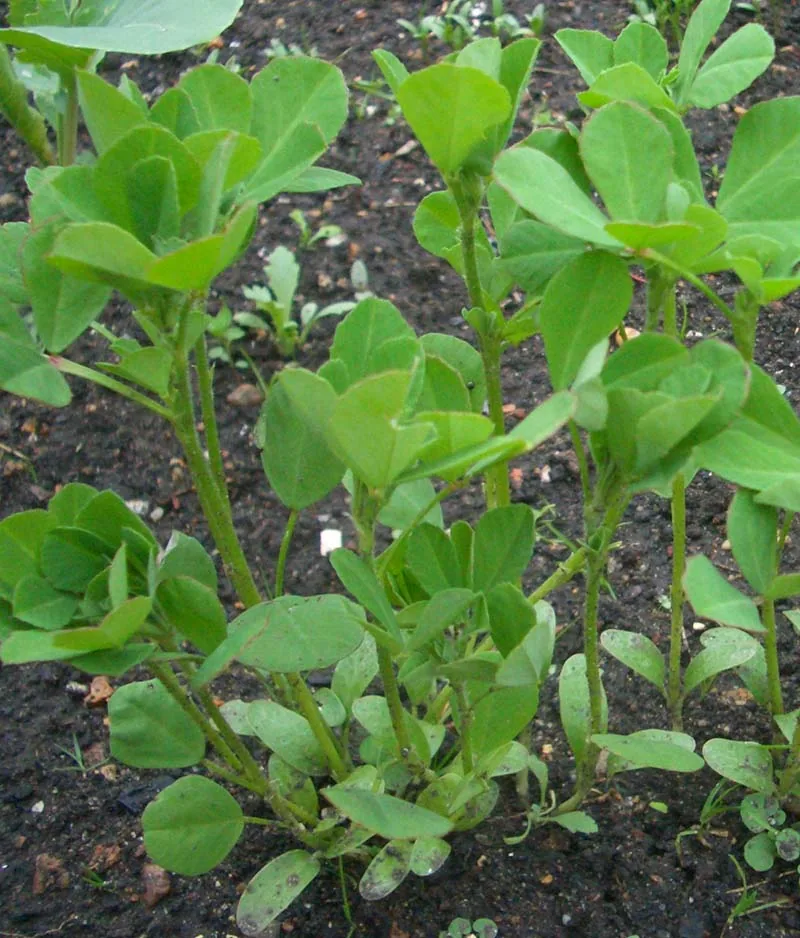
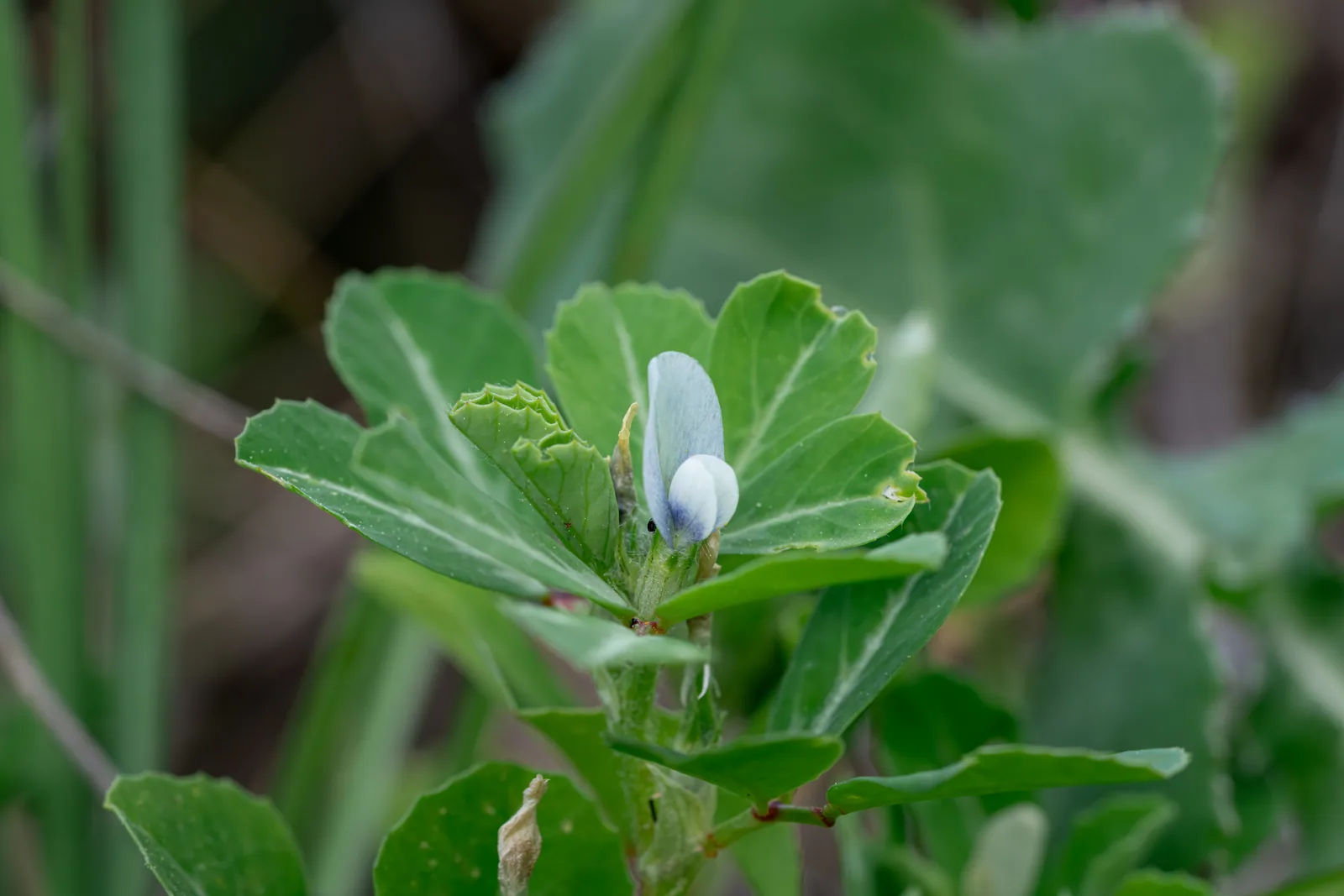
Fenugreek is an easy annual that loves full sun and stays compact, reaching just 15 in to 2 ft tall. Its seeds have a strong, spicy smell and flavor curries, cheese and even maple syrup, while the green leaves are used as an herb. Start it from seed, keep the soil from staying wet, and harvest in summer and fall.
- Sun
Full sun
What the sources say (1)
Light: Full sun
Light: Full sun (6 or more hours of direct sunlight a day) Soil Texture: Loam (Silt)
— Trigonella foenum-graecum (Bird's Foot, Fenugreek, Goat's Horn, Greek Clover, Greek Hay, Greek Hayseed) | North Carolina Extension Gardener Plant Toolbox [1] - Water
Does poorly in wet soil: water lightly and never let it stay soggy
What the sources say (1)
Watering notes: Does not do well in wet soils; annual rainfall of 15-60 in (38-152 cm) benefits the plant
Not doing well in wet soils, annual rainfall of between 15-60" will benefit the plant.
— Trigonella foenum-graecum (Bird's Foot, Fenugreek, Goat's Horn, Greek Clover, Greek Hay, Greek Hayseed) | North Carolina Extension Gardener Plant Toolbox [1] - Cold
Survives winters down to −20 °F (−28.9 °C)
Very hardy · USDA 5a · RHS H7 · Z5
What the sources say (2)
Hardiness, coldest zone: 5a [winter low −28.9 to −26.1 °C (−20 to −15 °F)]
USDA Plant Hardiness Zone: 5a, 5b, 6a, 6b, 7a, 7b, 8a, 8b, 9a, 9b
— Trigonella foenum-graecum (Bird's Foot, Fenugreek, Goat's Horn, Greek Clover, Greek Hay, Greek Hayseed) | North Carolina Extension Gardener Plant Toolbox [1] Hardiness, warmest zone: 9b [winter low −3.9 to −1.1 °C (25 to 30 °F)]
USDA Plant Hardiness Zone: 5a, 5b, 6a, 6b, 7a, 7b, 8a, 8b, 9a, 9b
— Trigonella foenum-graecum (Bird's Foot, Fenugreek, Goat's Horn, Greek Clover, Greek Hay, Greek Hayseed) | North Carolina Extension Gardener Plant Toolbox [1] - Harvest
Harvest in summer and fall; spicy seeds for cooking, green leaves as an herb
What the sources say (1)
Harvest: Summer, fall
Fruit Value To Gardener: Edible Display/Harvest Time: Fall Summer
— Trigonella foenum-graecum (Bird's Foot, Fenugreek, Goat's Horn, Greek Clover, Greek Hay, Greek Hayseed) | North Carolina Extension Gardener Plant Toolbox [1] - Pests
Tobacco cutworms, charcoal rot and bacterial disease
What the sources say (2)
Pests: tobacco cutworm (Spodoptera litura)
It can be affected by Macrophomina phaseolina (charcoal rot/fungus), Pseudomonas syringae (bacteria), and Spodoptera litura (Tobacco cutworm).
— Trigonella foenum-graecum (Bird's Foot, Fenugreek, Goat's Horn, Greek Clover, Greek Hay, Greek Hayseed) | North Carolina Extension Gardener Plant Toolbox [1] Diseases: charcoal rot (Macrophomina phaseolina), Pseudomonas syringae (bacterial disease)
It can be affected by Macrophomina phaseolina (charcoal rot/fungus), Pseudomonas syringae (bacteria), and Spodoptera litura (Tobacco cutworm).
— Trigonella foenum-graecum (Bird's Foot, Fenugreek, Goat's Horn, Greek Clover, Greek Hay, Greek Hayseed) | North Carolina Extension Gardener Plant Toolbox [1] - Size
15 in to 2 ft tall
What the sources say (1)
Mature height: 38.1-60.96 cm (1 ft 3 in - 2 ft)
Dimensions: Height: 1 ft. 3 in. - 2 ft. 0 in. Width: 1 ft. 0 in. - 0 ft. 4 in.
— Trigonella foenum-graecum (Bird's Foot, Fenugreek, Goat's Horn, Greek Clover, Greek Hay, Greek Hayseed) | North Carolina Extension Gardener Plant Toolbox [1] - Propagation
Grow it from seed; it lives one season
What the sources say (2)
Propagation: Seed
Recommended Propagation Strategy: Seed Country Or Region Of Origin: South-Eastern Europe and Western Asia
— Trigonella foenum-graecum (Bird's Foot, Fenugreek, Goat's Horn, Greek Clover, Greek Hay, Greek Hayseed) | North Carolina Extension Gardener Plant Toolbox [1] Life cycle: annual
Trigonella foenum-graecum is an annual herb used for food and traditional medicine.
— Trigonella foenum-graecum (Bird's Foot, Fenugreek, Goat's Horn, Greek Clover, Greek Hay, Greek Hayseed) | North Carolina Extension Gardener Plant Toolbox [1] - Containers
Grows in containers too
What the sources say (1)
In containers: Yes
Landscape Location: Container Patio Slope/Bank Walkways Landscape Theme: Edible Garden
— Trigonella foenum-graecum (Bird's Foot, Fenugreek, Goat's Horn, Greek Clover, Greek Hay, Greek Hayseed) | North Carolina Extension Gardener Plant Toolbox [1] - Safety
Seeds hold small amounts of a mild poison, but the body barely absorbs it, so they are not harmful
Overview
Fenugreek is an annual herb that grows in full sun and does not do well in wet soils. [1] Its seeds are used as a condiment and the plant fixes nitrogen. [1]
This record is incomplete: the sources we read do not cover every field yet.
Not yet covered by our sources: Watering, Sowing / Planting
Sicklefruit fenugreek care
How to water Sicklefruit fenugreek
Watering
Not stated in the sources we read.
Watering notes
Does not do well in wet soils; annual rainfall of 15-60 in (38-152 cm) benefits the plant
What the sources say (1)
Not doing well in wet soils, annual rainfall of between 15-60" will benefit the plant.How much light Sicklefruit fenugreek needs
Full sun
What the sources say (1)
Light:
Full sun (6 or more hours of direct sunlight a day)
Soil Texture:
Loam (Silt)How much cold Sicklefruit fenugreek can take
Hardiness, coldest zone
5a [winter low −28.9 to −26.1 °C (−20 to −15 °F)]
What the sources say (1)
USDA Plant Hardiness Zone:
5a, 5b, 6a, 6b, 7a, 7b, 8a, 8b, 9a, 9bHardiness, warmest zone
9b [winter low −3.9 to −1.1 °C (25 to 30 °F)]
What the sources say (1)
USDA Plant Hardiness Zone:
5a, 5b, 6a, 6b, 7a, 7b, 8a, 8b, 9a, 9bWhere to grow Sicklefruit fenugreek
Yes
What the sources say (1)
Landscape Location:
Container
Patio
Slope/Bank
Walkways
Landscape Theme:
Edible GardenHow to propagate Sicklefruit fenugreek
Seed
What the sources say (1)
Recommended Propagation Strategy:
Seed
Country Or Region Of Origin:
South-Eastern Europe and Western AsiaHow to grow Sicklefruit fenugreek
The plant
Life cycle
annual
What the sources say (1)
Trigonella foenum-graecum is an annual herb used for food and traditional medicine.Family
Fabaceae
What the sources say (1)
Attributes: Genus: Trigonella Species: foenum-graecum Family: Fabaceae Life Cycle: Annual Recommended Propagation Strategy: SeedMature height
38.1-60.96 cm (1 ft 3 in - 2 ft)
What the sources say (1)
Dimensions: Height: 1 ft. 3 in. - 2 ft. 0 in. Width: 1 ft. 0 in. - 0 ft. 4 in.Pests and diseases
Pests
tobacco cutworm (Spodoptera litura)
What the sources say (1)
It can be affected by Macrophomina phaseolina (charcoal rot/fungus), Pseudomonas syringae (bacteria), and Spodoptera litura (Tobacco cutworm).Diseases
charcoal rot (Macrophomina phaseolina), Pseudomonas syringae (bacterial disease)
What the sources say (1)
It can be affected by Macrophomina phaseolina (charcoal rot/fungus), Pseudomonas syringae (bacteria), and Spodoptera litura (Tobacco cutworm).Fertilizing
Mineral fertilizers
The sources give different values depending on region, zone or growing conditions.
What each source says
field production (rainfed field trial): 40 kg [88.2 lb]/ha of nitrogen gave the highest seed yield
What the sources say (1)
field production (rainfed field trial): The results of experiment showed the highest seed yield and all traits were obtained by Mithe variety and 40kg N ha-1 produce highest seed yield and yield component.Sicklefruit fenugreek pests and problems
Wet soils and fungal, bacterial and insect pests
What to do: Avoid wet soils
What the sources say (2)
Wet soils are not a suitable location to plant.
— Trigonella foenum-graecum (Bird's Foot, Fenugreek, Goat's Horn, Greek Clover, Greek Hay, Greek Hayseed) | North Carolina Extension Gardener Plant Toolbox [1] It can be affected by Macrophomina phaseolina (charcoal rot/fungus), Pseudomonas syringae (bacteria), and Spodoptera litura (Tobacco cutworm).
— Trigonella foenum-graecum (Bird's Foot, Fenugreek, Goat's Horn, Greek Clover, Greek Hay, Greek Hayseed) | North Carolina Extension Gardener Plant Toolbox [1]
Remedies
Each remedy shows what official sources say about it; traditional remedies without an official source are marked as such. Harmful ones are listed so you know to avoid them.
Treating the plant
weeds
inter-row cultivation Not verified
Traditional remedy, not verified by an official source.
How: Inter-row cultivation to control weeds in fenugreek grown in 35 cm (14 in) wide rows.
Is Sicklefruit fenugreek poisonous?
Reported by the source, quoted verbatim. This is not medical or veterinary advice: if a person or an animal may have eaten this plant, contact a poison control centre or a veterinarian.
The seeds are poisonous, although not harmful. They contain small quantities of saponins, which are poorly absorbed by humans.
[1]
Calendar
Sowing
Not stated in the sources we read.
Planting
Not stated in the sources we read.
Harvest
Summer, fall
What the sources say (1)
Fruit Value To Gardener:
Edible
Display/Harvest Time:
Fall
SummerMonths as given by the sources, which are mostly from the United States (northern hemisphere). In the southern hemisphere they shift by about six months.
Edibility
Reported by the source, quoted verbatim. Do not eat a plant on the basis of this page alone: identification mistakes can be dangerous.
Similar plants
- Liquorice Glycyrrhiza glabra
- Butterfly Pea Clitoria ternatea
- Afghan Redbud Cercis griffithii
- American hogpeanut Amphicarpaea bracteata
- Amur Maackia Maackia amurensis
- Bauhinia Bauhinia blakeana
- Bean Phaseolus vulgaris
- Bicolor Lespedeza Lespedeza bicolor
Sources
Every value above is quoted from these documents. Links lead to the original publisher.
- Trigonella foenum-graecum (Bird's Foot, Fenugreek, Goat's Horn, Greek Clover, Greek Hay, Greek Hayseed) | North Carolina Extension Gardener Plant Toolbox · plants.ces.ncsu.edu, consulted
- journals.uokerbala.edu.iq · journals.uokerbala.edu.iq
Written by Emilio Marruso · last checked