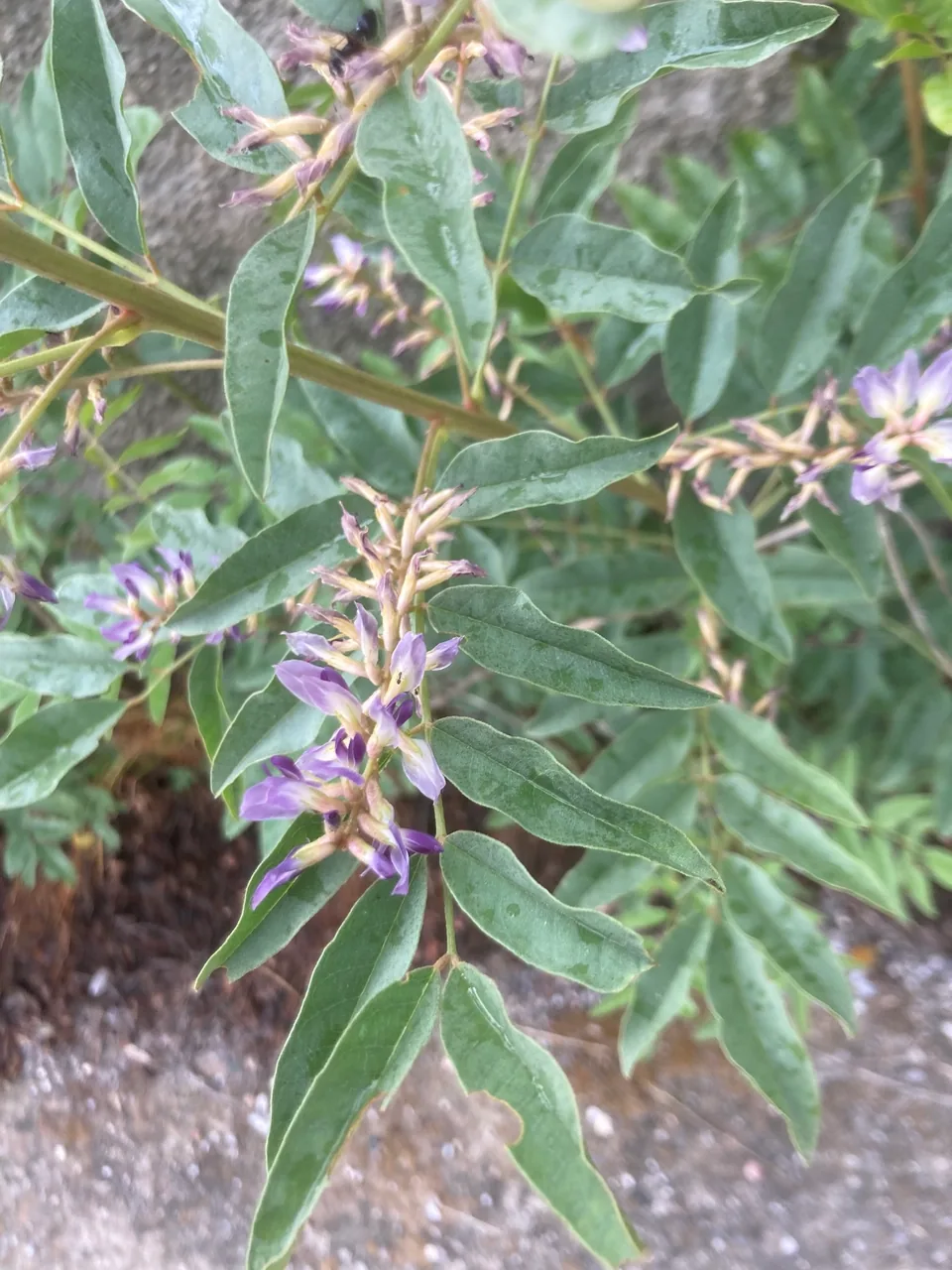
How to Grow and Care for Liquorice
Glycyrrhiza glabra
Written by Emilio Marruso · last checked
Toxic to: People · Why
At a glance
Liquorice is a perennial with a sweet secret in its roots: they flavor candies and sweeten foods, and people chew the peeled roots as a treat. Give it full sun or partial shade and deep, sandy soil that stays moist, and it grows 20 inches to 3 feet tall. You can start it from seed, division or root cuttings.
- Sun
Full sun to partial shade
What the sources say (1)
Light: Full sun to partial shade
Light: Full sun (6 or more hours of direct sunlight a day) Partial Shade (Direct sunlight only part of the day, 2-6 hours)
— Glycyrrhiza glabra (Black Sugar, Common licorice, Licorice, Liquorice (UK), Mulaith, Sweetwood) | North Carolina Extension Gardener Plant Toolbox [1] - Water
Loves plenty of moisture: keep the soil damp
What the sources say (1)
Watering: Sandy soil with abundant moisture; deep, moisture-retentive soil
Licorice requires deep well-cultivated fertile moisture-retentive soil for good root production and prefers a sandy soil with abundant moisture.
— Glycyrrhiza glabra (Black Sugar, Common licorice, Licorice, Liquorice (UK), Mulaith, Sweetwood) | North Carolina Extension Gardener Plant Toolbox [1] - Cold
Survives winters down to −10 °F (−23.3 °C)
Very hardy · USDA 6a · RHS H7 · Z6
What the sources say (2)
Hardiness, coldest zone: 6a [winter low −23.3 to −20.6 °C (−10 to −5 °F)]
USDA Plant Hardiness Zone: 6a, 6b, 7a, 7b, 8a, 8b, 9a, 9b, 10a, 10b, 11a, 11b
— Glycyrrhiza glabra (Black Sugar, Common licorice, Licorice, Liquorice (UK), Mulaith, Sweetwood) | North Carolina Extension Gardener Plant Toolbox [1] Hardiness, warmest zone: 11b [winter low 7.2 to 10 °C (45 to 50 °F)]
USDA Plant Hardiness Zone: 6a, 6b, 7a, 7b, 8a, 8b, 9a, 9b, 10a, 10b, 11a, 11b
— Glycyrrhiza glabra (Black Sugar, Common licorice, Licorice, Liquorice (UK), Mulaith, Sweetwood) | North Carolina Extension Gardener Plant Toolbox [1] - Soil
Deep, sandy soil that holds moisture
What the sources say (1)
Watering: Sandy soil with abundant moisture; deep, moisture-retentive soil
Licorice requires deep well-cultivated fertile moisture-retentive soil for good root production and prefers a sandy soil with abundant moisture.
— Glycyrrhiza glabra (Black Sugar, Common licorice, Licorice, Liquorice (UK), Mulaith, Sweetwood) | North Carolina Extension Gardener Plant Toolbox [1] - Harvest
The root is the sweet part: used in candies, or peeled and chewed as a treat
- Pests
Spider mites, slugs and snails; also powdery mildew and rust
What the sources say (2)
Pests: spider mites, slugs, snails
Diseases, Insects, and Other Plant Problems: spider mites, slugs, snails, powdery mildew, and rust.
— Glycyrrhiza glabra (Black Sugar, Common licorice, Licorice, Liquorice (UK), Mulaith, Sweetwood) | North Carolina Extension Gardener Plant Toolbox [1] Diseases: powdery mildew, rust
Diseases, Insects, and Other Plant Problems: spider mites, slugs, snails, powdery mildew, and rust.
— Glycyrrhiza glabra (Black Sugar, Common licorice, Licorice, Liquorice (UK), Mulaith, Sweetwood) | North Carolina Extension Gardener Plant Toolbox [1] - Size
20 inches to 3 feet tall
What the sources say (1)
Mature height: 50-100 cm [20–39 in]
Hierba perenne rizomatosa, de 50-100 cm. Tallos poco ramificados, estriados, más o menos pelosos.
—  [2] - Propagation
Divide the plant, take root cuttings or sow seed
What the sources say (1)
Propagation: Division; root cutting; seed
Recommended Propagation Strategy: Division Root Cutting Seed
— Glycyrrhiza glabra (Black Sugar, Common licorice, Licorice, Liquorice (UK), Mulaith, Sweetwood) | North Carolina Extension Gardener Plant Toolbox [1] - Safety
Listed as moderately poisonous to people
Overview
Licorice is a herbaceous perennial legume native to Europe and parts of Asia, grown for its sweet root. [1] The root is poisonous in high doses because of glycyrrhizin. [1] It prefers sandy soil with abundant moisture and can become weedy if not kept under control. [1]
This record is incomplete: the sources we read do not cover every field yet.
Not yet covered by our sources: Sowing / Planting
Liquorice care
How to water Liquorice
Sandy soil with abundant moisture; deep, moisture-retentive soil
What the sources say (1)
Licorice requires deep well-cultivated fertile moisture-retentive soil for good root production and prefers a sandy soil with abundant moisture.How much light Liquorice needs
Full sun to partial shade
What the sources say (1)
Light:
Full sun (6 or more hours of direct sunlight a day)
Partial Shade (Direct sunlight only part of the day, 2-6 hours)How much cold Liquorice can take
Hardiness, coldest zone
6a [winter low −23.3 to −20.6 °C (−10 to −5 °F)]
What the sources say (1)
USDA Plant Hardiness Zone:
6a, 6b, 7a, 7b, 8a, 8b, 9a, 9b, 10a, 10b, 11a, 11bHardiness, warmest zone
11b [winter low 7.2 to 10 °C (45 to 50 °F)]
What the sources say (1)
USDA Plant Hardiness Zone:
6a, 6b, 7a, 7b, 8a, 8b, 9a, 9b, 10a, 10b, 11a, 11bHow to propagate Liquorice
Division; root cutting; seed
What the sources say (1)
Recommended Propagation Strategy:
Division
Root Cutting
SeedHow to grow Liquorice
The plant
Life cycle
perennial
What the sources say (1)
Licorice is a flowering, herbaceous perennial legume native to Europe and parts of Asia.Family
Fabaceae
What the sources say (1)
Genus: Glycyrrhiza Species: glabra Family: Fabaceae Uses (Ethnobotany): An extract of the root is used as a sweetener or flavoring agent in confections.Mature height
50-100 cm [20–39 in]
What the sources say (1)
Hierba perenne rizomatosa, de 50-100 cm. Tallos poco ramificados, estriados, más o menos pelosos.Pests and diseases
Pests
spider mites, slugs, snails
What the sources say (1)
Diseases, Insects, and Other Plant Problems: spider mites, slugs, snails, powdery mildew, and rust.Diseases
powdery mildew, rust
What the sources say (1)
Diseases, Insects, and Other Plant Problems: spider mites, slugs, snails, powdery mildew, and rust.Liquorice pests and problems
Spider mites, slugs, snails, powdery mildew, rust
What the sources say (1)
Diseases, Insects, and Other Plant Problems: spider mites, slugs, snails, powdery mildew, and rust.
— Glycyrrhiza glabra (Black Sugar, Common licorice, Licorice, Liquorice (UK), Mulaith, Sweetwood) | North Carolina Extension Gardener Plant Toolbox [1]
Remedies
The sources we checked give no remedies for this plant.
Is Liquorice poisonous?
Reported by the source, quoted verbatim. This is not medical or veterinary advice: if a person or an animal may have eaten this plant, contact a poison control centre or a veterinarian.
Poison Severity: Medium
[1]- Poisonous parts
Poison Part: Roots
[1]- Toxic principle
Poison Toxic Principle: High doses of glycyrrizin, found in root extracts, produces glycyrrhizic acid (GZA).
[1]- Symptoms
Symptoms of licorice toxicity include headache (from hypertension), edema in face and ankles, muscle cramps, dark urine, and heart arrhythmia.
[1]- Severity
Poison Severity: Medium
[1]
Calendar
Sowing
Not stated in the sources we read.
Planting
Not stated in the sources we read.
Harvest
The sources give different values depending on region, zone or growing conditions.
What each source says
Andalucía y Madrid: Better in late summer and autumn (roots, any time of year)
Madrid: Late winter, or December to March (roots)
According to MITECO: January to June (roots)
What the sources say (3)
Andalucía y Madrid: En Andalucía y Madrid hay recolectores que lo hacen durante todo el año, pero mati-zan que es mejor a final de verano y otoñoMadrid: también en Madrid, algunos aconsejan su recolec-ción al final del invierno [17] o de diciembre a marzo [23]According to MITECO: recomendándose su recolección de enero a junioMonths as given by the sources, which are mostly from the United States (northern hemisphere). In the southern hemisphere they shift by about six months.
Edibility
Reported by the source, quoted verbatim. Do not eat a plant on the basis of this page alone: identification mistakes can be dangerous.
Similar plants
- American Groundnut Apios americana
- American hogpeanut Amphicarpaea bracteata
- Bean Phaseolus vulgaris
- Bicolor Lespedeza Lespedeza bicolor
- Black Locust Robinia pseudoacacia
- Black Medick Medicago lupulina
- Blue False Indigo Baptisia australis
- Bristly Locust Robinia hispida
Sources
Every value above is quoted from these documents. Links lead to the original publisher.
- Glycyrrhiza glabra (Black Sugar, Common licorice, Licorice, Liquorice (UK), Mulaith, Sweetwood) | North Carolina Extension Gardener Plant Toolbox · plants.ces.ncsu.edu, consulted
-  · miteco.gob.es, consulted
Written by Emilio Marruso · last checked