

How to Grow and Care for Bristly Locust
Robinia hispida
Written by Emilio Marruso · last checked
Toxic to: Cats, Dogs, Horses, People · Why
At a glance
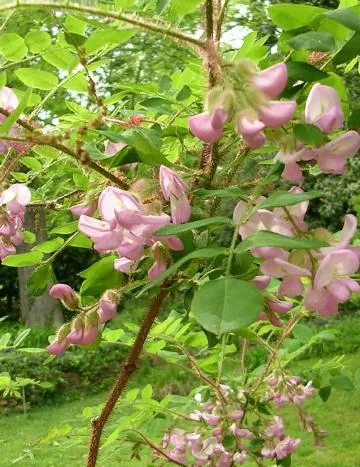
Bristly locust is an easygoing shrub with showy pink flowers that shrugs off dry spells. Give it sun or partial shade and plenty of room: it grows 2 to 10 feet tall and spreads 5 to 15 feet wide. Just keep an eye on its root suckers, because this cheerful plant loves to wander through the garden.
- Sun
Sun to partial shade
What the sources say (1)
Light: Sun to partial shade
It prefers sun to partial shade in soils rich in organic matter but is adaptable to most soil types including poor ones. It is drought tolerant and deer-resistant.
— Robinia hispida (Bristly Locust) | North Carolina Extension Gardener Plant Toolbox [1] - Water
Handles dry spells well; little watering needed
What the sources say (1)
Watering: Drought tolerant
It prefers sun to partial shade in soils rich in organic matter but is adaptable to most soil types including poor ones. It is drought tolerant and deer-resistant.
— Robinia hispida (Bristly Locust) | North Carolina Extension Gardener Plant Toolbox [1] - Cold
Survives winters down to −20 °F (−28.9 °C)
Very hardy · USDA 5a · RHS H7 · Z5
What the sources say (2)
Hardiness, coldest zone: 5a [winter low −28.9 to −26.1 °C (−20 to −15 °F)]
USDA Plant Hardiness Zone: 5a, 5b, 6a, 6b, 7a, 7b, 8a, 8b
— Robinia hispida (Bristly Locust) | North Carolina Extension Gardener Plant Toolbox [1] Hardiness, warmest zone: 8b [winter low −9.4 to −6.7 °C (15 to 20 °F)]
USDA Plant Hardiness Zone: 5a, 5b, 6a, 6b, 7a, 7b, 8a, 8b
— Robinia hispida (Bristly Locust) | North Carolina Extension Gardener Plant Toolbox [1] - Watch out
Spreads fast by root suckers; plants grafted onto black locust roots spread less
- Size
2 to 10 ft tall and 5 to 15 ft wide
What the sources say (2)
Mature height: 61-305 cm (2-10 ft)
Height: 2 ft. 0 in. - 10 ft. 0 in. Width: 5 ft. 0 in. - 15 ft. 0 in.
— Robinia hispida (Bristly Locust) | North Carolina Extension Gardener Plant Toolbox [1] Mature width: 152-457 cm (5-15 ft)
Height: 2 ft. 0 in. - 10 ft. 0 in. Width: 5 ft. 0 in. - 15 ft. 0 in.
— Robinia hispida (Bristly Locust) | North Carolina Extension Gardener Plant Toolbox [1] - Safety
Mildly toxic to people and harmful to dogs, cats and horses
Overview
Bristly locust is a deciduous shrub of 2-10 feet [0.6–3 m] with showy pendulous pink flower clusters in spring. [1] It prefers sun to partial shade, adapts to most soil types and is drought tolerant. [1] It spreads aggressively by root suckers and carries a low-severity poison rating. [1]
This record is incomplete: the sources we read do not cover every field yet.
Not yet covered by our sources: Pruning, Propagation
Bristly Locust care
Measurements in square brackets are our conversion into the other unit system; the quoted text is unchanged.
How to water Bristly Locust
Drought tolerant
What the sources say (1)
It prefers sun to partial shade in soils rich in organic matter but is adaptable to most soil types including poor ones. It is drought tolerant and deer-resistant.How much light Bristly Locust needs
Sun to partial shade
What the sources say (1)
It prefers sun to partial shade in soils rich in organic matter but is adaptable to most soil types including poor ones. It is drought tolerant and deer-resistant.How much cold Bristly Locust can take
Hardiness, coldest zone
5a [winter low −28.9 to −26.1 °C (−20 to −15 °F)]
What the sources say (1)
USDA Plant Hardiness Zone:
5a, 5b, 6a, 6b, 7a, 7b, 8a, 8bHardiness, warmest zone
8b [winter low −9.4 to −6.7 °C (15 to 20 °F)]
What the sources say (1)
USDA Plant Hardiness Zone:
5a, 5b, 6a, 6b, 7a, 7b, 8a, 8bHow to propagate Bristly Locust
Not stated in the sources we read.
How to grow Bristly Locust
The plant
Life cycle
perennial
What the sources say (1)
Genus:
Robinia
Species:
hispida
Family:
Fabaceae
Life Cycle:
PerennialFamily
Fabaceae
What the sources say (1)
Genus:
Robinia
Species:
hispida
Family:
Fabaceae
Life Cycle:
PerennialMature height
61-305 cm (2-10 ft)
What the sources say (1)
Height: 2 ft. 0 in. - 10 ft. 0 in.
Width: 5 ft. 0 in. - 15 ft. 0 in.Mature width
152-457 cm (5-15 ft)
What the sources say (1)
Height: 2 ft. 0 in. - 10 ft. 0 in.
Width: 5 ft. 0 in. - 15 ft. 0 in.Bristly Locust pests and problems
Aggressive spread by root suckers
Symptom: Spreads aggressively by root suckers
What to do: Sometimes found grafted onto black locust rootstalk, which does not spread as aggressively
What the sources say (1)
This plant can spread aggressively by root suckers but can sometimes be found grafted onto the rootstalk of black locust which doesn't spread as aggressively
— Robinia hispida (Bristly Locust) | North Carolina Extension Gardener Plant Toolbox [1]
Remedies
Each remedy shows what official sources say about it; traditional remedies without an official source are marked as such. Harmful ones are listed so you know to avoid them.
Getting rid of it
thicket colonies
pull or dig out Not verified
Traditional remedy, not verified by an official source.
can produce dense colonies through root suckering and can be difficult to manage without resorting to toxic chemicals.
— minnesotawildflowers.info [2] How: Pull or dig it out; if it is abundant you may have to resort to chemical warfare.
Is Bristly Locust toxic to pets?
Reported by the source, quoted verbatim. This is not medical or veterinary advice: if a person or an animal may have eaten this plant, contact a poison control centre or a veterinarian.
Animals
Problems: See this plant in the following landscape : Cultivars / Varieties: - 'Arrot' 'Arrot' Tags: #deciduous #NC native #problem for horses #problem for dogs #problem for cats #showy flowers #spines #pink flowers #pink fruits #hedge #NC Native Pollinator Plant #native tree #native shrub #prickles #weedy CC BY-SA 4.0 " data-downloadurl="https://eit-planttoolbox-prod.s3.amazonaws.com/media/images/Robinia_hispida_Form_gvDAoukAkFiQ.jpe?response-content-disposition=attachment%3Bfilename%3DForm%2520in%2520June%2520Form%2520in%2520June%2520Em%25C5%2591ke%2520D%25C3%25A9nes%2520CC%2520BY-SA%25204.0.jpe&AWSAccessKeyId=AKIAILRBSC3CQKL5NNSQ&Signature=KYbkHz7NgG31RIt05sl0s4Vl%2Fd0%3D&Expires=1793966154" data-image-id="29657" data-toggle="modal" data-target="#image_modal"/> Form in June Emőke Dénes CC BY-SA 4.0 Download Image CC BY-NC-ND 2.0 " data-downloadurl="https://eit-planttoolbox-prod.s3.amazonaws.com/media/images/Robinia-hispida--Manuel--CC-BY-NC-ND.jpg?response-content-disposition=attachment%3Bfilename%3DRaceme%2520of%2520flowers%2520Raceme%2520of%2520flowers%2520Manuel%2520CC%2520BY-NC-ND%25202.0.jpg&AWSAccessKeyId=AKIAILRBSC3CQKL5NNSQ&Signature=sa8aqMvdY4FzGQvnhzgVBLegOg0%3D&Expires=1793966154" data-image-id="2583" data-toggle="modal" data-target="#image_modal"/> Raceme of flowers Manuel CC BY-NC-ND 2.0 Download Image CC BY-NC 4.0 " data-downloadurl="https://eit-planttoolbox-prod.s3.amazonaws.com/media/images/Robinia_hispida_var._gEdkvmJ14H7t.jfif?response-content-disposition=attachment%3Bfilename%3DStem%2520with%2520bristly%2520hairs%2520%2528Forsyth%2520County%2520NC%2529-Early%2520Summer%2520Stem%2520with%2520bristly%2520hairs%2520%2528Forsyth%2520County%2520NC%2529-Early%2520Summer%2520Douglas%2520Goldman%2520USDA%2520CC%2520BY-NC%25204.0.jfif&AWSAccessKeyId=AKIAILRBSC3CQKL5NNSQ&Signature=2uhZnr%2FABh6eC5dupFBMI8oHYWQ%3D&Expires=1793966154" data-image-id="29582" data-toggle="modal" data-target="#image_modal"/> Stem with bristly hairs (Forsyth County, NC)-Early Summer Douglas Goldman, USDA CC BY-NC 4.0 Download Image CC BY-NC 4.0 " data-downloadurl="https://eit-planttoolbox-prod.s3.amazonaws.com/media/images/Robinia_hispida_var._oCEsFiS8Geww.jfif?response-content-disposition=attachment%3Bfilename%3DCompound%2520leaves%2520%2528Forsyth%2520County%2520NC%2529-Early%2520Summer%2520Compound%2520leaves%2520%2528Forsyth%2520County%2520NC%2529-Early%2520Summer%2520Douglas%2520Goldman%2520USDA%2520CC%2520BY-NC%25204.0.jfif&AWSAccessKeyId=AKIAILRBSC3CQKL5NNSQ&Signature=27Eag42d36SyuJpoyKkc1CSGvrE%3D&Expires=1793966154" data-image-id="29583" data-toggle="modal" data-target="#image_modal"/> Compound leaves (Forsyth County, NC)-Early Summer Douglas Goldman, USDA CC BY-NC 4.0 Download Image CC BY-NC 4.0 " data-downloadurl="https://eit-planttoolbox-prod.s3.amazonaws.com/media/images/Robinia_hispida_var._6d6qS4wNPo9N.jfif?response-content-disposition=attachment%3Bfilename%3DFront%2520and%2520back%2520of%2520leaf%2520c%2520Front%2520and%2520back%2520of%2520leaf%2520%2528Forsyth%2520County%2520NC%2529-Early%2520Summer%2520Douglas%2520Goldman%2520USDA%2520CC%2520BY-NC%25204.0.jfif&AWSAccessKeyId=AKIAILRBSC3CQKL5NNSQ&Signature=tVgR3uct40NOhY8V%2FjzqOfm5kj4%3D&Expires=1793966154" data-image-id="29584" data-toggle="modal" data-target="#image_modal"/> Front and back of leaf (Forsyth County, NC)-Early Summer Douglas Goldman, USDA CC BY-NC 4.0 Download Image CC BY-NC 4.0 " data-downloadurl="https://eit-planttoolbox-prod.s3.amazonaws.com/media/images/Robinia_hispida_var._0J8vLxmPVCXJ.jfif?response-content-disposition=attachment%3Bfilename%3DStem%2520with%2520bristly%2520hairs%2520%2528Forsyth%2520County%2520NC%2529-Early%2520Summer%2520Stem%2520with%2520bristly%2520hairs%2520%2528Forsyth%2520County%2520NC%2529-Early%2520Summer%2520Douglas%2520Goldman%2520USDA%2520CC%2520BY-NC%25204.0.jfif&AWSAccessKeyId=AKIAILRBSC3CQKL5NNSQ&Signature=AcexiqCYVU3mcJy1gbIO5ZWZGHQ%3D&Expires=1793966154" data-image-id="29585" data-toggle="modal" data-target="#image_modal"/> Stem with bristly hairs (Forsyth County, NC)-Early Summer Douglas Goldman, USDA CC BY-NC 4.0 Download Image CC BY-NC 4.0 " data-downloadurl="https://eit-planttoolbox-prod.s3.amazonaws.com/media/images/Robinia_hispida_var._70pEw9BVxSQa.jfif?response-content-disposition=attachment%3Bfilename%3DBranch%2520with%2520bristly%2520hairs%2520%2528Forsyth%2520County%2520NC%2529-Early%2520Summer%2520Branch%2520with%2520bristly%2520hairs%2520%2528Forsyth%2520County%2520NC%2529-Early%2520Summer%2520Douglas%2520Goldman%2520USDA%2520CC%2520BY-NC%25204.0.jfif&AWSAccessKeyId=AKIAILRBSC3CQKL5NNSQ&Signature=nrnY%2FknzT%2B1BaaBRVuKxM3Xh2Lo%3D&Expires=1793966154" data-image-id="29586" data-toggle="modal" data-target="#image_modal"/> Branch with bristly hairs (Forsyth County, NC)-Early Summer Douglas Goldman, USDA CC BY-NC 4.0 Download Image CC BY-NC-ND 2.0 " data-downloadurl="https://eit-planttoolbox-prod.s3.amazonaws.com/media/images/Robinia-hispida--kestrel360--CC-BY-NC-ND.jpg?response-content-disposition=attachment%3Bfilename%3DFlower%2520close-up%2520Flower%2520close%2520up%2520Kestral360%2520CC%2520BY-NC-ND%25202.0.jpg&AWSAccessKeyId=AKIAILRBSC3CQKL5NNSQ&Signature=sxASwBHk%2Bdek75%2FpmX3wN7%2B70I0%3D&Expires=1793966154" data-image-id="553" data-toggle="modal" data-target="#image_modal"/> Flower close up Kestral360 CC BY-NC-ND 2.0 Download Image CC BY 2.0 " data-downloadurl="https://eit-planttoolbox-prod.s3.amazonaws.com/media/images/Robinia-hispida--Kristine-Paulus--CC-BY.jpg?response-content-disposition=attachment%3Bfilename%3DFruits%2520Fruits%2520Kristine%2520Paulus%2520CC%2520BY%25202.0.jpg&AWSAccessKeyId=AKIAILRBSC3CQKL5NNSQ&Signature=U9G%2Fk1ydJPhr7%2B6tclGrG5su5NQ%3D&Expires=1793966154" data-image-id="7557" data-toggle="modal" data-target="#image_modal"/> Fruits Kristine Paulus CC BY 2.0 Download Image CC-BY-SA 2.0 " data-downloadurl="https://eit-planttoolbox-prod.s3.amazonaws.com/media/images/Robinia-hispida--peganum--CC-BY-SA.jpg?response-content-disposition=attachment%3Bfilename%3DCompound%2520leaves%2520Compound%2520leaves%2520peganum%2520CC-BY-SA%25202.0.jpg&AWSAccessKeyId=AKIAILRBSC3CQKL5NNSQ&Signature=oY0HS3VhzT3GCFuN1mcRxGGKyeY%3D&Expires=1793966154" data-image-id="7558" data-toggle="modal" data-target="#image_modal"/> Compound leaves peganum CC-BY-SA 2.0 Download Image CC BY-NC-ND 4.0 " data-downloadurl="https://eit-planttoolbox-prod.s3.amazonaws.com/media/images/Robinia_hispida_spin_MuJ7vDWJuvs2.jpg?response-content-disposition=attachment%3Bfilename%3DSpines%2520Spines%2520Jim%2520Robbins%2520CC%2520BY-NC-ND%25204.0.jpg&AWSAccessKeyId=AKIAILRBSC3CQKL5NNSQ&Signature=QCrW841rosDj%2FopppZxUc97Hl2I%3D&Expires=1793966154" data-image-id="20535" data-toggle="modal" data-target="#image_modal"/> Spines Jim Robbins CC BY-NC-ND 4.0 Download Image CC BY-NC 4.0 " data-downloadurl="https://eit-planttoolbox-prod.s3.amazonaws.com/media/images/Robinia_hispida_var._ocVUOMdm0gwa.jpeg?response-content-disposition=attachment%3Bfilename%3DRobinia%2520hispida%2520Close%2520up%2520of%2520pink%2520flowers%2520%2528Pleasant%2520Garden%2520NC%2529%2520Mid-spring%2520Douglas%2520Goldman%2520USDA%2520CC%2520BY-NC%25204.0.jpeg&AWSAccessKeyId=AKIAILRBSC3CQKL5NNSQ&Signature=Jy%2FBBsrQrHBKm9YukhRO31MUcu4%3D&Expires=1793966154" data-image-id="37984" data-toggle="modal" data-target="#image_modal"/> Close up of pink flowers (Pleasant Garden, NC) Mid-spring Douglas Goldman, USDA CC BY-NC 4.0 Download Image CC BY-NC 4.0 " data-downloadurl="https://eit-planttoolbox-prod.s3.amazonaws.com/media/images/Robinia_hispida_var._VsG34P5PqKMl.jpeg?response-content-disposition=attachment%3Bfilename%3DRobinia%2520hispida%2520Side%2520view%2520of%2520flower%2520%2528Pleasant%2520Garden%2520NC%2529%2520Mid-spring%2520Douglas%2520Goldman%2520USDA%2520CC%2520BY-NC%25204.0.jpeg&AWSAccessKeyId=AKIAILRBSC3CQKL5NNSQ&Signature=EH8WH1YXabhPNrfCgr2TEagTJd0%3D&Expires=1793966154" data-image-id="37985" data-toggle="modal" data-target="#image_modal"/> Side view of flower (Pleasant Garden, NC) Mid-spring Douglas Goldman, USDA CC BY-NC 4.0 Download Image CC BY-NC 4.0 " data-downloadurl="https://eit-planttoolbox-prod.s3.amazonaws.com/media/images/Robinia_hispida_var._Xy0WQ6pPhsDm.jpeg?response-content-disposition=attachment%3Bfilename%3DRobinia%2520hispida%2520Inflorescence%2520and%2520leaves%2520%2528Pleasant%2520Garden%2520NC%2529%2520Mid-spring%2520Douglas%2520Goldman%2520USDA%2520CC%2520BY-NC%25204.0.jpeg&AWSAccessKeyId=AKIAILRBSC3CQKL5NNSQ&Signature=muIUQVJgULApcBwk39Gpe9C7qMM%3D&Expires=1793966154" data-image-id="37986" data-toggle="modal" data-target="#image_modal"/> Inflorescence and leaves (Pleasant Garden, NC) Mid-spring Douglas Goldman, USDA CC BY-NC 4.0 Download Image CC BY-NC 4.0 " data-downloadurl="https://eit-planttoolbox-prod.s3.amazonaws.com/media/images/Robinia_hispida_var._GCweOUSMMwiP.jpeg?response-content-disposition=attachment%3Bfilename%3DRobinia%2520hispida%2520Shrub%2520form%2520%2528Pleasant%2520NC%2529%2520Mid-spring%2520Douglas%2520Goldman%2520USDA%2520CC%2520BY-NC%25204.0.jpeg&AWSAccessKeyId=AKIAILRBSC3CQKL5NNSQ&Signature=N0qKGaMTcO5%2BPVoFqOIx0iUMas8%3D&Expires=1793966154" data-image-id="37987" data-toggle="modal" data-target="#image_modal"/> Shrub form (Pleasant, NC) Mid-spring Douglas Goldman, USDA CC BY-NC 4.0 Download Image CC BY-NC 4.0 " data-downloadurl="https://eit-planttoolbox-prod.s3.amazonaws.com/media/images/Robinia_hispida_var._4gWXScQqz9NB.jpeg?response-content-disposition=attachment%3Bfilename%3DRobinia%2520hispida%2520Stem%2520juncture%2520%2528Pleasant%2520Garden%2520NC%2529%2520Mid-spring%2520Douglas%2520Goldman%2520USDA%2520CC%2520BY-NC%25204.0.jpeg&AWSAccessKeyId=AKIAILRBSC3CQKL5NNSQ&Signature=Qz64tzH6eqtnuhPb82SLVgQREP4%3D&Expires=1793966154" data-image-id="37988" data-toggle="modal" data-target="#image_modal"/> Stem juncture (Pleasant Garden, NC) Mid-spring Douglas Goldman, USDA CC BY-NC 4.0 Download Image CC BY-NC 4.0 " data-downloadurl="https://eit-planttoolbox-prod.s3.amazonaws.com/media/images/Robinia_hispida_var._g8eiUATMzbrz.jpeg?response-content-disposition=attachment%3Bfilename%3DRobinia%2520hispida%2520Front%2520and%2520back%2520of%2520leaf%2520%2528Pleasant%2520Garden%2520NC%2529%2520Mid-spring%2520Douglas%2520Goldman%2520USDA%2520CC%2520BY-NC%25204.0.jpeg&AWSAccessKeyId=AKIAILRBSC3CQKL5NNSQ&Signature=%2BfUxe%2FdGvlu6bwYpArDgPPB%2FvOY%3D&Expires=1793966154" data-image-id="37989" data-toggle="modal" data-target="#image_modal"/> Front and back of leaf (Pleasant Garden, NC) Mid-spring Douglas Goldman, USDA CC BY-NC 4.0 Download Image CC BY-NC 4.0 " data-downloadurl="https://eit-planttoolbox-prod.s3.amazonaws.com/media/images/Robinia_hispida_var._p8xuBh6SJzkE.jpeg?response-content-disposition=attachment%3Bfilename%3DRobinia%2520hispida%2520Zig-zag%2520stem%2520with%2520buds%2520%2528Pleasant%2520Garden%2520NC%2529%2520Mid-spring%2520Douglas%2520Goldman%2520USDA%2520CC%2520BY-NC%25204.0.jpeg&AWSAccessKeyId=AKIAILRBSC3CQKL5NNSQ&Signature=mW2IY6nZM2Yev8c%2Fdtc1czowKvY%3D&Expires=1793966154" data-image-id="37990" data-toggle="modal" data-target="#image_modal"/> Zig-zag stem with buds (Pleasant Garden, NC) Mid-spring Douglas Goldman, USDA CC BY-NC 4.0 Download Image Cultivars / Varieties: - 'Arrot' 'Arrot' Tags: #deciduous #NC native #problem for horses #problem for dogs #problem for cats #showy flowers #spines #pink flowers #pink fruits #hedge #NC Native Pollinator Plant #native tree #native shrub #prickles #weedy - Attributes: Genus: Robinia Species: hispida Family: Fabaceae Life Cycle: Perennial Country Or Region Of Origin: Pennsylvania to South East U.S.A Distribution: AL , AR , CO , CT , DE , FL , GA , IA , IL , IN , KS , KY , LA , MA , MD , ME , MI , MN , MO , MS , NC , NE , NH , NJ , NM , NY , OH , OK , OR , PA , RI , SC , TN , TX , UT , VA , VT , WA , WI , WV Dimensions: Height: 2 ft. 0 in. - 10 ft. 0 in. Width: 5 ft. 0 in. - 15 ft. 0 in. - Whole Plant Traits: Plant Type: Native Plant Perennial Shrub Woody Plant Leaf Characteristics: Deciduous Habit/Form: Multi-stemmed Rounded Spreading Growth Rate: Rapid Maintenance: Low Texture: Medium Appendage: Spines - Cultural Conditions: Light: Full sun (6 or more hours of direct sunlight a day) Soil Texture: Clay High Organic Matter Loam (Silt) Sand Shallow Rocky Soil Drainage: Good Drainage Moist Occasionally Dry Available Space To Plant: 12-24 feet NC Region: Coastal Mountains Piedmont USDA Plant Hardiness Zone: 5a, 5b, 6a, 6b, 7a, 7b, 8a, 8b - Fruit: Fruit Color: Pink Fruit Value To Gardener: Showy Display/Harvest Time: Spring Fruit Length: 1-3 inches Fruit Description: Bristly purple flat seed pod 2-3 inches long contains 3-5 seeds. - Flowers: Flower Color: Pink Flower Inflorescence: Raceme Flower Value To Gardener: Showy Flower Bloom Time: Spring Summer Flower Shape: Lipped Flower Petals: 4-5 petals/rays Flower Size: < 1 inch Flower Description: Pink to bright rose pea-like flowers on 2 to 4 in. produced on pendulous raceme in mid-spring. Stems are covered with bristly hairs. Individual flowers are 1 inch across with 5 petals. The calyx is covered with purple-brown bristly hairs and it has 5 teeth. Blooms April- June - Leaves: Woody Plant Leaf Characteristics: Deciduous Leaf Color: Blue Green Deciduous Leaf Fall Color: Gold/Yellow Leaf Type: Compound (Pinnately , Bipinnately, Palmately) Leaf Arrangement: Alternate Leaf Shape: Elliptical Ovate Leaf Margin: Entire Hairs Present: Yes Leaf Length: 1-3 inches Leaf Width: < 1 inch Leaf Description: Alternate, pinnate compound blue-green leaves; yellow fall color. They are ¾-1½' long and odd-pinnate with 7-15 leaflets that are 1-2" long and .5-1" across. Tips and bases are rounded. At the base of each stem are 2 sharp spines. - Bark: Bark Color: Dark Brown Bark Description: Thin smooth brown bark - Stem: Stem Color: Green Stem Is Aromatic: No Stem Cross Section: Round Stem Form: Zig Zags Stem Surface: Hairy (pubescent) Stem Description: Stems are covered with purplish-brown bristly hairs - Landscape: Landscape Location: Slope/Bank Landscape Theme: Native Garden Design Feature: Hedge Resistance To Challenges: Drought Dry Soil Erosion Problems: Problem for Cats Problem for Dogs Problem for Horses
[1]The source flags the risk for this animal but does not explain why.
People
This plant has low severity poison characteristics.
[1]
Calendar
Pruning
Not stated in the sources we read.
Months as given by the sources, which are mostly from the United States (northern hemisphere). In the southern hemisphere they shift by about six months.
Indicative values
Values from a secondary source, not checked word for word like the rest of this page. Use them as a starting point.
- Hours of sun
- 6-8 hoursIndicative value, adapt it to your climate · Secondary source
- Drought tolerant
- yesIndicative value, adapt it to your climate · Secondary source
- Soil pH
- 6-7.5Indicative value, adapt it to your climate · Secondary source
- Care level
- HighIndicative value, adapt it to your climate · Secondary source
- Growth rate
- HighIndicative value, adapt it to your climate · Secondary source
- Pruning
- February, March, AprilIndicative value, adapt it to your climate · Secondary source
- Propagation
- Seed Propagation, Cutting, Layering Propagation, Grafting PropagationIndicative value, adapt it to your climate · Secondary source
Similar plants
- Black Locust Robinia pseudoacacia
- Afghan Redbud Cercis griffithii
- American Groundnut Apios americana
- Amur Maackia Maackia amurensis
- Bauhinia Bauhinia blakeana
- Bicolor Lespedeza Lespedeza bicolor
- Black Medick Medicago lupulina
- Blue False Indigo Baptisia australis
Sources
Every value above is quoted from these documents. Links lead to the original publisher.
- Robinia hispida (Bristly Locust) | North Carolina Extension Gardener Plant Toolbox · plants.ces.ncsu.edu, consulted
- minnesotawildflowers.info · minnesotawildflowers.info
Written by Emilio Marruso · last checked