Cucumbers: When to Plant Outdoors, Plus Bell Peppers and Dill
Use local frost dates, a soil thermometer and the overnight forecast to decide when to sow cucumbers and dill or transplant bell peppers.
by Emilio MarrusoPublished
After spring frost risk passes, sow cucumbers when the soil is at least 70°F (21.1 °C) at 1 in (2.5 cm) deep, set hardened bell pepper plants out when nightly lows stay above 50°F (10.0 °C), and sow dill directly where it will grow. These are University of Minnesota Extension recommendations for the individual crops. Sources University of Minnesota Extension, Growing cucumbers in home gardens, University of Minnesota Extension, Growing peppers and University of Minnesota Extension, Growing dill in home gardens [1] [2] [3]
In short:
- Use your local spring freeze date to start watching conditions in the bed.
- Measure soil warmth for cucumber seeds and check forecast nighttime air temperatures for pepper transplants.
- Sow dill in its final position after spring frost danger passes.
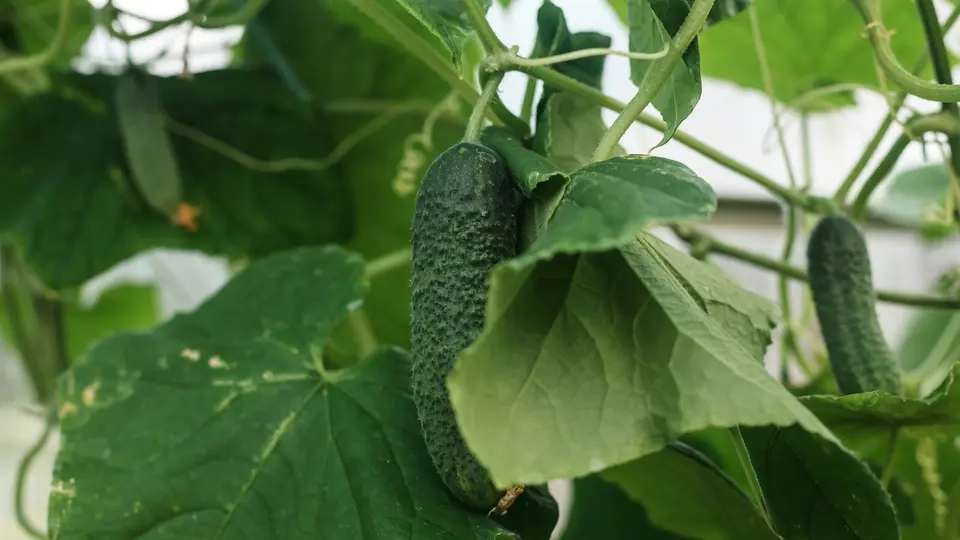
What can you plant outside today?
| Crop and starting material | Check before planting | Decision if the check fails |
|---|---|---|
| Cucumber seeds | Spring frost has passed and seedbed soil has reached the cucumber threshold [1] | Leave the seeds dry and check the bed again |
| Bell pepper transplants | Plants are hardened off, frost risk has passed and forecast nights meet the pepper threshold [2] | Keep starts in their pots under protection and continue acclimating them |
| Dill seeds | Spring frost danger has passed and the final sowing site is ready [3] | Prepare the row and hold the seeds until conditions are suitable |
Find a nearby location in the frost-date directory. Use the spring date to plan when checks should begin. It summarizes the historical risk of a freeze, while your forecast describes the nights immediately ahead. Your bed may also behave differently from the station: a sheltered courtyard can warm differently from a windy plot, and cold air can settle in a low spot. If the date has passed and a freeze is forecast, wait. If your location has little or no spring freeze risk, use regional Extension guidance and still check whether soil and nights have warmed enough for the crop.
Leave room on your garden plan for different planting days. A single bed can have well-drained sunny soil on one end and a cool shaded strip on the other. If you write each crop's requirement on a marker, you can decide which row is ready without relying on memory. Keep an empty row marked while you wait, so you can distinguish it from a row already sown.
Cucumbers: put the thermometer where the seeds will grow
Measure in the bed you plan to sow, at the depth used for the Minnesota recommendation. If the row has a shady end, check there as well as at the sunny end. A reading in a sunny pot or on the patio gives you little information about a shaded patch of garden soil. Check again if a cold spell interrupts a stretch of warm weather. When the soil is ready, sow the cucumbers in place and mark the row [1].
Decide before sowing whether the variety is a bush type or a long vine. A bush variety fits a smaller block. A vining type can use a trellis, and setting the trellis up now keeps you from stepping over seedlings or pushing stakes through their roots later. Where you expect to use a cover, leave enough room to lift it without dragging it over seedlings. Remove covers when insect-pollinated cucumbers flower so pollinators can reach them [1].
Bell peppers: read the overnight forecast before moving the plants
Check nighttime air temperatures for several upcoming nights and consider where the plants will sit. University of Minnesota Extension advises waiting for lows above the transplant threshold. Its threshold concerns outdoor transplants. Conditions that allow peppers to survive a night and conditions that favor steady growth are different decisions. A mild afternoon gives no assurance about the night's low [2].
Harden seedlings before planting by taking them to a protected location and increasing exposure gradually. Check the root ball before you move a plant, and keep it intact when you ease the pepper from its pot. A calm, cloudy day or late afternoon reduces the immediate demand on the plant. If the forecast turns colder while the pots are still portable, hold them back, resume acclimation in suitable weather and recheck before committing the row. The pepper profile covers the species that includes bell peppers [2].
Dill: sow once you have picked its final home
Choose a sunny place sheltered from strong wind, with room for its upright stems. For dill, direct seeding avoids a difficult transplant. It also lets you position the crop where you can reach the leaves without brushing against nearby plants. Mark the row soon after sowing, so you can distinguish it from a strip of weeds or unused ground [3].
Choose whether you want leaves or seed heads before you pick a place. For leaves, put the crop where you can reach it regularly. For seed heads, leave room for stems to grow taller and keep them where they will remain undisturbed while the seed matures. If you want dill for pickling alongside cucumbers, plan both spaces at the same time and sow each crop when its own planting checks pass [1] [3].
What should you do when conditions disagree?
If frost danger has passed, the nights are mild and the cucumber bed is still cool, plant the hardened peppers and hold the cucumber seed. If the warm soil is ready but a cold front brings nights below the pepper threshold without a freeze, reconsider sowing after checking the bed again and keep peppers under cover for now. If frost itself is forecast, postpone all three outdoor jobs. Record which condition held you up. That turns the next decision into a specific check instead of another guess at the calendar [1] [2] [3].
Set the seed packets and the transplants beside the notes from your checks before going out to plant. For instance, a seedbed that meets the cucumber threshold gives you one job to do while peppers wait for milder nights. If dill is also ready, sow it where you planned to leave it, even if the pepper row remains empty. That keeps the decision tied to the conditions for each planting job [1] [2] [3].
Frequently asked questions
Can I use soil temperature to decide when to set out peppers?
Check the forecast nighttime air temperature for that decision. In this guide the measured soil threshold applies to direct-sown cucumbers [1] [2].
Should dill go into the garden as a transplant?
Sow it directly after spring frost danger has passed. The plant is difficult to transplant [3].
Sources
- University of Minnesota Extension, Growing cucumbers in home gardens · extension.umn.edu, consulted
- University of Minnesota Extension, Growing peppers · extension.umn.edu, consulted
- University of Minnesota Extension, Growing dill in home gardens · extension.umn.edu, consulted
Written by Emilio Marruso · last checked