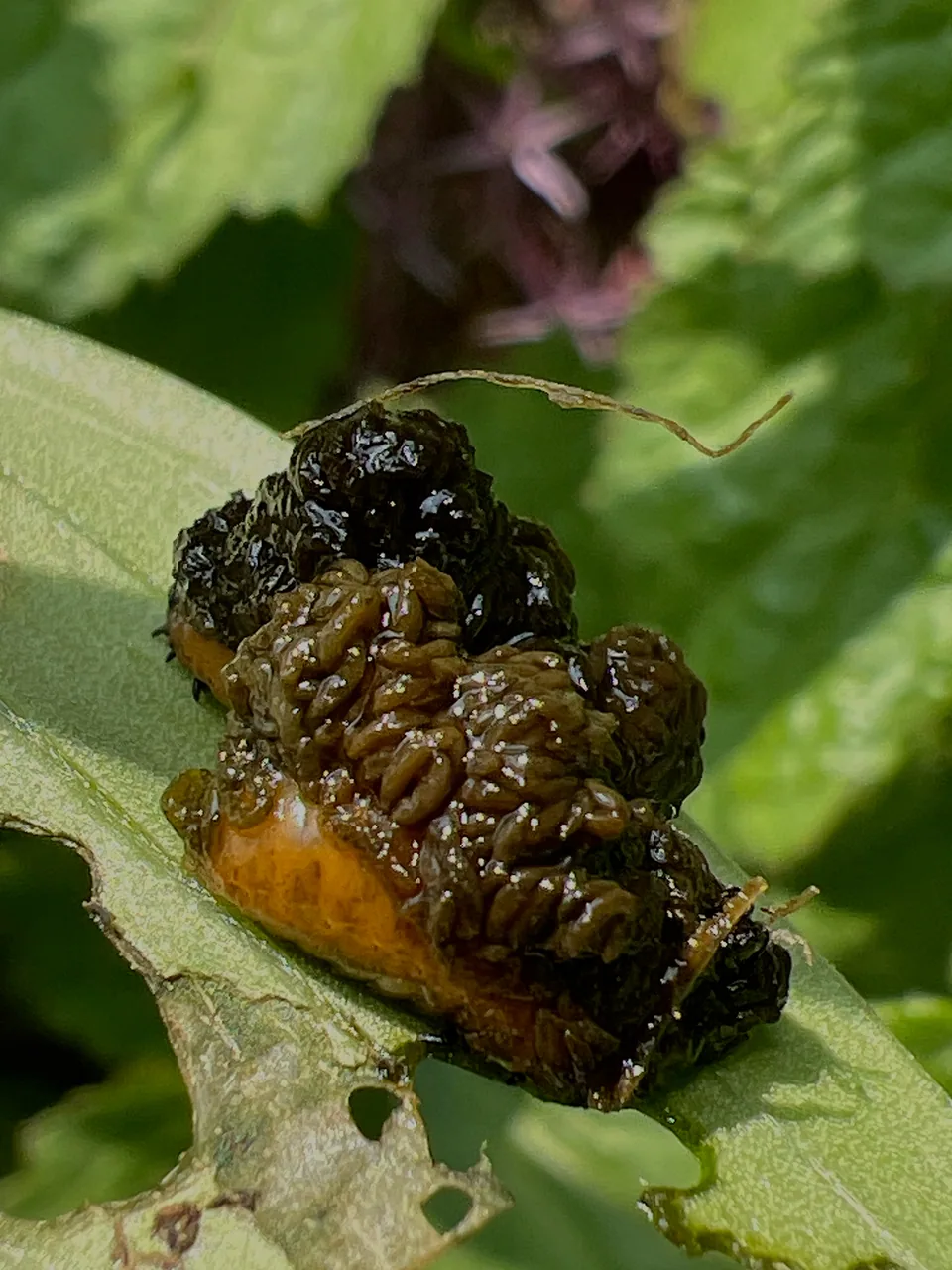
Insect
Lily beetle
Lilioceris lilii
Written by Emilio Marruso
Classification: Arthropoda › Hexapoda › Insecta › Coleoptera › Chrysomelidae › Lilioceris
Plants it attacks
Plants in our guide where this problem is reported. Open a plant to see the sources.
- Surprise Lily
Symptom: May be susceptible to aphids and lily leaf beetle
Also reported on: Carolina Lily, Crown Imperial Fritillary, Easter Lily, Formosan Lily, Gray's Lily, Guinea, Pine Lily, Regal Lily, Rubrum Lily, Turk's-cap Lily, Wood Lily
Remedies
What our plant sheets report, with the outcome checked against official sources. Traditional remedies without an official source are flagged.
Treat
hand-picking adults, eggs and larvae Works
How: Begin scouting for adults in April and destroy any you see; check the undersides of leaves for orange egg masses and destroy them; remove young larvae from leaves; repeat regularly through the summer.
Reported for 2 plants: Easter Lily, Rubrum Lily
handpicking Works
How: Check plants every 2-3 days and manually pick off adult beetles, larvae, and eggs; drop them into hot soapy water or crush them.
Reported for 2 plants: Formosan Lily, Gray's Lily
azadirachtin spray Works
How: Azadirachtin controls small larvae and repels adults; multiple applications are necessary.
Reported for 1 plant: Pine Lily
drop beetles into soapy water Works
How: Crush the insects with your fingers or drop them into a soapy water solution.
Reported for 1 plant: Turk's-cap Lily
hand-picking Works
How: Scout for adults from April, destroy them, then check the undersides of leaves for orange egg masses and destroy those too.
Reported for 1 plant: Regal Lily
hand-picking beetles, eggs and larvae Works
How: Begin scouting for adults in April and destroy any you see; check the undersides of leaves for orange egg masses and destroy them; remove young larvae as they develop; repeat regularly through the summer.
Reported for 1 plant: Crown Imperial Fritillary
neem Partly works
How: Neem will kill the larvae and repel the adults but it must be applied every 5-7 days after the eggs hatch.
Reported for 3 plants: Guinea, Gray's Lily, Rubrum Lily
neem oil spray Partly works
How: Insecticidal soaps or neem oil can be tried against lily beetles.
Reported for 2 plants: Formosan Lily, Easter Lily
neem spray Partly works
How: Apply every five to seven days after eggs begin to hatch.
Reported for 2 plants: Crown Imperial Fritillary, Turk's-cap Lily
hand-picking into soapy water Partly works
How: hand-picking and crushing adults and larvae or knocking them into a container of soapy water; crush eggs by hand
Reported for 1 plant: Carolina Lily
handpicking Partly works
How: Pick the beetles off by hand in a small planting.
Reported for 1 plant: Pine Lily
neem oil Partly works
How: Make sure the oil contains azadirachtin, the active ingredient in neem products. Apply every 5-7 days, with each application heavy and complete.
Reported for 1 plant: Regal Lily
hand-picking Official source, not independently tested
How: Hand-picking adults and eggs can be done if the infestation is not large; turn over leaves to look for the egg masses.
Reported for 1 plant: Guinea
insecticidal soap Official source, not independently tested
How: Insecticidal soap and horticultural oils are listed among organic products that can be used; choose a product labelled for landscape flowers.
Reported for 1 plant: Guinea
knocking beetles into soapy water Official source, not independently tested
How: Hand-pick and crush adults and larvae or knock them into a container of soapy water; crush eggs by hand; repeat regularly through the growing season.
Reported for 1 plant: Rubrum Lily
scraping larvae and eggs into hot soapy water Official source, not independently tested
How: Scout the crop two times per week and scrape off any larvae and eggs into hot, soapy water.
Reported for 1 plant: Easter Lily
soapy water for picked beetles Not verified
How: Squash larvae and adult beetles and drop them into soapy water.
Reported for 1 plant: Regal Lily
5 more remedies are reported in single plant sheets.
Where it is found
Regulated as a quarantine pest in: Mexico.