
How to Grow and Care for Asian White Birch
Betula platyphylla
Written by Emilio Marruso · last checked
At a glance
This birch is easy to place, happy in full sun or part shade as long as its soil stays consistently moist. It even hides a sweet bonus: its sap has been brewed into beer and turned into syrup. Prune it only while it is dormant, keep the shears away when the sap is running, and watch out for the bronze birch borer.
- Sun
Full sun to part shade
What the sources say (3)
- Water
Keep the soil moist all the time
- Pruning
Prune while dormant, but not in winter or spring when the sap is running
What the sources say (2)
Pruning: Dormant season; avoid pruning in winter and spring when the sap is running
you can prune during the dormant season. Do not prune in winter or spring when the sap is running because it will bleed.
— Betula pendula subsp. mandshurica (Asian White Birch) | North Carolina Extension Gardener Plant Toolbox [1] avoid pruning from February through July to prevent bleeding
— Plant Database [3] - Harvest
The sap has been brewed into beer and turned into syrup
- Pests
Bronze birch borer, aphids, leaf miners and birch skeletonizer; also leaf spot
What the sources say (2)
Pests: bronze birch borer, aphids, leaf miner, birch skeletonizer
The Asian White Birch is susceptible to the bronze birch borer, which infects and kills trees. Aphids, leaf miner and birch skeletonizer may also occur.
— Betula pendula subsp. mandshurica (Asian White Birch) | North Carolina Extension Gardener Plant Toolbox [1] Diseases: leaf spot
Aphids, leaf miner and birch skeletonizer may also occur. Watch for leaf spot problems.
— Betula pendula subsp. mandshurica (Asian White Birch) | North Carolina Extension Gardener Plant Toolbox [1] - Watch out
The bronze birch borer can kill the tree
- Propagation
From cuttings; named varieties are grafted onto seedlings
What the sources say (1)
Propagation: Cuttings; cultivars grafted on seedlings
cultivars grafted on seedlings
— Plant Database [3]
Overview
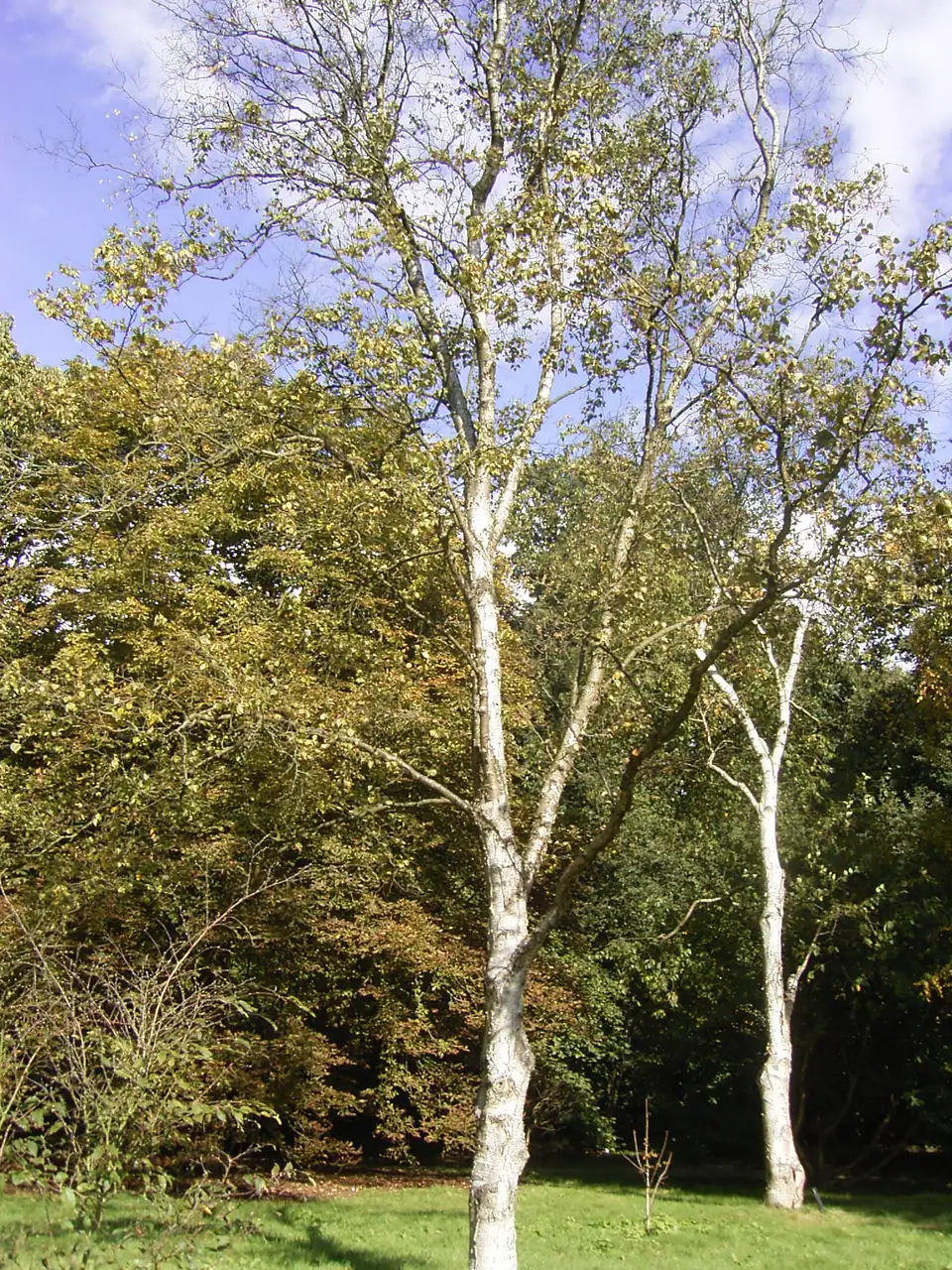
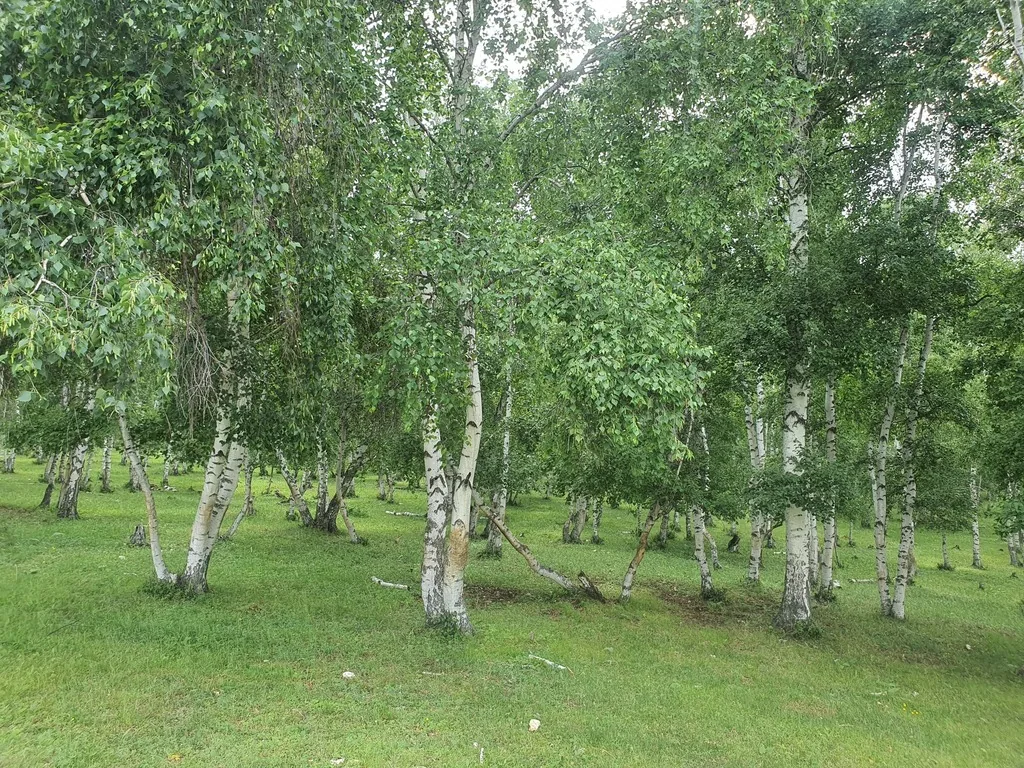
Asian white birch is a deciduous tree grown for its smooth white bark. [1][3] It is susceptible to the bronze birch borer. [1][2]
Asian White Birch care
How to water Asian White Birch
How much light Asian White Birch needs
Full sun to part shade
How much cold Asian White Birch can take
Hardiness, coldest zone
The sources give different values depending on region, zone or growing conditions.
What each source says
According to NC State Extension: 5a [winter low −28.9 to −26.1 °C (−20 to −15 °F)]
According to Oregon State University: 4-5 [winter low −34.4 to −23.3 °C (−30 to −10 °F)]
What the sources say (2)
According to NC State Extension: 5a, 5b, 6a, 6b, 7a, 7b, 8a, 8bAccording to Oregon State University: Hardy to USDA Zone (4)5Hardiness, warmest zone
8b [winter low −9.4 to −6.7 °C (15 to 20 °F)]
What the sources say (1)
5a, 5b, 6a, 6b, 7a, 7b, 8a, 8bHow to propagate Asian White Birch
Cuttings; cultivars grafted on seedlings
What the sources say (1)
cultivars grafted on seedlingsHow to grow Asian White Birch
The plant
Family
Betulaceae
What the sources say (1)
Common name: Asian White Birch Manchurian Birch Pronunciation: BET-u-la plat-i-FIL-a Family: Betulaceae Genus: BetulaPests and diseases
Pests
bronze birch borer, aphids, leaf miner, birch skeletonizer
What the sources say (1)
The Asian White Birch is susceptible to the bronze birch borer, which infects and kills trees. Aphids, leaf miner and birch skeletonizer may also occur.Diseases
leaf spot
What the sources say (1)
Aphids, leaf miner and birch skeletonizer may also occur. Watch for leaf spot problems.Asian White Birch pests and problems
Bronze birch borer
Symptom: Infects and kills trees
What the sources say (1)
susceptible to the bronze birch borer, which infects and kills trees.
— Betula pendula subsp. mandshurica (Asian White Birch) | North Carolina Extension Gardener Plant Toolbox [1]
Remedies
Each remedy shows what official sources say about it; traditional remedies without an official source are marked as such. Harmful ones are listed so you know to avoid them.
Treating the plant
birch leafminer
pinching leaves to kill larvae Partly works
How: Pinch leaves to kill larvae in minor infestations on small trees.
Pinch leaves to kill larvae in minor infestations on small trees.
— hortsense.cahnrs.wsu.edu [4] What the evidence says Pinch leaves to kill larvae in minor infestations on small trees.
— hortsense.cahnrs.wsu.edu [4]
Calendar
Pruning
Dormant season; avoid pruning in winter and spring when the sap is running
What the sources say (2)
you can prune during the dormant season. Do not prune in winter or spring when the sap is running because it will bleed.avoid pruning from February through July to prevent bleedingMonths as given by the sources, which are mostly from the United States (northern hemisphere). In the southern hemisphere they shift by about six months.
Edibility
Reported by the source, quoted verbatim. Do not eat a plant on the basis of this page alone: identification mistakes can be dangerous.
Sap has been brewed as a beer and turned into syrup.
[1]
Indicative values
Values from a secondary source, not checked word for word like the rest of this page. Use them as a starting point.
- Life cycle
- PerennialIndicative value, adapt it to your climate · Secondary source
- Mature height
- 914.4-1219.2 cm (30-40 ft)Indicative value, adapt it to your climate · Secondary source
- Hours of sun
- 6-8 hoursIndicative value, adapt it to your climate · Secondary source
- Soil pH
- 5-6.5Indicative value, adapt it to your climate · Secondary source
- Care level
- MediumIndicative value, adapt it to your climate · Secondary source
- Growth rate
- ModerateIndicative value, adapt it to your climate · Secondary source
Similar plants
- Black birch Betula occidentalis
- European White Birch Betula pendula
- Jacquemontii Birch Tree Betula jacquemontii
- Japanese Cherry Birch Betula grossa
- Monarch Birch Betula maximowicziana
- Paper Birch Betula papyrifera
- Sweet Birch Betula lenta
- Yellow Birch Betula alleghaniensis
Sources
Every value above is quoted from these documents. Links lead to the original publisher.
- Betula pendula subsp. mandshurica (Asian White Birch) | North Carolina Extension Gardener Plant Toolbox · plants.ces.ncsu.edu, consulted
- Betula platyphylla | Landscape Plants | Oregon State University · landscapeplants.oregonstate.edu, consulted
- Plant Database · plantdatabase.uconn.edu, consulted
- hortsense.cahnrs.wsu.edu · hortsense.cahnrs.wsu.edu
Written by Emilio Marruso · last checked