
How to Grow and Care for Midland Hawthorn
Crataegus laevigata
Written by Emilio Marruso · last checked
At a glance
English hawthorn is an easygoing tree that spreads 12–20 ft wide and grows happily in almost any soil, from pH 5.0 to 8.0. It is not a heavy feeder, so a little feeding in spring is all it asks. You can start it yourself from seed sown in autumn, and even nibble its young leaves and shoots raw.
- Water
Keep the soil moist but well drained; short dry spells are fine
What the sources say (1)
Watering: Consistently moist, well-drained soil with occasional periods of dry soil
Consistently moist, well-drained soil; Occasional periods of dry soil
— Woody Plants Database [5] - Soil
Almost any soil, from acidic to alkaline: pH 5.0–8.0
- Planting
Move young plants to a nursery bed or their final spot in late spring
What the sources say (1)
Planting: Late spring (seedlings into nursery beds or final positions)
planting them out in late spring into nursery beds or their final positions
— Midland Hawthorn (Crataegus laevigata) — Practical Plants [6] - Feeding
Not a heavy feeder: feed in spring, before new growth starts
What the sources say (5)
When: Spring, before new growth starts
Fertilize the hawthorn tree with a 10-10-10 fertilizer in the spring before new growth starts. Use one tablespoon of fertilizer per foot of tree height, up to one cup of fertilizer.
— [7] Hawthorns are difficult to propagate from seed, but do throw out shoots that can be replanted. Local nurseries sell hawthorns. They should be planted in full sun, and fertilized in the spring.
— [8] or blood, fish and bone applied in early spring (February) often gives newly-planted hedges and trees a boost during the growing season
— [9] Natural fertilizers: Not a heavy feeder; blood, fish and bone in early spring for newly planted hedges and trees
Hawthorn aren't heavy feeders, but a general purpose fertiliser
— [9] or blood, fish and bone applied in early spring (February) often gives newly-planted hedges and trees a boost during the growing season
— [9] - Harvest
Young leaves and shoots can be eaten raw; the fruit is dry and mealy
- Pests
Leaf spot can strip all the leaves; hot, humid summers make disease more likely
What the sources say (1)
Diseases: leaf spot
susceptible to leaf spot which can defoliate the entire tree
— Woody Plants Database [5] - Size
Spreads 12–20 ft wide
What the sources say (1)
Mature width: 365.76-609.6 cm (12-20 ft)
Tree Height: 15' - 20' (12' - 20' spread) Leaves: Deciduous Shape: round; low-branching
— Woody Plants Database [5] - Propagation
By seed or grafting; grafting is the surest way to get a good fruiting plant
What the sources say (2)
Propagation: Seed; grafting (most reliable way of obtaining a good fruiting form)
Seed - this is best sown as soon as it is ripe in the autumn in a cold frame
— Midland Hawthorn (Crataegus laevigata) — Practical Plants [6] The most reliable way of obtaining a good fruiting form is by grafting from a known good tree
— Crataegus laevigata - Useful Temperate Plants [3] - Sowing
Sow seeds as soon as they ripen in autumn, in a cold frame
What the sources say (1)
Sowing: As soon as ripe in autumn, in a cold frame
Seed - this is best sown as soon as it is ripe in the autumn in a cold frame
— Midland Hawthorn (Crataegus laevigata) — Practical Plants [6]
Overview
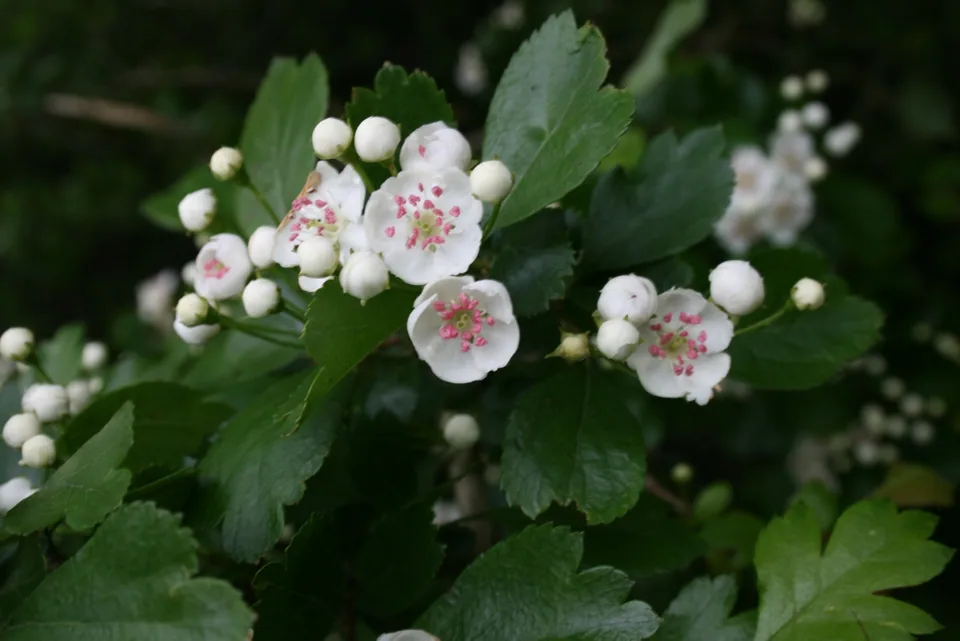
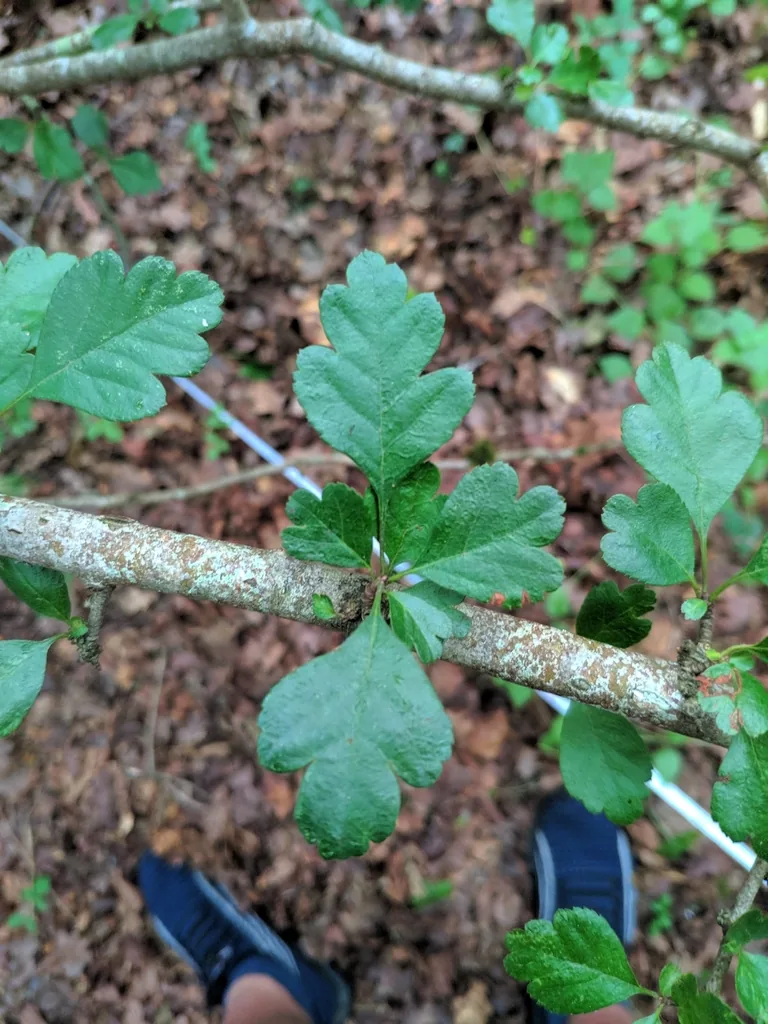
Crataegus laevigata is a thorny deciduous shrub or small tree grown as an ornamental and for hedging. [3][1] It tolerates a wide range of soil pH and is propagated by seed or grafting. [5][3]
This record is incomplete: the sources we read do not cover every field yet.
Not yet covered by our sources: Hardiness, coldest zone, Hardiness, warmest zone, Pruning
Midland Hawthorn care
How to water Midland Hawthorn
Consistently moist, well-drained soil with occasional periods of dry soil
What the sources say (1)
Consistently moist, well-drained soil; Occasional periods of dry soilHow much light Midland Hawthorn needs
The sources give different values depending on region, zone or growing conditions.
What each source says
According to Plants For A Future: Full sun to medium shade
According to USU Extension: Shade intolerant
How much cold Midland Hawthorn can take
Hardiness, coldest zone
The sources give different values depending on region, zone or growing conditions.
What each source says
According to Cornell: 5a [winter low −28.9 to −26.1 °C (−20 to −15 °F)]
What the sources say (1)
According to Cornell: Hardy To Zone:
5aHardiness, warmest zone
Not stated in the sources we read.
Best soil for Midland Hawthorn
Soil pH, minimum
5.0
What the sources say (1)
Can tolerate acid to alkaline soil (pH 5.0 to 8.0)Soil pH, maximum
8.0
What the sources say (1)
Can tolerate acid to alkaline soil (pH 5.0 to 8.0)How to propagate Midland Hawthorn
Seed; grafting (most reliable way of obtaining a good fruiting form)
What the sources say (2)
Seed - this is best sown as soon as it is ripe in the autumn in a cold frameThe most reliable way of obtaining a good fruiting form is by grafting from a known good treeHow to grow Midland Hawthorn
The plant
Family
Rosaceae
What the sources say (1)
Crataegus laevigata
Rosaceae - Rose
## Description
Leaves: Alternate;Mature height
Mature width
365.76-609.6 cm (12-20 ft)
What the sources say (1)
Tree Height:
15' - 20' (12' - 20' spread)
Leaves:
Deciduous
Shape:
round; low-branchingPests and diseases
Diseases
leaf spot
What the sources say (1)
susceptible to leaf spot which can defoliate the entire treeFertilizing
When
Spring, before new growth starts
What the sources say (3)
Fertilize the hawthorn tree with a 10-10-10 fertilizer in the spring before new growth starts. Use one tablespoon of fertilizer per foot of tree height, up to one cup of fertilizer.Hawthorns are difficult to propagate from seed, but do throw out shoots that can be replanted. Local nurseries sell hawthorns. They should be planted in full sun, and fertilized in the spring.or blood, fish and bone applied in early spring (February) often gives newly-planted hedges and trees a boost during the growing seasonNatural fertilizers
Not a heavy feeder; blood, fish and bone in early spring for newly planted hedges and trees
Mineral fertilizers
10-10-10 fertilizer: 14.8 mL per 30.5 cm [12 in] of tree height, up to 237 mL
What the sources say (1)
Fertilize the hawthorn tree with a 10-10-10 fertilizer in the spring before new growth starts. Use one tablespoon of fertilizer per foot of tree height, up to one cup of fertilizer.Midland Hawthorn pests and problems
Leaf spot
Symptom: Can defoliate the entire tree
What the sources say (1)
susceptible to leaf spot which can defoliate the entire tree
— Woody Plants Database [5] Hot humid summers
Symptom: Greater susceptibility to disease
What the sources say (1)
The plant dislikes hot, humid summers which can produce a greater susceptibility to disease
— Crataegus laevigata - Useful Temperate Plants [3]
Remedies
The sources we checked give no remedies for this plant.
Calendar
Sowing
As soon as ripe in autumn, in a cold frame
What the sources say (1)
Seed - this is best sown as soon as it is ripe in the autumn in a cold framePlanting
Late spring (seedlings into nursery beds or final positions)
What the sources say (1)
planting them out in late spring into nursery beds or their final positionsPruning
Not stated in the sources we read.
Months as given by the sources, which are mostly from the United States (northern hemisphere). In the southern hemisphere they shift by about six months.
Edibility
Reported by the source, quoted verbatim. Do not eat a plant on the basis of this page alone: identification mistakes can be dangerous.
Similar plants
- Common hawthorn Crataegus monogyna
- Green Hawthorn Crataegus viridis
- Hawthorn Crataegus alabamensis
- Hawthorn Crataegus collina
- Hawthorn Crataegus douglasii
- Hawthorn Crataegus intricata
- Hawthorn Crataegus macrosperma
- Hawthorn Crataegus marshallii
Sources
Every value above is quoted from these documents. Links lead to the original publisher.
- Crataegus laevigata - EUFORGEN European forest genetic resources programme · euforgen.org, consulted
- Hawthorn, English | TreeBrowser | USU · extension.usu.edu, consulted
- Crataegus laevigata - Useful Temperate Plants · temperate.theferns.info, consulted
- Crataegus laevigata - Trees and Shrubs Online · treesandshrubsonline.org, consulted
- Woody Plants Database · woodyplants.cals.cornell.edu, consulted
- Midland Hawthorn (Crataegus laevigata) — Practical Plants · practicalplants.org, consulted
- ask.extension.org · ask.extension.org
- ucanr.edu · ucanr.edu
- rhs.org.uk · rhs.org.uk
Written by Emilio Marruso · last checked