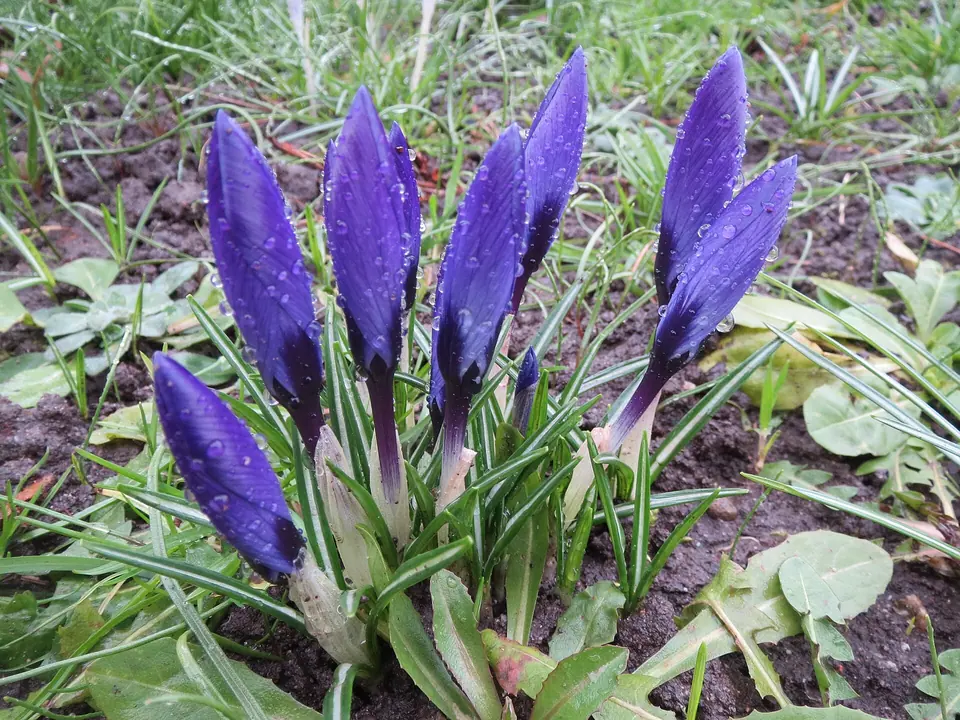
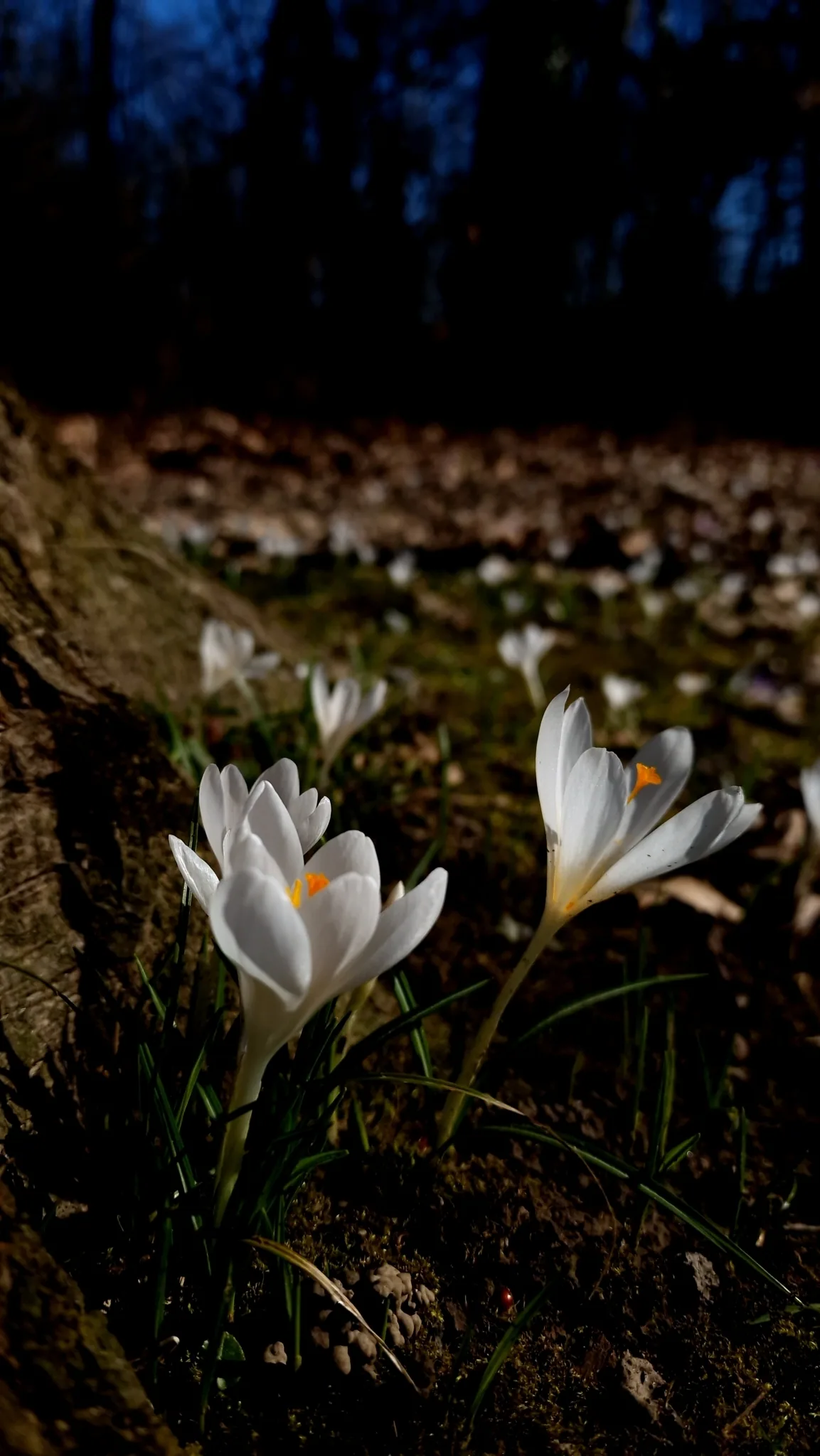

How to Grow and Care for Dutch crocus
Crocus vernus
Written by Emilio Marruso · last checked
At a glance
Crocus is easy to start: plant the corms in fall, 4 inches apart, in full sun or light shade. Give them compost-rich soil and a little balanced organic fertilizer at planting time. They grow in containers too, and over time they make offsets you can divide to spread their color to more corners of your garden.
- Sun
Full sun to light shade
- Cold
Survives winters down to −40 °F (−40 °C)
Very hardy · USDA 3 · RHS H7 · Z3
What the sources say (3)
Hardiness, coldest zone: 3 [winter low −40 to −34.4 °C (−40 to −30 °F)]
Zones : 3, 4, 5, 6, 7, 8
— Dutch crocus - Fine Gardening [5] Minimum cold hardiness: | Zone 3 -40 °C
— Spring Crocus (Crocus vernus) in the Crocus Database - Garden.org [7] Hardiness, warmest zone: 8 [winter low −12.2 to −6.7 °C (10 to 20 °F)]
Zones : 3, 4, 5, 6, 7, 8
— Dutch crocus - Fine Gardening [5] - Spacing
4 in between corms
What the sources say (2)
- Planting
Plant the corms in fall
What the sources say (1)
Planting: Fall
In fall, plant corms four inches deep in groups of six or more.
— Dutch crocus - Fine Gardening [5] - Feeding
Compost-rich soil and a little balanced organic fertilizer at planting
What the sources say (2)
Natural fertilizers: Compost-rich soil; a small amount of balanced organic fertilizer at planting
Crocus loathe becoming waterlogged, so provide well-draining, compost-rich soil.
— Focus on Crocus | UC Marin Master Gardeners [2] When planting, fertilize crocus with a small amount of an organic balanced fertilizer.
— Focus on Crocus | UC Marin Master Gardeners [2] - Pests
Squirrels and mice may eat the corms
- Propagation
Divide the clumps or separate the small offsets
Overview
Dutch crocus (Crocus vernus) is a very early spring-flowering corm that naturalizes in lawns, borders and rock gardens. [5][1] It is grown in full sun to light shade in average, well-drained soil, with corms planted in fall. [5] The Dutch hybrids of C. vernus are the top choice for planting under garden lawns and in containers. [3]
This record is incomplete: the sources we read do not cover every field yet.
Not yet covered by our sources: Watering, Pruning
Dutch crocus care
How to water Dutch crocus
Not stated in the sources we read.
How much light Dutch crocus needs
How much cold Dutch crocus can take
Hardiness, coldest zone
3 [winter low −40 to −34.4 °C (−40 to −30 °F)]
Hardiness, warmest zone
8 [winter low −12.2 to −6.7 °C (10 to 20 °F)]
What the sources say (1)
Zones :
3, 4, 5, 6, 7, 8Where to grow Dutch crocus
In containers
Yes
Spacing
9 cm (4 in)
What each source says
According to University of Nebraska-Lincoln Extension (table: planting depth 3, spacing 4, flower height 6, inches): 10.2 cm (4 in)
How to propagate Dutch crocus
How to grow Dutch crocus
Fertilizing
When
The sources disagree:
What each source says
in containers: When in leaf
in the ground: No feeding needed
What the sources say (2)
in containers: Specialist crocuses grown in containers can be fed with a high potassium liquid feed when in leaf, making sure to follow the dose rate and frequency recommended by the manufacturer.in the ground: Crocuses grown in the ground shouldn't need feeding.
Specialist crocuses grown in containers can be fed with a high potassium liquid feed when in leafNatural fertilizers
Compost-rich soil; a small amount of balanced organic fertilizer at planting
Mineral fertilizers
The sources give different values depending on region, zone or growing conditions.
What each source says
in containers: High-potassium liquid feed at the dose rate on the label
What the sources say (1)
in containers: Specialist crocuses grown in containers can be fed with a high potassium liquid feed when in leaf, making sure to follow the dose rate and frequency recommended by the manufacturer.Dutch crocus pests and problems
Squirrels and mice
Symptom: Squirrels and mice may eat the corms.
What the sources say (1)
Problems Nothing serious, but squirrels and mice may eat the corms.
— Dutch crocus - Fine Gardening [5]
Remedies
Each remedy shows what official sources say about it; traditional remedies without an official source are marked as such. Harmful ones are listed so you know to avoid them.
Treating the plant
squirrels and mice eating corms
hardware cloth lining and sharp gravel in the planting hole Not verified
Traditional remedy, not verified by an official source.
How: Line planting holes with small baskets of 1/4-inch hardware cloth, or add sharp, crushed gravel to the planting hole; lay one-inch wire mesh over bulb beds and fasten it into the soil.
Calendar
Planting
Fall
What the sources say (1)
In fall, plant corms four inches deep in groups of six or more.Pruning
Not stated in the sources we read.
Months as given by the sources, which are mostly from the United States (northern hemisphere). In the southern hemisphere they shift by about six months.
Indicative values
Values from a secondary source, not checked word for word like the rest of this page. Use them as a starting point.
- Life cycle
- PerennialIndicative value, adapt it to your climate · Secondary source
- Mature height
- 7.6-15.2 cm (0.25-0.5 ft)Indicative value, adapt it to your climate · Secondary source
- Hours of sun
- 5-6 hoursIndicative value, adapt it to your climate · Secondary source
- Watering
- AverageIndicative value, adapt it to your climate · Secondary source
- Soil pH
- 6-7Indicative value, adapt it to your climate · Secondary source
- Care level
- MediumIndicative value, adapt it to your climate · Secondary source
- Growth rate
- LowIndicative value, adapt it to your climate · Secondary source
- Pruning
- February, March, AprilIndicative value, adapt it to your climate · Secondary source
Similar plants
- Crocus corsicus Crocus corsicus
- Crocus weldenii Crocus weldenii
- Saffron Crocus sativus
- Snow Crocus Crocus chrysanthus
- Woodland crocus Crocus tommasinianus
- Crocus etruscus Crocus etruscus
- Crocus ligusticus Crocus ligusticus
- Crocus longiflorus Crocus longiflorus
Sources
Every value above is quoted from these documents. Links lead to the original publisher.
- · extensionpubs.unl.edu, consulted
- Focus on Crocus | UC Marin Master Gardeners · ucanr.edu, consulted
- How to grow crocuses / RHS Growing Guide · rhs.org.uk, consulted
- How to Grow Crocuses | BBC Gardeners World Magazine · gardenersworld.com, consulted
- Dutch crocus - Fine Gardening · finegardening.com, consulted
- The Ultimate Crocus Growing Guide | Gardening Know How · gardeningknowhow.com, consulted
- Spring Crocus (Crocus vernus) in the Crocus Database - Garden.org · garden.org, consulted
- vernus vernus · srgc.org.uk, consulted
Written by Emilio Marruso · last checked