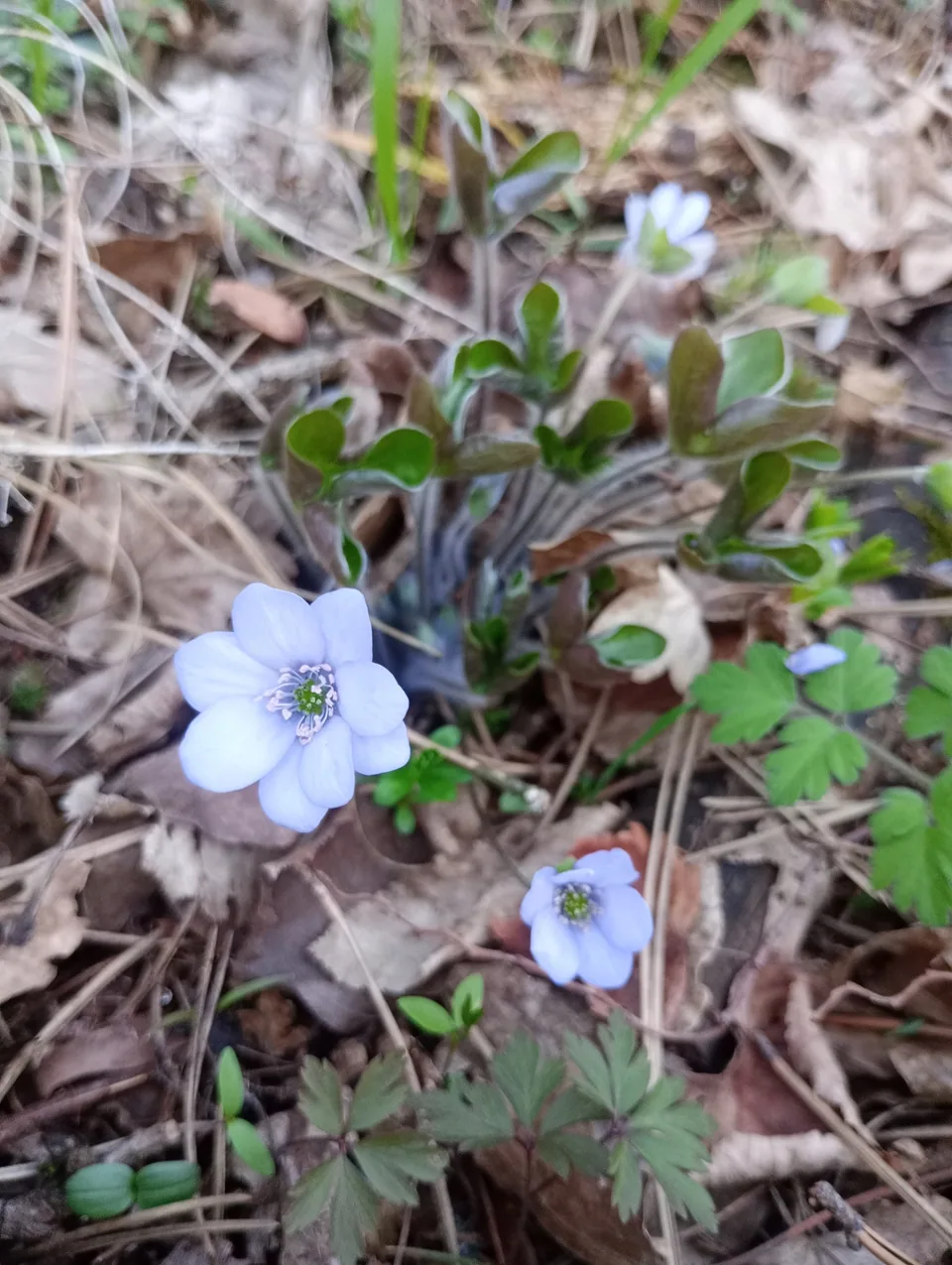
How to Grow and Care for Hepatica
Hepatica nobilis
Written by Emilio Marruso · last checked
At a glance
Hepatica is a tiny perennial, just 3 to 6 inches tall and wide, made for the shady corners of your garden. Give it part to full shade and soil that stays moist but never soggy, and it will come back year after year. Once it has finished flowering, you can divide it to share with friends or fill more shady spots.
- Sun
Part shade to full shade
What the sources say (1)
Light: Part shade to full shade
Sunlight: - part shade - full shade
— Explore Cornell - Home Gardening - Flower Growing Guides - Growing Guide [2] - Water
Keep the soil moist but not soggy
What the sources say (1)
Watering: Keep soil moist but not soggy
Keep soil moist but not soggy. Does not like being disturbed.
— Explore Cornell - Home Gardening - Flower Growing Guides - Growing Guide [2] - Cold
Survives winters down to −20 °F (−28.9 °C)
Very hardy · USDA 5 · RHS H7 · Z5
What the sources say (2)
Hardiness, coldest zone: 5 [winter low −28.9 to −23.3 °C (−20 to −10 °F)]
Hardiness zones: - 5 to 8
— Explore Cornell - Home Gardening - Flower Growing Guides - Growing Guide [2] Hardiness, warmest zone: 8 [winter low −12.2 to −6.7 °C (10 to 20 °F)]
Hardiness zones: - 5 to 8
— Explore Cornell - Home Gardening - Flower Growing Guides - Growing Guide [2] - Pests
Watch for slugs and snails; it can get rust and leaf smut
- Size
3 to 6 inches tall and wide
What the sources say (2)
Mature height: 7.62-15.24 cm (0.25 to 0.5 feet)
Height: 0.25 to 0.5 feet
— Explore Cornell - Home Gardening - Flower Growing Guides - Growing Guide [2] Mature width: 7.62-15.24 cm (0.25 to 0.5 feet)
Spread: 0.25 to 0.5 feet
— Explore Cornell - Home Gardening - Flower Growing Guides - Growing Guide [2] - Propagation
Divide it right after flowering, or sow fresh seed from this year in summer
What the sources say (1)
Propagation: Seed (present season seed sown in summer), division or separation (shortly after flowering)
Propagate by seed, division or separation - Sow the present season�s seeds in the summer, or divide the plants shortly after flowering.
— Explore Cornell - Home Gardening - Flower Growing Guides - Growing Guide [2]
Overview
A small semi-evergreen woodland perennial with blue, violet, white or pink flowers in early spring. [2] It grows in part to full shade in moist, humus-rich soil. [2] It is propagated by seed or by division. [2]
This record is incomplete: the sources we read do not cover every field yet.
Not yet covered by our sources: Pruning
Hepatica care
How to water Hepatica
Keep soil moist but not soggy
What the sources say (1)
Keep soil moist but not soggy. Does not like being disturbed.How much light Hepatica needs
Part shade to full shade
What the sources say (1)
Sunlight:
- part shade
- full shadeHow much cold Hepatica can take
Hardiness, coldest zone
5 [winter low −28.9 to −23.3 °C (−20 to −10 °F)]
What the sources say (1)
Hardiness zones:
-
5 to 8Hardiness, warmest zone
8 [winter low −12.2 to −6.7 °C (10 to 20 °F)]
What the sources say (1)
Hardiness zones:
-
5 to 8How to propagate Hepatica
Seed (present season seed sown in summer), division or separation (shortly after flowering)
What the sources say (1)
Propagate by
seed,
division or separation
- Sow the present season�s seeds in the summer, or divide the plants shortly after flowering.How to grow Hepatica
The plant
Life cycle
perennial
What the sources say (1)
Lifecycle:
perennial
Ease-of-care:
moderately difficultFamily
Ranunculaceae
What the sources say (1)
Hepatica nobilis
Ranunculaceae Family
Synonym: Hepatica americana, Hepatica nobilis var. obtusaMature height
7.62-15.24 cm (0.25 to 0.5 feet)
What the sources say (1)
Height:
0.25 to 0.5 feet
Mature width
7.62-15.24 cm (0.25 to 0.5 feet)
What the sources say (1)
Spread:
0.25 to 0.5 feetPests and diseases
Pests
slugs and snails
What the sources say (1)
Pests:
Slugs and snailsDiseases
rust, leaf smut
What the sources say (1)
Diseases:
Rust
Leaf smutHepatica pests and problems
Slugs and snails
Symptom: Listed as pest of the plant.
What to do: Not stated in the source.
What the sources say (1)
Pests: Slugs and snails
— Explore Cornell - Home Gardening - Flower Growing Guides - Growing Guide [2]
Remedies
The sources we checked give no remedies for this plant.
Calendar
Pruning
Not stated in the sources we read.
Months as given by the sources, which are mostly from the United States (northern hemisphere). In the southern hemisphere they shift by about six months.
Similar plants
- Round-lobed Hepatica Hepatica americana
- Aconite Aconitum napellus
- Baneberry Actaea pachypoda
- Black caraway Nigella sativa
- Black Cohosh Actaea racemosa
- Blue Jasmine Clematis crispa
- Bugbane Actaea podocarpa
- Bugbane Actaea simplex
Sources
Every value above is quoted from these documents. Links lead to the original publisher.
- Hepatica nobilis Schreb. | Plants of the World Online | Kew Science · powo.science.kew.org, consulted
- Explore Cornell - Home Gardening - Flower Growing Guides - Growing Guide · gardening.cornell.edu, consulted
- Hepatica · fs.usda.gov, consulted
- Hepatica – Wisconsin Horticulture · hort.extension.wisc.edu, consulted
Written by Emilio Marruso · last checked