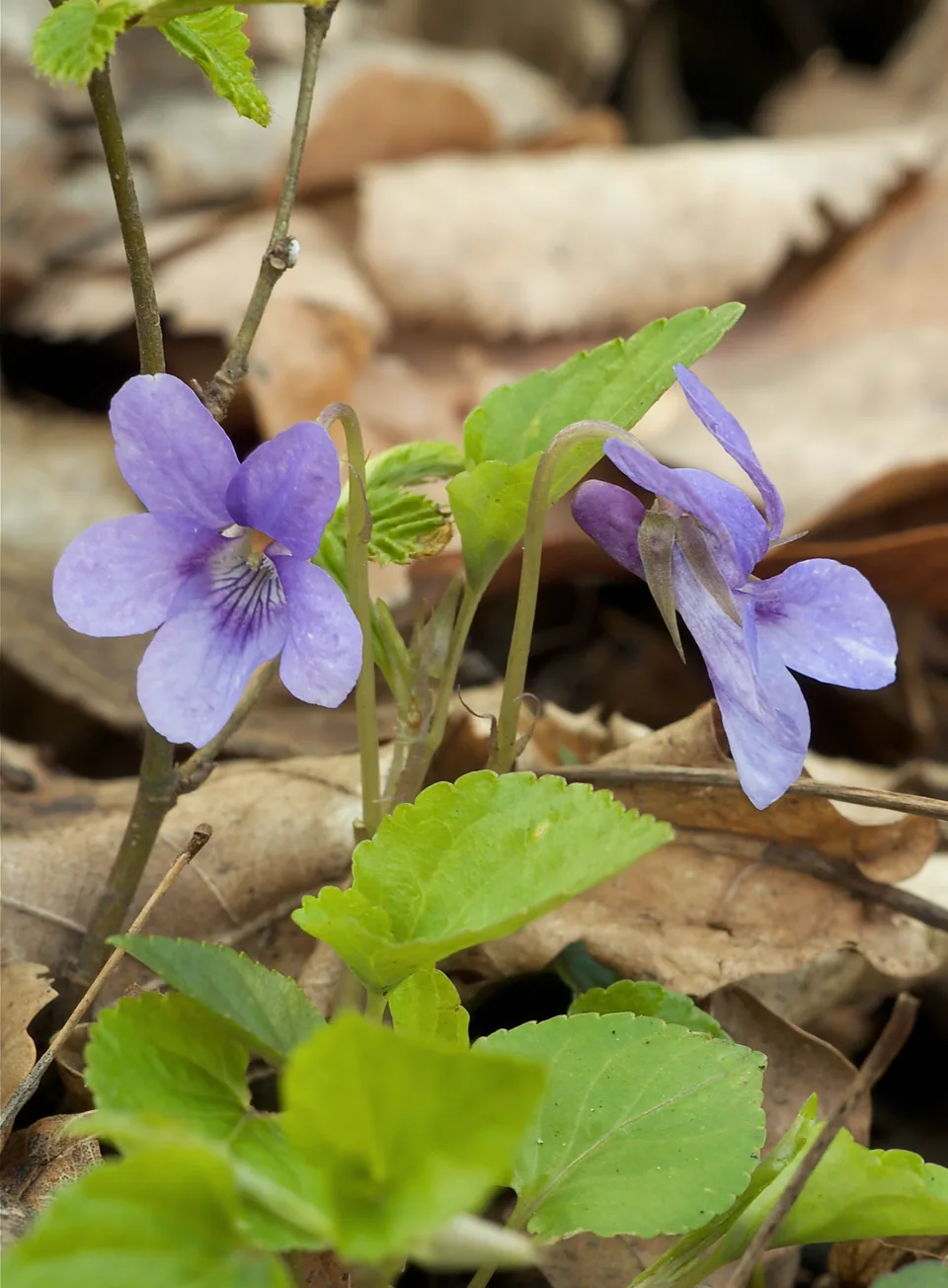
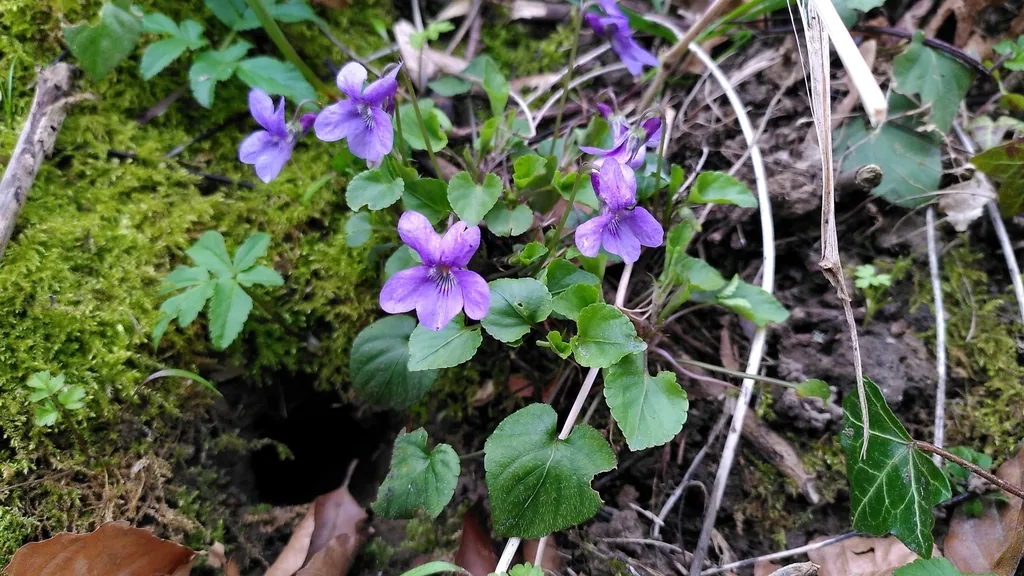

How to Grow and Care for Early dog-violet
Viola reichenbachiana
Written by Emilio Marruso · last checked
At a glance
Wood violet is a lovely choice for the shady corners of your garden: it likes partial or dappled shade and cool, moist soil rich in humus. Sow it in autumn or divide it after flowering to get more plants. As a bonus, its young leaves and flower buds are edible, raw or cooked, and the leaves make a tea.
- Sun
Partial or dappled shade
What the sources say (1)
Light: Partial or dappled shade
Prefers a cool moist well-drained humus-rich soil in partial or dappled shade and protection from scorching winds.
— Viola reichenbachiana - Useful Temperate Plants [1] - Water
Keep the soil cool and moist, but well drained
What the sources say (1)
Watering: Cool, moist, well-drained, humus-rich soil
Prefers a cool moist well-drained humus-rich soil in partial or dappled shade and protection from scorching winds.
— Viola reichenbachiana - Useful Temperate Plants [1] - Soil
Well-drained soil rich in humus, pH 6.0 or higher
What the sources say (2)
Watering: Cool, moist, well-drained, humus-rich soil
Prefers a cool moist well-drained humus-rich soil in partial or dappled shade and protection from scorching winds.
— Viola reichenbachiana - Useful Temperate Plants [1] Soil pH, minimum: 6.0
Prefers a pH between 6 and 6.5
— Viola reichenbachiana - Useful Temperate Plants [1] - Planting
Plant seedlings and divisions in summer or the following spring
What the sources say (1)
Planting: Summer or the following spring (seedlings and divisions)
Plant them out in the summer or the following spring.
— Viola reichenbachiana - Useful Temperate Plants [1] - Harvest
Young leaves and flower buds are edible raw or cooked; the leaves make a tea
- Watch out
Shelter it from hot, scorching winds
What the sources say (1)
Watering notes: Protection from scorching winds
Prefers a cool moist well-drained humus-rich soil in partial or dappled shade and protection from scorching winds.
— Viola reichenbachiana - Useful Temperate Plants [1] - Propagation
Divide it in autumn or just after flowering
What the sources say (1)
Propagation: Seed in a cold frame; division in autumn or just after flowering
Division in the autumn or just after flowering.
— Viola reichenbachiana - Useful Temperate Plants [1] - Sowing
Sow in autumn in a cold frame; stored seed in early spring
What the sources say (2)
Sowing: Autumn (stored seed: early spring)
Seed - best sown in the autumn in a cold frame. Sow stored seed in early spring in a cold frame.
— Viola reichenbachiana - Useful Temperate Plants [1] Propagation: Seed in a cold frame; division in autumn or just after flowering
Division in the autumn or just after flowering.
— Viola reichenbachiana - Useful Temperate Plants [1]
Overview
Viola reichenbachiana is a herbaceous perennial that forms a dense mat of growth up to 15 cm [5.9 in] tall. [1] It prefers partial or dappled shade and a cool, moist, well-drained, humus-rich soil. [1]
This record is incomplete: the sources we read do not cover every field yet.
Not yet covered by our sources: Hardiness, coldest zone, Hardiness, warmest zone, Pruning
Early dog-violet care
Measurements in square brackets are our conversion into the other unit system; the quoted text is unchanged.
How to water Early dog-violet
Watering
Cool, moist, well-drained, humus-rich soil
What the sources say (1)
Prefers a cool moist well-drained humus-rich soil in partial or dappled shade and protection from scorching winds.Watering notes
Protection from scorching winds
What the sources say (1)
Prefers a cool moist well-drained humus-rich soil in partial or dappled shade and protection from scorching winds.How much light Early dog-violet needs
Partial or dappled shade
What the sources say (1)
Prefers a cool moist well-drained humus-rich soil in partial or dappled shade and protection from scorching winds.How much cold Early dog-violet can take
Hardiness, coldest zone
Not stated in the sources we read.
Hardiness, warmest zone
Not stated in the sources we read.
Best soil for Early dog-violet
6.0
What the sources say (1)
Prefers a pH between 6 and 6.5How to propagate Early dog-violet
Seed in a cold frame; division in autumn or just after flowering
What the sources say (1)
Division in the autumn or just after flowering.Remedies
The sources we checked give no remedies for this plant.
Calendar
Sowing
Autumn (stored seed: early spring)
What the sources say (1)
Seed - best sown in the autumn in a cold frame. Sow stored seed in early spring in a cold frame.Planting
Summer or the following spring (seedlings and divisions)
What the sources say (1)
Plant them out in the summer or the following spring.Pruning
Not stated in the sources we read.
Months as given by the sources, which are mostly from the United States (northern hemisphere). In the southern hemisphere they shift by about six months.
Edibility
Reported by the source, quoted verbatim. Do not eat a plant on the basis of this page alone: identification mistakes can be dangerous.
Similar plants
- Bird-Foot Violet Viola pedata
- Bog White Viola Viola lanceolata
- Canadian Violet Viola canadensis
- Common Blue Violet Viola sororia
- Field Pansy Viola arvensis
- Field Pansy Viola rafinesquei
- Hairy Yellow Violet Viola pubescens
- Hybrid violet Viola wittrockiana
Sources
Every value above is quoted from these documents. Links lead to the original publisher.
- Viola reichenbachiana - Useful Temperate Plants · temperate.theferns.info, consulted
- Flora of the Burren and Southeast Connemara: Viola reichenbachiana · flora-burren.linnaeus.naturalis.nl, consulted
- HortFlora · hortflora.rbg.vic.gov.au, consulted
Written by Emilio Marruso · last checked