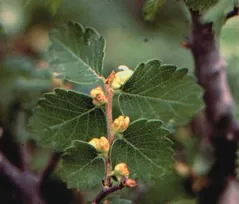

How to Grow and Care for Zelkova siciliana
Zelkova sicula
Written by Emilio Marruso · last checked
At a glance
Zelkova sicula belongs to the elm family and has a quietly tough side: it copes moderately well with severe summer drought, though it is happiest in moist conditions. Its seeds appear sterile, so new trees come from root suckers and root cuttings. Keep it moist through heat waves and dry spells, and you'll help this unusual tree thrive in your garden.
- Water
Likes moist soil; water during heat and drought, which can badly injure it
What the sources say (2)
Watering notes: Requires moist conditions; severe heat and droughts cause severe injuries, though the species is moderately well adapted to severe summer drought
it requires moist conditions and point out the negative effects of severe heat episodes
— IUCN Top 50 - Zelkova sicula [5] Z. abelicea and Z. sicula are moderately well adapted to severe summer drought
— Zelkova - Trees and Shrubs Online [8] - Cold
Survives winters down to 0 °F (−17.8 °C)
Hardy in very cold winters · USDA 7 · RHS H6 · Z7
What the sources say (1)
Hardiness, coldest zone: 7 [winter low −17.8 to −12.2 °C (0 to 10 °F)]
USDA Hardiness Zone  7
— Zelkova sicula - Trees and Shrubs Online [1] - Pests
Aphids and fungi such as molds can affect it
- Propagation
Grow new plants from root suckers or root cuttings; its seeds seem to be sterile
What the sources say (3)
Propagation: Root suckers; root cuttings; micropropagation of cuttings (seeds appear sterile)
all seeds produced appear to be sterile and propagation is from root suckers
— Sicilian Zelkova [2] the micropropagation of cuttings for more widespread ex situ conservation and for commercial sale has been co-ordinated by the National Botanical Conservatory of Brest in France
— Zelkova sicula - Trees and Shrubs Online [1] new plants have been obtained through root cuttings (by the Conservatoire National Botanique of Brest) and in vitro techniques
— IUCN Top 50 - Zelkova sicula [5]
Overview
Zelkova sicula is a critically endangered tree endemic to two tiny populations in Sicily. [1][2] Its seeds appear to be sterile, so it is propagated from root suckers and by micropropagation of cuttings. [2][1]
This record is incomplete: the sources we read do not cover every field yet.
Not yet covered by our sources: Watering, Light, Hardiness, warmest zone, Pruning
Zelkova siciliana care
How to water Zelkova siciliana
Watering
Not stated in the sources we read.
Watering notes
Requires moist conditions; severe heat and droughts cause severe injuries, though the species is moderately well adapted to severe summer drought
How much light Zelkova siciliana needs
Not stated in the sources we read.
How much cold Zelkova siciliana can take
Hardiness, coldest zone
7 [winter low −17.8 to −12.2 °C (0 to 10 °F)]
What the sources say (1)
USDA Hardiness Zone  7Hardiness, warmest zone
Not stated in the sources we read.
How to propagate Zelkova siciliana
Root suckers; root cuttings; micropropagation of cuttings (seeds appear sterile)
What the sources say (3)
all seeds produced appear to be sterile and propagation is from root suckersthe micropropagation of cuttings for more widespread ex situ conservation and for commercial sale has been co-ordinated by the National Botanical Conservatory of Brest in Francenew plants have been obtained through root cuttings (by the Conservatoire National Botanique of Brest) and in vitro techniquesHow to grow Zelkova siciliana
The plant
Family
Ulmaceae
What the sources say (1)
Family
Ulmaceae
View Family Tree opens in a new tabZelkova siciliana pests and problems
Aphid and fungal pests
Symptom: Pests and diseases such as the aphid Zelkovaphis trinacriae and several endophyte mushrooms and molds may increase in impact.
What the sources say (1)
pests and diseases such as the aphid Zelkovaphis trinacriae and several endophyte mushrooms and molds
— IUCN Top 50 - Zelkova sicula [5]
Remedies
The sources we checked give no remedies for this plant.
Calendar
Pruning
Not stated in the sources we read.
Months as given by the sources, which are mostly from the United States (northern hemisphere). In the southern hemisphere they shift by about six months.
Similar plants
- Chinese Zelkova Zelkova schneideriana
- Japanese Zelkova Zelkova serrata
- American Elm Ulmus americana
- Chinese Elm Ulmus parvifolia
- Nettle Tree Celtis australis
- Siberian Elm Ulmus pumila
- Slippery Elm Ulmus rubra
- Smoothleaf Elm Ulmus minor
Sources
Every value above is quoted from these documents. Links lead to the original publisher.
- Zelkova sicula - Trees and Shrubs Online · treesandshrubsonline.org, consulted
- Sicilian Zelkova · bgci.org, consulted
- Zelkova sicula Di Pasq., Garfi & Quézel | Plants of the World Online | Kew Science · powo.science.kew.org, consulted
- Global Survey of · bgci.org, consulted
- IUCN Top 50 - Zelkova sicula · iucn-mpsg.org, consulted
- Tree profiles - Sicilian Zelkova · globaltrees.org, consulted
- Dossier de presse · cbnbrest.fr, consulted
- Zelkova - Trees and Shrubs Online · treesandshrubsonline.org, consulted
Written by Emilio Marruso · last checked