
Cómo cultivar y cuidar Alquequenje
Alkekengi officinarum
Escrito por Emilio Marruso · última revisión
Tóxica para: Personas · Por qué
De un vistazo
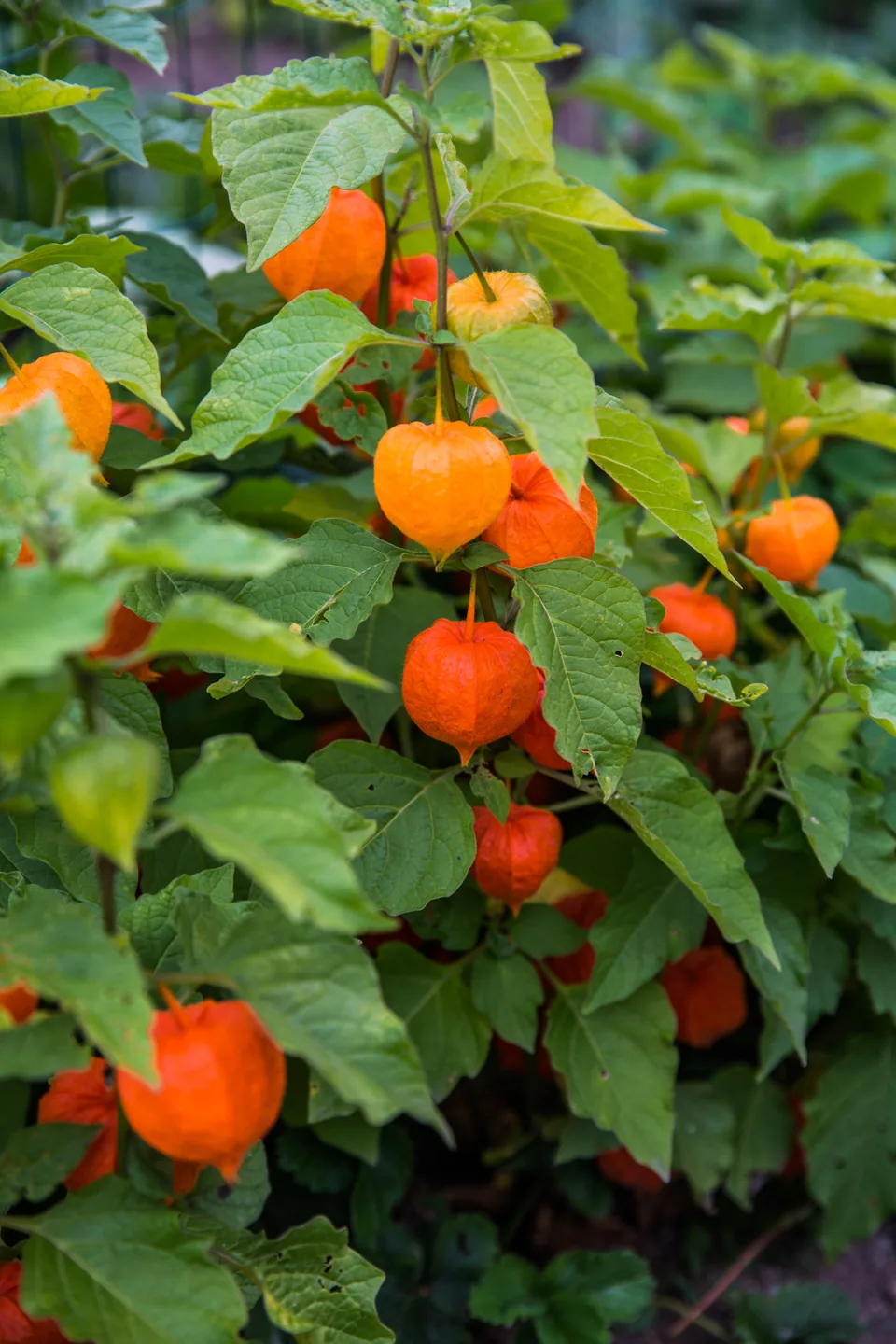
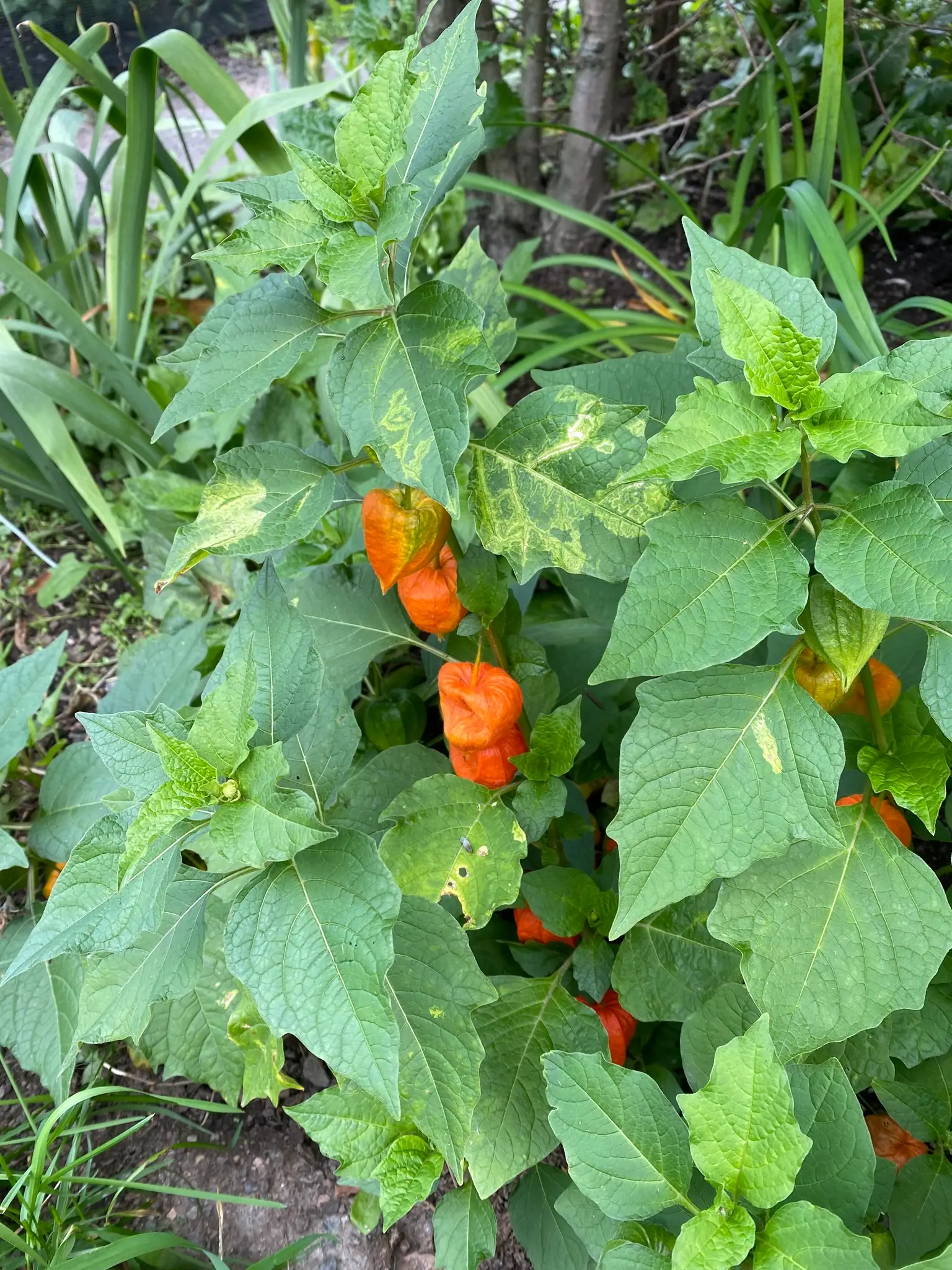
Esta planta encantadora llena el jardín de farolillos que se vuelven naranjas a finales de verano o principios de otoño, y puedes cortar los tallos para disfrutarlos. Crece a pleno sol o en semisombra y solo pide tierra moderadamente húmeda, 2,5 cm de agua a la semana. Cultívala en una maceta enterrada para tenerla a raya y disfruta del espectáculo.
- Sol
Pleno sol o semisombra
Qué dicen las fuentes (2)
Luz: Pleno sol a semisombra
Bladder cherry grows best in full sun but can tolerate partial shade as well.
— How to Grow and Care for Chinese Lantern (Alkekengi officinarum) [5] Grow Chinese lantern in moist but well-drained soil, in sun or partial shade.
— Chinese Lantern Plant | BBC Gardeners World Magazine [3] - Riego
2,5 cm de agua a la semana, lluvia incluida; riega a fondo, húmeda pero nunca encharcada
Qué dicen las fuentes (4)
Riego: Mantén el suelo moderadamente húmedo; aproximadamente 1 pulgada (2.5 cm) de agua por semana, incluyendo la lluvia
Bladder cherry likes soil that is moderately moist. While plants are getting established, they will need at least one inch of water per week.
— How to Grow and Care for Chinese Lantern (Alkekengi officinarum) [5] Keep the soil moist at all times. Water when there is less than an inch (2.5 cm.) of rainfall in a week
— Chinese Lantern Information: How To Care For A Chinese Lantern | Gardening Know How [6] Notas sobre el riego: Riega abundantemente y profundamente, evita condiciones empapadas, cubre con mantillo para conservar la humedad; las plantas en maceta necesitan riego más frecuente que las plantas en el suelo
Water thoroughly and deeply rather than lightly and more frequently.
— How to Grow and Care for Chinese Lantern (Alkekengi officinarum) [5] It will require more frequent watering in a pot compared with one that’s growing in the ground.
— How to Grow and Care for Chinese Lantern (Alkekengi officinarum) [5] - Frío
Aguanta inviernos de hasta −40 °C (−40 °F)
Muy rústica · USDA 3 · RHS H7 · Z3
Qué dicen las fuentes (4)
Rusticidad, zona más fría: 3 [mínima invernal de −40 a −34,4 °C (de −40 a −30 °F)]
Plant type: Deciduous perennial Hardiness (USDA Zone): 3-9
— How to Grow and Care for Chinese Lantern (Alkekengi officinarum) [5] Chinese lantern is winter hardy in USDA plant hardiness zones 3 through 9.
— Chinese Lantern Information: How To Care For A Chinese Lantern | Gardening Know How [6] Rusticidad, zona más cálida: 9 [mínima invernal de −6,7 a −1,1 °C (de 20 a 30 °F)]
Plant type: Deciduous perennial Hardiness (USDA Zone): 3-9
— How to Grow and Care for Chinese Lantern (Alkekengi officinarum) [5] Chinese lantern is winter hardy in USDA plant hardiness zones 3 through 9.
— Chinese Lantern Information: How To Care For A Chinese Lantern | Gardening Know How [6] - Suelo
Suelo de ligeramente ácido a ligeramente alcalino, pH 6,1–7,8
Qué dicen las fuentes (2)
pH del suelo, mínimo: 6.1
Soil pH: 6.1-7.8, slightly acidic to alkaline Time to maturity: 2 years
— How to Grow and Care for Chinese Lantern (Alkekengi officinarum) [5] pH del suelo, máximo: 7.8
Soil pH: 6.1-7.8, slightly acidic to alkaline Time to maturity: 2 years
— How to Grow and Care for Chinese Lantern (Alkekengi officinarum) [5] - Poda
Recórtala al final de la temporada, cuando la helada haya matado las hojas
Qué dicen las fuentes (2)
Poda: Fin de la temporada, después de que las heladas hayan matado el follaje
Cut the stems back after frost kills the foliage and apply a layer of mulch to protect the roots.
— How to Grow and Care for Chinese Lantern (Alkekengi officinarum) [5] Cut the plants back nearly to the ground at the end of the season.
— Chinese Lantern Information: How To Care For A Chinese Lantern | Gardening Know How [6] - Cosecha
Corta los tallos cuando los farolillos se vuelvan naranjas, a finales de verano o principios de otoño
Qué dicen las fuentes (2)
Cosecha: Faroles: corta los tallos cuando los faroles se hayan vuelto naranjas, a fines del verano o principios del otoño
To dry them, cut the stems soon as the lanterns have turned orange
— Chinese Lantern Plant | BBC Gardeners World Magazine [3] In late summer or early fall, the plant’s husks will turn from green to a bright reddish orange hue
— How to Grow and Care for Chinese Lantern (Alkekengi officinarum) [5] - Plagas
Las babosas devoran los brotes de primavera: protégela pronto; el exceso de humedad favorece los hongos
- Atención
Se extiende bajo tierra y puede volverse invasora: plántala en una maceta enterrada o con una barrera de raíces
- Multiplicación
Por semilla, dividiendo los tallos subterráneos o con esquejes de raíz o de la base
Qué dicen las fuentes (3)
Propagación: Semilla, división de rizomas, esquejes de raíz, esquejes basales
Chinese lantern can be propagated either by sowing seeds, or by dividing rhizomes to start new plants.
— How to Grow and Care for Chinese Lantern (Alkekengi officinarum) [5] Alternatively, divide plants or take root cuttings in spring.
— Chinese Lantern Plant | BBC Gardeners World Magazine [3] Harvest the shoots with plenty of underground stem when they are about 8 - 10cm above the ground.
— Alkekengi officinarum - Useful Temperate Plants [4] - Siembra
Siembra a cubierto de finales de invierno a mediados de primavera, o fuera en primavera sin riesgo de heladas
Qué dicen las fuentes (8)
Siembra: Desde finales del invierno hasta mediados de la primavera bajo cubierta; al aire libre en primavera una vez que haya pasado todo peligro de heladas
bajo cubierta (fuente: BBC Gardeners World): Sow seeds under cover in spring. The seeds need light to germinate, so leave them uncovered.
— Chinese Lantern Plant | BBC Gardeners World Magazine [3] invernadero (fuente: Plants for a Future): Seed - sow early to mid spring in a greenhouse only just covering the seed.
— Alkekengi officinarum - Useful Temperate Plants [4] en interiores (fuente: Gardening Know How): Start them indoors in late winter or early spring.
— Chinese Lantern Information: How To Care For A Chinese Lantern | Gardening Know How [6] directamente al aire libre (fuente: Gardener's Path): To sow directly into your garden, wait until all danger of frost has passed in spring.
— How to Grow and Care for Chinese Lantern (Alkekengi officinarum) [5] Sow seeds under cover in spring. The seeds need light to germinate, so leave them uncovered.
— Chinese Lantern Plant | BBC Gardeners World Magazine [3] Seed - sow early to mid spring in a greenhouse only just covering the seed.
— Alkekengi officinarum - Useful Temperate Plants [4] Start them indoors in late winter or early spring.
— Chinese Lantern Information: How To Care For A Chinese Lantern | Gardening Know How [6] To sow directly into your garden, wait until all danger of frost has passed in spring.
— How to Grow and Care for Chinese Lantern (Alkekengi officinarum) [5] - Maceta
Crece bien en maceta, pero necesita riego más a menudo
Qué dicen las fuentes (4)
En maceta: Sí
Keep the spreading roots in check by growing in a container.
— Chinese Lantern Plant | BBC Gardeners World Magazine [3] L'Alchechengi si adatta sia alla coltivazione in vaso sia alla piena terra .
— Guida alla cura dell'Alchechengi: 10 cose da sapere sulla lanterna cinese e i suoi frutti [7] Notas sobre el riego: Riega abundantemente y profundamente, evita condiciones empapadas, cubre con mantillo para conservar la humedad; las plantas en maceta necesitan riego más frecuente que las plantas en el suelo
Water thoroughly and deeply rather than lightly and more frequently.
— How to Grow and Care for Chinese Lantern (Alkekengi officinarum) [5] It will require more frequent watering in a pot compared with one that’s growing in the ground.
— How to Grow and Care for Chinese Lantern (Alkekengi officinarum) [5] - Seguridad
Solo el fruto bien maduro es comestible; las hojas y los frutos verdes son tóxicos: usa guantes
Resumen
La linterna china (Alkekengi officinarum, antes Physalis alkekengi) es una perenne herbácea cultivada principalmente por sus cálices anaranjados y papiráceos. [3][1] Crece en suelo húmedo pero bien drenado, a pleno sol o en semisombra, y se propaga por tallos subterráneos, por lo que a menudo se cultiva en un contenedor. [3] Todas las partes de la planta, excepto el fruto maduro, son venenosas. [4]
Citado en inglés, como en la fuente.
Cuidados
Las medidas entre corchetes son nuestra conversión al otro sistema de unidades; el texto citado no cambia.
Riego
Riego
Mantén el suelo moderadamente húmedo; aproximadamente 1 pulgada (2.5 cm) de agua por semana, incluyendo la lluvia
Qué dicen las fuentes (2)
Bladder cherry likes soil that is moderately moist. While plants are getting established, they will need at least one inch of water per week.Keep the soil moist at all times. Water when there is less than an inch (2.5 cm.) of rainfall in a weekNotas sobre el riego
Riega abundantemente y profundamente, evita condiciones empapadas, cubre con mantillo para conservar la humedad; las plantas en maceta necesitan riego más frecuente que las plantas en el suelo
Qué dicen las fuentes (2)
Water thoroughly and deeply rather than lightly and more frequently.It will require more frequent watering in a pot compared with one that’s growing in the ground.Luz
Pleno sol a semisombra
Qué dicen las fuentes (2)
Bladder cherry grows best in full sun but can tolerate partial shade as well.Grow Chinese lantern in moist but well-drained soil, in sun or partial shade.Clima y frío
Rusticidad, zona más fría
3 [mínima invernal de −40 a −34,4 °C (de −40 a −30 °F)]
Qué dicen las fuentes (2)
Plant type: Deciduous perennial
Hardiness (USDA Zone): 3-9Chinese lantern is winter hardy in USDA plant hardiness zones 3 through 9.Rusticidad, zona más cálida
9 [mínima invernal de −6,7 a −1,1 °C (de 20 a 30 °F)]
Qué dicen las fuentes (2)
Plant type: Deciduous perennial
Hardiness (USDA Zone): 3-9Chinese lantern is winter hardy in USDA plant hardiness zones 3 through 9.Suelo
pH del suelo, mínimo
6.1
Qué dicen las fuentes (1)
Soil pH: 6.1-7.8, slightly acidic to alkaline
Time to maturity: 2 yearspH del suelo, máximo
7.8
Qué dicen las fuentes (1)
Soil pH: 6.1-7.8, slightly acidic to alkaline
Time to maturity: 2 yearsDónde cultivarla
En maceta
Sí
Qué dicen las fuentes (2)
Keep the spreading roots in check by growing in a container.L'Alchechengi si adatta sia alla coltivazione in vaso sia alla piena terra .Distancia de plantación
Las fuentes dan valores distintos según la región, la zona o las condiciones de cultivo.
Lo que dice cada fuente
Según Gardener's Path: 45.7-61.0 cm (18-24 pulgadas)
Según BBC Gardeners World: 30 cm [12 in]
Qué dicen las fuentes (2)
Según Gardener's Path: Time to maturity: 2 years
Spacing : 18-24 inchesSegún BBC Gardeners World: Plant out about 30cm apart in autumn, for flowers the following year.Propagación
Semilla, división de rizomas, esquejes de raíz, esquejes basales
Qué dicen las fuentes (3)
Chinese lantern can be propagated either by sowing seeds, or by dividing rhizomes to start new plants.Alternatively, divide plants or take root cuttings in spring.Harvest the shoots with plenty of underground stem when they are about 8 - 10cm above the ground.Cultivo
La planta
Familia
Solanáceas
Qué dicen las fuentes (1)
Order Solanales ( 1SOLO ) Family Solanaceae ( 1SOLF ) Genus Physalis ( 1PHYG ) Species Alkekengi officinarum ( PHYAL )Problemas
Babosas
Síntoma: Las babosas se comen el nuevo crecimiento en primavera y pueden destruir incluso los grupos grandes
Qué hacer: Protege la planta a principios de primavera.
Qué dicen las fuentes (2)
Slugs can be a problem in spring before the plant starts growing rapidly – protect the plant early.
— Chinese Lantern Plant | BBC Gardeners World Magazine [3] Slugs are very fond of the new growth in spring and can destroy even quite large clumps
— Alkekengi officinarum - Useful Temperate Plants [4] Se extiende por rizomas
Síntoma: Se propaga por tallos subterráneos y puede volverse invasiva.
Qué hacer: Cultívala en un contenedor, entierra el contenedor en el suelo o añade una barrera alrededor de las raíces.
Qué dicen las fuentes (2)
Chinese lantern spreads via underground stems, in a similar way to mint, and can be invasive if grown in the garden.
— Chinese Lantern Plant | BBC Gardeners World Magazine [3] you could bury the container in your garden soil, or add a barrier around the roots to stop them spreading.
— Chinese Lantern Plant | BBC Gardeners World Magazine [3] Problemas fúngicos por condiciones demasiado húmedas.
Síntoma: Las condiciones demasiado húmedas pueden aumentar el riesgo de problemas fúngicos, especialmente si el flujo de aire es limitado.
Qué hacer: Mantén el suelo uniformemente húmedo pero no empapado.
Qué dicen las fuentes (1)
High humidity typically isn’t a concern, though overly wet conditions can increase the risk of fungal issues, especially if airflow is limited.
— How to Grow and Care for Chinese Lantern (Alkekengi officinarum) [5]
Remedios
Cada remedio indica qué dicen las fuentes oficiales; los remedios tradicionales sin fuente oficial aparecen marcados. Los perjudiciales están para que sepas evitarlos.
Cómo eliminarla
propagación por rizomas
extracción de todos los rizomas No verificado
Remedio tradicional, no verificado por una fuente oficial.
Trying to manually remove it may leave behind even a tiny piece of root which is all this plant needs to regrow.
— gardeningknowhow.com [9] Cómo: Excava bien alrededor de las plantas y sigue cada rizoma y raíz para eliminarlos por completo.
solarización con plástico negro No verificado
Remedio tradicional, no verificado por una fuente oficial.
Trying to manually remove it may leave behind even a tiny piece of root which is all this plant needs to regrow.
— gardeningknowhow.com [9] Cómo: Sujeta el plástico negro con piedras o estacas y déjalo en su lugar durante muchos meses en la parte más calurosa del año.
privar a los rizomas de alimento mediante cortes repetidos No verificado
Remedio tradicional, no verificado por una fuente oficial.
Trying to manually remove it may leave behind even a tiny piece of root which is all this plant needs to regrow.
— gardeningknowhow.com [9] Cómo: Usa una desbrozadora o cortacésped y elimina constantemente cualquier brote que se desarrolle.
Toxicidad
Según la fuente, citada textualmente. No es un consejo médico ni veterinario: si una persona o un animal pudo haber ingerido esta planta, contacta con un centro de toxicología o con un veterinario.
All parts of the plant, except the ripe fruit, are poisonous
[4]- Partes venenosas
All parts of the plant, except the ripe fruit, are poisonous
[4]- Principio tóxico
The unripe fruits and foliage of Physalis species contain solanine and other solanidine alkaloids and are toxic if ingested in large quantities.
[4]- Gravedad
unripe fruits as well as the other parts of the plant are considered highly toxic if ingested.
[5]
Physalis alkekengi is a member of the nightshade family, and the leaves and unripe fruits are poisonous. Wear gloves when handling.
[3]- Partes venenosas
the leaves and unripe fruits are poisonous. Wear gloves when handling.
[3]
Calendario
Siembra
Desde finales del invierno hasta mediados de la primavera bajo cubierta; al aire libre en primavera una vez que haya pasado todo peligro de heladas
Lo que dice cada fuente
bajo cubierta (fuente: BBC Gardeners World): Primavera
invernadero (fuente: Plants for a Future): Principios a mediados de la primavera
en interiores (fuente: Gardening Know How): A fines del invierno o principios de la primavera
directamente al aire libre (fuente: Gardener's Path): Primavera, después de que haya pasado todo peligro de heladas
Qué dicen las fuentes (8)
bajo cubierta (fuente: BBC Gardeners World): Sow seeds under cover in spring. The seeds need light to germinate, so leave them uncovered.invernadero (fuente: Plants for a Future): Seed - sow early to mid spring in a greenhouse only just covering the seed.en interiores (fuente: Gardening Know How): Start them indoors in late winter or early spring.directamente al aire libre (fuente: Gardener's Path): To sow directly into your garden, wait until all danger of frost has passed in spring.Sow seeds under cover in spring. The seeds need light to germinate, so leave them uncovered.Seed - sow early to mid spring in a greenhouse only just covering the seed.Start them indoors in late winter or early spring.To sow directly into your garden, wait until all danger of frost has passed in spring.Plantación
Las fuentes dan valores distintos según la región, la zona o las condiciones de cultivo.
Lo que dice cada fuente
Según BBC Gardeners World: Otoño, para flores al año siguiente
plántulas (fuente: Plants for a Future): Principios del verano
Qué dicen las fuentes (2)
Según BBC Gardeners World: Plant out about 30cm apart in autumn, for flowers the following year.plántulas (fuente: Plants for a Future): and plant them out in early summer. Diurnal temperature fluctuations assist germinationCosecha
Faroles: corta los tallos cuando los faroles se hayan vuelto naranjas, a fines del verano o principios del otoño
Qué dicen las fuentes (2)
To dry them, cut the stems soon as the lanterns have turned orangeIn late summer or early fall, the plant’s husks will turn from green to a bright reddish orange huePoda
Fin de la temporada, después de que las heladas hayan matado el follaje
Qué dicen las fuentes (2)
Cut the stems back after frost kills the foliage and apply a layer of mulch to protect the roots.Cut the plants back nearly to the ground at the end of the season.Meses tal como los dan las fuentes, en su mayoría de Estados Unidos (hemisferio norte). En el hemisferio sur se desplazan unos seis meses.
Comestibilidad
Según la fuente, citada textualmente. No comas una planta basándote solo en esta página: los errores de identificación pueden ser peligrosos.
Valores orientativos
Valores de una fuente secundaria, no comprobados palabra por palabra como el resto de esta página. Úselos como punto de partida.
- Horas de sol
- 8-12 horasValor orientativo, adáptalo a tu clima · Fuente secundaria
- Nivel de cuidado
- MedioValor orientativo, adáptalo a tu clima · Fuente secundaria
- Crecimiento
- BajoValor orientativo, adáptalo a tu clima · Fuente secundaria
Plantas similares
- Trompetero Brugmansia suaveolens
- Bufera Withania somnifera
- Belladona Atropa belladonna
- Dulcamara Solanum dulcamara
- Brazilian nightshade Solanum seaforthianum
- Brunfelsia Brunfelsia pauciflora
- Pimiento morrón Capsicum annuum
- Clammy Ground Cherry Physalis heterophylla
Fuentes
Cada valor anterior se cita de estos documentos. Los enlaces llevan al editor original.
- Alkekengi officinarum (PHYAL)[Overview]| EPPO Global Database · gd.eppo.int, consultado
- Acta Botanica Malacitana 45 (2020). 221-224 · revistas.uma.es, consultado
- Chinese Lantern Plant | BBC Gardeners World Magazine · gardenersworld.com, consultado
- Alkekengi officinarum - Useful Temperate Plants · temperate.theferns.info, consultado
- How to Grow and Care for Chinese Lantern (Alkekengi officinarum) · gardenerspath.com, consultado
- Chinese Lantern Information: How To Care For A Chinese Lantern | Gardening Know How · gardeningknowhow.com, consultado
- Guida alla cura dell'Alchechengi: 10 cose da sapere sulla lanterna cinese e i suoi frutti · ilmeteo.net, consultado
- Strawberry Groundcherry (Alkekengi officinarum) - bplant.org · bplant.org, consultado
- gardeningknowhow.com · gardeningknowhow.com
Escrito por Emilio Marruso · última revisión