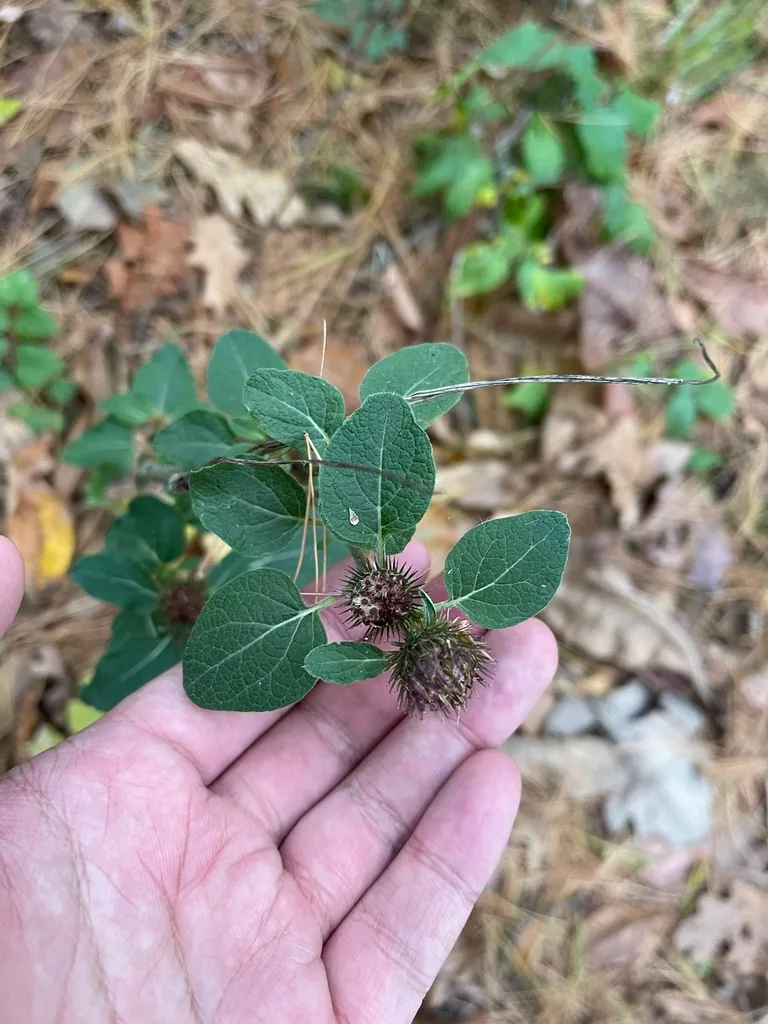
Cómo cultivar y cuidar Lampazo
Arctium lappa
Escrito por Emilio Marruso · última revisión
Tóxica para: Perros, Caballos, Ganado, Personas · Por qué
De un vistazo
La bardana es una planta generosa que se cultiva por sus raíces comestibles, que todavía se comen mucho como verdura en Japón, Corea y Taiwán. Siémbrala en verano, a pleno sol o semisombra, en tierra húmeda y rica, y arranca las raíces a finales de otoño del primer año. Las hojas jóvenes y los tallos florales también se comen, siempre antes de que aparezcan las flores.
- Sol
Pleno sol o semisombra
Qué dicen las fuentes (2)
Luz: Pleno sol a semisombra
Light: Full sun (6 or more hours of direct sunlight a day) Partial Shade (Direct sunlight only part of the day, 2-6 hours)
— Arctium lappa (Bardane, Beggar's Buttons, Burrdock, Edible Burdock, Gobo, Great Burdock, Greater Burdock, Lappa, Snake's Rhubarb, Thorny Burr) | North Carolina Extension Gardener Plant Toolbox [1] It prefers full sun locations with moist, well drained soil rich in organic matter and nitrogen.
— Arctium lappa (Bardane, Beggar's Buttons, Burrdock, Edible Burdock, Gobo, Great Burdock, Greater Burdock, Lappa, Snake's Rhubarb, Thorny Burr) | North Carolina Extension Gardener Plant Toolbox [1] - Riego
Le gusta la tierra húmeda pero que drene bien
Qué dicen las fuentes (1)
Notas sobre el riego: Prefiere suelo húmedo, bien drenado y rico en materia orgánica y nitrógeno
It prefers full sun locations with moist, well drained soil rich in organic matter and nitrogen.
— Arctium lappa (Bardane, Beggar's Buttons, Burrdock, Edible Burdock, Gobo, Great Burdock, Greater Burdock, Lappa, Snake's Rhubarb, Thorny Burr) | North Carolina Extension Gardener Plant Toolbox [1] - Frío
Aguanta inviernos de hasta −40 °C (−40 °F)
Muy rústica · USDA 3a · RHS H7 · Z3
Qué dicen las fuentes (2)
Rusticidad, zona más fría: 3a [mínima invernal de −40 a −37,2 °C (de −40 a −35 °F)]
USDA Plant Hardiness Zone: 3a, 3b, 4a, 4b, 5a, 5b, 6a, 6b, 7a, 7b, 8a, 8b, 9a, 9b, 10a, 10b
— Arctium lappa (Bardane, Beggar's Buttons, Burrdock, Edible Burdock, Gobo, Great Burdock, Greater Burdock, Lappa, Snake's Rhubarb, Thorny Burr) | North Carolina Extension Gardener Plant Toolbox [1] Rusticidad, zona más cálida: 10b [mínima invernal de 1,7 a 4,4 °C (de 35 a 40 °F)]
USDA Plant Hardiness Zone: 3a, 3b, 4a, 4b, 5a, 5b, 6a, 6b, 7a, 7b, 8a, 8b, 9a, 9b, 10a, 10b
— Arctium lappa (Bardane, Beggar's Buttons, Burrdock, Edible Burdock, Gobo, Great Burdock, Greater Burdock, Lappa, Snake's Rhubarb, Thorny Burr) | North Carolina Extension Gardener Plant Toolbox [1] - Suelo
Suelo rico en materia orgánica y nitrógeno
Qué dicen las fuentes (1)
Notas sobre el riego: Prefiere suelo húmedo, bien drenado y rico en materia orgánica y nitrógeno
It prefers full sun locations with moist, well drained soil rich in organic matter and nitrogen.
— Arctium lappa (Bardane, Beggar's Buttons, Burrdock, Edible Burdock, Gobo, Great Burdock, Greater Burdock, Lappa, Snake's Rhubarb, Thorny Burr) | North Carolina Extension Gardener Plant Toolbox [1] - Cosecha
Arranca las raíces del primer año a finales de otoño, antes de que se vuelvan fibrosas; las hojas jóvenes también se comen
Qué dicen las fuentes (3)
Cosecha: Raíces del primer año a fines de otoño, antes de que se vuelvan demasiado fibrosas
Plantas cultivadas (Asia y otras partes del mundo): Cultivated plants are sown from seed in summer and first-year roots are harvested by late autumn before becoming too fibrous.
— Arctium lappa (Bardane, Beggar's Buttons, Burrdock, Edible Burdock, Gobo, Great Burdock, Greater Burdock, Lappa, Snake's Rhubarb, Thorny Burr) | North Carolina Extension Gardener Plant Toolbox [1] Cultivated plants are sown from seed in summer and first-year roots are harvested by late autumn before becoming too fibrous.
— Arctium lappa (Bardane, Beggar's Buttons, Burrdock, Edible Burdock, Gobo, Great Burdock, Greater Burdock, Lappa, Snake's Rhubarb, Thorny Burr) | North Carolina Extension Gardener Plant Toolbox [1] Cómo cosechar: Las raíces del primer año se cosechan a fines del otoño, antes de que se vuelvan demasiado fibrosas.
Cultivated plants are sown from seed in summer and first-year roots are harvested by late autumn before becoming too fibrous.
— Arctium lappa (Bardane, Beggar's Buttons, Burrdock, Edible Burdock, Gobo, Great Burdock, Greater Burdock, Lappa, Snake's Rhubarb, Thorny Burr) | North Carolina Extension Gardener Plant Toolbox [1] - Plagas
Puede sufrir oídio y podredumbre de raíz
Qué dicen las fuentes (1)
Enfermedades: mildiu polvoriento, pudrición de raíz
It is susceptible to powdery mildew and root rot with potential to impact agricultural plants.
— Arctium lappa (Bardane, Beggar's Buttons, Burrdock, Edible Burdock, Gobo, Great Burdock, Greater Burdock, Lappa, Snake's Rhubarb, Thorny Burr) | North Carolina Extension Gardener Plant Toolbox [1] - Atención
Puede volverse invasora: sus raíces profundas y sus semillas duraderas la hacen muy difícil de eliminar
- Tamaño
De 60 cm a 3 m de alto y de 60 cm a 1,2 m de ancho
Qué dicen las fuentes (2)
Altura adulta: 61-305 cm (2-10 pies)
In its second year, it bolts to heights 2-10 feet
— Arctium lappa (Bardane, Beggar's Buttons, Burrdock, Edible Burdock, Gobo, Great Burdock, Greater Burdock, Lappa, Snake's Rhubarb, Thorny Burr) | North Carolina Extension Gardener Plant Toolbox [1] Anchura adulta: 61-122 cm (2-4 pies)
Width: 2 ft. 0 in. - 4 ft. 0 in.
— Arctium lappa (Bardane, Beggar's Buttons, Burrdock, Edible Burdock, Gobo, Great Burdock, Greater Burdock, Lappa, Snake's Rhubarb, Thorny Burr) | North Carolina Extension Gardener Plant Toolbox [1] - Multiplicación
Se multiplica por semilla
Qué dicen las fuentes (1)
Propagación: Semilla
Recommended Propagation Strategy: Seed Country Or Region Of Origin:
— Arctium lappa (Bardane, Beggar's Buttons, Burrdock, Edible Burdock, Gobo, Great Burdock, Greater Burdock, Lappa, Snake's Rhubarb, Thorny Burr) | North Carolina Extension Gardener Plant Toolbox [1] - Siembra
Siembra en verano
Qué dicen las fuentes (2)
Siembra: Verano
Plantas cultivadas (Asia y otras partes del mundo): Cultivated plants are sown from seed in summer and first-year roots are harvested by late autumn before becoming too fibrous.
— Arctium lappa (Bardane, Beggar's Buttons, Burrdock, Edible Burdock, Gobo, Great Burdock, Greater Burdock, Lappa, Snake's Rhubarb, Thorny Burr) | North Carolina Extension Gardener Plant Toolbox [1] Cultivated plants are sown from seed in summer and first-year roots are harvested by late autumn before becoming too fibrous.
— Arctium lappa (Bardane, Beggar's Buttons, Burrdock, Edible Burdock, Gobo, Great Burdock, Greater Burdock, Lappa, Snake's Rhubarb, Thorny Burr) | North Carolina Extension Gardener Plant Toolbox [1] - Seguridad
Los frutos con pinchos pueden irritar mucho ojos, piel y respiración en personas, perros y caballos
Resumen
La bardana mayor es una flor silvestre bienal y maleza de la familia de las asteráceas. [1] Se ha cultivado en Asia por sus raíces comestibles, sembrada desde semilla en verano y con raíces de primer año cosechadas a fines de otoño. [1] Sus cápsulas espinosas y cerdas de aquenio pueden irritar los ojos, la piel y el tracto respiratorio de humanos, perros, caballos y otros animales de ganado. [1]
Citado en inglés, como en la fuente.
Cuidados
Riego
Prefiere suelo húmedo, bien drenado y rico en materia orgánica y nitrógeno
Qué dicen las fuentes (1)
It prefers full sun locations with moist, well drained soil rich in organic matter and nitrogen.Luz
Pleno sol a semisombra
Qué dicen las fuentes (2)
Light:
Full sun (6 or more hours of direct sunlight a day)
Partial Shade (Direct sunlight only part of the day, 2-6 hours)It prefers full sun locations with moist, well drained soil rich in organic matter and nitrogen.Clima y frío
Rusticidad, zona más fría
3a [mínima invernal de −40 a −37,2 °C (de −40 a −35 °F)]
Qué dicen las fuentes (1)
USDA Plant Hardiness Zone:
3a, 3b, 4a, 4b, 5a, 5b, 6a, 6b, 7a, 7b, 8a, 8b, 9a, 9b, 10a, 10bRusticidad, zona más cálida
10b [mínima invernal de 1,7 a 4,4 °C (de 35 a 40 °F)]
Qué dicen las fuentes (1)
USDA Plant Hardiness Zone:
3a, 3b, 4a, 4b, 5a, 5b, 6a, 6b, 7a, 7b, 8a, 8b, 9a, 9b, 10a, 10bPropagación
Semilla
Qué dicen las fuentes (1)
Recommended Propagation Strategy:
Seed
Country Or Region Of Origin:Cultivo
La planta
Ciclo de vida
bienal
Qué dicen las fuentes (1)
Great Burdock is a weedy, biennial wildflower belonging to the Aster family.Familia
Asteraceae
Qué dicen las fuentes (1)
Genus:
Arctium
Species:
lappa
Family:
AsteraceaeAltura adulta
61-305 cm (2-10 pies)
Qué dicen las fuentes (1)
In its second year, it bolts to heights 2-10 feetAnchura adulta
61-122 cm (2-4 pies)
Qué dicen las fuentes (1)
Width: 2 ft. 0 in. - 4 ft. 0 in.Cosecha y conservación
Cómo cosechar
Las raíces del primer año se cosechan a fines del otoño, antes de que se vuelvan demasiado fibrosas.
Qué dicen las fuentes (1)
Cultivated plants are sown from seed in summer and first-year roots are harvested by late autumn before becoming too fibrous.Plagas y enfermedades
Enfermedades
mildiu polvoriento, pudrición de raíz
Qué dicen las fuentes (1)
It is susceptible to powdery mildew and root rot with potential to impact agricultural plants.Problemas
Maleza y erradicación difícil
Síntoma: El crecimiento puede volverse invasivo y difícil de contener, compitiendo con las plantas nativas; las raíces profundas y las semillas de larga vida hacen que sea extremadamente difícil de erradicar.
Qué dicen las fuentes (1)
It is extremely difficult to eradicate due to its deep tap roots and copious amounts of seed that remain viable for a long while even if plants are destroyed.
— Arctium lappa (Bardane, Beggar's Buttons, Burrdock, Edible Burdock, Gobo, Great Burdock, Greater Burdock, Lappa, Snake's Rhubarb, Thorny Burr) | North Carolina Extension Gardener Plant Toolbox [1] Mildiu polvoriento y pudrición de raíz
Síntoma: Susceptible al mildiu polvoriento y a la pudrición de raíz, con potencial de afectar plantas agrícolas.
Qué dicen las fuentes (1)
It is susceptible to powdery mildew and root rot with potential to impact agricultural plants.
— Arctium lappa (Bardane, Beggar's Buttons, Burrdock, Edible Burdock, Gobo, Great Burdock, Greater Burdock, Lappa, Snake's Rhubarb, Thorny Burr) | North Carolina Extension Gardener Plant Toolbox [1] Cápsulas espinosas y cerdas
Síntoma: Las cápsulas espinosas y las cerdas pueden causar graves problemas oculares, cutáneos o respiratorios en humanos, perros, caballos y otros animales de ganado; las cápsulas son difíciles de quitar de los animales y la ropa.
Qué dicen las fuentes (1)
Burs and bristles may cause severe eye, skin or respiratory problems in humans, dogs, horses, and other livestock. Burs are difficult to remove from animals and clothing.
— Arctium lappa (Bardane, Beggar's Buttons, Burrdock, Edible Burdock, Gobo, Great Burdock, Greater Burdock, Lappa, Snake's Rhubarb, Thorny Burr) | North Carolina Extension Gardener Plant Toolbox [1]
Remedios
Las fuentes consultadas no dan remedios para esta planta.
Venenosa para los animales
Según la fuente, citada textualmente. No es un consejo médico ni veterinario: si una persona o un animal pudo haber ingerido esta planta, contacta con un centro de toxicología o con un veterinario.
Fruits (achenes) within these burs contain sharp, minute bristles (pappas hairs) that easily become windborne and, if exposed to them, can cause severe eye, skin, and respiratory irritation and/or infection in humans, dogs, horses or other livestock.
[1]
Calendario
Siembra
Verano
Lo que dice cada fuente
Plantas cultivadas (Asia y otras partes del mundo): Verano
Qué dicen las fuentes (2)
Plantas cultivadas (Asia y otras partes del mundo): Cultivated plants are sown from seed in summer and first-year roots are harvested by late autumn before becoming too fibrous.Cultivated plants are sown from seed in summer and first-year roots are harvested by late autumn before becoming too fibrous.Cosecha
Raíces del primer año a fines de otoño, antes de que se vuelvan demasiado fibrosas
Lo que dice cada fuente
Plantas cultivadas (Asia y otras partes del mundo): Raíces del primer año a fines de otoño, antes de que se vuelvan demasiado fibrosas
Qué dicen las fuentes (2)
Plantas cultivadas (Asia y otras partes del mundo): Cultivated plants are sown from seed in summer and first-year roots are harvested by late autumn before becoming too fibrous.Cultivated plants are sown from seed in summer and first-year roots are harvested by late autumn before becoming too fibrous.Meses tal como los dan las fuentes, en su mayoría de Estados Unidos (hemisferio norte). En el hemisferio sur se desplazan unos seis meses.
Comestibilidad
Según la fuente, citada textualmente. No comas una planta basándote solo en esta página: los errores de identificación pueden ser peligrosos.
Roots are the primary edible part. Young leaves and immature flower stalks are also edible before flowers appear.
[1]Roots are the primary edible part. Young leaves and immature flower stalks are also edible before flowers appear.
[1]Roots are still widely eaten as a vegetable in Japan, Korea and Taiwan
[1]
Plantas similares
- Lampazo menor Arctium minus
- Cempasúchil Tagetes erecta
- American Burnweed Erechtites hieraciifolius
- Margarita de Oregón Erigeron speciosus
- Autumn Goldenrod Solidago sphacelata
- Senecio azul Curio repens
- Blue Wood Aster Symphyotrichum cordifolium
- Boneset Eupatorium perfoliatum
Fuentes
Cada valor anterior se cita de estos documentos. Los enlaces llevan al editor original.
- Arctium lappa (Bardane, Beggar's Buttons, Burrdock, Edible Burdock, Gobo, Great Burdock, Greater Burdock, Lappa, Snake's Rhubarb, Thorny Burr) | North Carolina Extension Gardener Plant Toolbox · plants.ces.ncsu.edu, consultado
- Lappa - Arctium lappa | North Carolina Extension Gardener Plant Toolbox · plants.ces.ncsu.edu, consultado
- Great Burdock - Arctium lappa | North Carolina Extension Gardener Plant Toolbox · plants.ces.ncsu.edu, consultado
- Snake's Rhubarb - Arctium lappa | North Carolina Extension Gardener Plant Toolbox · plants.ces.ncsu.edu, consultado
Escrito por Emilio Marruso · última revisión