

Cómo cultivar y cuidar Chirimoyo de la Florida
Asimina triloba
Escrito por Emilio Marruso · última revisión
Tóxica para: Personas · Por qué
De un vistazo
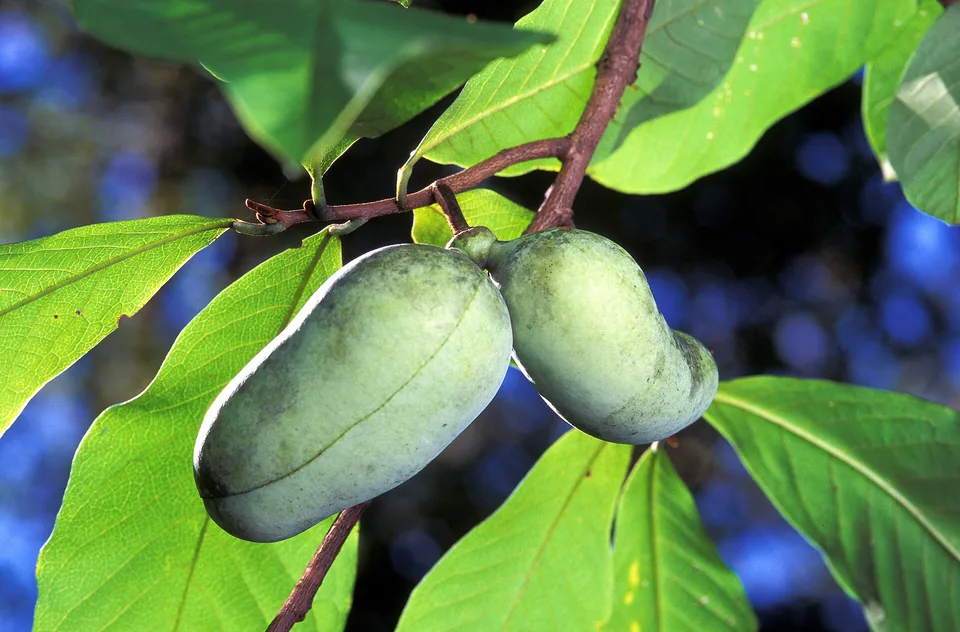
La asimina te regala un fruto dulce y cremoso, con un sabor parecido al plátano, para comer fresco o en postres. Este árbol da más fruta a pleno sol, pero también crece en semisombra, y le encantan el riego regular y la tierra húmeda. Recoge los frutos de agosto a octubre, cuando la piel cede un poco al apretarla con suavidad.
- Sol
Sol pleno para más fruta; también crece en semisombra. Dale sombra el primer año
Qué dicen las fuentes (2)
Luz: Pleno sol para una mejor fructificación; también crece en semisombra, sol filtrado o sombra profunda; da sombra el primer año después de la plantación
Pawpaws are most fruitful in full sun, although they will also grow in dappled sun or partial shade.
— Asimina triloba (Common Pawpaw, Pawpaw) | North Carolina Extension Gardener Plant Toolbox [1] Pawpaws need full sun for best production, though they should be partially shaded for the first year after planting.
— Pawpaw Production Guide - Alabama Cooperative Extension System [5] - Riego
2,5–5 cm de agua a la semana; no tolera la sequía: acolcha para mantener la humedad
Qué dicen las fuentes (4)
Riego: 1 a 2 pulgadas (2.5-5.1 cm) de agua por semana; no tolera la sequía
Pawpaws are not drought tolerant: 1 to 2 inches of water per week will lead to the best growth.
— Pawpaw Production Guide - Alabama Cooperative Extension System [5] Notas sobre el riego: Agua abundante en los primeros años después de la plantación; suelo que retenga la humedad pero no permanentemente mojado; humedad adecuada necesaria mientras el fruto se desarrolla a fines del verano; el mantillo retiene la humedad
In the first few years after planting, the trees will need an ample amount of water.
— Establishing a Pawpaw Tree in Your Backyard - Wilkes County Center | N.C. Cooperative Extension [4] They like moisture-retentive soils but not permanently wet soil.
— Asimina triloba (Common Pawpaw, Pawpaw) | North Carolina Extension Gardener Plant Toolbox [1] As fruit develops in the heat of the late summer, adequate moisture is necessary for high-quality fruit.
— Pawpaw Production Guide - Alabama Cooperative Extension System [5] - Frío
Aguanta inviernos de hasta −28,9 °C (−20 °F)
Muy rústica · USDA 5a · RHS H7 · Z5
Qué dicen las fuentes (10)
Rusticidad, zona más fría: 5a [mínima invernal de −28,9 a −26,1 °C (de −20 a −15 °F)]
Según NC State Extension Plant Toolbox: 5a, 5b, 6a, 6b, 7a, 7b, 8a, 8b, 9a, 9b
— Asimina triloba (Common Pawpaw, Pawpaw) | North Carolina Extension Gardener Plant Toolbox [1] Según NC Cooperative Extension (Wilkes County): Plants can be grown in USDA hardiness zones 5a through 9b.
— Establishing a Pawpaw Tree in Your Backyard - Wilkes County Center | N.C. Cooperative Extension [4] Alabama: Common pawpaw grows well in USDA hardiness zones 5b through 8 (nearly all of Alabama).
— Pawpaw Production Guide - Alabama Cooperative Extension System [5] Según Clemson HGIC: and are hardy in USDA Zones 5 to 8.
— Pawpaw | Home & Garden Information Center [7] 5a, 5b, 6a, 6b, 7a, 7b, 8a, 8b, 9a, 9b
— Asimina triloba (Common Pawpaw, Pawpaw) | North Carolina Extension Gardener Plant Toolbox [1] Rusticidad, zona más cálida: 9b [mínima invernal de −3,9 a −1,1 °C (de 25 a 30 °F)]
Según NC State Extension Plant Toolbox: 5a, 5b, 6a, 6b, 7a, 7b, 8a, 8b, 9a, 9b
— Asimina triloba (Common Pawpaw, Pawpaw) | North Carolina Extension Gardener Plant Toolbox [1] Según NC Cooperative Extension (Wilkes County): Plants can be grown in USDA hardiness zones 5a through 9b.
— Establishing a Pawpaw Tree in Your Backyard - Wilkes County Center | N.C. Cooperative Extension [4] Alabama: Common pawpaw grows well in USDA hardiness zones 5b through 8 (nearly all of Alabama).
— Pawpaw Production Guide - Alabama Cooperative Extension System [5] Según Clemson HGIC: and are hardy in USDA Zones 5 to 8.
— Pawpaw | Home & Garden Information Center [7] 5a, 5b, 6a, 6b, 7a, 7b, 8a, 8b, 9a, 9b
— Asimina triloba (Common Pawpaw, Pawpaw) | North Carolina Extension Gardener Plant Toolbox [1] - Suelo
Suelo húmedo pero no encharcado, ligeramente ácido, pH 5,5–6,5
Qué dicen las fuentes (9)
pH del suelo, mínimo: 5.5
annual applications of nitrogen will be beneficial at 100 pounds per acre per year. The ideal pH is 5.5 to 6.5.
— Pawpaw Production Guide - Alabama Cooperative Extension System [5] pH del suelo, máximo: 6.5
Según NC State Extension Plant Toolbox: Soil pH: Acid (<6.0) Soil Drainage:
— Asimina triloba (Common Pawpaw, Pawpaw) | North Carolina Extension Gardener Plant Toolbox [1] Según NC Cooperative Extension (Wilkes County): It prefers moist and well-drained soils with a slightly acidic pH (5.5 - 5.7).
— Establishing a Pawpaw Tree in Your Backyard - Wilkes County Center | N.C. Cooperative Extension [4] Según Alabama Cooperative Extension System: The ideal pH is 5.5 to 6.5.
— Pawpaw Production Guide - Alabama Cooperative Extension System [5] Según Clemson HGIC: Soil that is well-drained, deep, fertile, and slightly acidic (pH 5.5 to 7.0) is ideal
— Pawpaw | Home & Garden Information Center [7] annual applications of nitrogen will be beneficial at 100 pounds per acre per year. The ideal pH is 5.5 to 6.5.
— Pawpaw Production Guide - Alabama Cooperative Extension System [5] Notas sobre el riego: Agua abundante en los primeros años después de la plantación; suelo que retenga la humedad pero no permanentemente mojado; humedad adecuada necesaria mientras el fruto se desarrolla a fines del verano; el mantillo retiene la humedad
In the first few years after planting, the trees will need an ample amount of water.
— Establishing a Pawpaw Tree in Your Backyard - Wilkes County Center | N.C. Cooperative Extension [4] They like moisture-retentive soils but not permanently wet soil.
— Asimina triloba (Common Pawpaw, Pawpaw) | North Carolina Extension Gardener Plant Toolbox [1] As fruit develops in the heat of the late summer, adequate moisture is necessary for high-quality fruit.
— Pawpaw Production Guide - Alabama Cooperative Extension System [5] - Distancia
2,4–4,6 m entre árboles
Qué dicen las fuentes (4)
Distancia de plantación: 243.8-457.2 cm (8-15 pies) de separación; plantaciones comerciales 182.9-304.8 cm (6-10 pies) dentro de una fila, filas 457.2-609.6 cm (15-20 pies) de separación
plantación en el jardín trasero: The trees should be spaced 8-15 ft apart.
— Establishing a Pawpaw Tree in Your Backyard - Wilkes County Center | N.C. Cooperative Extension [4] plantación comercial: For commercial planting, place trees 6 to 10 feet apart within a row, with rows 15 to 20 feet apart.
— Pawpaw Production Guide - Alabama Cooperative Extension System [5] The trees should be spaced 8-15 ft apart.
— Establishing a Pawpaw Tree in Your Backyard - Wilkes County Center | N.C. Cooperative Extension [4] For commercial planting, place trees 6 to 10 feet apart within a row, with rows 15 to 20 feet apart.
— Pawpaw Production Guide - Alabama Cooperative Extension System [5] - Plantación
Planta con el árbol en reposo, en otoño o, mejor, a principios de primavera
Qué dicen las fuentes (2)
Plantación: Otoño o principios de primavera mientras el árbol está inactivo; se prefiere principios de primavera
Pawpaw trees should be planted when the tree is dormant, either in the fall or early spring.
— Establishing a Pawpaw Tree in Your Backyard - Wilkes County Center | N.C. Cooperative Extension [4] Early spring is the best time to plant pawpaws.
— Pawpaw Production Guide - Alabama Cooperative Extension System [5] - Abonado
Una vez al año en primavera con abono equilibrado; no abones después de mediados del verano
Qué dicen las fuentes (7)
Cuándo: En primavera cuando comienza el crecimiento, una vez que los árboles estén establecidos
One of two approaches can be used for nutrient application: the entire set of nutrients in spring as growth begins or half at that time and half 1 month later.
— Pawpaw Production Guide - Alabama Cooperative Extension System [5] Once the trees are established, an annual spring broadcast of a balanced granular fertilizer, such as 10-10-10, from the trunk to the outermost branches is often adequate
— Pawpaw | Home & Garden Information Center [7] Frecuencia: Una vez al año en primavera, o dividido en dos mitades con un mes de diferencia
One of two approaches can be used for nutrient application: the entire set of nutrients in spring as growth begins or half at that time and half 1 month later.
— Pawpaw Production Guide - Alabama Cooperative Extension System [5] Once the trees are established, an annual spring broadcast of a balanced granular fertilizer, such as 10-10-10, from the trunk to the outermost branches is often adequate
— Pawpaw | Home & Garden Information Center [7] Abonos minerales: Fertilizante granular equilibrado como 10-10-10, distribuido desde el tronco hasta las ramas más externas
huertos: After that, annual applications of nitrogen will be beneficial at 100 pounds per acre per year.
— Pawpaw Production Guide - Alabama Cooperative Extension System [5] Once the trees are established, an annual spring broadcast of a balanced granular fertilizer, such as 10-10-10, from the trunk to the outermost branches is often adequate
— Pawpaw | Home & Garden Information Center [7] Evitar: Fertilizar después de mediados del verano
arbuscular mycorrhizae, which will increase nutrient uptake. Avoid fertilizing after midsummer.
— Pawpaw Production Guide - Alabama Cooperative Extension System [5] - Cosecha
De agosto a octubre; cosecha cuando la piel cede un poco al apretarla
Qué dicen las fuentes (11)
Cosecha: Finales de verano a principios de otoño: agosto a octubre según la variedad; Iowa generalmente septiembre (finales de agosto a principios de octubre); Alabama julio a finales de septiembre
Según NC Cooperative Extension (Wilkes County): Depending on the variety, the fruit can ripen from August until October.
— Establishing a Pawpaw Tree in Your Backyard - Wilkes County Center | N.C. Cooperative Extension [4] Iowa: In Iowa, the fruit generally ripen in September, although it can range from late August to early October.
— Growing Pawpaw in Iowa | Yard and Garden [3] Alabama: In Alabama, fruit may be ready between July and late September.
— Pawpaw Production Guide - Alabama Cooperative Extension System [5] Depending on the variety, the fruit can ripen from August until October.
— Establishing a Pawpaw Tree in Your Backyard - Wilkes County Center | N.C. Cooperative Extension [4] In Iowa, the fruit generally ripen in September, although it can range from late August to early October.
— Growing Pawpaw in Iowa | Yard and Garden [3] In Alabama, fruit may be ready between July and late September.
— Pawpaw Production Guide - Alabama Cooperative Extension System [5] Cómo cosechar: Cosecha cuando la piel ceda ligeramente al apretar con un dedo y la pulpa empiece a ablandarse; la fruta muy firme no madura bien; la piel pasa de verde claro a amarillento en su punto máximo de madurez (negro cuando está demasiado madura); revisa los árboles y cosecha a diario durante la temporada; usa guantes porque se ha reportado dermatitis por contacto.
The fruit should not be harvested until the skin gives (indents) slightly with a finger squeeze as fruit do not ripen properly if picked when very firm.
— Pawpaw | Home & Garden Information Center [7] The skin of ripening fruit turns light green to yellowish (peak ripeness) to black (over-ripe), which mimics the stages of a ripening banana in look, texture, and somewhat in flavor.
— Pawpaw | Home & Garden Information Center [7] Pick pawpaws off the tree when flesh first starts to soften, since they quickly deteriorate.
— Pawpaw Production Guide - Alabama Cooperative Extension System [5] Trees should be checked and harvested every day during the harvest period for the best fruit quality.
— Pawpaw Production Guide - Alabama Cooperative Extension System [5] It is recommended to wear gloves when harvesting as contact dermatitis has been known to occur.
— Asimina triloba (Common Pawpaw, Pawpaw) | North Carolina Extension Gardener Plant Toolbox [1] - Plagas
Barrenadores de las flores, orugas tejedoras, escarabajo japonés y chinches; también manchas foliares
Qué dicen las fuentes (11)
Plagas: barrenador del pedúnculo del pawpaw, polilla del tejido del pawpaw, enrollador de hojas del pawpaw, escarabajos japoneses, escarabajos ambrosia, oruga rosada con aguijón, polilla esfinge del pawpaw, chinche apestosa marmorada, mosca del vinagre de alas manchadas, trips (en invernaderos), larvas de la cola de golondrina cebra (daño menor)
The pawpaw peduncle borer ( Talponia plummeriana ) is a small moth whose larvae burrow into flower stalks.
— Asimina triloba (Common Pawpaw, Pawpaw) | North Carolina Extension Gardener Plant Toolbox [1] The zebra swallowtail butterfly larvae feed on young leaves, but they seldom do permanent damage, nor do they affect fruit yield.
— Asimina triloba (Common Pawpaw, Pawpaw) | North Carolina Extension Gardener Plant Toolbox [1] Asimina webworm moth ( Omphalocera munroei ) is another important pest of pawpaw.
— Pawpaw Production Guide - Alabama Cooperative Extension System [5] The larvae of the pawpaw leafroller ( Choristoneura parallela ), sometimes called spotted fireworm, also tie leaves together and feed inside.
— Pawpaw Production Guide - Alabama Cooperative Extension System [5] Other pawpaw pests may include stinging rose caterpillar ( Parasa indetermina ), pawpaw sphinx moth ( Dolba hyloeus ), granulate ambrosia beetle
— Pawpaw Production Guide - Alabama Cooperative Extension System [5] brown marmorated stink bug ( Halyomorpha halys ), and spotted wing drosophila ( Drosophila suzukii ).
— Pawpaw Production Guide - Alabama Cooperative Extension System [5] Japanese beetles occasionally damage leaves, and thrips can be a problem in greenhouse conditions. Ambrosia beetles sometimes kill stressed trees.
— Pawpaw | Home & Garden Information Center [7] Enfermedades: mancha foliar (mancha foliar con borde, Phyllosticta), mancha de hollín, pudrición de raíz por Armillaria, mancha de mosca
The disease sooty blotch, caused by several fungi, appears as surface blemishes on the fruit.
— Pawpaw Production Guide - Alabama Cooperative Extension System [5] Armillaria root rot ( Armillaria mellea ), also called oak root rot, has been reported in north Alabama as a devastating disease of mature pawpaw plantings.
— Pawpaw Production Guide - Alabama Cooperative Extension System [5] A severe fungal disease, bordered leaf spot ( Phyllosticta asiminae ), occurs in humid climates and infects leaves and fruit.
— Pawpaw | Home & Garden Information Center [7] A cosmetic fungal disease known as flyspeck ( Zygophiala jamaicensis ), has been reported on pawpaw.
— Pawpaw | Home & Garden Information Center [7] - Atención
Echa hijuelos de raíz que forman matorrales: quítalos para dejar un solo tronco
- Tamaño
De 4,6 a 9,1 m de alto
Qué dicen las fuentes (3)
Altura adulta: 457-914 cm (15-30 pies)
Height: 15 ft. 0 in. - 30 ft. 0 in. Width: 15 ft. 0 in. - 30 ft. 0 in.
— Asimina triloba (Common Pawpaw, Pawpaw) | North Carolina Extension Gardener Plant Toolbox [1] Common pawpaw can reach 15 to 30 feet in height.
— Pawpaw Production Guide - Alabama Cooperative Extension System [5] Pawpaw is a small, deciduous tree that may attain 15 to 30 feet in height.
— Pawpaw | Home & Garden Information Center [7] - Multiplicación
Con semillas frescas sin pulpa; no dejes que se sequen y guárdalas en arena húmeda en la nevera
Qué dicen las fuentes (2)
Guardar semillas: Toma semillas de fruta fresca y retira toda la pulpa; nunca las dejes secar (las semillas secas no germinarán); dales una estratificación fría y húmeda en arena ligeramente húmeda o un medio similar en el refrigerador.
When collecting seed for stratification, remove seeds from the fruit and wash off the pulp before bagging in slightly moist refrigerated media such as sand.
— Pawpaw Production Guide - Alabama Cooperative Extension System [5] Collect seeds from fresh fruit, remove all the pulp, and immediately provide a cold, moist treatment for 90 to 120 days. Seeds that dry out will NOT germinate.
— Pawpaw | Home & Garden Information Center [7] - Siembra
Siembra a 2,5 cm de profundidad tras un periodo de frío y humedad
Qué dicen las fuentes (1)
Profundidad de siembra: 2.5 cm (1 pulgada), después de estratificación en frío
After stratification, plant seeds 1 inch deep in tree pots at temperatures of 70 to 85 degrees F.
— Pawpaw Production Guide - Alabama Cooperative Extension System [5] - Seguridad
Come solo la pulpa madura: piel y semillas provocan vómitos; usa guantes al cosechar
Resumen
El pawpaw es un árbol de sotobosque caducifolio nativo del este de América del Norte que produce un fruto comestible con textura similar a la crema. [1] Da mejores frutos a pleno sol y necesita un donante de polen genéticamente diferente para producir frutos. [1] Las fuentes informan que las semillas y la piel de la fruta pueden causar malestar estomacal y no deben comerse. [7]
Citado en inglés, como en la fuente.
Cuidados
Riego
Riego
1 a 2 pulgadas (2.5-5.1 cm) de agua por semana; no tolera la sequía
Qué dicen las fuentes (1)
Pawpaws are not drought tolerant: 1 to 2 inches of water per week will lead to the best growth.Notas sobre el riego
Agua abundante en los primeros años después de la plantación; suelo que retenga la humedad pero no permanentemente mojado; humedad adecuada necesaria mientras el fruto se desarrolla a fines del verano; el mantillo retiene la humedad
Qué dicen las fuentes (3)
In the first few years after planting, the trees will need an ample amount of water.They like moisture-retentive soils but not permanently wet soil.As fruit develops in the heat of the late summer, adequate moisture is necessary for high-quality fruit.Luz
Pleno sol para una mejor fructificación; también crece en semisombra, sol filtrado o sombra profunda; da sombra el primer año después de la plantación
Qué dicen las fuentes (2)
Pawpaws are most fruitful in full sun, although they will also grow in dappled sun or partial shade.Pawpaws need full sun for best production, though they should be partially shaded for the first year after planting.Clima y frío
Rusticidad, zona más fría
5a [mínima invernal de −28,9 a −26,1 °C (de −20 a −15 °F)]
Lo que dice cada fuente
Según NC State Extension Plant Toolbox: 5a [mínima invernal de −28,9 a −26,1 °C (de −20 a −15 °F)]
Según NC Cooperative Extension (Wilkes County): 5a [mínima invernal de −28,9 a −26,1 °C (de −20 a −15 °F)]
Alabama: 5b [mínima invernal de −26,1 a −23,3 °C (de −15 a −10 °F)]
Según Clemson HGIC: 5 [mínima invernal de −28,9 a −23,3 °C (de −20 a −10 °F)]
Qué dicen las fuentes (5)
Según NC State Extension Plant Toolbox: 5a, 5b, 6a, 6b, 7a, 7b, 8a, 8b, 9a, 9bSegún NC Cooperative Extension (Wilkes County): Plants can be grown in USDA hardiness zones 5a through 9b.Alabama: Common pawpaw grows well in USDA hardiness zones 5b through 8 (nearly all of Alabama).Según Clemson HGIC: and are hardy in USDA Zones 5 to 8.5a, 5b, 6a, 6b, 7a, 7b, 8a, 8b, 9a, 9bRusticidad, zona más cálida
9b [mínima invernal de −3,9 a −1,1 °C (de 25 a 30 °F)]
Lo que dice cada fuente
Según NC State Extension Plant Toolbox: 9b [mínima invernal de −3,9 a −1,1 °C (de 25 a 30 °F)]
Según NC Cooperative Extension (Wilkes County): 9b [mínima invernal de −3,9 a −1,1 °C (de 25 a 30 °F)]
Alabama: 8 [mínima invernal de −12,2 a −6,7 °C (de 10 a 20 °F)]
Según Clemson HGIC: 8 [mínima invernal de −12,2 a −6,7 °C (de 10 a 20 °F)]
Qué dicen las fuentes (5)
Según NC State Extension Plant Toolbox: 5a, 5b, 6a, 6b, 7a, 7b, 8a, 8b, 9a, 9bSegún NC Cooperative Extension (Wilkes County): Plants can be grown in USDA hardiness zones 5a through 9b.Alabama: Common pawpaw grows well in USDA hardiness zones 5b through 8 (nearly all of Alabama).Según Clemson HGIC: and are hardy in USDA Zones 5 to 8.5a, 5b, 6a, 6b, 7a, 7b, 8a, 8b, 9a, 9bSuelo
pH del suelo, mínimo
5.5
Qué dicen las fuentes (1)
annual applications of nitrogen will be beneficial at 100 pounds per acre per year. The ideal pH is 5.5 to 6.5.pH del suelo, máximo
6.5
Lo que dice cada fuente
Según NC State Extension Plant Toolbox: 6.0
Según NC Cooperative Extension (Wilkes County): 5.7
Según Alabama Cooperative Extension System: 6.5
Según Clemson HGIC: 7.0
Qué dicen las fuentes (5)
Según NC State Extension Plant Toolbox: Soil pH: Acid (<6.0) Soil Drainage:Según NC Cooperative Extension (Wilkes County): It prefers moist and well-drained soils with a slightly acidic pH (5.5 - 5.7).Según Alabama Cooperative Extension System: The ideal pH is 5.5 to 6.5.Según Clemson HGIC: Soil that is well-drained, deep, fertile, and slightly acidic (pH 5.5 to 7.0) is idealannual applications of nitrogen will be beneficial at 100 pounds per acre per year. The ideal pH is 5.5 to 6.5.Dónde cultivarla
243.8-457.2 cm (8-15 pies) de separación; plantaciones comerciales 182.9-304.8 cm (6-10 pies) dentro de una fila, filas 457.2-609.6 cm (15-20 pies) de separación
Lo que dice cada fuente
plantación en el jardín trasero: 243.8-457.2 cm (8-15 pies) de separación
plantación comercial: 182.9-304.8 cm (6-10 pies) dentro de una fila, filas 457.2-609.6 cm (15-20 pies) de separación
Qué dicen las fuentes (4)
plantación en el jardín trasero: The trees should be spaced 8-15 ft apart.plantación comercial: For commercial planting, place trees 6 to 10 feet apart within a row, with rows 15 to 20 feet apart.The trees should be spaced 8-15 ft apart.For commercial planting, place trees 6 to 10 feet apart within a row, with rows 15 to 20 feet apart.Propagación
Las fuentes no coinciden:
Qué dicen las fuentes (2)
Pawpaw can be propagated by seed or grafting.Pawpaws are easily propagated by several grafting and budding techniques, including whip-and-tongue, cleft, bark inlay, and chip budding.Cultivo
La planta
Ciclo de vida
perenne (leñosa)
Qué dicen las fuentes (1)
Life Cycle: Perennial Woody Country Or Region Of Origin: Canada and U.S.A., NCFamilia
Annonaceae
Qué dicen las fuentes (1)
Pawpaw is a deciduous, native, understory tree in the pawpaw family (Annonaceae).Altura adulta
457-914 cm (15-30 pies)
Qué dicen las fuentes (3)
Height: 15 ft. 0 in. - 30 ft. 0 in. Width: 15 ft. 0 in. - 30 ft. 0 in.Common pawpaw can reach 15 to 30 feet in height.Pawpaw is a small, deciduous tree that may attain 15 to 30 feet in height.Anchura adulta
Años hasta el primer fruto
Las fuentes no coinciden:
Pawpaw trees will produce fruit 4-8 years after planting.
[4]Grafted trees produce fruit in two to three years, while seedling trees may take up to 10 years to bear fruit.
[6]Trees started from seed usually produce fruit in 5 to 8 years after planting, while grafted trees may bear fruit in 3 to 4 years.
[7]
Siembra y crecimiento
Profundidad de siembra
2.5 cm (1 pulgada), después de estratificación en frío
Qué dicen las fuentes (1)
After stratification, plant seeds 1 inch deep in tree pots at temperatures of 70 to 85 degrees F.Distancia entre hileras
457-610 cm (15-20 pies) entre hileras, para siembra comercial
Qué dicen las fuentes (1)
For commercial planting, place trees 6 to 10 feet apart within a row, with rows 15 to 20 feet apart.Cosecha y conservación
Cómo cosechar
Cosecha cuando la piel ceda ligeramente al apretar con un dedo y la pulpa empiece a ablandarse; la fruta muy firme no madura bien; la piel pasa de verde claro a amarillento en su punto máximo de madurez (negro cuando está demasiado madura); revisa los árboles y cosecha a diario durante la temporada; usa guantes porque se ha reportado dermatitis por contacto.
Qué dicen las fuentes (5)
The fruit should not be harvested until the skin gives (indents) slightly with a finger squeeze as fruit do not ripen properly if picked when very firm.The skin of ripening fruit turns light green to yellowish (peak ripeness) to black (over-ripe), which mimics the stages of a ripening banana in look, texture, and somewhat in flavor.Pick pawpaws off the tree when flesh first starts to soften, since they quickly deteriorate.Trees should be checked and harvested every day during the harvest period for the best fruit quality.It is recommended to wear gloves when harvesting as contact dermatitis has been known to occur.Conservación
Refrigera poco después de la cosecha a 0-4 °C (32-40 °F) y 90-95% de humedad relativa; la fruta madura dura solo unos días a temperatura ambiente; la calidad disminuye después de unas semanas de refrigeración; la pulpa se congela bien
Qué dicen las fuentes (3)
Harvested fruit should be refrigerated at 32 to 40 degrees F and 90 to 95 percent relative humidity as soon as possible after harvest to avoid fermentation and browning.Pawpaws are highly perishable at room temperature, only lasting a few days. Under refrigeration, quality will decline after a few weeks.The pulp can be used immediately or frozen for later use.Guardar semillas
Toma semillas de fruta fresca y retira toda la pulpa; nunca las dejes secar (las semillas secas no germinarán); dales una estratificación fría y húmeda en arena ligeramente húmeda o un medio similar en el refrigerador.
Qué dicen las fuentes (2)
When collecting seed for stratification, remove seeds from the fruit and wash off the pulp before bagging in slightly moist refrigerated media such as sand.Collect seeds from fresh fruit, remove all the pulp, and immediately provide a cold, moist treatment for 90 to 120 days. Seeds that dry out will NOT germinate.Plagas y enfermedades
Plagas
barrenador del pedúnculo del pawpaw, polilla del tejido del pawpaw, enrollador de hojas del pawpaw, escarabajos japoneses, escarabajos ambrosia, oruga rosada con aguijón, polilla esfinge del pawpaw, chinche apestosa marmorada, mosca del vinagre de alas manchadas, trips (en invernaderos), larvas de la cola de golondrina cebra (daño menor)
Qué dicen las fuentes (7)
The pawpaw peduncle borer ( Talponia plummeriana ) is a small moth whose larvae burrow into flower stalks.The zebra swallowtail butterfly larvae feed on young leaves, but they seldom do permanent damage, nor do they affect fruit yield.Asimina webworm moth ( Omphalocera munroei ) is another important pest of pawpaw.The larvae of the pawpaw leafroller ( Choristoneura parallela ), sometimes called spotted fireworm, also tie leaves together and feed inside.Other pawpaw pests may include stinging rose caterpillar ( Parasa indetermina ), pawpaw sphinx moth ( Dolba hyloeus ), granulate ambrosia beetlebrown marmorated stink bug ( Halyomorpha halys ), and spotted wing drosophila ( Drosophila suzukii ).Japanese beetles occasionally damage leaves, and thrips can be a problem in greenhouse conditions. Ambrosia beetles sometimes kill stressed trees.Enfermedades
mancha foliar (mancha foliar con borde, Phyllosticta), mancha de hollín, pudrición de raíz por Armillaria, mancha de mosca
Qué dicen las fuentes (4)
The disease sooty blotch, caused by several fungi, appears as surface blemishes on the fruit.Armillaria root rot ( Armillaria mellea ), also called oak root rot, has been reported in north Alabama as a devastating disease of mature pawpaw plantings.A severe fungal disease, bordered leaf spot ( Phyllosticta asiminae ), occurs in humid climates and infects leaves and fruit.A cosmetic fungal disease known as flyspeck ( Zygophiala jamaicensis ), has been reported on pawpaw.Abonado
Cuándo
En primavera cuando comienza el crecimiento, una vez que los árboles estén establecidos
Qué dicen las fuentes (2)
One of two approaches can be used for nutrient application: the entire set of nutrients in spring as growth begins or half at that time and half 1 month later.Once the trees are established, an annual spring broadcast of a balanced granular fertilizer, such as 10-10-10, from the trunk to the outermost branches is often adequateFrecuencia
Una vez al año en primavera, o dividido en dos mitades con un mes de diferencia
Qué dicen las fuentes (2)
One of two approaches can be used for nutrient application: the entire set of nutrients in spring as growth begins or half at that time and half 1 month later.Once the trees are established, an annual spring broadcast of a balanced granular fertilizer, such as 10-10-10, from the trunk to the outermost branches is often adequateAbonos naturales
Materia orgánica del suelo aumentada al plantar, para favorecer las micorrizas y la absorción de nutrientes
Qué dicen las fuentes (1)
Growers should also consider increasing soil organic matter at the time of planting to encourage associations with arbuscular mycorrhizae, which will increase nutrient uptake.Abonos minerales
Fertilizante granular equilibrado como 10-10-10, distribuido desde el tronco hasta las ramas más externas
Lo que dice cada fuente
huertos: Nitrógeno a 112 kg [246,9 lb]/ha por año después de las correcciones según análisis del suelo
Qué dicen las fuentes (2)
huertos: After that, annual applications of nitrogen will be beneficial at 100 pounds per acre per year.Once the trees are established, an annual spring broadcast of a balanced granular fertilizer, such as 10-10-10, from the trunk to the outermost branches is often adequateMicroelementos
Calcio una vez que los árboles dan fruto, según el pH del suelo y un análisis del suelo
Qué dicen las fuentes (1)
When the pawpaws begin bearing fruit, calcium may need to be applied depending on the soil pH and fertility as determined by a soil test.Evitar
Fertilizar después de mediados del verano
Qué dicen las fuentes (1)
arbuscular mycorrhizae, which will increase nutrient uptake. Avoid fertilizing after midsummer.Problemas
Barrenador del pedúnculo del pawpaw
Síntoma: Las larvas perforan los tallos de las flores y pueden destruir grandes cantidades de flores.
Qué dicen las fuentes (1)
The pawpaw peduncle borer ( Talponia plummeriana ) is a small moth whose larvae burrow into flower stalks. They can destroy large numbers of flowers.
— Asimina triloba (Common Pawpaw, Pawpaw) | North Carolina Extension Gardener Plant Toolbox [1] Chupones de raíz
Síntoma: Los árboles producen chupones de raíz que pueden ser problemáticos en el paisaje y formar densos matorrales.
Qué hacer: Retira los chupones de raíz para mantener un árbol de tronco único para un crecimiento más rápido y una fructificación más temprana.
Qué dicen las fuentes (2)
Remove root suckers to maintain a single-trunk tree for faster growth and earlier fruiting.
— Pawpaw | Home & Garden Information Center [7] Trees can produce root suckers, which can be troublesome in the landscape.
— Asimina triloba (Common Pawpaw, Pawpaw) | North Carolina Extension Gardener Plant Toolbox [1] Polilla del gusano de la hoja del asimina
Síntoma: Hojas masticadas y telarañas visibles en verano; las larvas unen las hojas entre sí y el follaje finalmente muere.
Qué hacer: Las partes infestadas del árbol deben eliminarse para su control.
Qué dicen las fuentes (1)
Larvae tie leaves together for protection while feeding, and foliage eventually dies. Infested parts of the tree should be removed for control.
— Pawpaw Production Guide - Alabama Cooperative Extension System [5] Pudrición de raíz por Armillaria
Síntoma: Se ha reportado en el norte de Alabama como una enfermedad devastadora de las plantaciones maduras de pawpaw.
Qué hacer: Apoya la salud de los árboles mediante programas adecuados de fertilización y riego y elimina cualquier árbol infectado.
Qué dicen las fuentes (1)
Support the health of the trees through appropriate fertility and irrigation programs and remove any infected trees.
— Pawpaw Production Guide - Alabama Cooperative Extension System [5] Mancha fuliginosa
Síntoma: Aparecen manchas negras parecidas al hollín en la superficie de la fruta durante períodos cálidos, húmedos y lluviosos.
Qué hacer: En su mayoría es superficial y se puede quitar frotando.
Qué dicen las fuentes (1)
Black blotches resembling soot appear on fruit. This infection occurs during extended periods of warmth, high humidity, and rainfall, but is mostly superficial and can be scrubbed off.
— Pawpaw Production Guide - Alabama Cooperative Extension System [5]
Remedios
Cada remedio indica qué dicen las fuentes oficiales; los remedios tradicionales sin fuente oficial aparecen marcados. Los perjudiciales están para que sepas evitarlos.
Cuidar la planta
mildiu polvoriento
sales de Epsom Perjudicial
There is no way to know your soil is nutrient poor without a soil test
— gardeningknowhow.com [8] Cómo: espolvorea el polvo alrededor de la base del árbol y luego riega profundamente
Application of Epsom salts (hydrated magnesium sulfate) is an easy, inexpensive way to promote healthy pawpaw trees, as the addition of magnesium strengthens cell walls and improves uptake of other nutrients.
— gardeningknowhow.com [8] Qué dicen las pruebas Epsom salts (magnesium sulfate) should only be used if a soil test shows a magnesium deficiency. In most gardens, they can harm plants rather than help them.
— extension.oregonstate.edu [9]
chupones de raíz
Arranca los chupones a mano. No verificado
Remedio tradicional, no verificado por una fuente oficial.
Cómo: los chupones, los brotes nuevos junto al tronco principal, se arrancan a mano en lugar de podarse o segarse, porque estos últimos métodos fomentan que crezcan más
Toxicidad
Según la fuente, citada textualmente. No es un consejo médico ni veterinario: si una persona o un animal pudo haber ingerido esta planta, contacta con un centro de toxicología o con un veterinario.
Stomach and intestinal pain from eating the fruit skin or seeds. Skin irritation from handling fruit.
[1]- Partes venenosas
Poison Part: Fruits Leaves Seeds Stems
[1]- Principio tóxico
Poison Toxic Principle: acetogenins
[1]- Síntomas
Poison Symptoms: Stomach and intestinal pain from eating the fruit skin or seeds. Skin irritation from handling fruit.
[1]- Gravedad
Poison Severity: Low Poison Symptoms: Stomach and intestinal pain from eating the fruit skin or seeds.
[1]
Seeds and the green peel (skin) contain alkaloids that are emetic (which causes vomiting); therefore, the seeds and peel should not be consumed.
[7]- Partes venenosas
Seeds and the green peel (skin) contain alkaloids that are emetic (which causes vomiting)
[7]- Principio tóxico
Seeds and the green peel (skin) contain alkaloids that are emetic (which causes vomiting)
[7]- Síntomas
Seeds and the green peel (skin) contain alkaloids that are emetic (which causes vomiting)
[7]
Pawpaw consumers should avoid ingesting underripe fruit and seeds, and practice moderation in pawpaw consumption as a reasonable person would do with any fruit.
[5]It is recommended to wear gloves when harvesting as contact dermatitis has been known to occur.
[1]
Calendario
Plantación
Otoño o principios de primavera mientras el árbol está inactivo; se prefiere principios de primavera
Qué dicen las fuentes (2)
Pawpaw trees should be planted when the tree is dormant, either in the fall or early spring.Early spring is the best time to plant pawpaws.Cosecha
Finales de verano a principios de otoño: agosto a octubre según la variedad; Iowa generalmente septiembre (finales de agosto a principios de octubre); Alabama julio a finales de septiembre
Lo que dice cada fuente
Según NC Cooperative Extension (Wilkes County): Agosto a octubre, según la variedad
Iowa: Generalmente septiembre (finales de agosto a principios de octubre)
Alabama: de julio a fines de septiembre
Qué dicen las fuentes (6)
Según NC Cooperative Extension (Wilkes County): Depending on the variety, the fruit can ripen from August until October.Iowa: In Iowa, the fruit generally ripen in September, although it can range from late August to early October.Alabama: In Alabama, fruit may be ready between July and late September.Depending on the variety, the fruit can ripen from August until October.In Iowa, the fruit generally ripen in September, although it can range from late August to early October.In Alabama, fruit may be ready between July and late September.Meses tal como los dan las fuentes, en su mayoría de Estados Unidos (hemisferio norte). En el hemisferio sur se desplazan unos seis meses.
Comestibilidad
Según la fuente, citada textualmente. No comas una planta basándote solo en esta página: los errores de identificación pueden ser peligrosos.
Edible fleshy fruit becomes soft and custard-like sweet taste similar to bananas, very nutritious.
[1]To eat a pawpaw, gently rinse fruit under running water, slice it and scoop out the pulp, which has a custard-like texture.
[6]Pawpaw is typically eaten as fresh fruit or processed into desserts.
[7]
Valores orientativos
Valores de una fuente secundaria, no comprobados palabra por palabra como el resto de esta página. Úselos como punto de partida.
- Horas de sol
- 6-8 horasValor orientativo, adáptalo a tu clima · Fuente secundaria
- Resiste la sequía
- SíValor orientativo, adáptalo a tu clima · Fuente secundaria
- Suelo
- Rico en humus, Bien drenadoValor orientativo, adáptalo a tu clima · Fuente secundaria
- Nivel de cuidado
- MedioValor orientativo, adáptalo a tu clima · Fuente secundaria
- Crecimiento
- ModeradoValor orientativo, adáptalo a tu clima · Fuente secundaria
- Poda
- Febrero, marzo, abril, mayoValor orientativo, adáptalo a tu clima · Fuente secundaria
Plantas similares
- Small-flowered Pawpaw Asimina parviflora
- Guanábana Annona muricata
- Abeto de Vancuver Abies grandis
- Abraham Trachystemon orientalis
- Bananero de Etiopía Ensete ventricosum
- Acacia longifolia Acacia longifolia
- Acanthus hungaricus Acanthus hungaricus
- Achlys triphylla Achlys triphylla
Fuentes
Cada valor anterior se cita de estos documentos. Los enlaces llevan al editor original.
- Asimina triloba (Common Pawpaw, Pawpaw) | North Carolina Extension Gardener Plant Toolbox · plants.ces.ncsu.edu, consultado
- Native Trees of Maryland: The Pawpaw, Asimina triloba | University of Maryland Extension · extension.umd.edu, consultado
- Growing Pawpaw in Iowa | Yard and Garden · yardandgarden.extension.iastate.edu, consultado
- Establishing a Pawpaw Tree in Your Backyard - Wilkes County Center | N.C. Cooperative Extension · wilkes.ces.ncsu.edu, consultado
- Pawpaw Production Guide - Alabama Cooperative Extension System · aces.edu, consultado
- Pawpaw Fruit in the Garden and the Kitchen · extension.psu.edu, consultado
- Pawpaw | Home & Garden Information Center · hgic.clemson.edu, consultado
- gardeningknowhow.com · gardeningknowhow.com
- extension.oregonstate.edu · extension.oregonstate.edu
Escrito por Emilio Marruso · última revisión